
Horse breed
American Indian Horse
The American Indian Horse is a breed descended from horses brought by the Spanish and bred by Native American tribes. These horses were selected for their hardiness, endurance, and versatility, becoming essential to the survival and culture of indigenous peoples.
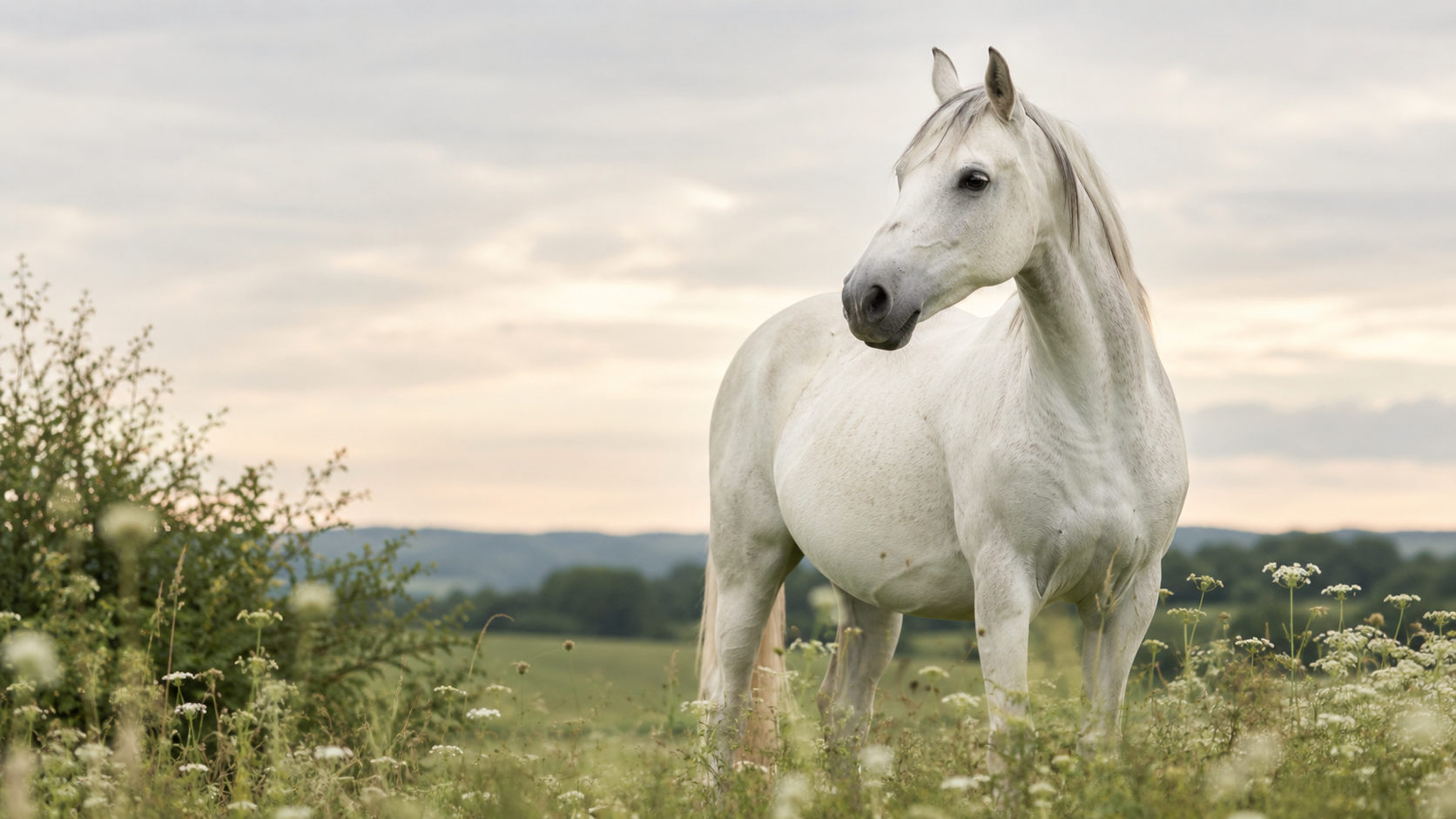
The breed at a glance
The American Indian Horse is renowned for its calm, intelligent, and willing temperament. It is a courageous, enduring, and very versatile horse, easy to train and eager to please. It is also known for its loyalty and its ability to form a strong bond with its rider.
- Category
- saddle horse
- Origin
- United States · 17th century to present day
- Height at withers
- 137–163 cm
- Weight
- 360–540 kg
- Lifespan
- 25-30 years
- Common coats
- all coat colors are accepted, pinto (tobiano, overo, tovero, sabino), appaloosa (leopard, blanket, snowflake), chestnut, bay, black, grey, palomino, dun
- Disciplines
- Western Pleasure, Reining, Cutting, Trail Class
- Other names
- AIHR
Origin and history
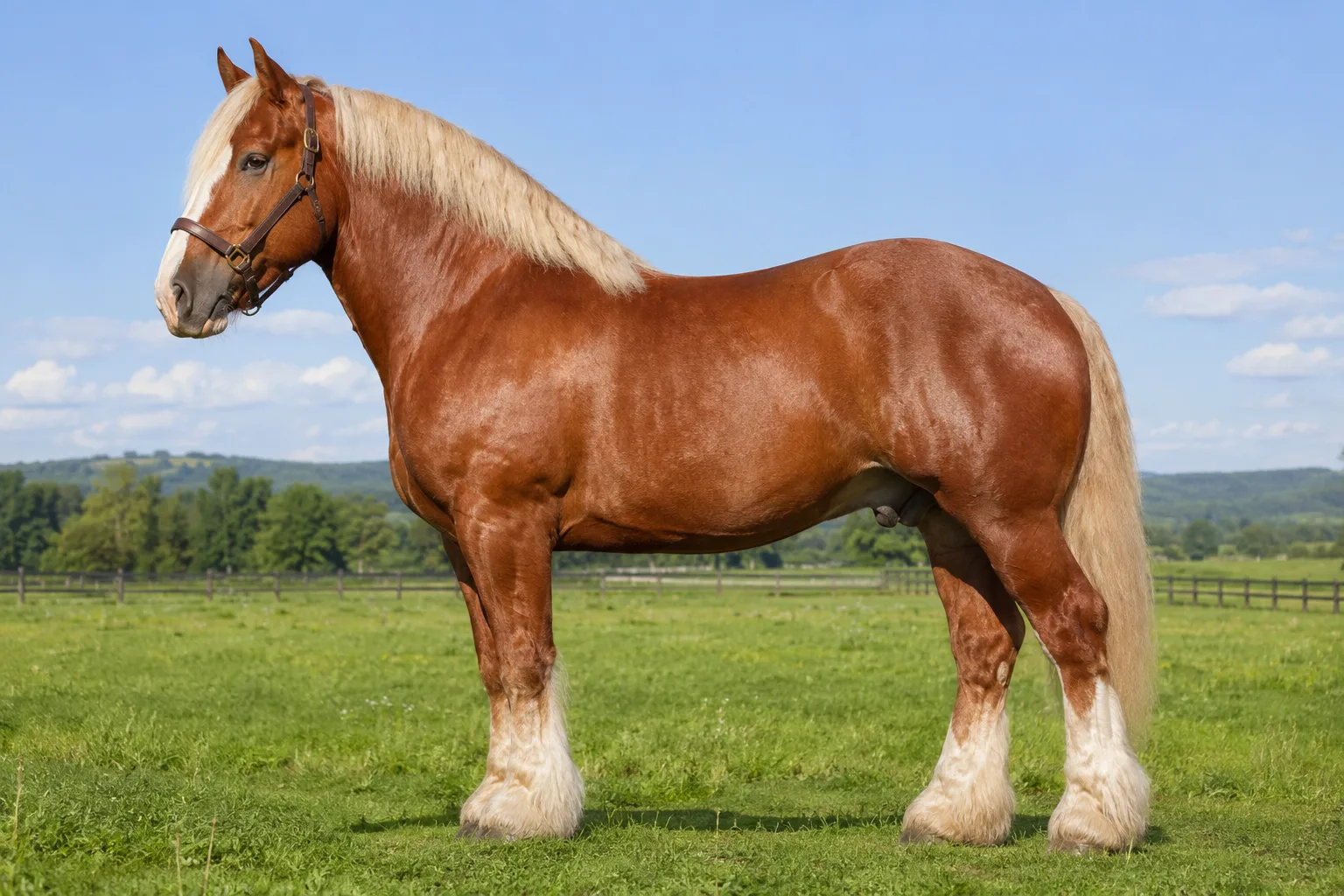
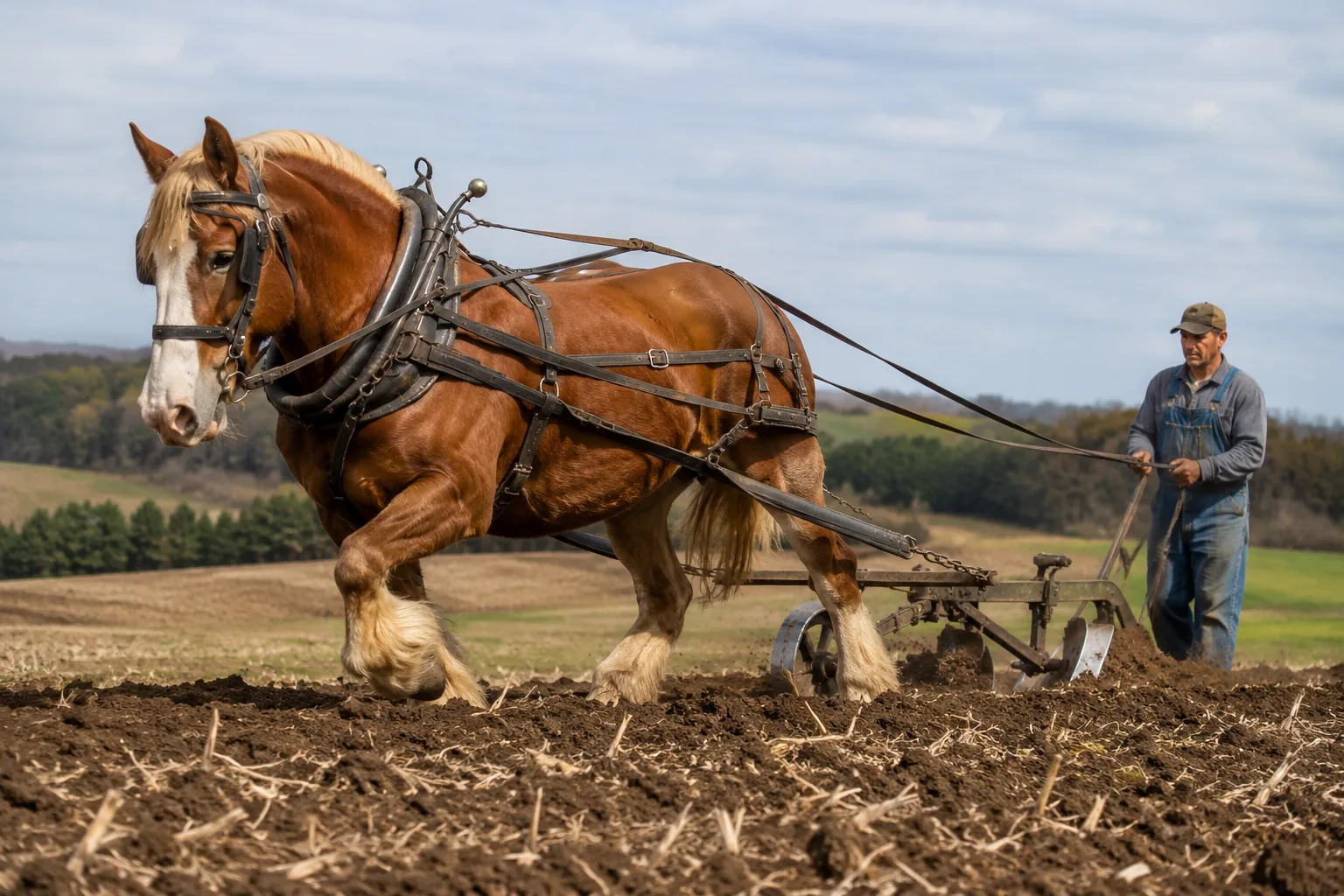
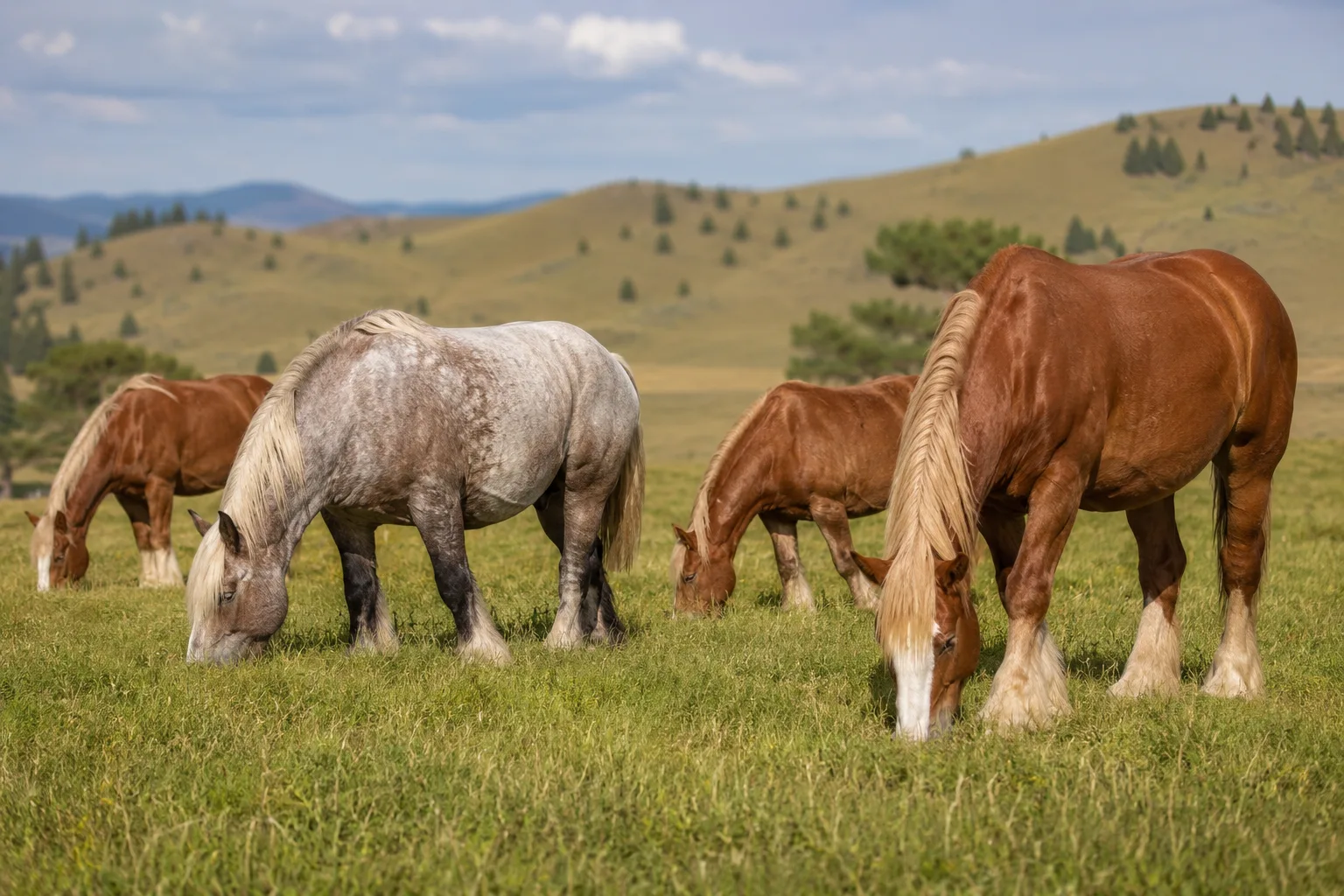
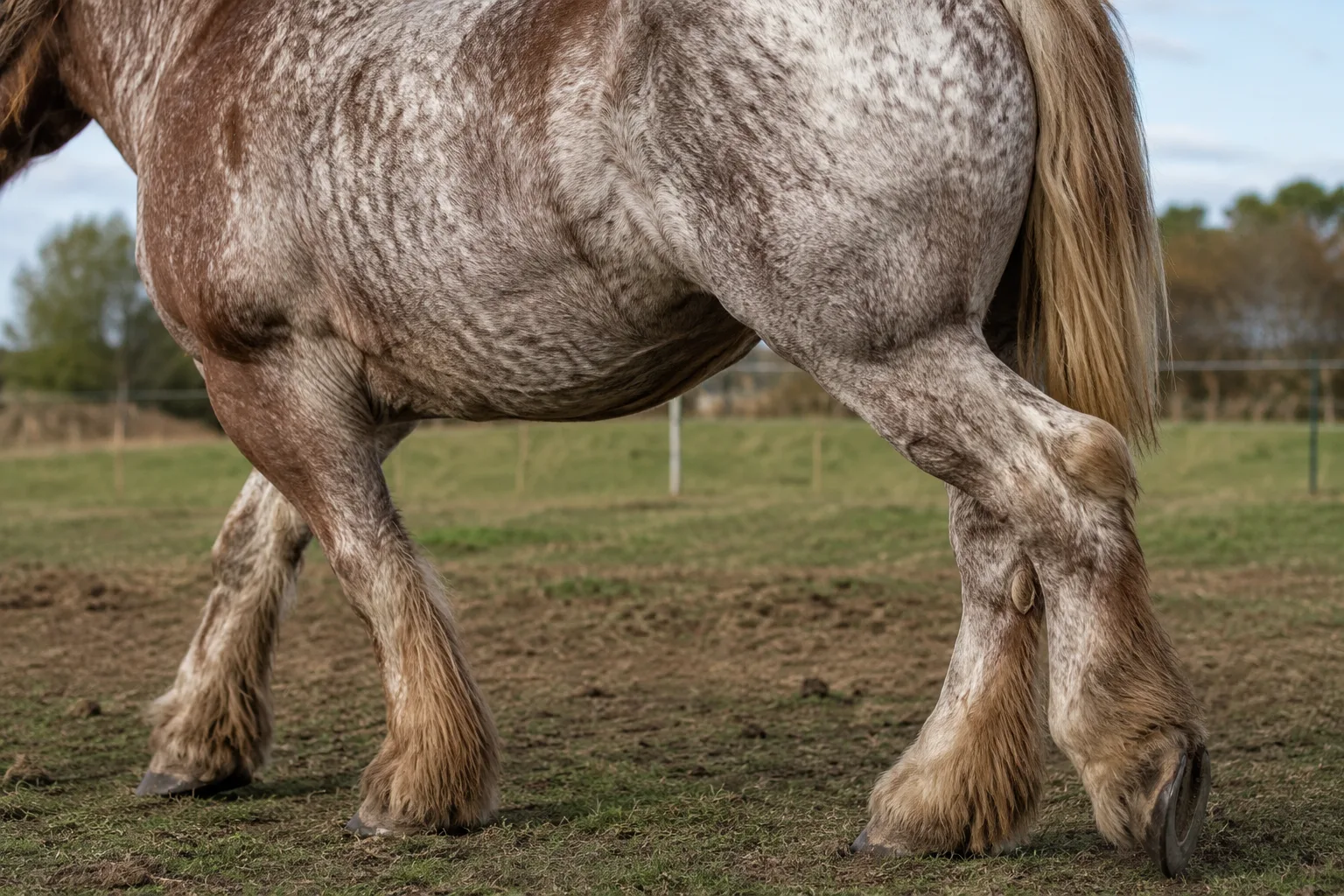
The American Indian Horse is a breed descended from horses brought by the Spanish and bred by Native American tribes. These horses were selected for their hardiness, endurance, and versatility, becoming essential to the survival and culture of indigenous peoples. The breed was officially recognized in 1961 with the creation of the American Indian Horse Registry (AIHR), aiming to preserve the bloodlines and characteristics of American Indian horses.
Conformation and physique
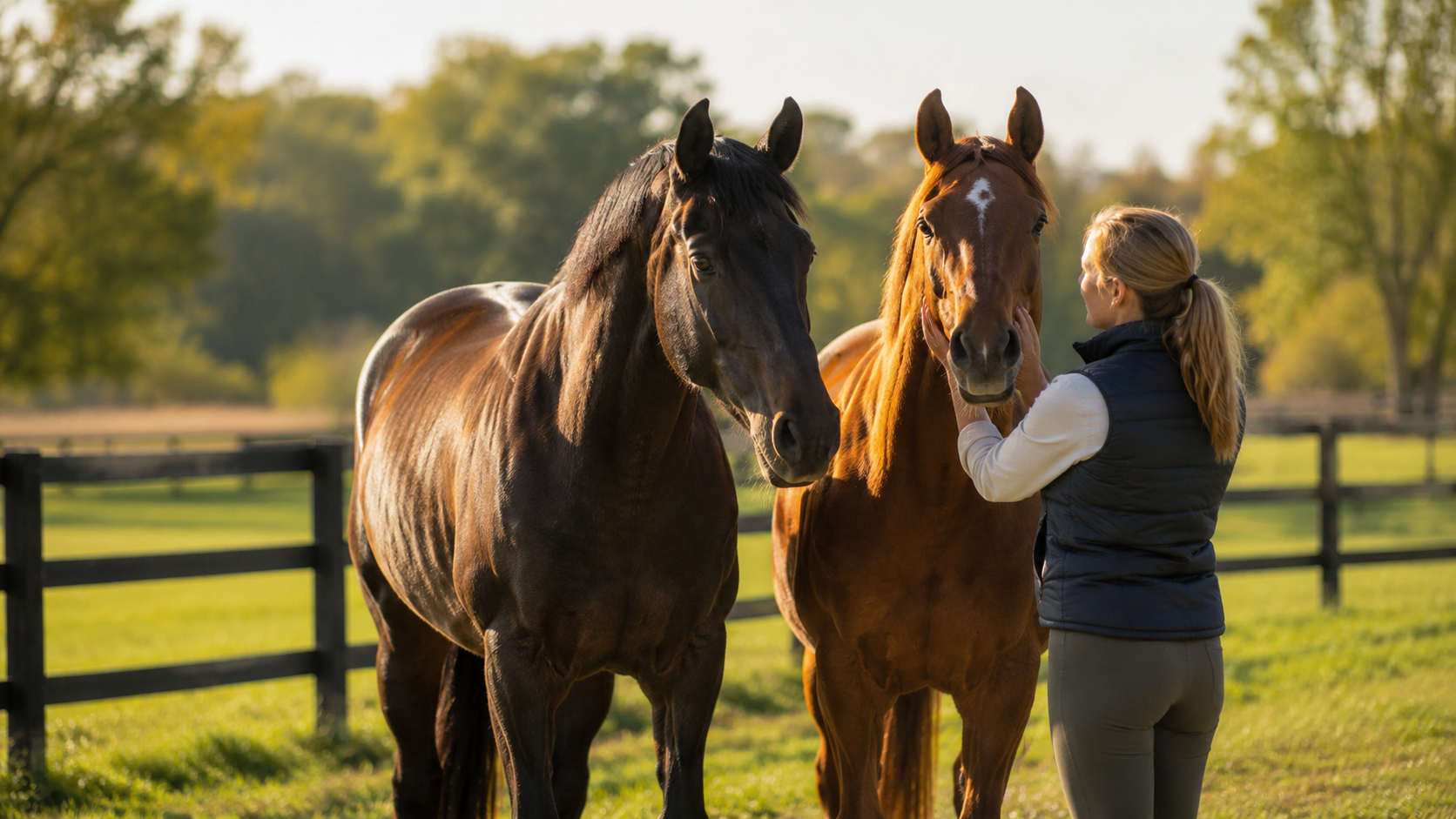
It is a medium-sized horse, well-muscled, with a solid yet refined bone structure. It presents a balanced silhouette, combining strength and agility, typical of working and saddle horses. Its body is compact and powerful, reflecting its heritage as a survival horse.
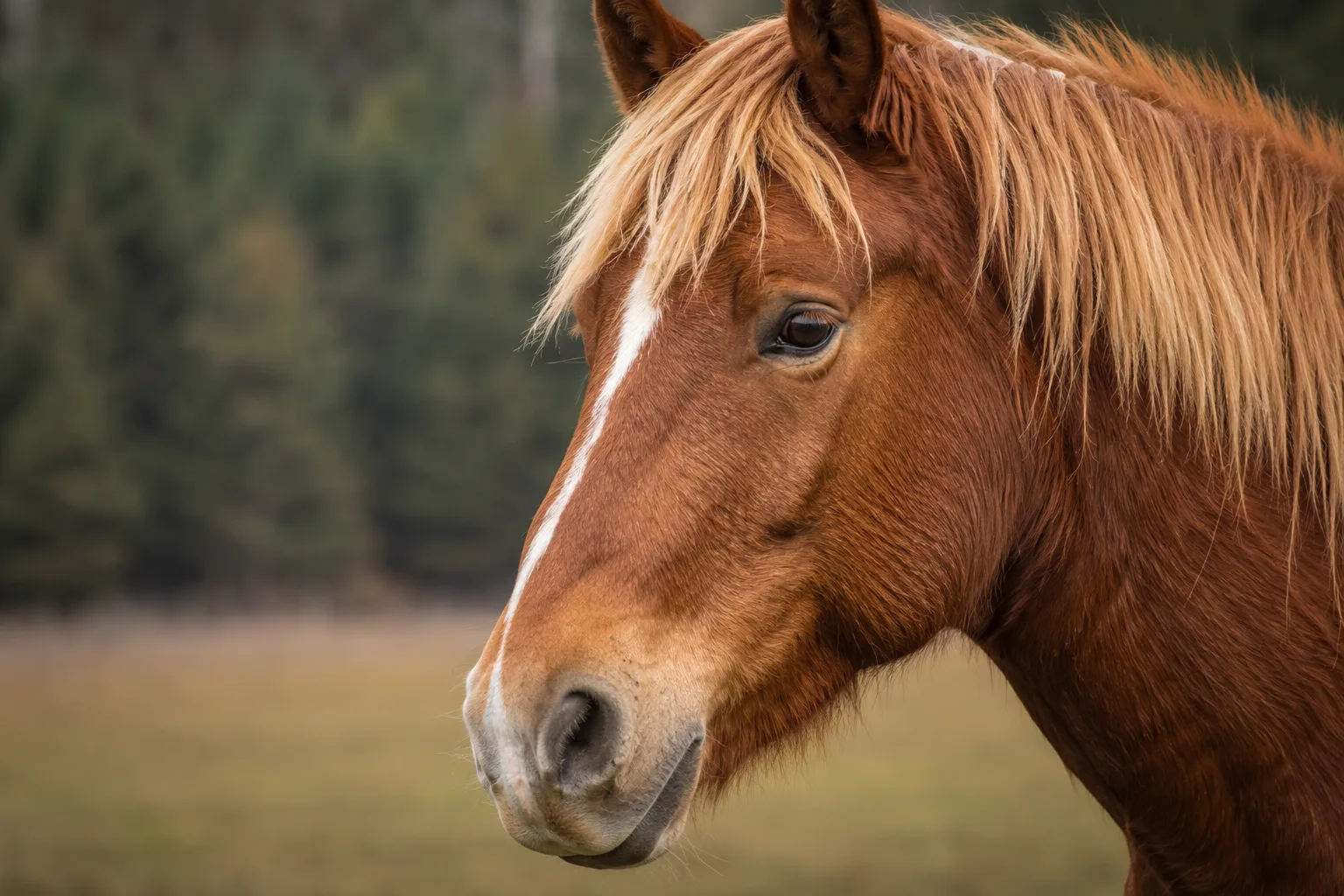
The head is expressive, medium-sized, with a straight or slightly convex profile (ram's nose). The eyes are large and lively, the ears are medium-sized and well-placed. The muzzle is broad and the nostrils are well-opened.
The neck is well-proportioned, muscular, and arched, blending harmoniously into a well-defined and long wither. It is long enough to allow for good flexibility and optimal balance.
The back is short and strong, and the topline is solid. The chest is deep and wide, providing good lung capacity. The croup is muscular and rounded, often slightly sloped, with a low-set tail.
The limbs are strong, with well-defined joints and clean tendons. The cannons are short and the pasterns are medium length. The feet are hard, well-formed, and resilient, often with no feathering or very light feathering.
- Common coats: all coat colors are accepted, pinto (tobiano, overo, tovero, sabino), appaloosa (leopard, blanket, snowflake), chestnut, bay, black, grey, palomino, dun
Temperament and aptitudes
The American Indian Horse is renowned for its calm, intelligent, and willing temperament. It is a courageous, enduring, and very versatile horse, easy to train and eager to please. It is also known for its loyalty and its ability to form a strong bond with its rider.
The gaits are supple, fluid, and energy-efficient, with good reach. Some individuals may exhibit additional gaits such as the 'running walk' or the 'fox trot', inherited from their ancestors.
- Uses: recreational riding, equestrian trail riding, cattle work (ranch work), western riding competitions (reining, cutting, trail), endurance riding, equestrian shows, hunting
- Disciplines: Western Pleasure, Reining, Cutting, Trail Class, Gymkhana, Endurance, Trail riding
Feeding the American Indian Horse
The American Indian Horse is generally a horse with an efficient metabolism, capable of utilizing medium-quality forages well. It tends to be an 'easy keeper' and can easily become overweight if its diet is not monitored. A diet based on good quality forage (hay or grass) is paramount, supplemented with concentrates only if the level of work requires it, prioritizing feeds low in sugars and starch.
Due to its efficient metabolism, the American Indian Horse can be predisposed to Equine Metabolic Syndrome (EMS) and laminitis, especially if overweight or sedentary. Careful monitoring of its weight and rigorous management of its diet are essential to prevent these conditions.
With Equio, every feed, supplement or treat is read against the horse's real profile (age, weight, Body Condition Score, conditions) — useful for a American Indian Horse as soon as a metabolic or digestive sensitivity is known.

Health and points to watch
It is important to regularly monitor the American Indian Horse's weight and adjust its diet and exercise to prevent obesity. Particular attention should be paid to its foot health, as they are essential to its hardiness. Regular veterinary check-ups are recommended for early detection of metabolic problems.
- Documented genetic disorders: PSSM1 (in certain Quarter Horse/Appaloosa bloodlines)
- More frequent conditions: laminitis, Equine Metabolic Syndrome (EMS), age-related dental problems
Care and grooming
Care for the American Indian Horse is relatively simple. Its robust hooves require regular trimming but are generally low-maintenance. The mane and tail can be thick and require regular detangling. The coat is easy to care for and does not require special clipping, except for aesthetic reasons or comfort during intense work. Particular attention should be paid to the skin in the case of pinto or Appaloosa coats, which are more sensitive to the sun.
Did you know?
- The American Indian Horse is often considered a direct descendant of the American plains horses, bred by tribes such as the Comanches, Sioux, and Cheyenne.
- The AIHR (American Indian Horse Registry) has very broad registration criteria, accepting horses of various origins as long as they exhibit the physical characteristics and temperament of Native American horses.
- These horses were renowned for their ability to cover long distances without water or food, an essential quality for survival in the vast American territories.
The American Indian Horse and how to track it
The American Indian Horse breed is very poorly represented in France. A few individuals may be imported by enthusiasts, but there is no significant breeding or national registry dedicated to this breed in French territory.
Equio lets you build a complete profile for a American Indian Horse: identity, weight, Body Condition Score, feeding, conditions, care reminders (vaccines, worming, trimming) and an exportable health log. The breed sets the identity; everyday decisions still depend on the real horse and your vet's advice.
- Record the activity level: rest, leisure, sport or breeding
- Add known conditions or sensitivities
- Scan feeds, plants and care products
- Keep reminders (vaccines, worming, trimming)
- Prepare a PDF export before a vet appointment
Frequently asked questions
What is the average price of an American Indian Horse?
The price of an American Indian Horse varies considerably depending on its age, training level, lineage, and abilities. In the United States, prices can range from $2,000 to over $10,000 for well-trained horses or those with specific bloodlines. In France, their rarity makes estimation difficult, but importation adds significant costs.
Is the American Indian Horse suitable for beginners?
Yes, thanks to its calm, intelligent, and eager-to-please temperament, the American Indian Horse can be an excellent choice for beginners, provided it has been properly educated and trained. Its versatility and patience make it a reliable companion for learning to ride.
What are the main differences between an American Indian Horse and a Mustang?
Although both breeds share common ancestors (Spanish horses), the Mustang is a wild or semi-wild horse, whereas the American Indian Horse is a domesticated breed, bred and selected by Native Americans. The AIHR has specific breed standards, while the Mustang represents a population of wild horses with great genetic diversity.
Is the American Indian Horse a good family horse?
Absolutely. Its gentle temperament, patience, and loyalty make it an excellent family horse. It is generally reliable with children and can adapt to various activities, from simple trail riding to competitions, making it a versatile companion for the whole family.
How to identify an American Indian Horse?
The American Indian Horse is recognized by its balanced conformation, solid bone structure, expressive head, and supple gaits. The breed is also characterized by a wide variety of coat patterns, often including pinto or Appaloosa markings. Its calm temperament and endurance are also distinctive traits.