
Horse breed
Aegidienberger
The Aegidienberger is a relatively young breed, developed in Germany in the 1980s by Walter Feldmann in Aegidienberg. The goal was to create a light, versatile, and comfortable riding horse with additional gaits.

The breed at a glance
It is a horse with a balanced, willing, and very cooperative temperament. It is renowned for its kindness, docility, and composure, making it an excellent companion for riders of all levels, including beginners.
- Category
- saddle horse
- Origin
- Germany · Late 20th century (1980s)
- Height at withers
- 143–152 cm
- Weight
- 400–500 kg
- Lifespan
- 25-30 years
- Common coats
- bay, chestnut, black, grey, palomino, dun
- Disciplines
- equestrian trail riding, recreational riding, gaited dressage
Origin and history
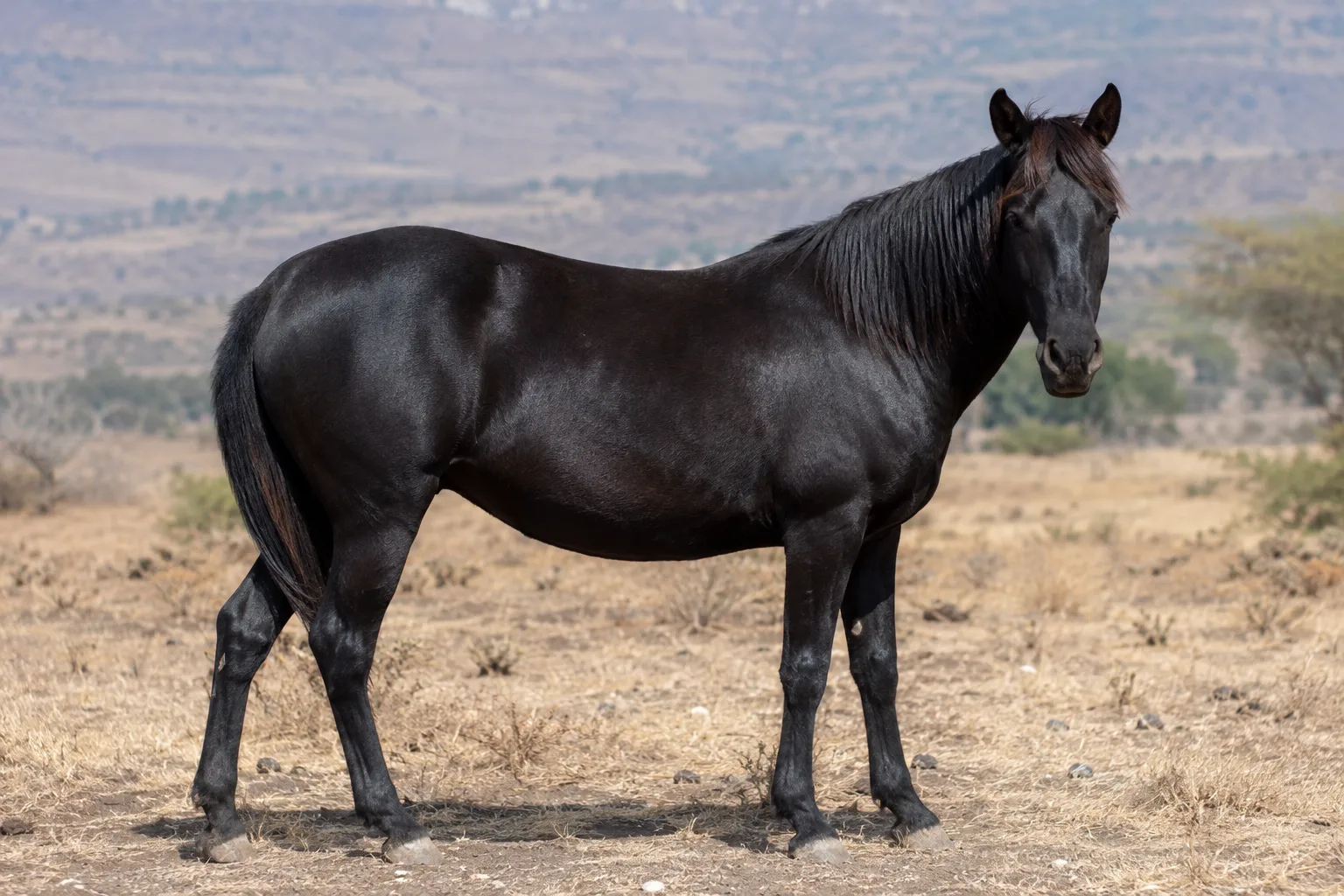
The Aegidienberger is a relatively young breed, developed in Germany in the 1980s by Walter Feldmann in Aegidienberg. The goal was to create a light, versatile, and comfortable riding horse with additional gaits. It originated from a cross between the Peruvian Paso and the Icelandic horse. The breed was officially recognized in 1994.
Conformation and physique
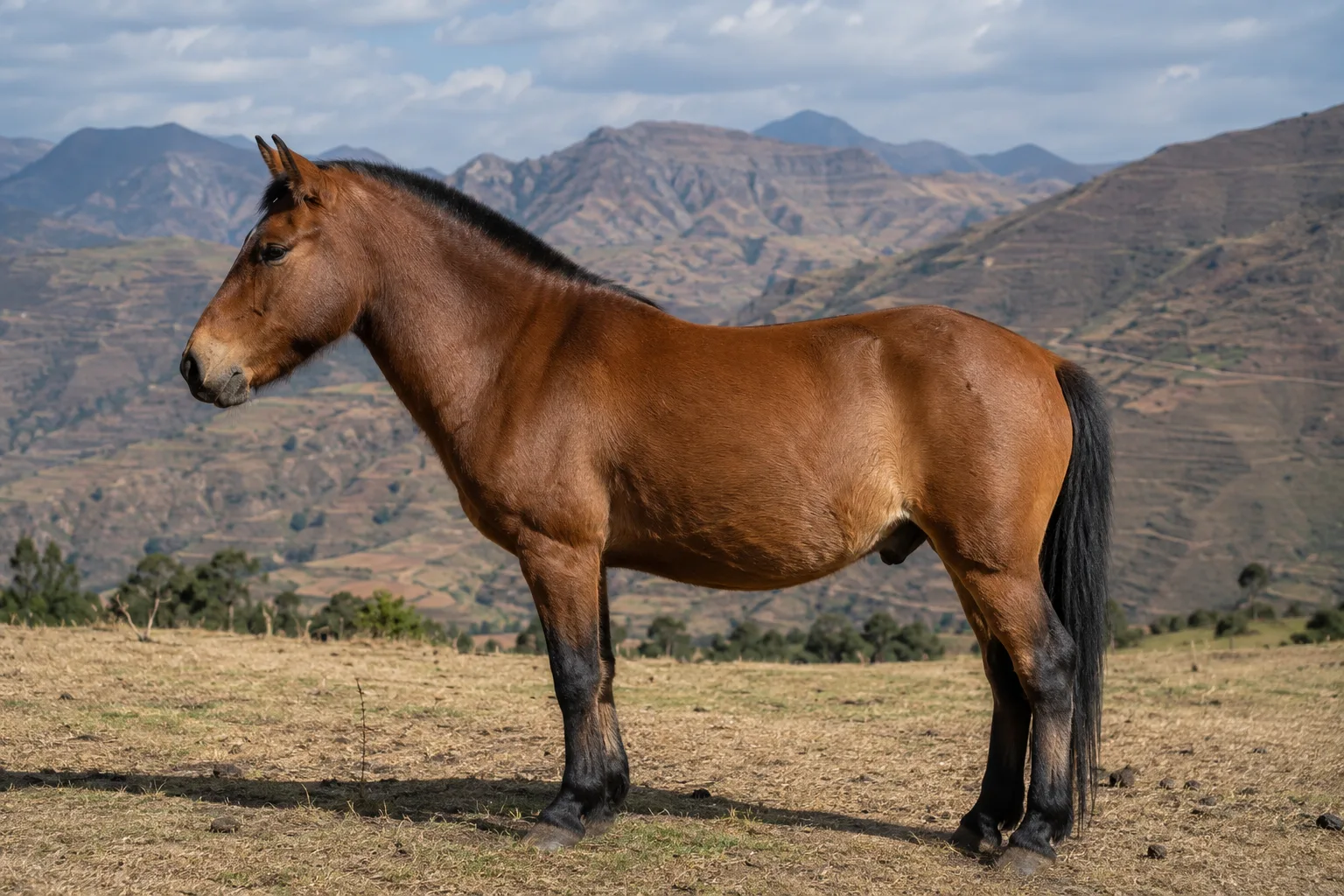
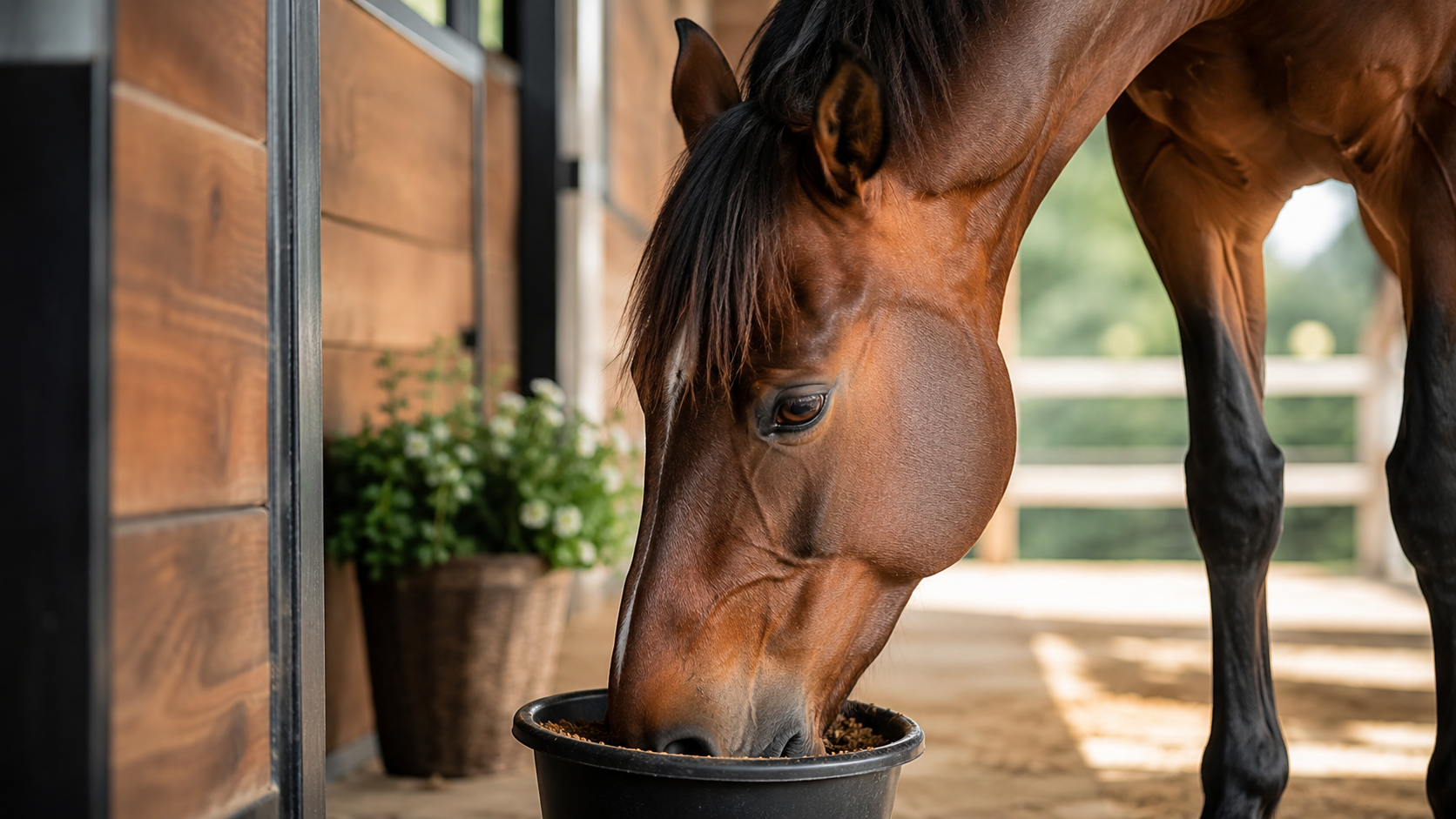
It is a medium-sized riding horse, elegant and harmonious, with a fine but solid bone structure. It has an athletic, non-massive build, typical of leisure and trail riding horses.
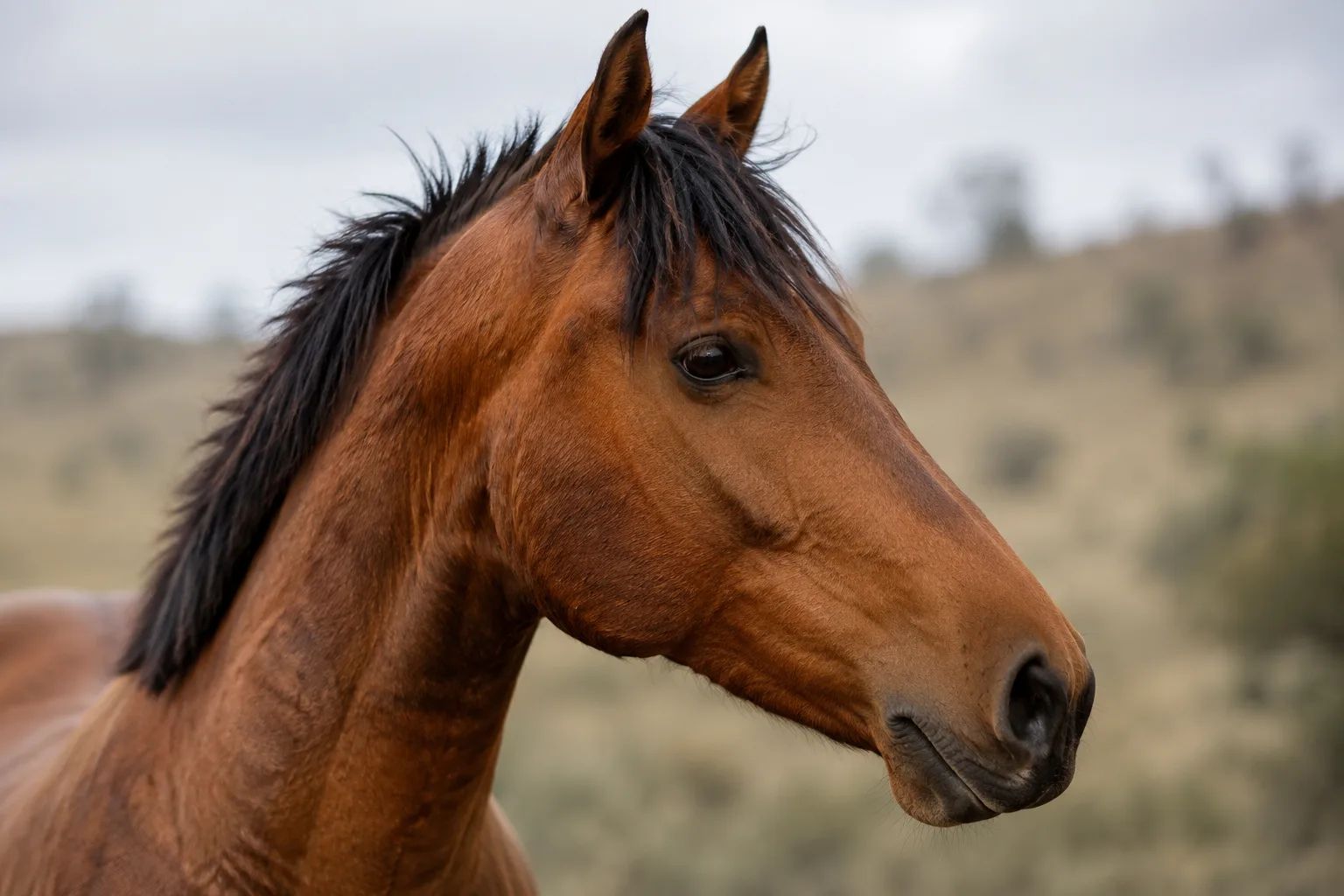
The head is expressive, medium-sized, with a straight or slightly concave profile. The eyes are large and lively, the ears well-set and mobile.
The neck is well-proportioned, long and muscular, well-set into the shoulders. The withers are well-defined and extended.
The back is short and strong, the topline is harmonious. The chest is deep and wide, the croup is muscular and slightly sloped.
The limbs are clean, with well-defined joints and clearly delineated tendons. The hooves are solid and well-formed. Light feathering may be present.
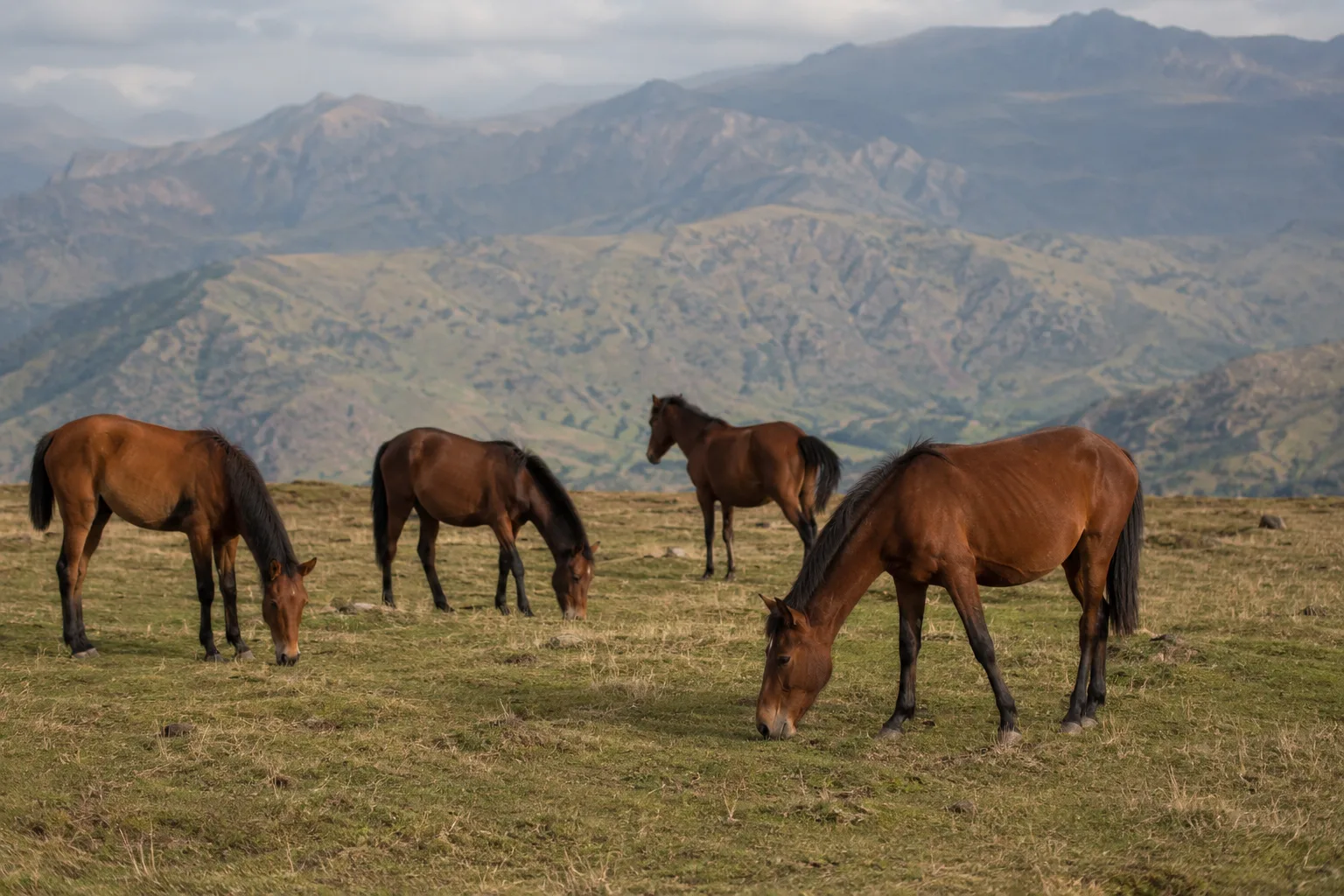
- Common coats: bay, chestnut, black, grey, palomino, dun
Temperament and aptitudes
It is a horse with a balanced, willing, and very cooperative temperament. It is renowned for its kindness, docility, and composure, making it an excellent companion for riders of all levels, including beginners.
The Aegidienberger is a five-gaited horse, possessing, in addition to the walk, trot, and canter, the tölt and the pace. The tölt is a four-beat gait, very comfortable for the rider, and the pace is a fast lateral gait.
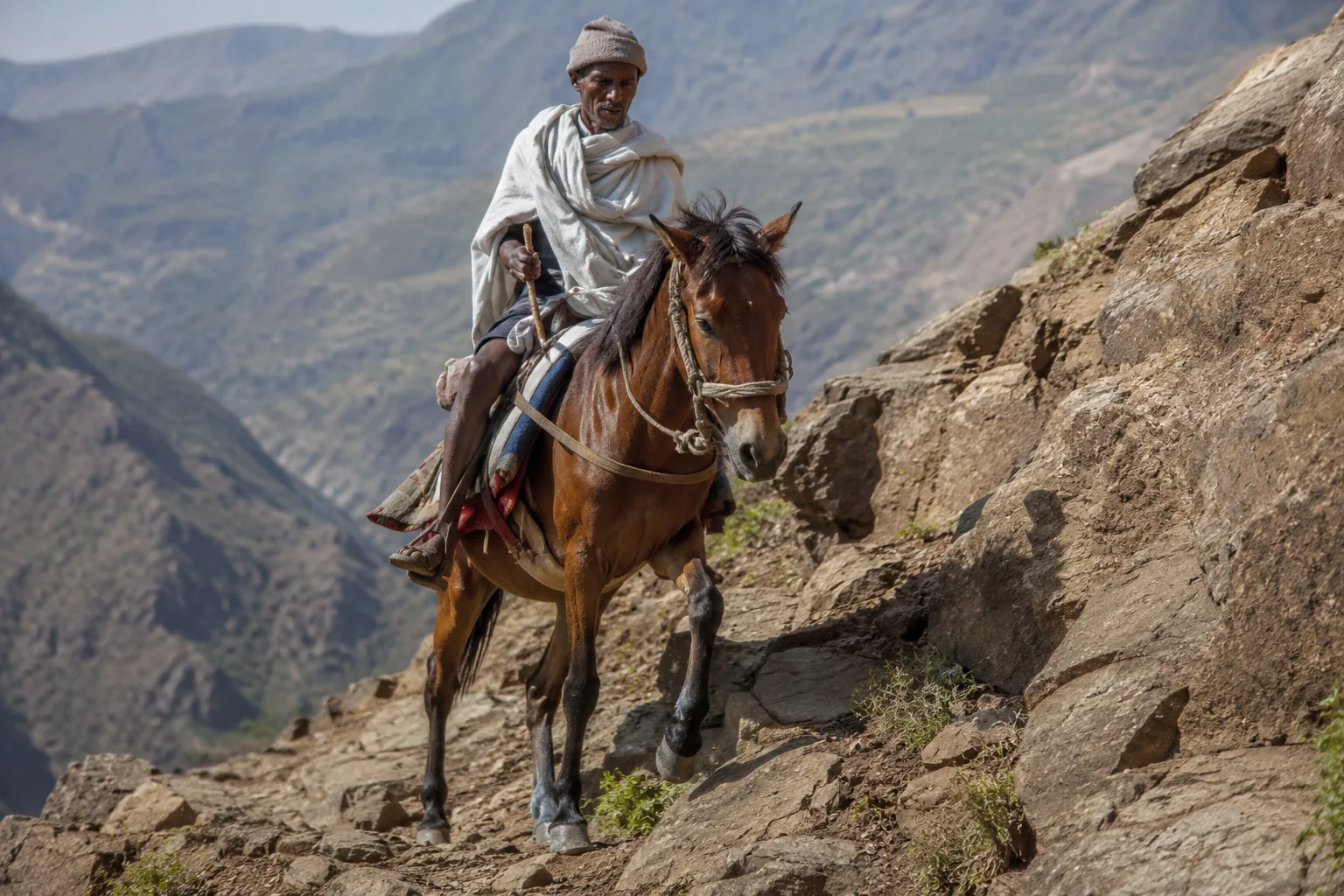
- Uses: leisure horse, trail riding, working equitation, family horse
- Disciplines: equestrian trail riding, recreational riding, gaited dressage
Feeding the Aegidienberger
The Aegidienberger is generally a horse with an economical metabolism, inherited from its Icelandic ancestors. It tends to utilize its feed efficiently and can easily become overweight if overfed. A diet based on good quality forage (hay or grass) in sufficient quantities is paramount. Concentrates are only necessary in cases of intense work or specific needs (growth, lactation) and must be adapted to avoid excess sugars and starch.
Like many breeds with an economical metabolism, the Aegidienberger can be predisposed to Equine Metabolic Syndrome (EMS) and laminitis, especially in cases of overweight or an unsuitable diet (too rich in sugars and starch). Careful weight monitoring and rigorous dietary management are essential to prevent these conditions.
With Equio, every feed, supplement or treat is read against the horse's real profile (age, weight, Body Condition Score, conditions) — useful for a Aegidienberger as soon as a metabolic or digestive sensitivity is known.
Health and points to watch
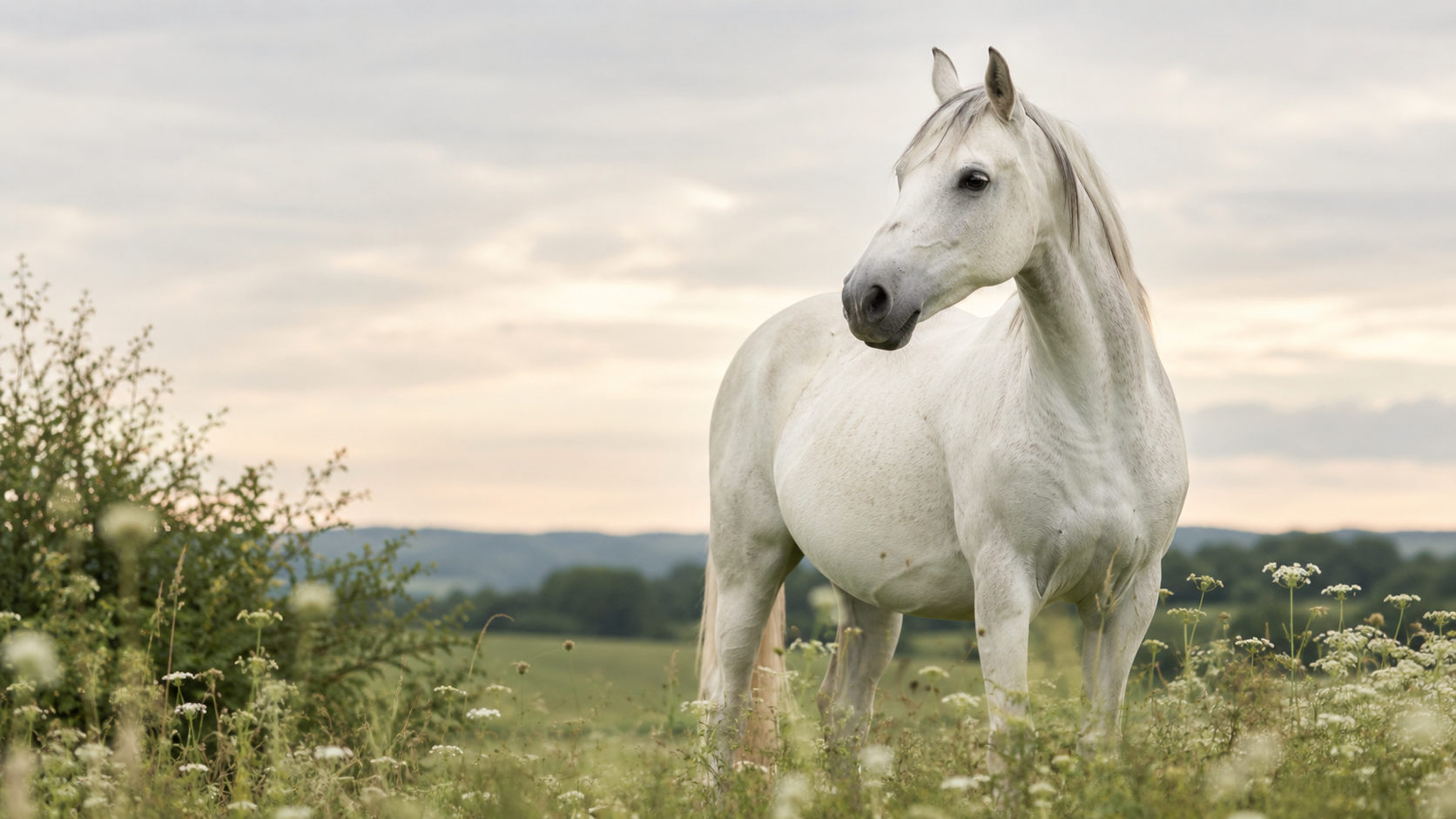
Particular attention must be paid to weight management and laminitis prevention, especially through a balanced diet and regular exercise. Hoof quality is generally good, but regular and appropriate trimming is crucial to maintain their integrity, especially with the additional gaits.
- More frequent conditions: laminitis, Equine Metabolic Syndrome (EMS)
Care and grooming
Aegidienberger care is relatively simple. Regular hoof trimming is essential, especially if ridden on varied terrain. The mane and tail are often full and require regular detangling. The coat is easy to maintain, and clipping is generally only necessary for horses working intensely in winter.
Did you know?
- The name 'Aegidienberger' comes from its place of origin, the Aegidienberg stud farm in Germany.
- It is one of the few breeds specifically developed to possess the tölt and pace, by combining the qualities of two gaited breeds.
- Despite its young age, the breed has quickly gained popularity in Germany and other European countries for its qualities as a leisure horse.
The Aegidienberger and how to track it
The Aegidienberger breed is not widespread in France, but a few breeders and enthusiasts import horses or practice small-scale breeding. It is mainly appreciated by leisure and trail riders seeking a comfortable and versatile horse.
Equio lets you build a complete profile for a Aegidienberger: identity, weight, Body Condition Score, feeding, conditions, care reminders (vaccines, worming, trimming) and an exportable health log. The breed sets the identity; everyday decisions still depend on the real horse and your vet's advice.
- Record the activity level: rest, leisure, sport or breeding
- Add known conditions or sensitivities
- Scan feeds, plants and care products
- Keep reminders (vaccines, worming, trimming)
- Prepare a PDF export before a vet appointment
Frequently asked questions
Is the Aegidienberger suitable for beginners?
Yes, thanks to its calm temperament, docility, and the comfort of its gaits, particularly the tölt, the Aegidienberger is an excellent choice for beginner riders and children. It is renowned for its patience and willingness to cooperate.
What is special about the Aegidienberger's gaits?
The Aegidienberger is a five-gaited horse. In addition to the walk, trot, and canter, it masters the tölt (a very comfortable four-beat gait) and the pace (a fast lateral gait). These additional gaits make it particularly pleasant to ride over long distances.
What is the average price of an Aegidienberger?
The price of an Aegidienberger can vary considerably depending on its age, training level, lineage, and gaits. In Europe, a well-trained horse can cost between 5,000 and 15,000 euros, or even more for exceptional individuals.
Is the Aegidienberger a hardy horse?
Yes, thanks to the influence of the Icelandic horse, the Aegidienberger is considered a hardy breed. It is generally robust, weather-resistant, and capable of living outdoors all year round, provided it has shelter and appropriate feed.
Where can Aegidienbergers be found in France?
The Aegidienberger is a rare breed in France. It is possible to find a few specialized breeders or individuals who import them. Gaited breed associations or specialized classified ad websites can be avenues for acquiring one.