
Horse breed
Adaev
The Adaev horse is an ancient breed originating from the Mangyshlak Peninsula in Kazakhstan, developed by the nomadic Adaev tribe. It is the result of rigorous natural and human selection for endurance and survival in extreme desert conditions.
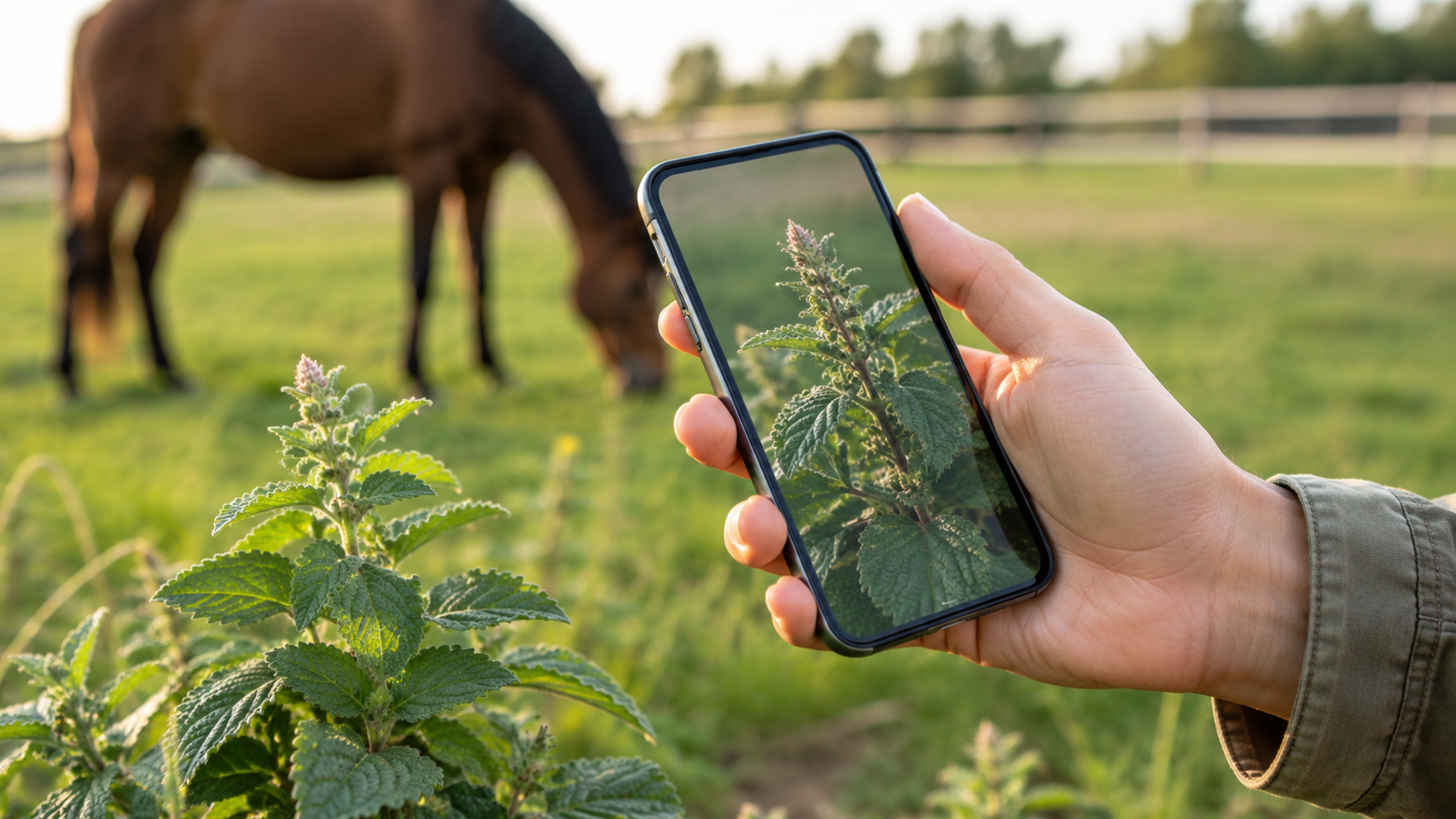
The breed at a glance
The Adaev horse is known for its calm, intelligent, and resilient temperament. It is courageous, willing, and very enduring, making it an excellent working and trail horse. It is also renowned for its frugality and adaptability.
- Category
- hardy breed
- Origin
- Kazakhstan · Antiquity / Middle Ages (established in the 18th-19th century)
- Height at withers
- 140–150 cm
- Weight
- 380–450 kg
- Lifespan
- 25-30 years
- Common coats
- bay, chestnut, grey, black, dun, grullo
- Disciplines
- endurance riding, trail riding, working equitation
- Other names
- Adaev Horse, Adaevsky
Origin and history
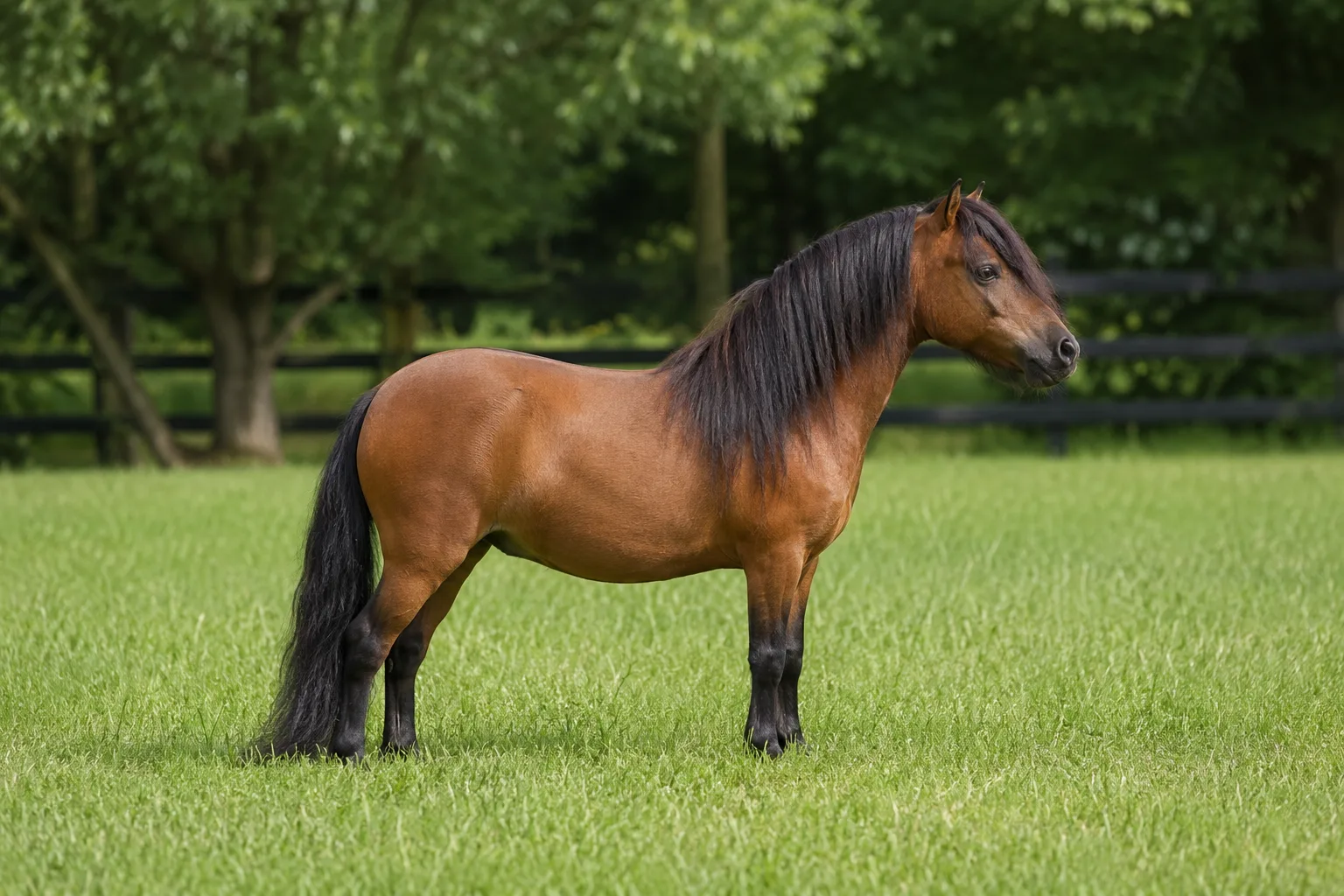
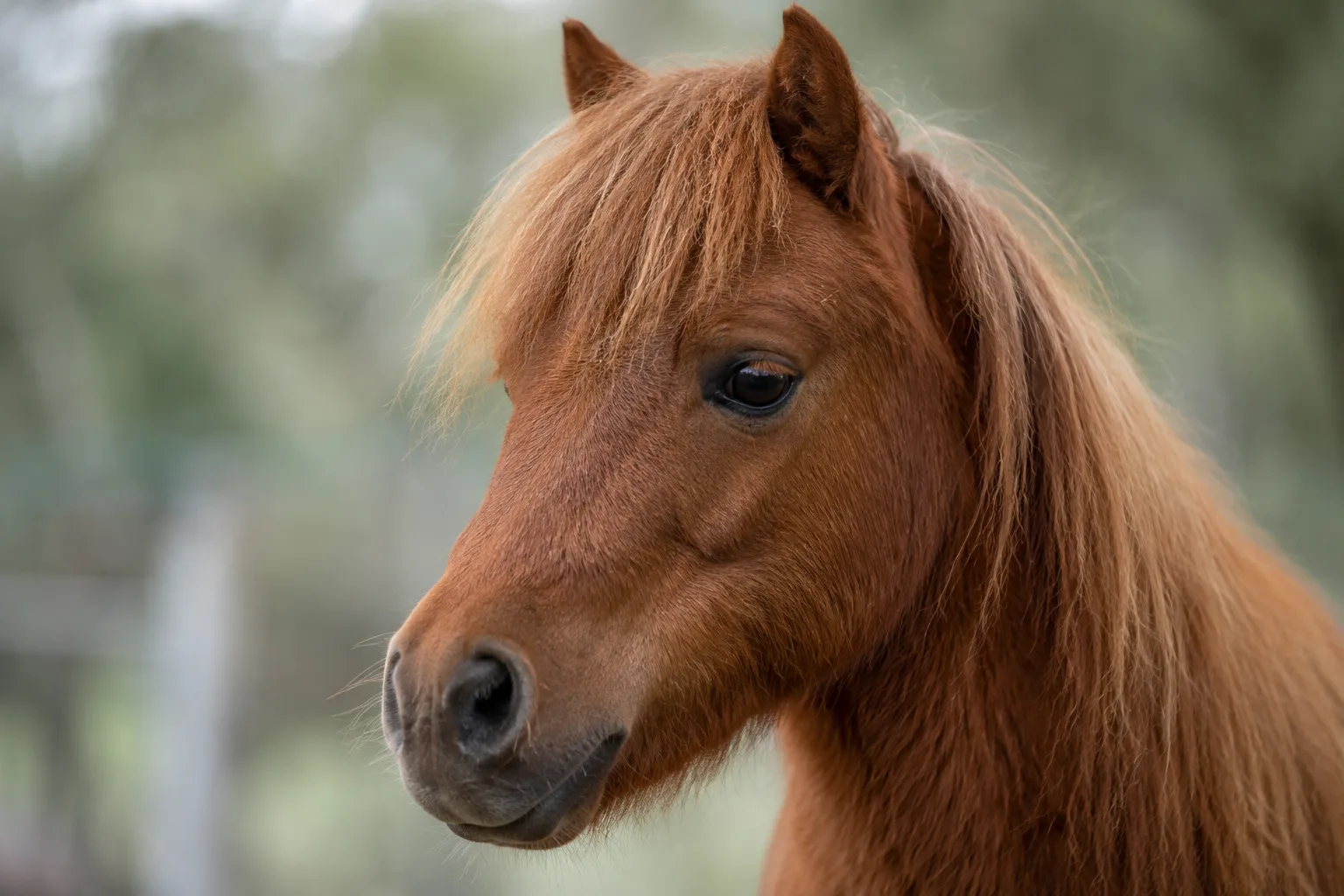
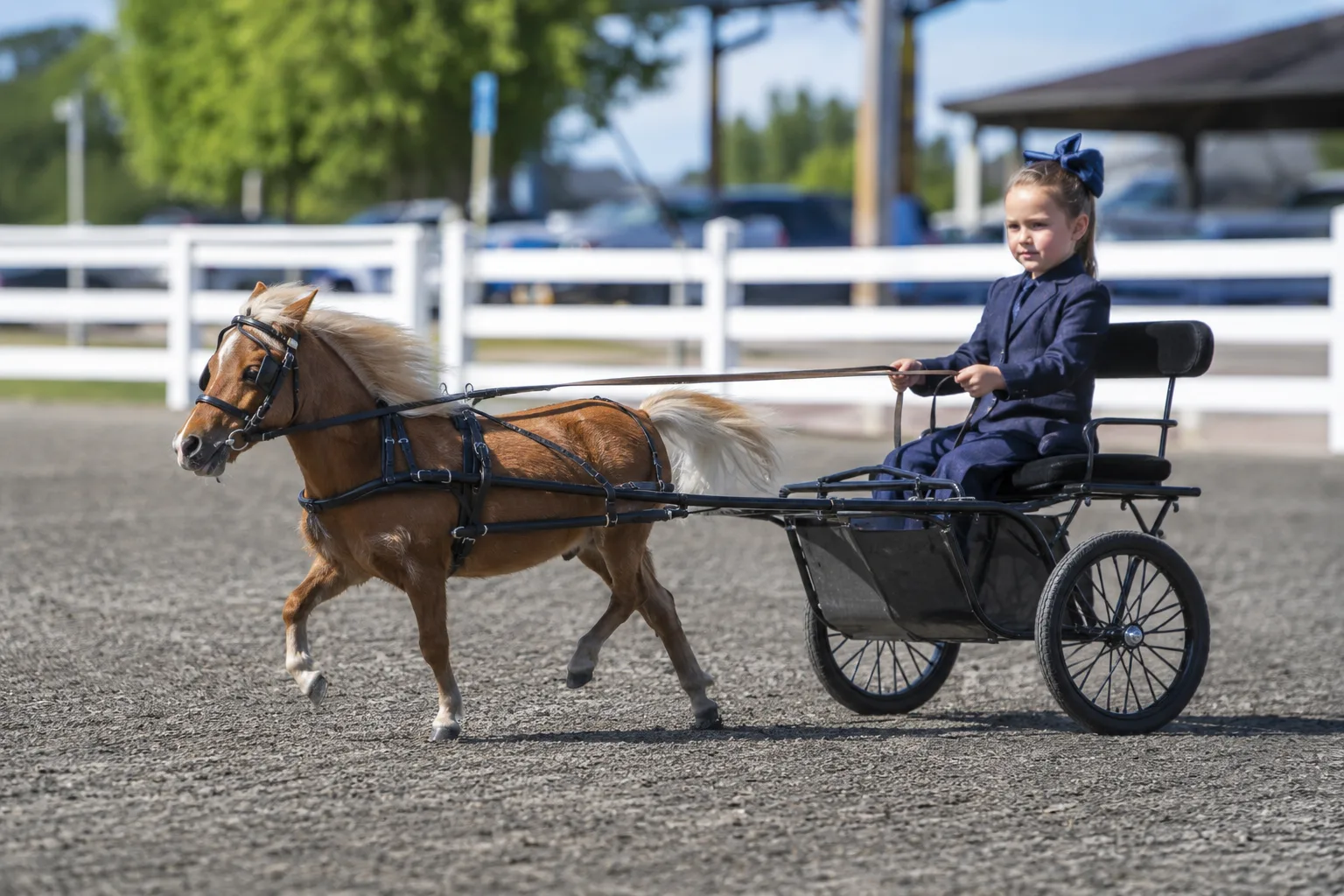
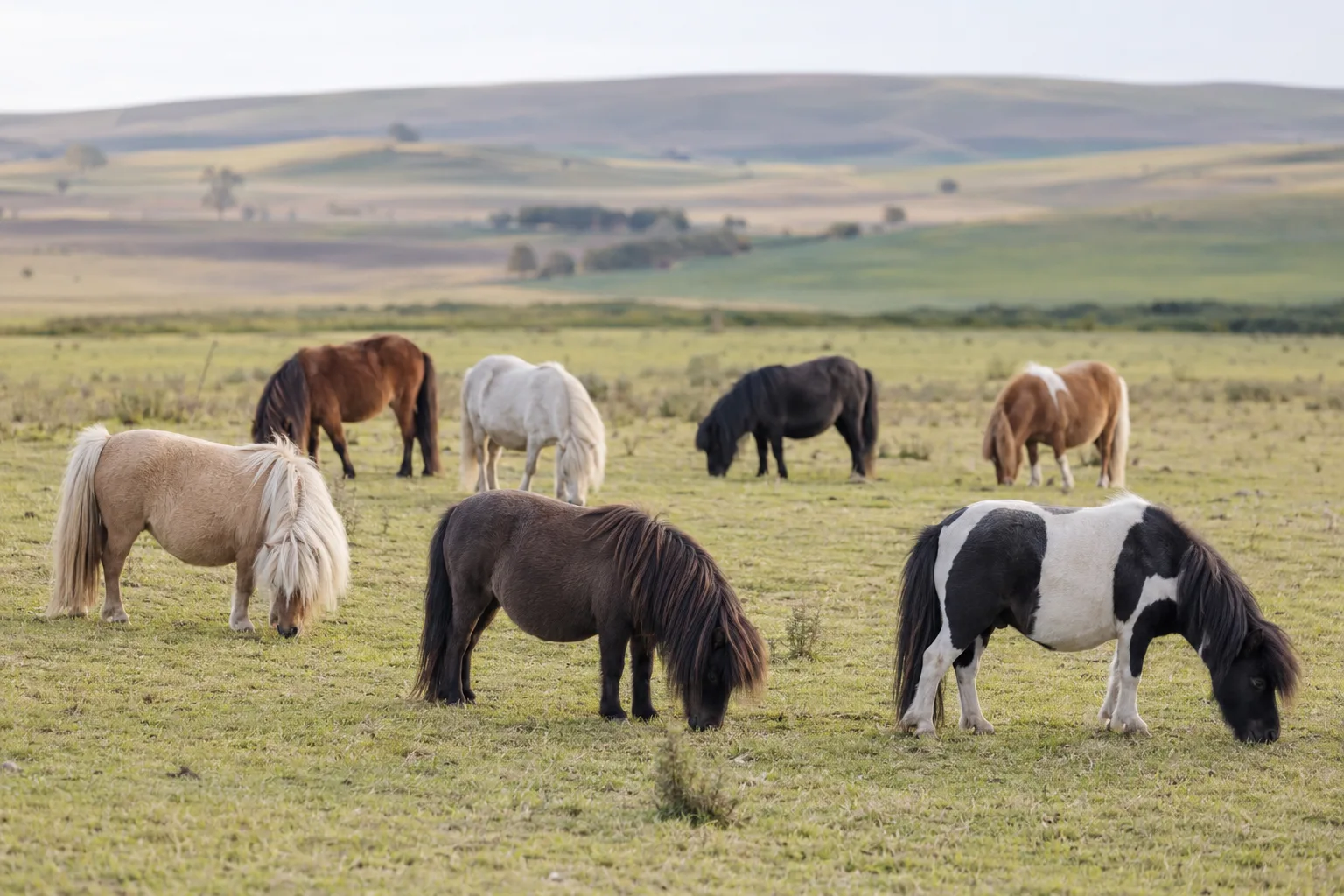
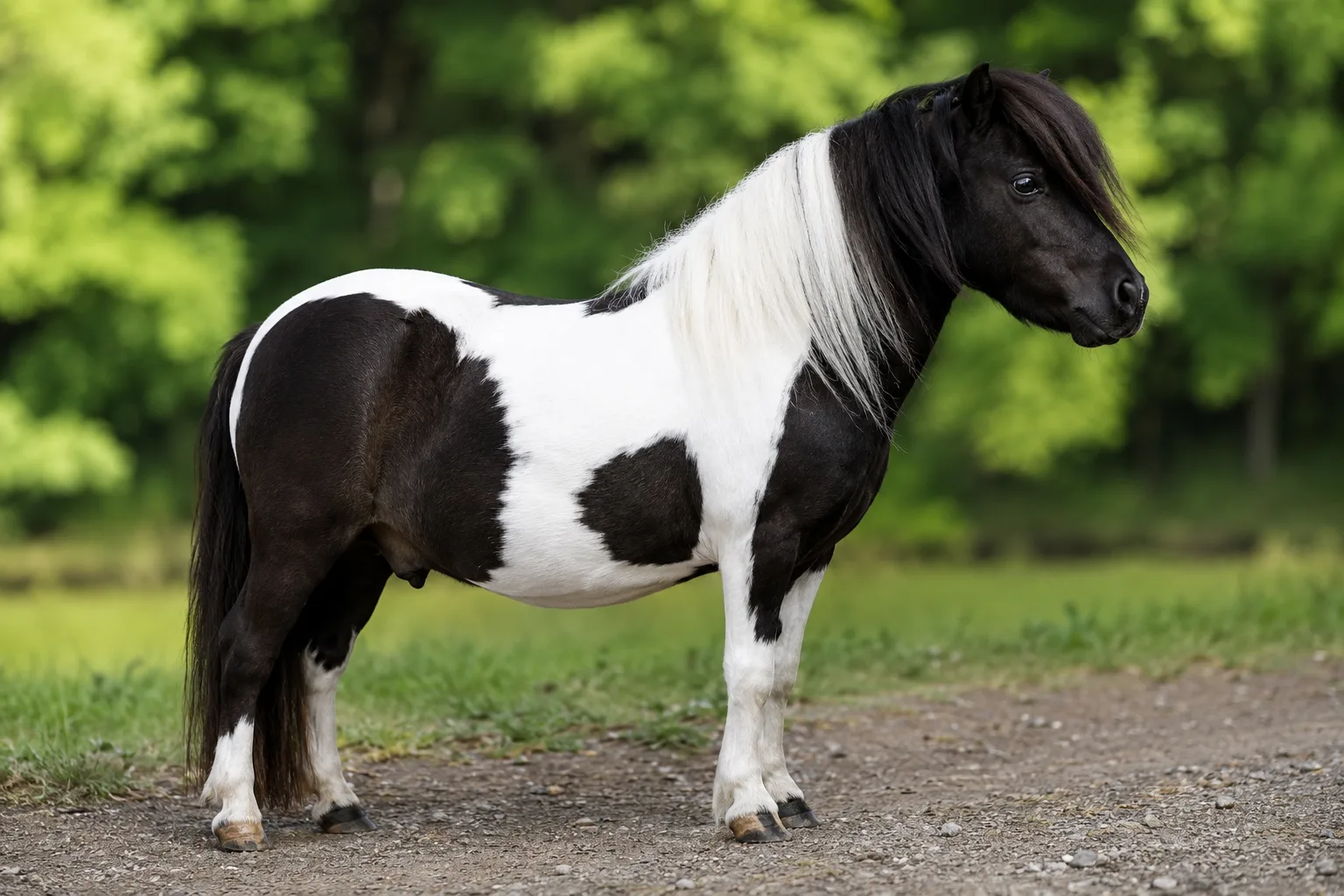
The Adaev horse is an ancient breed originating from the Mangyshlak Peninsula in Kazakhstan, developed by the nomadic Adaev tribe. It is the result of rigorous natural and human selection for endurance and survival in extreme desert conditions. Although its origins trace back to Mongolian and Turkmen horses, the breed was established over centuries by local breeders. It is officially recognized in Kazakhstan and is valued for its robustness and versatility.
Conformation and physique
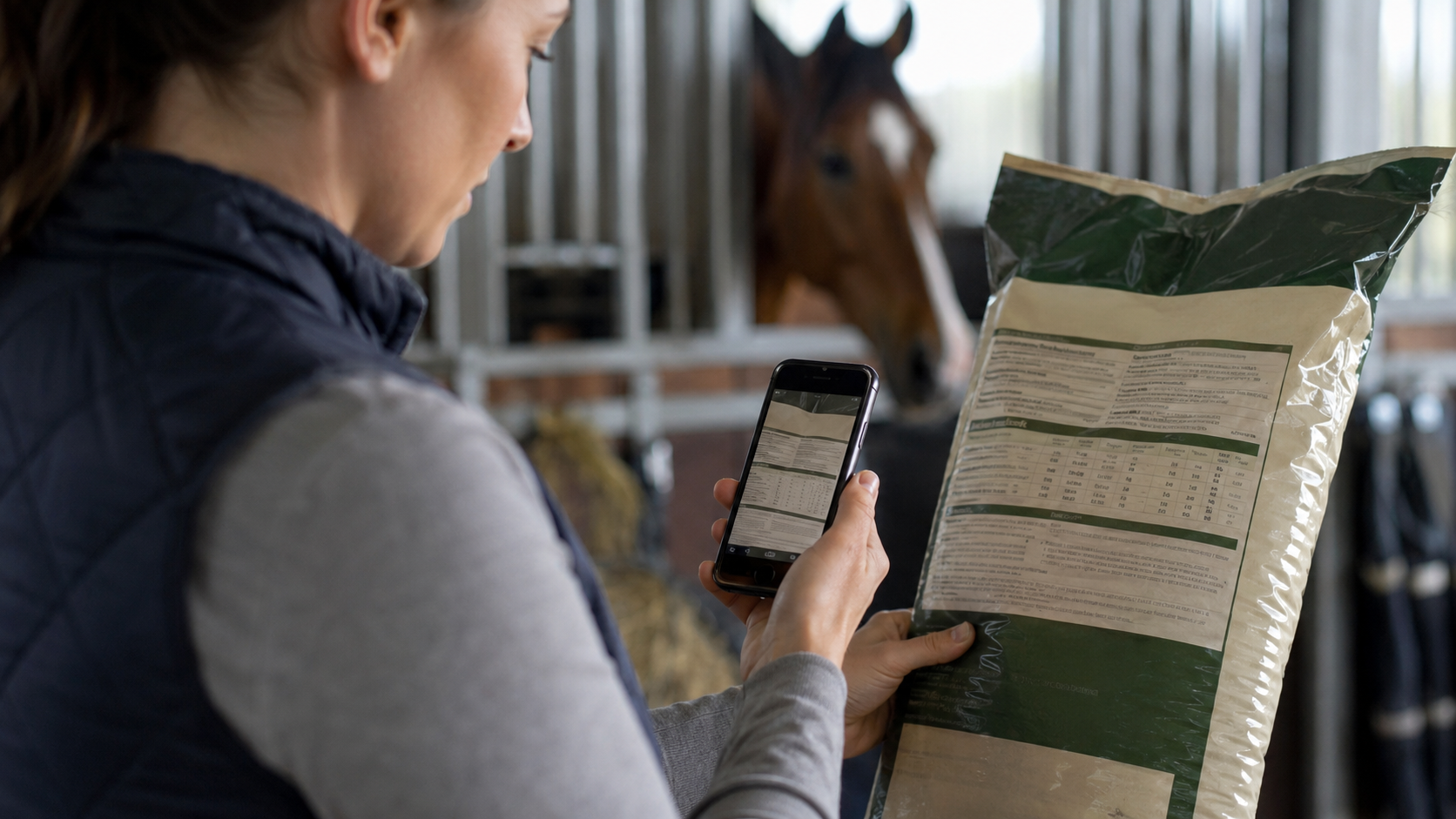
The Adaev horse is of medium build, with a lean and muscular silhouette, typical of steppe horses. It has a solid yet fine bone structure, adapted for endurance and speed over long distances. Its body is compact and well-proportioned, reflecting its ability to thrive in harsh environments.
The head is medium-sized, lean, with a straight or slightly convex profile. The eyes are lively and expressive, the nostrils wide, and the ears medium-sized and well-set.
The neck is of medium length, well-set, muscular, and often straight, blending harmoniously into a prominent and well-defined wither.
The back is short and strong, with a taut topline. The chest is deep and wide, providing good lung capacity. The croup is muscular, often slightly sloping, with a rather low-set tail.
The limbs are lean, strong, and well-muscled, with clean joints and well-defined tendons. The cannons are short, and the feet are small, hard, and resilient, adapted to stony terrain. Feathering is generally absent or very sparse.
- Common coats: bay, chestnut, grey, black, dun, grullo
Temperament and aptitudes
The Adaev horse is known for its calm, intelligent, and resilient temperament. It is courageous, willing, and very enduring, making it an excellent working and trail horse. It is also renowned for its frugality and adaptability.
The gaits are expansive, supple, and very enduring, with an energetic walk, a ground-covering trot, and a fast, steady canter. The Adaev horse is renowned for its ability to maintain a constant speed over very long distances.
- Uses: saddle horse, pack horse, light draft horse, meat and milk production (kumis), traditional endurance races, equestrian trail riding
- Disciplines: endurance riding, trail riding, working equitation
Feeding the Adaev
The Adaev horse is a very thrifty breed, accustomed to poor diets and harsh living conditions. Its metabolism is optimized to make the most of low-quality forage. It has a natural tendency to gain weight if its diet is too rich and exercise is insufficient. Abundant coarse forage (hay, grass) forms the basis of its diet, with concentrates only in cases of intense work or specific needs (gestation, lactation), and always in moderation.
Due to its thrifty metabolism, the Adaev horse can be predisposed to Equine Metabolic Syndrome (EMS) and laminitis if overfed with diets rich in sugars and starch, or if it lacks exercise. It is crucial to monitor its weight and adapt its diet to prevent these issues.
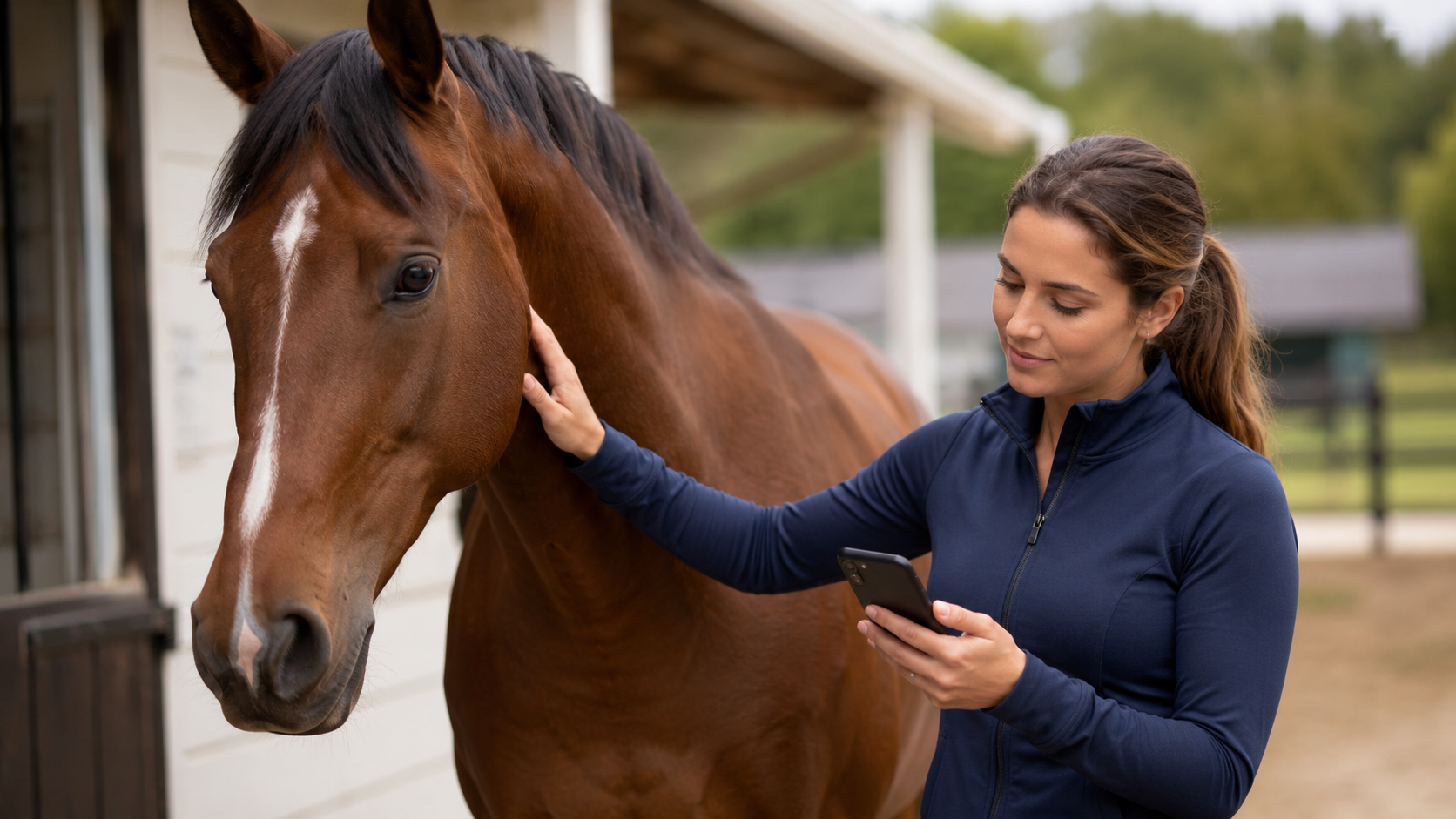
With Equio, every feed, supplement or treat is read against the horse's real profile (age, weight, Body Condition Score, conditions) — useful for a Adaev as soon as a metabolic or digestive sensitivity is known.
Health and points to watch
Weight monitoring is paramount to prevent metabolic problems. Particular attention should be paid to the condition of the feet, which, although robust, can suffer on very abrasive terrain. Regular dental checks are also important, especially for older horses.
- More frequent conditions: laminitis (if overfed), dental problems (related to age and wear from harsh pastures)
Care and grooming
Care for the Adaev horse is relatively simple. Its hard hooves require regular trimming but can often go unshod on suitable terrain. Its mane and tail are generally thick and may require occasional detangling. Its rustic coat does not demand special care, and clipping is rarely necessary, except for sport horses in intense work. Skin monitoring is recommended in cases of prolonged wet conditions, although it is adapted to dry climates.
Did you know?
- The Adaev horse is capable of covering hundreds of kilometers in the desert with very little water and food, an essential adaptation to its original environment.
- It is often used in traditional Kazakh equestrian games, such as Kokpar (a type of polo played with a goat carcass).
- Its robustness and frugality make it an excellent choice for equestrian ecotourism in arid regions.
The Adaev and how to track it
The Adaev breed is very rare in France and is not significantly bred there. A few individuals may be present, imported by endurance enthusiasts or those interested in rustic breeds, but it does not constitute a common breeding or utility breed in French territory.
Equio lets you build a complete profile for a Adaev: identity, weight, Body Condition Score, feeding, conditions, care reminders (vaccines, worming, trimming) and an exportable health log. The breed sets the identity; everyday decisions still depend on the real horse and your vet's advice.
- Record the activity level: rest, leisure, sport or breeding
- Add known conditions or sensitivities
- Scan feeds, plants and care products
- Keep reminders (vaccines, worming, trimming)
- Prepare a PDF export before a vet appointment
Frequently asked questions
Is the Adaev horse suitable for beginners?
Yes, its calm temperament and docility make it potentially suitable for beginner riders, provided they are supervised and the horse has been properly trained. Its robustness also forgives certain management errors.
What is the cost of an Adaev horse?
The cost of an Adaev horse is highly variable and difficult to estimate in France, as the breed is rare. Generally, prices depend on age, sex, bloodlines, training, and geographical location. Importing from Kazakhstan would incur significant additional costs.
Can the Adaev horse live outdoors all year round?
Absolutely. The Adaev horse is a rustic breed perfectly adapted to living outdoors all year round, even in difficult climatic conditions, provided it has natural or artificial shelter from the elements and a diet adapted to its thrifty metabolism.
Is it a good endurance horse?
Yes, the Adaev horse is an excellent endurance horse. It is renowned for its stamina, its ability to cover long distances with great energy efficiency, and its rapid recovery, qualities forged by centuries of natural and human selection in demanding environments.
What are the specific characteristics of its diet?
The Adaev horse is very economical and must be fed cautiously. It primarily needs good quality forage in sufficient quantities. Concentrates should be limited and adapted to its activity level to prevent obesity and metabolic problems such as laminitis or EMS.