
Horse breed
Akhal-Teke
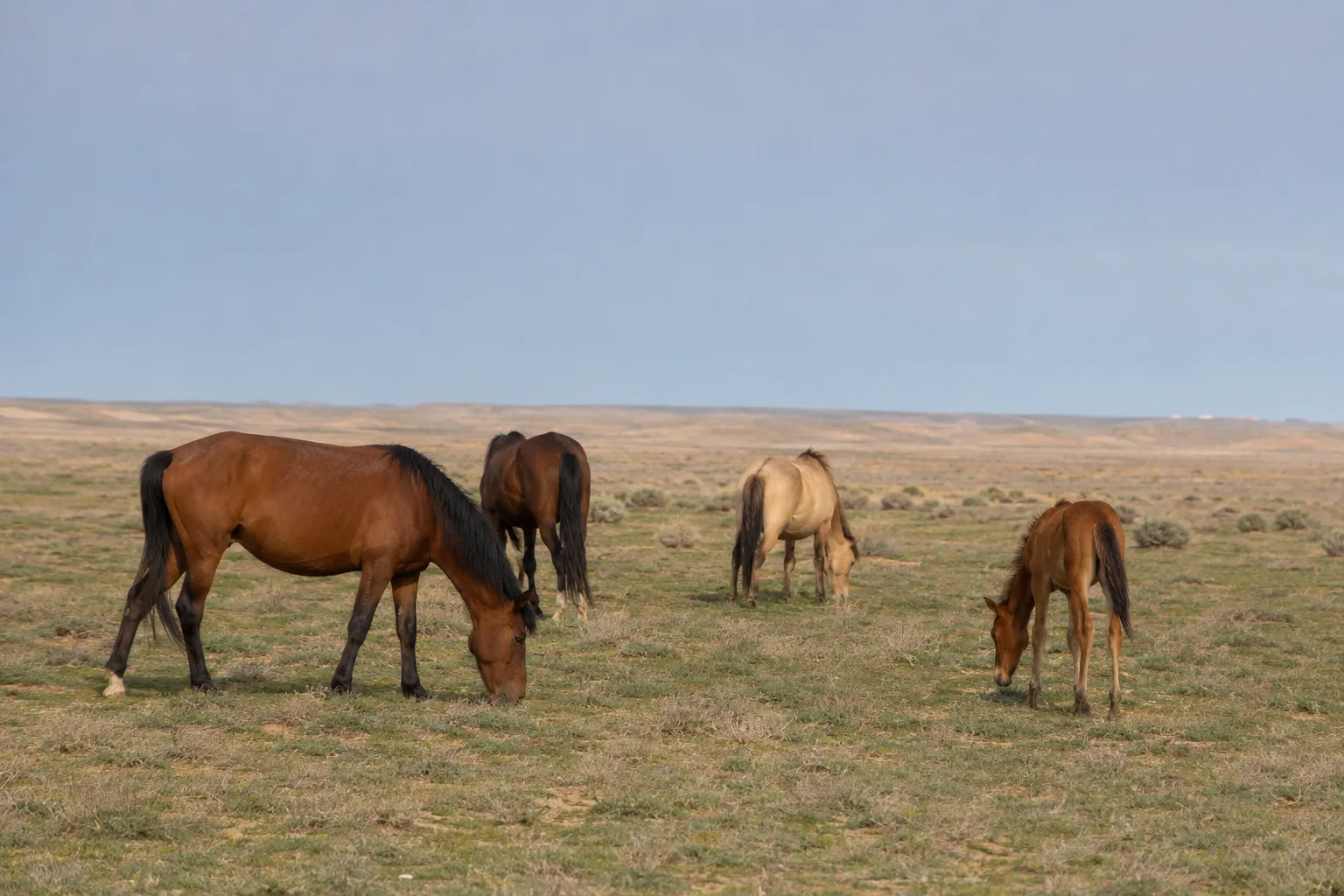
The Akhal-Teke is one of the oldest horse breeds in the world, directly descending from ancient Central Asian horses. Bred by the Teke tribes in the Akhal oasis, it was selected for its speed, endurance, and resilience in extreme desert conditions.
The breed at a glance
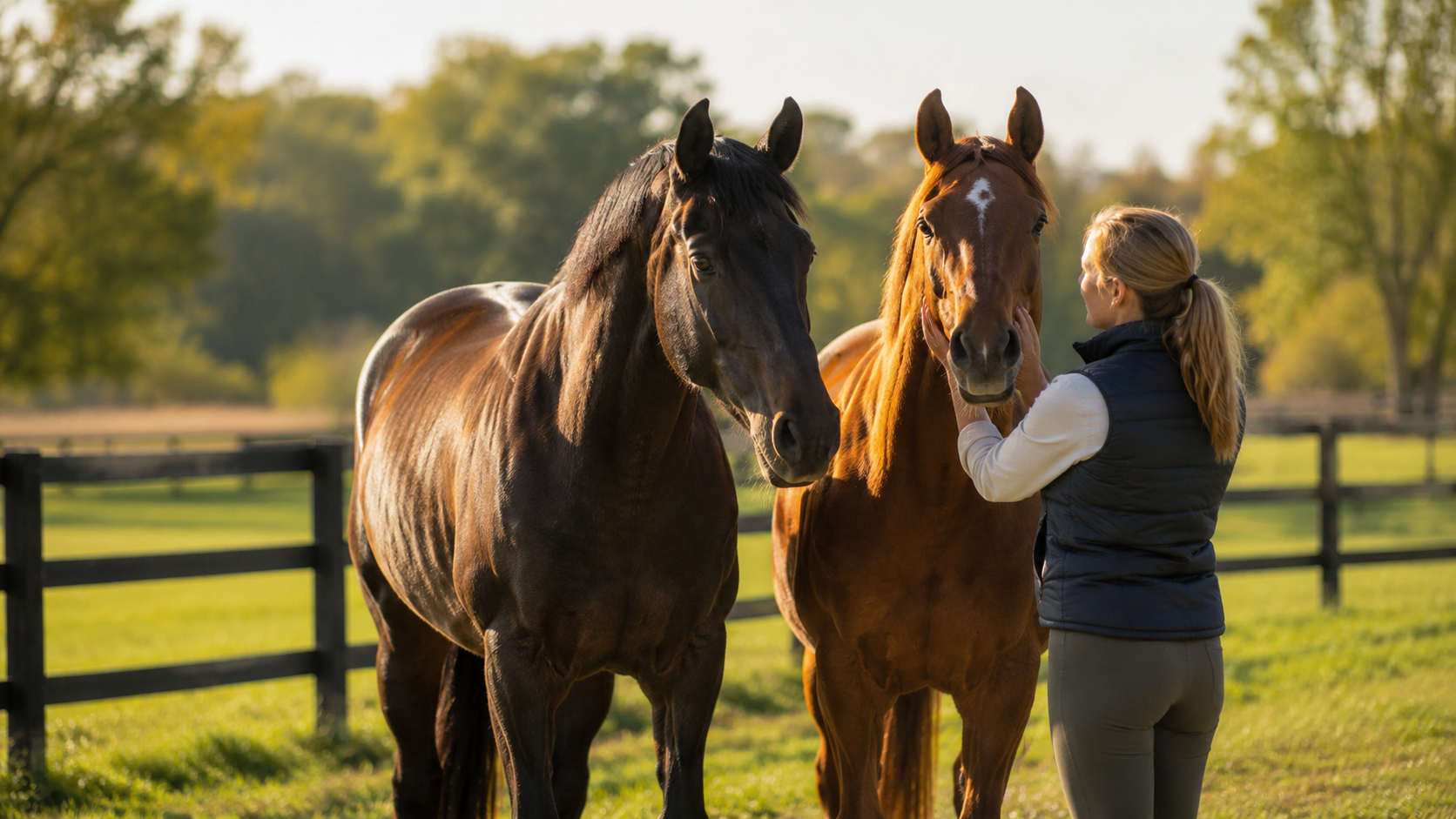
The Akhal-Teke is renowned for its lively, sensitive, and intelligent temperament. It forms a very close bond with its rider, often described as a 'one-person horse', loyal and courageous. It requires gentle but firm training and a relationship built on trust.
- Category
- hot-blooded horse
- Origin
- Turkmenistan · Antiquity (over 3000 years old)
- Height at withers
- 155–165 cm
- Weight
- 450–500 kg
- Lifespan
- 25-30 years
- Common coats
- bay, chestnut, grey, black, palomino, cremello, perlino, dun, smoky black
- Disciplines
- Endurance, Dressage, Show Jumping, Eventing
- Other names
- Akhal Teke, Cheval Céleste
Origin and history
The Akhal-Teke is one of the oldest horse breeds in the world, directly descending from ancient Central Asian horses. Bred by the Teke tribes in the Akhal oasis, it was selected for its speed, endurance, and resilience in extreme desert conditions. The breed was officially recognized and a studbook was established in Russia at the beginning of the 20th century. It is considered a historical war and racehorse.

Conformation and physique
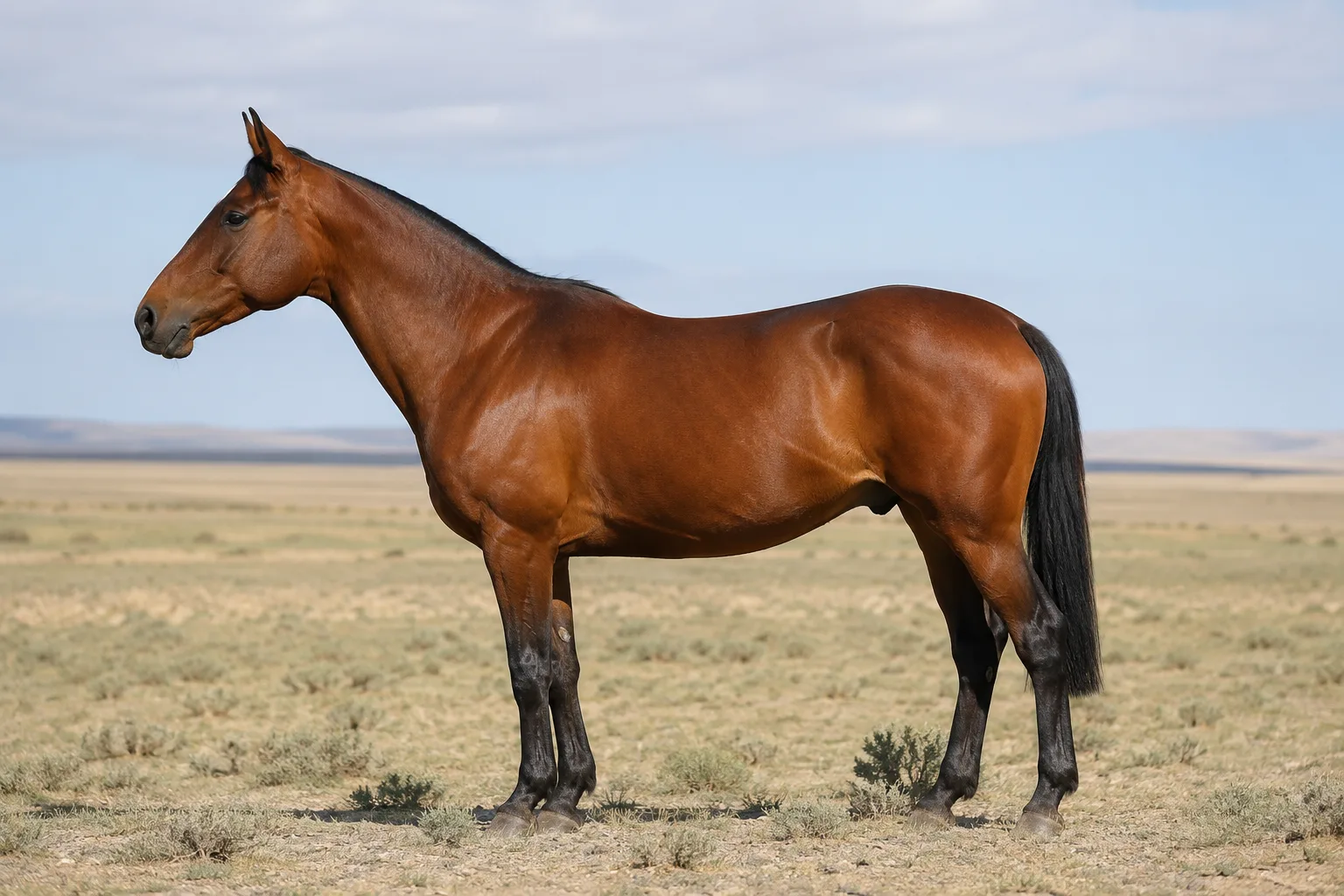
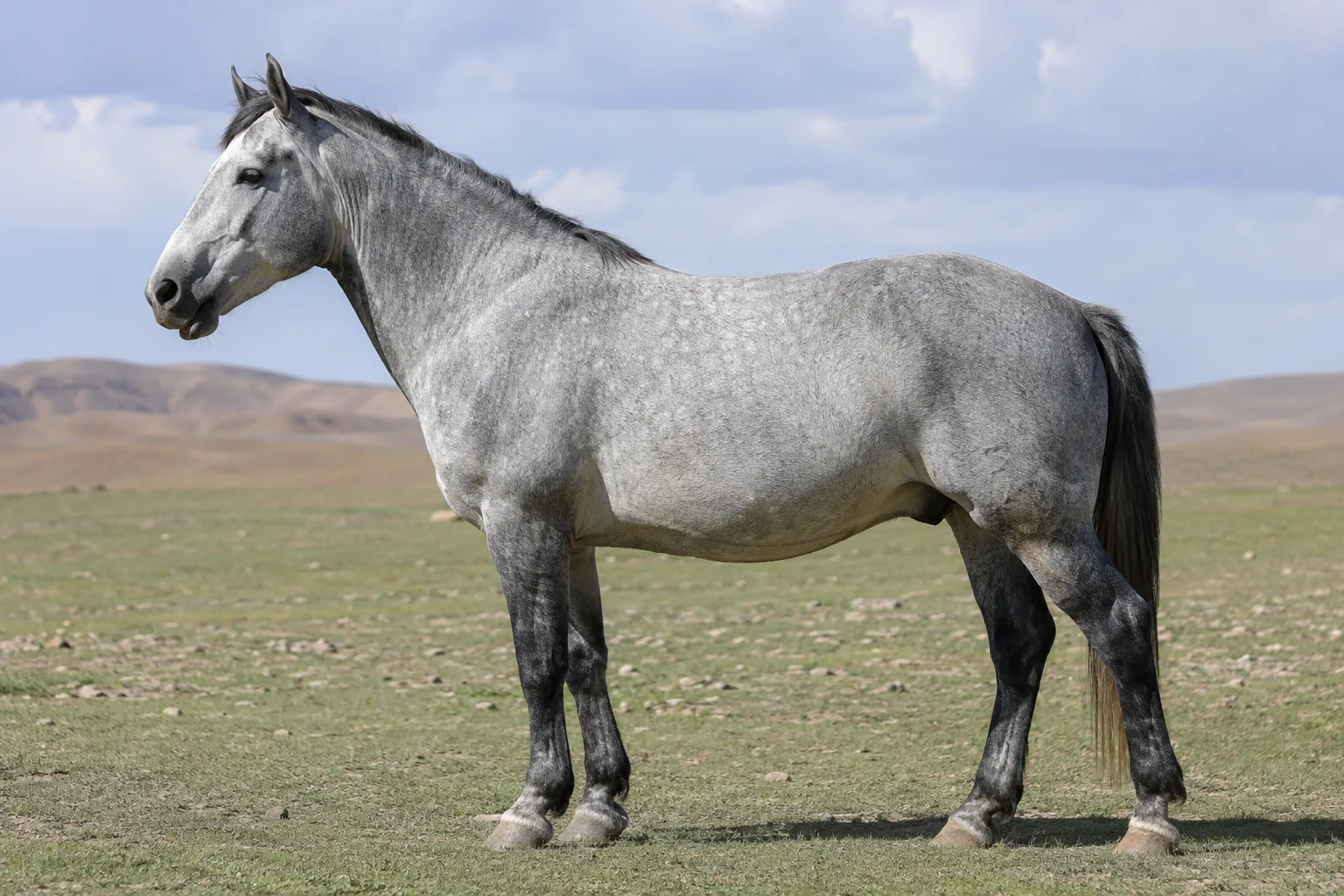
A long-lined, elegant, and athletic horse, with fine yet dense bone structure. Its silhouette is often described as that of a greyhound, with lean and well-defined musculature, reflecting its adaptation to endurance.
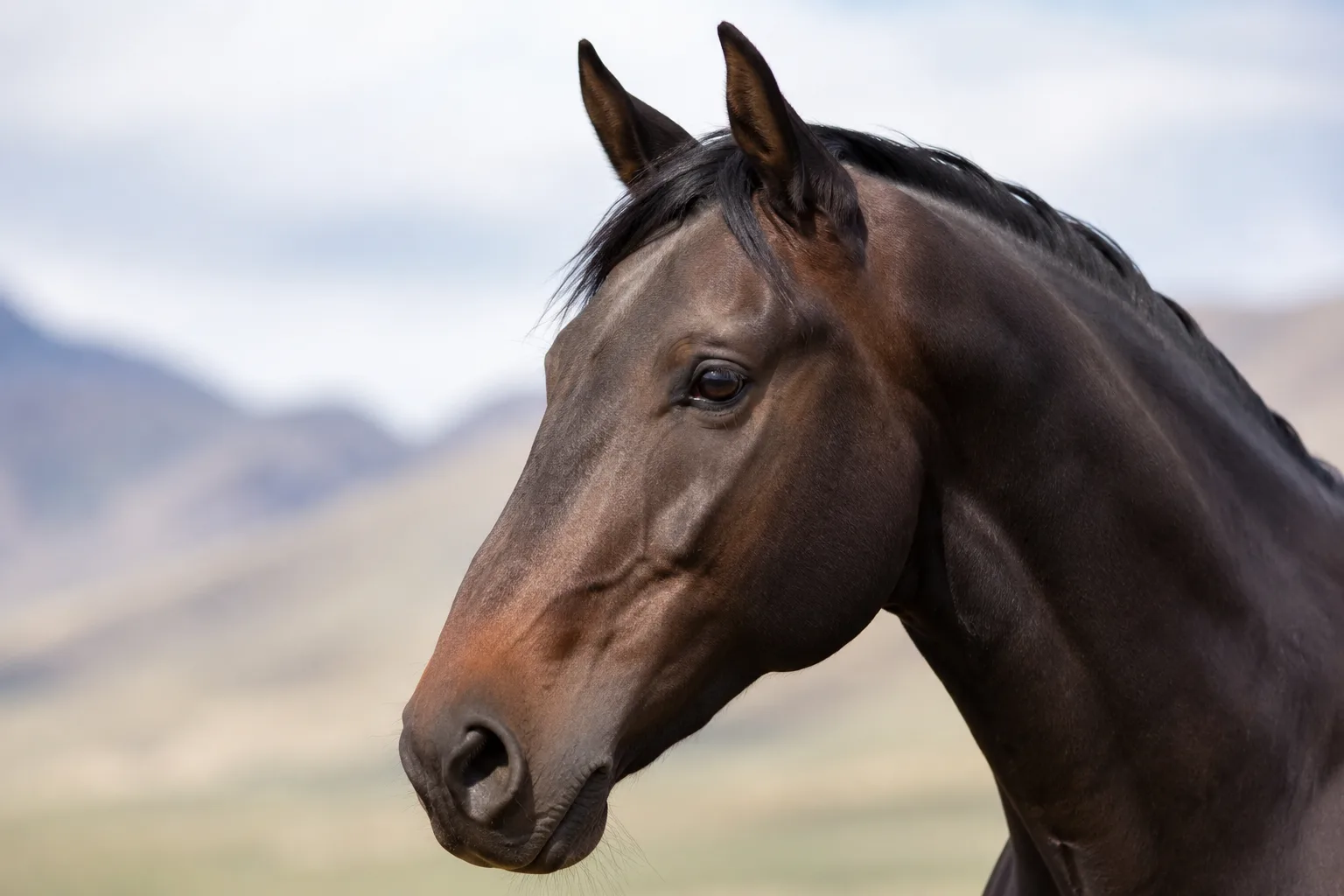
Fine, dry head, often long, with a straight or slightly convex profile. The eyes are large, expressive, and often almond-shaped. The ears are long, fine, and very mobile.
Long, fine, and straight neck, set high, carrying the head elegantly. The withers are high and long, extending far back into the back.
Long and straight back, sometimes slightly dipped. The topline is harmonious. The chest is narrow and deep. The croup is long, muscular, and often slightly sloped.
Long, fine, and dry limbs, with well-defined joints and very clean tendons. The cannons are short and the pasterns are long. The hooves are small, hard, and well-formed. Feathering is rare or very sparse.
- Common coats: bay, chestnut, grey, black, palomino, cremello, perlino, dun, smoky black
Temperament and aptitudes
The Akhal-Teke is renowned for its lively, sensitive, and intelligent temperament. It forms a very close bond with its rider, often described as a 'one-person horse', loyal and courageous. It requires gentle but firm training and a relationship built on trust.
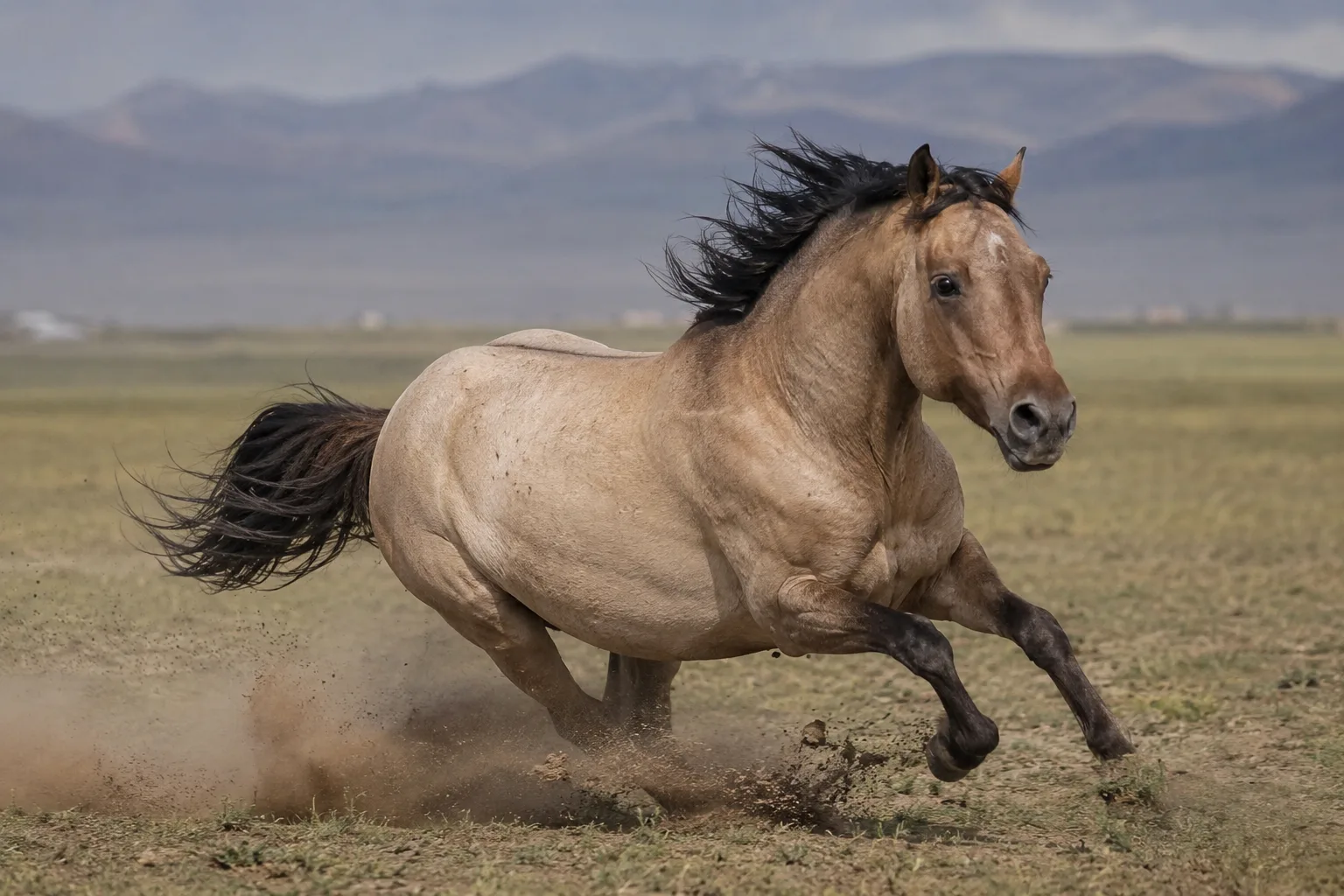
Its gaits are expansive, supple, and very energetic, with great elasticity. The walk is long, the trot is airy, and the canter is fast and ground-covering, demonstrating its natural endurance.
- Uses: racehorse, warhorse, saddle horse, sport horse, endurance riding, dressage, show jumping
- Disciplines: Endurance, Dressage, Show Jumping, Eventing
Feeding the Akhal-Teke
The Akhal-Teke is a horse with an efficient metabolism, adapted to desert conditions and capable of thriving on medium-quality forage. It tends to gain weight if overfed or sedentary. A diet rich in fiber (good quality hay ad libitum) is paramount. Concentrates should be given sparingly and adjusted to the intensity of work, favoring non-starchy energy sources for equine athletes.
While generally robust, its efficient metabolism can make it potentially more susceptible to dietary imbalances. It may be predisposed to laminitis or Equine Metabolic Syndrome (EMS) if overfed or on a diet too rich in sugars and starch, especially if it lacks exercise. Careful management of non-structural carbohydrate intake is recommended.
With Equio, every feed, supplement or treat is read against the horse's real profile (age, weight, Body Condition Score, conditions) — useful for a Akhal-Teke as soon as a metabolic or digestive sensitivity is known.
Health and points to watch
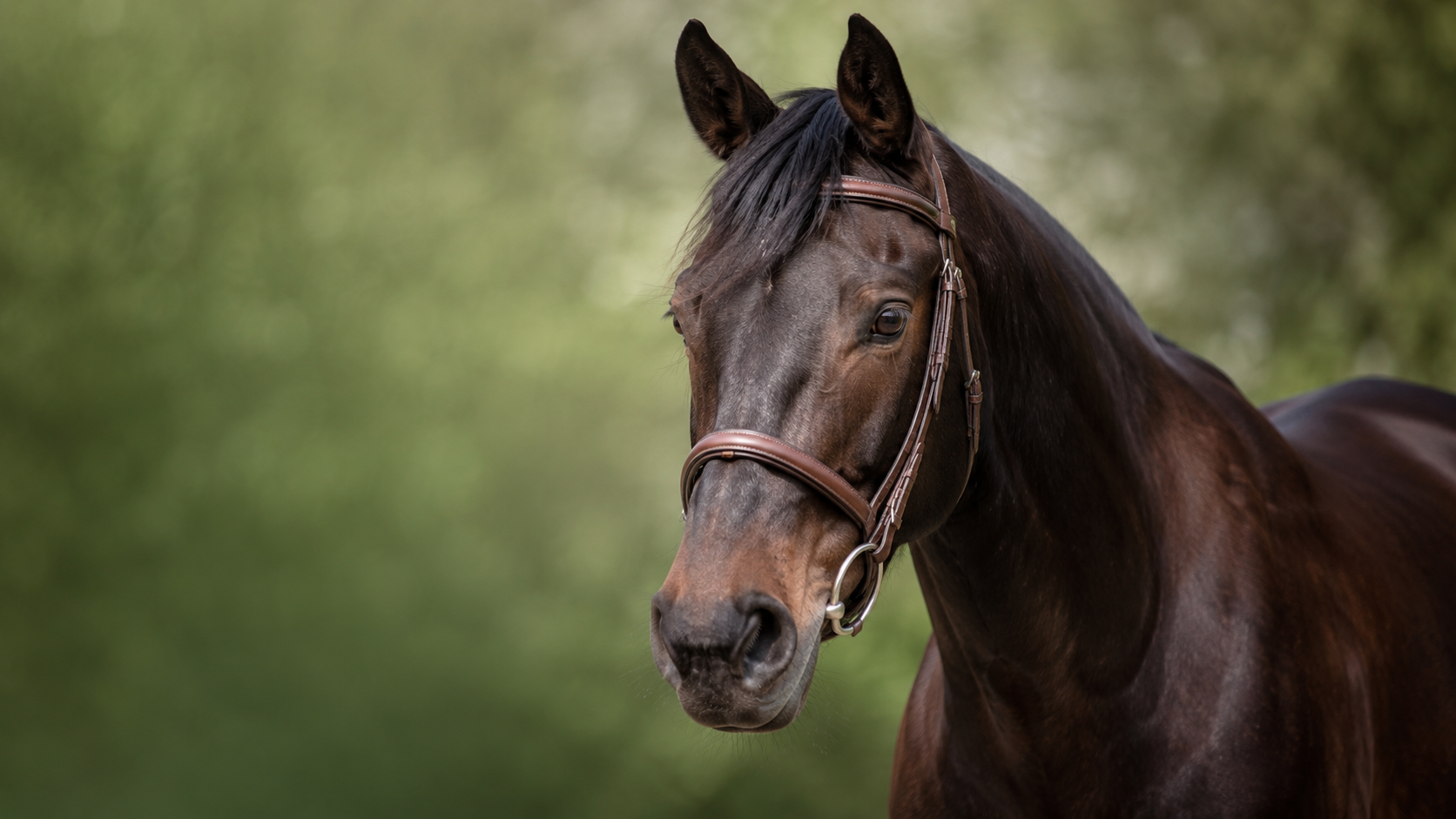
Particular attention should be paid to the Akhal-Teke's thin skin, which is prone to sunburn or irritation. Regular dental monitoring is important due to its head shape. As with any equine athlete, regular orthopedic follow-up is advised to prevent locomotor disorders.
- Documented genetic disorders: Naked Foal Syndrome (NFS)
- More frequent conditions: Dental problems (related to head morphology), Skin sensitivity (thin skin)
Care and grooming
The hooves, often small and hard, require regular and precise trimming. The mane and tail are generally fine and sparse, not requiring excessive maintenance. The fine, shiny coat is easy to care for, but its thin skin may require sun protection in summer. Particular attention to skin care is recommended.
Did you know?
- The Akhal-Teke is famous for its unique metallic sheen, often compared to gold or silver, due to a particular hair structure that reflects light.
- An Akhal-Teke named Absent, ridden by Sergei Filatov, won the gold medal in dressage at the Rome Olympic Games in 1960 and two bronze medals at the Tokyo Olympics in 1964.
- The breed is the national symbol of Turkmenistan and is featured on the country's coat of arms.
The Akhal-Teke and how to track it
The Akhal-Teke breed is present in France but remains niche. A few breeding operations have developed, mainly for sport (dressage, endurance) and the breeding of quality leisure horses.
Equio lets you build a complete profile for a Akhal-Teke: identity, weight, Body Condition Score, feeding, conditions, care reminders (vaccines, worming, trimming) and an exportable health log. The breed sets the identity; everyday decisions still depend on the real horse and your vet's advice.
- Record the activity level: rest, leisure, sport or breeding
- Add known conditions or sensitivities
- Scan feeds, plants and care products
- Keep reminders (vaccines, worming, trimming)
- Prepare a PDF export before a vet appointment
Frequently asked questions
What is the price of an Akhal-Teke?
The price of an Akhal-Teke varies considerably depending on its age, lineage, level of training, and athletic potential. Generally, expect to pay between €8,000 and €30,000 for a foal or young horse, and significantly more for a proven horse or one from a prestigious bloodline.
Is the Akhal-Teke a good horse for beginners?
Due to its sensitive, lively temperament and intelligence, the Akhal-Teke is generally not recommended for beginner riders. It is better suited for an experienced, patient rider capable of establishing a trusting relationship and understanding its subtlety.
How do you maintain the Akhal-Teke's shiny coat?
The Akhal-Teke's naturally shiny coat does not require specific maintenance beyond regular grooming. A balanced diet rich in essential fatty acids also contributes to the quality of its coat. A soft brush and a microfiber cloth are often sufficient to bring out its metallic sheen.
Is the Akhal-Teke resistant to cold?
Originating from the desert, the Akhal-Teke is very resistant to temperature variations, tolerating both extreme heat and dry cold. Its fine coat does not protect it from wet and cold weather, so it will appreciate shelter in winter in case of rain or strong wind.
What are the rarest colors in the Akhal-Teke?
All coat colors are accepted, but diluted coats such as cremello, perlino, palomino, or buckskin are particularly sought after for their golden or silver sheen. Smoky black (black diluted by a cream gene) is also a rare and highly prized coat color.