
Horse breed
Vyatka
The Vyatka is an ancient breed originating from the Kirov region (formerly Vyatka) in Russia. It likely descends from crosses between local taiga horses and Estonian horses (Klepper) imported by Novgorod settlers.
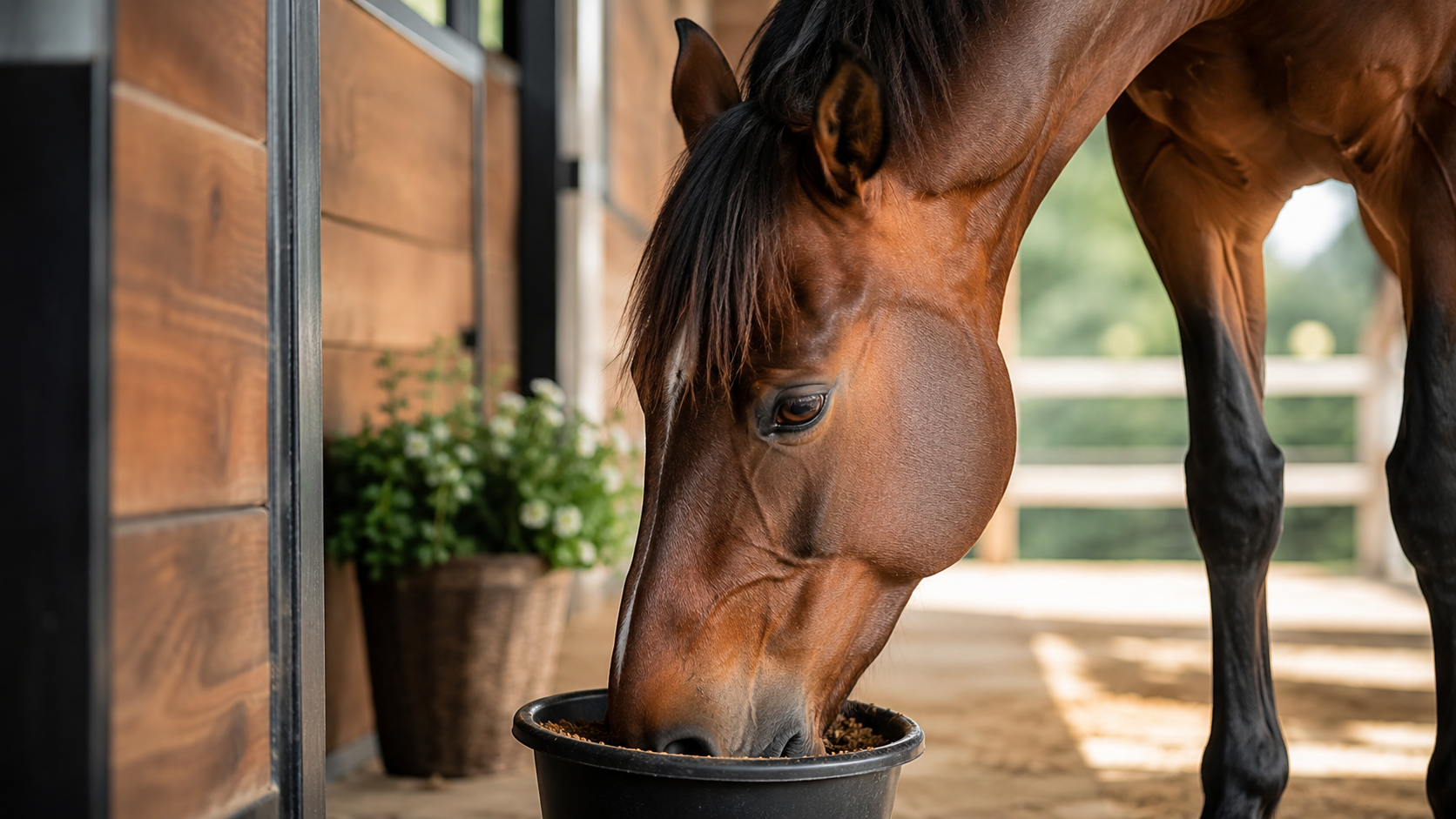
The breed at a glance
The Vyatka is known for its calm, docile, and reliable temperament. It is intelligent, willing, and easy to handle, making it an excellent family and working horse. Its robustness and patience are highly valued.
- Category
- hardy breed
- Origin
- Russia · 17th century
- Height at withers
- 137–145 cm
- Weight
- 350–400 kg
- Lifespan
- 25-30 years
- Common coats
- grullo, bay, chestnut
- Disciplines
- leisure driving, equestrian trail riding, outdoor riding
- Other names
- Viatka, Vyatka Horse
Origin and history
The Vyatka is an ancient breed originating from the Kirov region (formerly Vyatka) in Russia. It likely descends from crosses between local taiga horses and Estonian horses (Klepper) imported by Novgorod settlers. The breed developed in harsh climatic conditions, fostering its robustness and resilience. It was officially recognized and a studbook was established in the 20th century, although its population has experienced significant declines.
Conformation and physique
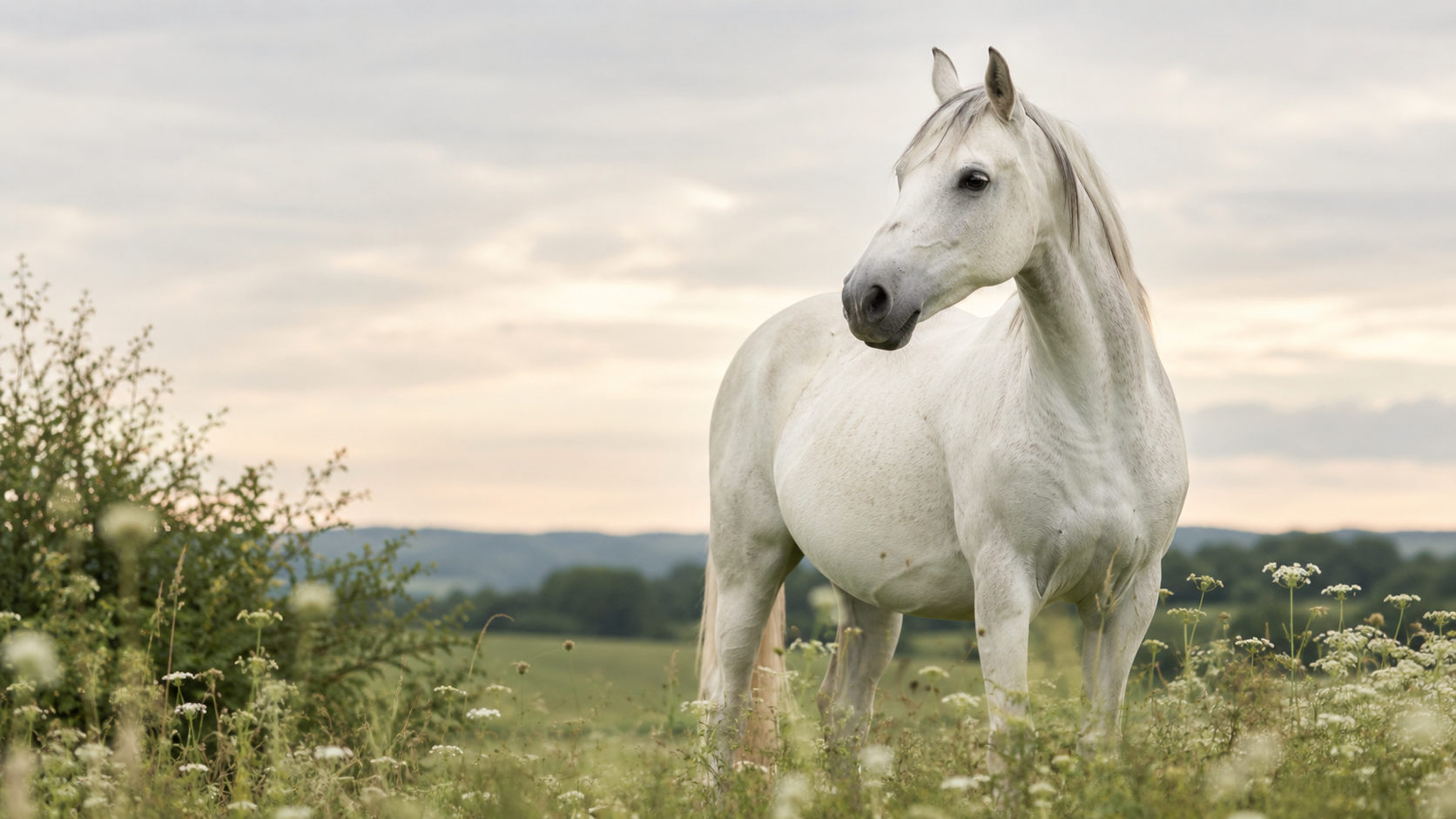
The Vyatka is a pony or small horse of compact and stocky build, with a solid bone structure and well-developed musculature. It presents a typical silhouette of hardy breeds, adapted to cold climates and difficult terrain.
Medium-sized head, with a straight or slightly concave profile, a broad forehead, and expressive eyes. The ears are small and well-placed.
Short, thick, and muscular neck, well-set. The withers are not very pronounced, blending harmoniously into the back.
Broad and short back, straight and strong topline. Deep and broad chest, well-sprung ribs. Rounded and muscular croup, often double.
Short, strong, and clean limbs, with well-defined joints and robust tendons. The hooves are hard and well-formed. Light feathers may be present.
- Common coats: grullo, bay, chestnut
Temperament and aptitudes
The Vyatka is known for its calm, docile, and reliable temperament. It is intelligent, willing, and easy to handle, making it an excellent family and working horse. Its robustness and patience are highly valued.
The gaits are energetic, regular, and sure-footed, with good impulsion. The Vyatka is renowned for its fast walk and active, very enduring trot.
- Uses: light draft horse, pack horse, driving, recreational riding, trail riding, agricultural work horse
- Disciplines: leisure driving, equestrian trail riding, outdoor riding
Feeding the Vyatka
The Vyatka is a very economical breed, accustomed to harsh conditions and capable of utilizing poor quality forage. It has an efficient metabolism and is prone to becoming overweight if its diet is not controlled. A diet based primarily on good quality forage (hay, grass) is sufficient for most individuals. Concentrates are only necessary in cases of intense work or specific needs (gestation, lactation) and should be given sparingly.
Due to its economical metabolism, the Vyatka can be predisposed to Equine Metabolic Syndrome (EMS) and laminitis if overfed or if it has unlimited access to rich pastures. Careful management of diet and exercise is crucial to prevent these conditions.
With Equio, every feed, supplement or treat is read against the horse's real profile (age, weight, Body Condition Score, conditions) — useful for a Vyatka as soon as a metabolic or digestive sensitivity is known.
Health and points to watch
Regular monitoring of weight and body condition is essential to prevent obesity and associated metabolic problems. Hooves should be inspected frequently for any signs of laminitis. A suitable deworming and vaccination program is recommended.
- More frequent conditions: laminitis, Equine Metabolic Syndrome (EMS)
Care and grooming
The Vyatka's hooves are generally very hard and resilient, requiring regular trimming but often less frequent than other breeds. Its mane and tail are thick and abundant, requiring regular detangling to prevent knots. Its dense coat protects it well from the cold, and clipping is generally not necessary except for aesthetic reasons or intense work. Particular attention should be paid to the skin under the thick hair to prevent irritations.
Did you know?
- The Vyatka is often characterized by its grullo (mouse dun) coat with a dorsal stripe and leg barring, a primitive marking.
- It is renowned for its ability to survive and work in extreme winter conditions, typical of Russia.
- Despite its small size, the Vyatka is surprisingly strong and enduring, capable of pulling significant loads.
The Vyatka and how to track it
The Vyatka breed is very rare in France, with an almost non-existent population. There is no significant breeding or widespread use of this breed on French territory.
Equio lets you build a complete profile for a Vyatka: identity, weight, Body Condition Score, feeding, conditions, care reminders (vaccines, worming, trimming) and an exportable health log. The breed sets the identity; everyday decisions still depend on the real horse and your vet's advice.
- Record the activity level: rest, leisure, sport or breeding
- Add known conditions or sensitivities
- Scan feeds, plants and care products
- Keep reminders (vaccines, worming, trimming)
- Prepare a PDF export before a vet appointment
Frequently asked questions
Is the Vyatka a good horse for beginners?
Yes, the Vyatka is generally considered an excellent horse for beginners and children thanks to its calm, docile temperament and reliability. Its small size and robustness also make it very safe.
What is the most typical coat color of the Vyatka?
The most typical and emblematic coat color of the Vyatka is grullo (mouse dun), often accompanied by a dorsal stripe and leg barring, which are primitive markings characteristic of the breed.
Is the Vyatka suited to hot climates?
Originating from cold regions, the Vyatka is very well adapted to harsh climates. While it can adapt to more temperate climates, it might suffer from intense heat and would require additional precautions (shade, cool water, adapted work) in very hot regions.
Is the Vyatka an endangered breed?
Yes, the Vyatka is considered a rare and endangered breed. Conservation efforts are underway in Russia to preserve and increase its population, which sharply declined during the 20th century.
What type of work can the Vyatka do?
The Vyatka is versatile. Historically used for light draft, pack, and harness work, it today excels in recreational riding, trekking, and sport driving. Its robustness and endurance make it an excellent partner for outdoor activities.