
Horse breed
Breton Draft Horse
Originating from indigenous horses of Brittany, the Breton Draft Horse was influenced by crosses with Oriental breeds, Ardennais, and Percherons over the centuries. It was historically used for agriculture, transport, and artillery.
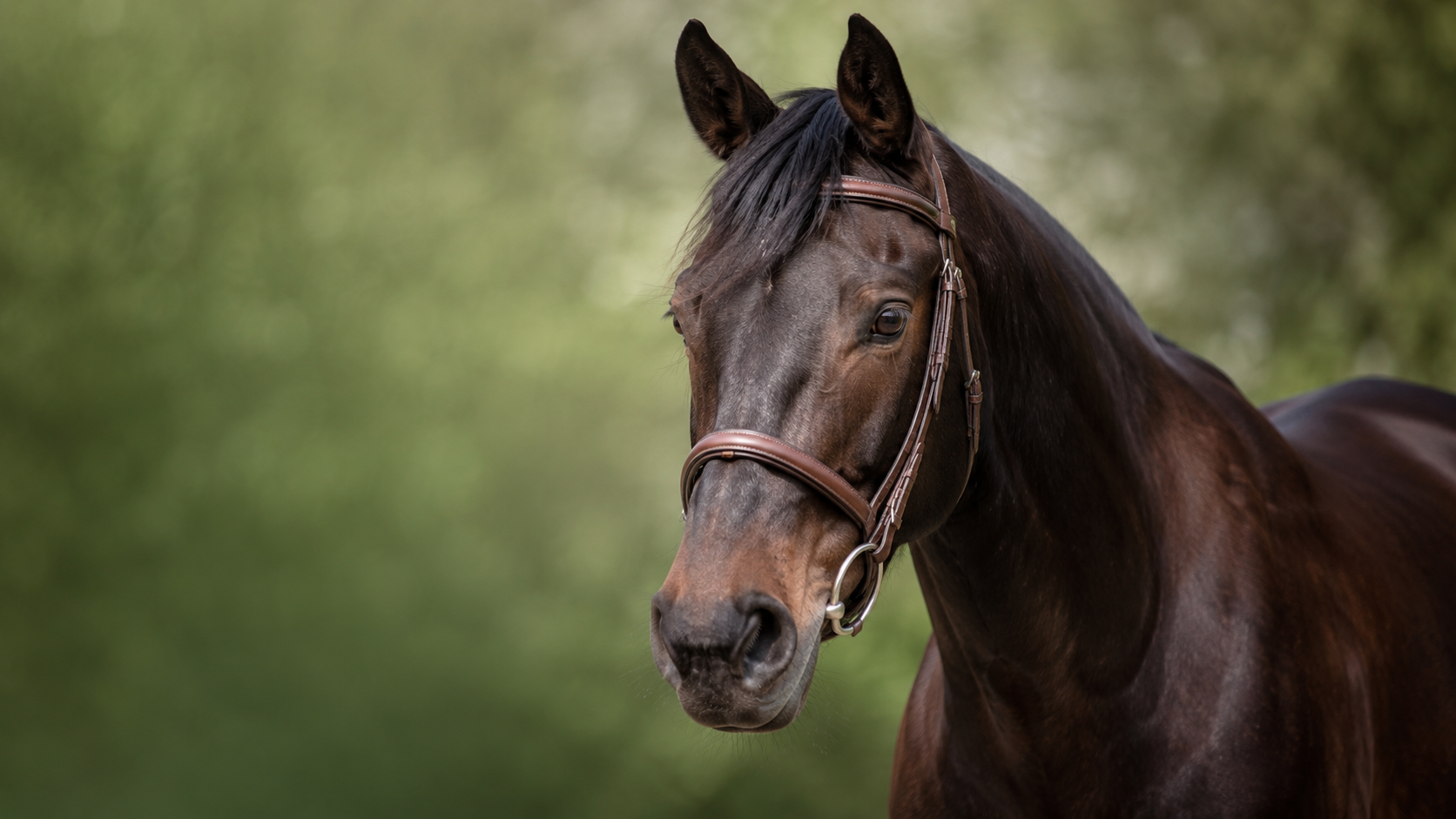
The breed at a glance
The Breton Draft Horse is renowned for its calm, gentle, and docile temperament. It is a willing, courageous horse that is very close to humans, making it easy to handle and train. It is also very enduring and hardworking.
- Category
- draft horse
- Origin
- France · Middle Ages (established in the 19th century)
- Height at withers
- 158–165 cm
- Weight
- 700–900 kg
- Lifespan
- 20-25 years
- Common coats
- chestnut, roan, bay, grey
- Disciplines
- traditional driving, competition driving, sport logging
- Other names
- Breton
Origin and history
Originating from indigenous horses of Brittany, the Breton Draft Horse was influenced by crosses with Oriental breeds, Ardennais, and Percherons over the centuries. It was historically used for agriculture, transport, and artillery. The breed was officially recognized and its studbook created at the end of the 19th century, with a distinction between the Postier Breton and the heavy Breton Draft Horse.

Conformation and physique
A medium to large-sized draft horse, powerful and compact, with strong bone structure and well-developed musculature. It presents a harmonious and robust silhouette, typical of draft horses. The body is short-coupled and well-balanced.
Square, expressive head, with a broad forehead and a straight or slightly concave profile. The eyes are lively and intelligent, the ears short and well-set.
Short, thick, and very muscular neck, well-set on a broad, low-set wither. It is powerful and arched, typical of a draft horse.
Short and broad back, taut and muscular topline. Deep and broad chest, well-sprung ribs. Broad, double-muscled hindquarters, very muscular and slightly sloped, with a low-set tail.
Short, strong, and muscular limbs, with large and sound joints. The cannons are short and the feet are large, round, and well-proportioned. Abundant and silky feathering is present.
- Common coats: chestnut, roan, bay, grey
Temperament and aptitudes
The Breton Draft Horse is renowned for its calm, gentle, and docile temperament. It is a willing, courageous horse that is very close to humans, making it easy to handle and train. It is also very enduring and hardworking.
Short, energetic, and powerful gaits, with good impulsion. The walk is ample and regular, the trot is active and balanced, demonstrating its strength and pulling capacity.
- Uses: agricultural work (plowing, logging), recreational and competitive driving, horse-drawn traction (tourism, green space maintenance), meat production, military remount (historically)
- Disciplines: traditional driving, competition driving, sport logging
Feeding the Breton Draft Horse
The Breton Draft Horse has a rather efficient metabolism, capable of efficiently utilizing forage. It tends to gain weight if not sufficiently worked or if its diet is too rich. A base of good quality hay fed ad libitum is essential, supplemented with concentrates only if the work is intense, ensuring not to overload with sugars and starch.
Like many draft horses with an efficient metabolism, the Breton Draft Horse can be predisposed to Equine Metabolic Syndrome (EMS) and laminitis if overfed or sedentary. Careful monitoring of its weight and a diet controlled in sugars and starch are recommended to prevent these conditions.
With Equio, every feed, supplement or treat is read against the horse's real profile (age, weight, Body Condition Score, conditions) — useful for a Breton Draft Horse as soon as a metabolic or digestive sensitivity is known.

Health and points to watch
Carefully monitor weight to prevent obesity and the risk of laminitis. Ensure regular and appropriate hoof trimming, as the feet are robust but can be prone to problems if poorly maintained. Particular attention should be paid to the joints, especially in horses subjected to heavy draft work.
- More frequent conditions: laminitis, Equine Metabolic Syndrome (EMS), joint conditions due to weight and intense work
Care and grooming
Abundant feathering requires regular brushing to prevent mud accumulation and dermatological conditions. The hooves, although strong, must be regularly trimmed by a competent farrier to maintain their balance and integrity. The dense coat requires regular brushing, especially during shedding season.
Did you know?
- The Breton Draft Horse is one of the rare draft breeds to have been used for light cavalry and artillery remounts, particularly during World War I.
- There are two main types within the breed: the heavy Breton Draft Horse, which is more massive, and the Postier Breton, which is lighter and faster, formerly used to pull stagecoaches and postal carriages.
- The very characteristic roan coat is particularly appreciated and sought after in the Breton Draft Horse.
The Breton Draft Horse and how to track it
The Breton Draft Horse is one of the most popular draft breeds in France, with a stable population and dynamic breeding. It is widely used for recreational driving, logging, and green space maintenance, contributing to the preservation of equine heritage.
Equio lets you build a complete profile for a Breton Draft Horse: identity, weight, Body Condition Score, feeding, conditions, care reminders (vaccines, worming, trimming) and an exportable health log. The breed sets the identity; everyday decisions still depend on the real horse and your vet's advice.
- Record the activity level: rest, leisure, sport or breeding
- Add known conditions or sensitivities
- Scan feeds, plants and care products
- Keep reminders (vaccines, worming, trimming)
- Prepare a PDF export before a vet appointment
Frequently asked questions
What is the average price of a Breton Draft Horse?
The price of a Breton Draft Horse varies considerably depending on its age, training level, lineage, and potential. A young, unbroken horse can cost between 2,000 and 4,000 euros, while a broken and harnessed horse can reach 5,000 to 10,000 euros, or even more for exceptional or competition-level individuals.
Is the Breton Draft Horse suitable for beginners?
Yes, thanks to its calm, gentle, and docile temperament, the Breton Draft Horse is often recommended for beginners and less experienced riders. Its strength and stability make it a reassuring partner, although it requires consistent and respectful training.
What are the main differences between the Breton Draft Horse and the Postier Breton?
The Breton Draft Horse is generally heavier, more massive, and more powerful, intended for agricultural work and heavy draft. The Postier Breton, although of the same breed, is a lighter, more elegant, and faster type, historically selected for fast driving and passenger transport, with more supple gaits.
Can the Breton Draft Horse be ridden?
Yes, absolutely. Although primarily known for driving and draft work, the Breton Draft Horse is an excellent riding horse. Its calm temperament and strength make it a pleasant partner for trail riding, TREC, and even for light dressage or groundwork disciplines.
How to care for the feathering of the Breton Draft Horse?
The feathering of the Breton Draft Horse, often abundant, requires regular care to prevent skin problems. It is advisable to brush them daily to remove mud and debris, wash them with a mild shampoo if necessary, and dry them thoroughly to prevent dermatological conditions and mud fever.