
Horse breed
Tokara
The Tokara is an indigenous pony breed from Japan, originating from the Tokara Islands, south of Kyushu. Its history is ancient, with evidence of its presence dating back centuries.
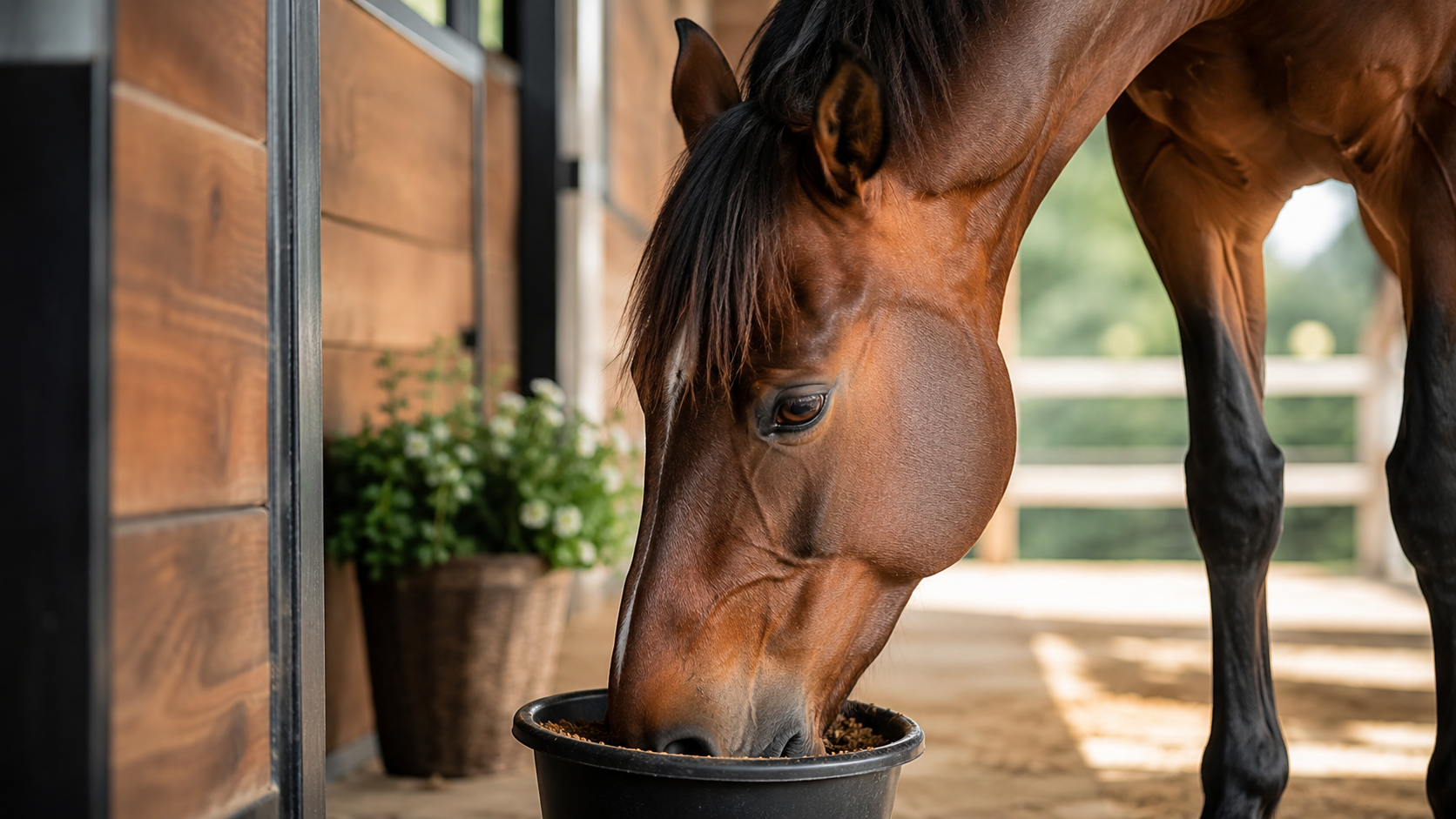
The breed at a glance
The Tokara is renowned for its calm, gentle, and docile temperament, making it an excellent companion. It is also courageous, enduring, and very hardy, capable of working in difficult conditions.
- Category
- hardy breed
- Origin
- Japan · Ancient times (established in the 18th century)
- Height at withers
- 100–120 cm
- Lifespan
- 25-30 years
- Common coats
- bay, black, chestnut
- Disciplines
- recreational riding, driving, groundwork
- Other names
- Tokara Uma, Tokara Pony
Origin and history
The Tokara is an indigenous pony breed from Japan, originating from the Tokara Islands, south of Kyushu. Its history is ancient, with evidence of its presence dating back centuries. The breed was officially recognized and registered in 1953, after being rediscovered on Nakanoshima Island. It played a crucial role in local agriculture and transportation on these isolated islands.
Conformation and physique
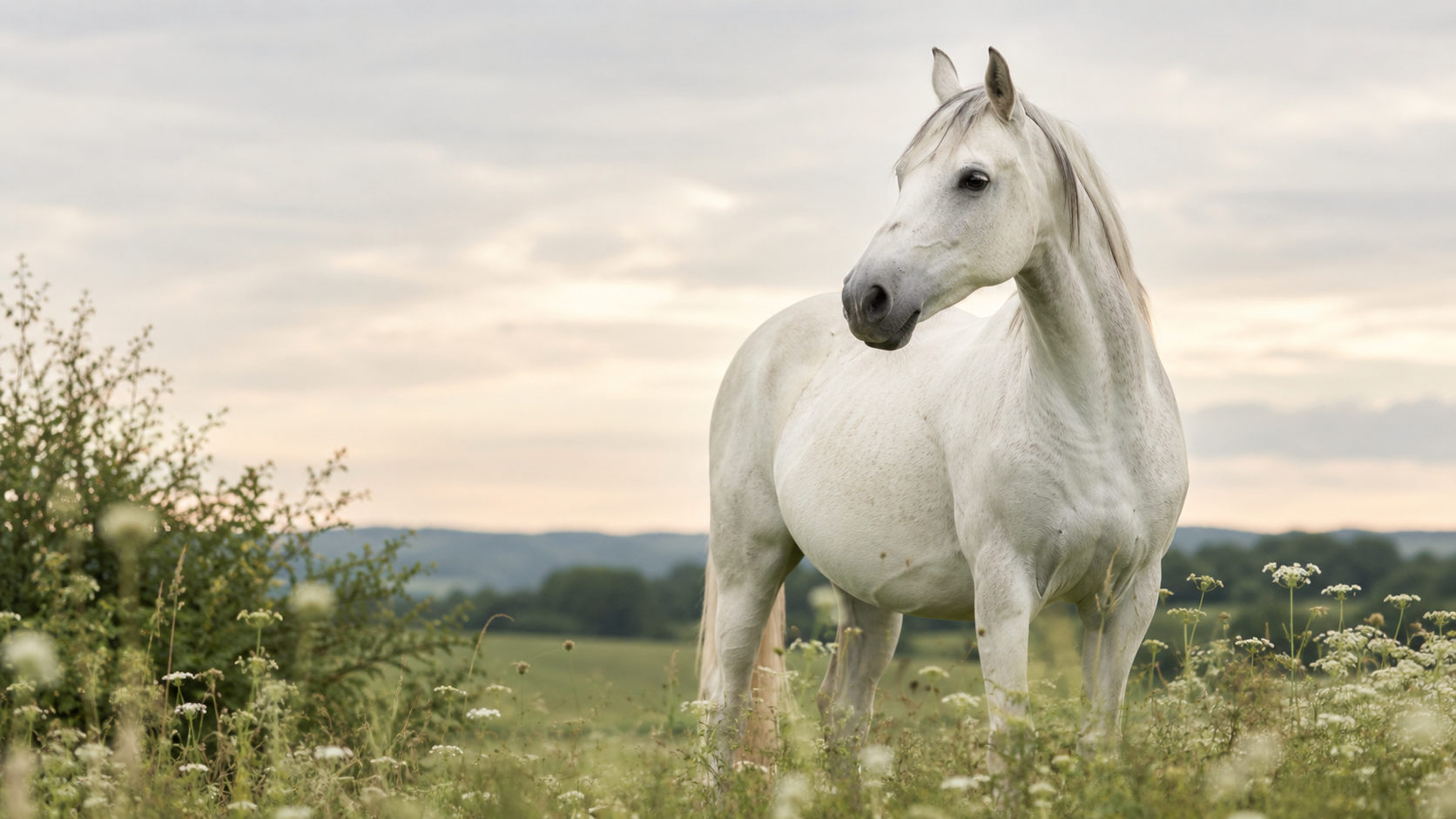
It is a small, compact, and robust pony, with a solid bone structure and well-developed musculature. It presents a typical silhouette of hardy breeds, adapted to a harsh environment.
The head is proportional to the body, with a straight or slightly concave profile. The eyes are expressive and the ears are medium-sized.
The neck is short and muscular, well-set, blending into a low-set wither.
The back is short and strong, the topline is straight. The chest is deep and wide, and the croup is rounded and muscular.
The limbs are short, strong, and well-conformed, with clean joints and hard, resilient hooves. Feathers are generally sparse.
- Common coats: bay, black, chestnut
Temperament and aptitudes
The Tokara is renowned for its calm, gentle, and docile temperament, making it an excellent companion. It is also courageous, enduring, and very hardy, capable of working in difficult conditions.
The gaits are straightforward, energetic, and sure-footed, with good stride length for its size. The Tokara is known for its ability to move with agility on rough terrain.
- Uses: light agricultural work, pack animal / carrying loads, children's riding, genetic preservation, light driving
- Disciplines: recreational riding, driving, groundwork
Feeding the Tokara
The Tokara is a very economical breed, accustomed to limited resources. Its metabolism is adapted to utilizing low-quality forage. It tends to become overweight if its diet is too rich. A diet based primarily on good quality hay and grass is sufficient, with concentrates only in cases of intense work or specific needs (gestation, lactation), and in small quantities.
Like many hardy breeds, the Tokara can be predisposed to Equine Metabolic Syndrome (EMS) and laminitis if overfed or exposed to pastures too rich in fructans. Careful dietary management is essential to prevent these conditions.
With Equio, every feed, supplement or treat is read against the horse's real profile (age, weight, Body Condition Score, conditions) — useful for a Tokara as soon as a metabolic or digestive sensitivity is known.
Health and points to watch
It is important to monitor the Tokara's weight and adjust its diet to avoid obesity and associated metabolic problems. Particular attention should be paid to hoof quality, although generally robust, to prevent podal conditions.
- More frequent conditions: laminitis, Equine Metabolic Syndrome (EMS)
Care and grooming
Tokara are hardy ponies that require basic care. Regular hoof trimming is essential, although they are renowned for their hardness. Regular brushing is sufficient for coat maintenance. The mane, tail, and feathers are generally sparse and do not require specific care, except for aesthetic purposes.
Did you know?
- The Tokara was declared a National Natural Monument of Japan in 1953, highlighting its cultural and biological importance.
- The breed almost disappeared after World War II, but a small group of individuals was found on Nakanoshima Island, allowing for its preservation.
- It is one of the eight indigenous horse breeds of Japan, all considered national treasures.
The Tokara and how to track it
The Tokara is a very rare breed outside Japan. Its presence in France is anecdotal, limited to a few individuals imported for preservation or curiosity, without structured breeding.
Equio lets you build a complete profile for a Tokara: identity, weight, Body Condition Score, feeding, conditions, care reminders (vaccines, worming, trimming) and an exportable health log. The breed sets the identity; everyday decisions still depend on the real horse and your vet's advice.
- Record the activity level: rest, leisure, sport or breeding
- Add known conditions or sensitivities
- Scan feeds, plants and care products
- Keep reminders (vaccines, worming, trimming)
- Prepare a PDF export before a vet appointment
Frequently asked questions
What is the average height of a Tokara?
The Tokara is a small pony, typically measuring between 100 and 120 cm at the withers. It is one of the smallest indigenous horse breeds of Japan.
Is the Tokara suitable for children?
Yes, thanks to its gentle, calm, and docile temperament, the Tokara is particularly well-suited for children's riding and as a family pony. Its small size and hardiness make it a safe companion.
What is the most common coat color of the Tokara?
The most common coat color of the Tokara is bay, but black and chestnut individuals are also found. White markings are rare and generally undesirable in the breed standard.
Is the Tokara an endangered breed?
Yes, the Tokara is a rare and endangered breed. Conservation efforts are underway in Japan to maintain and increase its population, which remains very low.
What are the geographical origins of the Tokara?
The Tokara originates from the Tokara Islands, an archipelago located south of Kyushu, Japan. It is particularly associated with Nakanoshima Island, where the breed was rediscovered and preserved.