
Horse breed
Rottaler
The Rottaler is a saddle horse breed originating from the Rottal region in Bavaria, Germany. Developed in the 19th century from local horses and crosses with Anglo-Norman, Oldenburg, and Thoroughbred stallions, it was renowned for its versatility and robustness.

The breed at a glance
The Rottaler is renowned for its calm, balanced, and willing temperament. It is an intelligent, courageous, and easy-to-train horse, making it an excellent partner for various disciplines and for recreational riding.
- Category
- ancient/endangered breed
- Origin
- Germany · 19th century
- Height at withers
- 158–165 cm
- Weight
- 500–600 kg
- Lifespan
- 25-30 years
- Common coats
- bay, chestnut, black
- Disciplines
- dressage, show jumping (amateur level), driving, equestrian trail riding
- Other names
- Rottaler Warmblood
Origin and history
The Rottaler is a saddle horse breed originating from the Rottal region in Bavaria, Germany. Developed in the 19th century from local horses and crosses with Anglo-Norman, Oldenburg, and Thoroughbred stallions, it was renowned for its versatility and robustness. The breed experienced a significant decline after World War II, leading to its near extinction. A conservation program was launched in the 1990s to preserve this genetic heritage.
Conformation and physique
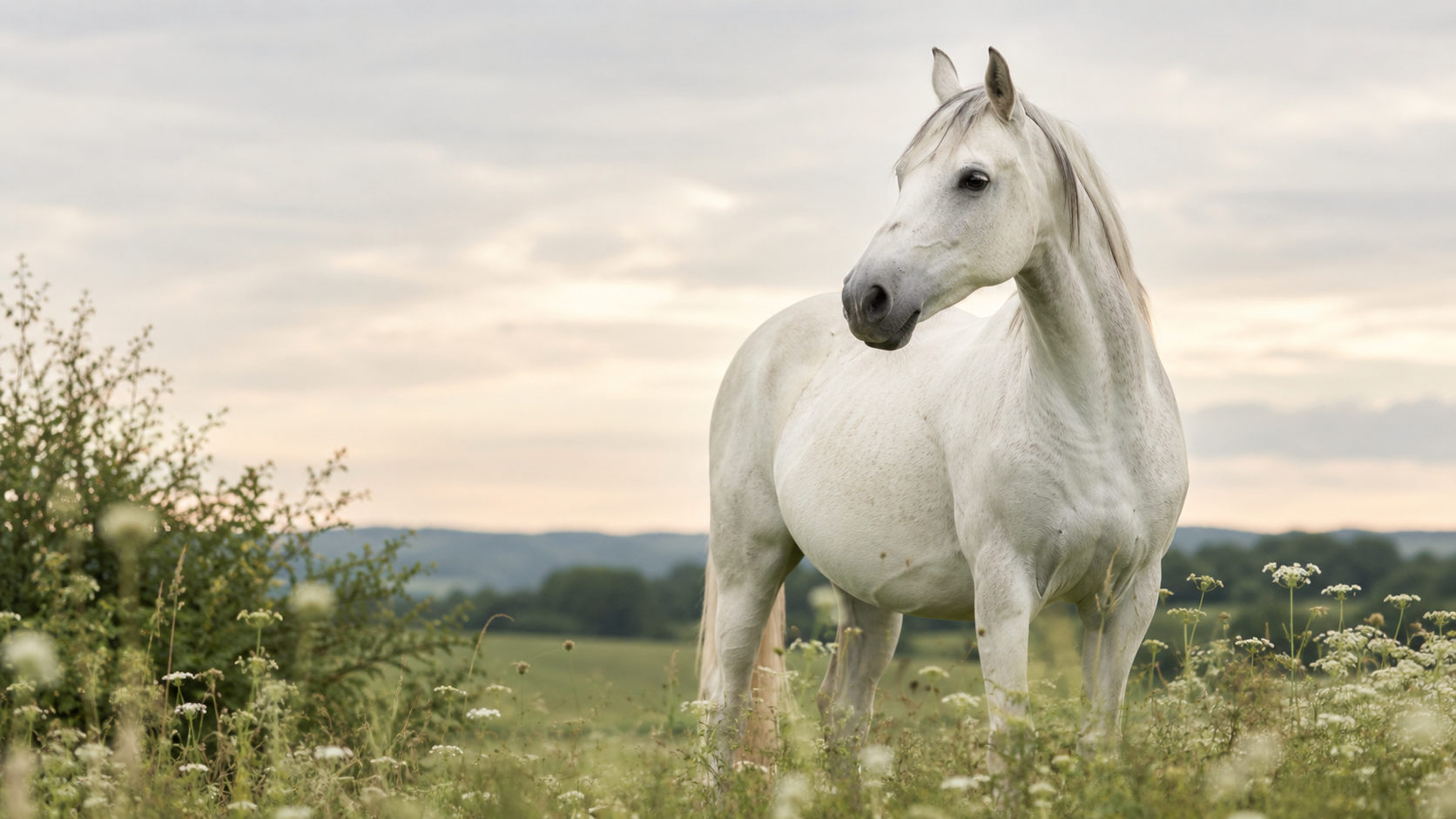
The Rottaler is a medium-sized horse, harmonious and powerful, with solid bone structure. It presents a balanced silhouette, typical of a versatile saddle horse, with good depth and width.
Expressive, medium-sized head, with a straight or slightly convex profile. The eyes are large and lively, the ears well-set and mobile.
Medium-length neck, well-muscled and well-set, blending harmoniously into a well-defined and extended wither.
Strong and short back, solid topline. Broad and deep chest. Long, muscular, and slightly sloping croup, with a well-set tail.
Strong, well-conformed limbs, with broad and healthy joints. The cannons are short and the hooves well-formed. Feathering is generally sparse.
- Common coats: bay, chestnut, black
Temperament and aptitudes
The Rottaler is renowned for its calm, balanced, and willing temperament. It is an intelligent, courageous, and easy-to-train horse, making it an excellent partner for various disciplines and for recreational riding.
The gaits are ample, supple, and energetic, with good balance and natural impulsion. The walk is regular, the trot rhythmic, and the canter balanced.
- Uses: saddle horse, light draft horse, versatile farm horse, recreational riding, driving
- Disciplines: dressage, show jumping (amateur level), driving, equestrian trail riding
Feeding the Rottaler
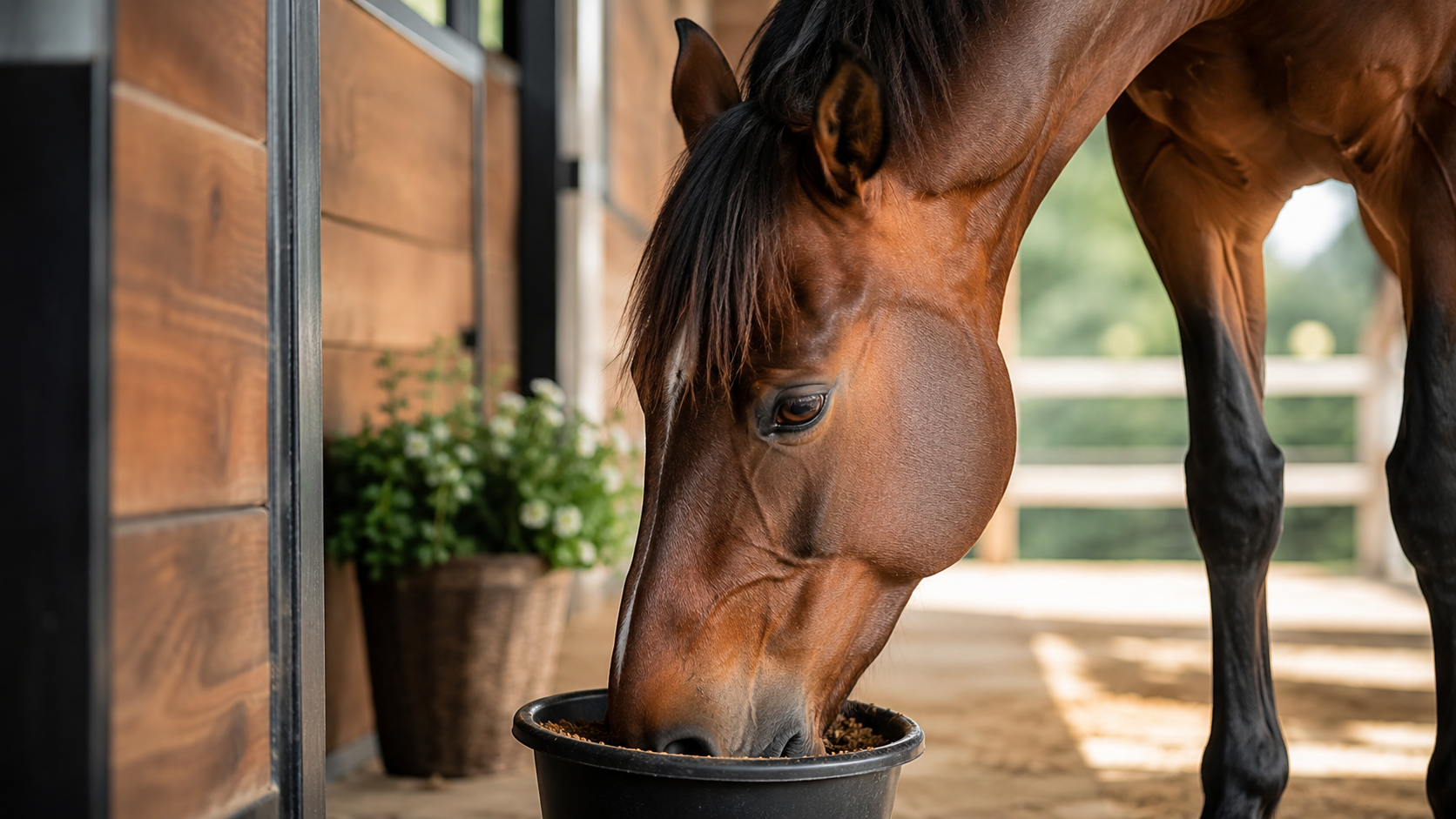
The Rottaler is generally a horse with a rather efficient metabolism (easy keeper), inherited from its working horse origins. It tends to utilize quality forage well. A sufficient supply of hay or grass is essential. Concentrates should be adjusted according to the activity level, avoiding excesses to prevent obesity. A balanced diet of minerals and vitamins is always recommended.
There are no documented specific predispositions to dietary sensitivities or major metabolic risks for the Rottaler breed. However, like any horse with an efficient metabolism (easy keeper), careful dietary management is necessary to avoid obesity and associated risks such as laminitis, especially in rich pastures.
With Equio, every feed, supplement or treat is read against the horse's real profile (age, weight, Body Condition Score, conditions) — useful for a Rottaler as soon as a metabolic or digestive sensitivity is known.
Health and points to watch
The breed's robustness limits specific health problems. Particular attention should be paid to the quality of conformation and feet, as well as weight management to prevent metabolic conditions. Regular dental checks and deworming are essential.
- More frequent conditions: age-related locomotor conditions (osteoarthritis)
Care and grooming
The care of the Rottaler is similar to that of a classic saddle horse. Regular hoof trimming is crucial to maintain good conformation. The mane, tail, and coat do not require special maintenance, apart from regular brushing. Clipping may be considered for horses working intensely in winter.
Did you know?
- The Rottaler is considered one of the oldest saddle horse breeds in Bavaria.
- It is the ancestor of the Bavarian Warmblood (Bayerisches Warmblut), which largely supplanted the Rottaler in the 20th century.
- The breed was saved from extinction thanks to the efforts of a small group of passionate breeders and the creation of an association dedicated to its preservation.
The Rottaler and how to track it
The Rottaler breed is very rare in France, with a nearly non-existent population. Breeding is mainly concentrated in Germany, as part of conservation programs.
Equio lets you build a complete profile for a Rottaler: identity, weight, Body Condition Score, feeding, conditions, care reminders (vaccines, worming, trimming) and an exportable health log. The breed sets the identity; everyday decisions still depend on the real horse and your vet's advice.
- Record the activity level: rest, leisure, sport or breeding
- Add known conditions or sensitivities
- Scan feeds, plants and care products
- Keep reminders (vaccines, worming, trimming)
- Prepare a PDF export before a vet appointment
Frequently asked questions
Is the Rottaler a good horse for beginners?
Yes, thanks to its calm, balanced temperament and willingness to cooperate, the Rottaler can be an excellent horse for beginner riders or those seeking a reliable and safe partner.
What is the availability of the Rottaler outside of Germany?
The Rottaler is a very rare breed and primarily bred in Germany. It is difficult to find outside its country of origin, and acquiring an individual may require extensive research and specific procedures.
Is the Rottaler suitable for driving?
Historically used for agricultural work and light driving, the Rottaler retains good aptitudes for this discipline. Its strength, calmness, and robustness make it a good driving horse, both for leisure and amateur competition.
How does the Rottaler compare to the Bayerisches Warmblut?
The Rottaler is the ancestor of the Bayerisches Warmblut. While the Rottaler is more rustic and versatile, the Bayerisches Warmblut has been selected for higher athletic performance, with more modern bloodlines. The Rottaler is generally more compact and less 'sporty' in type.
What is the average price of a Rottaler?
Due to its rarity and conservation breed status, the price of a Rottaler can vary considerably. It is difficult to provide an average, but one should expect a potentially higher price than for more common breeds, reflecting the value of its genetics and conservation efforts.