
Horse breed
Rhinelander
The Rhinelander is a relatively recent breed, developed in Germany at the end of the 20th century. It originated from crosses between German riding horses, particularly the Rhenish Warmblood, and American horses such as the Tennessee Walking Horse and the Missouri Fox Trotter.
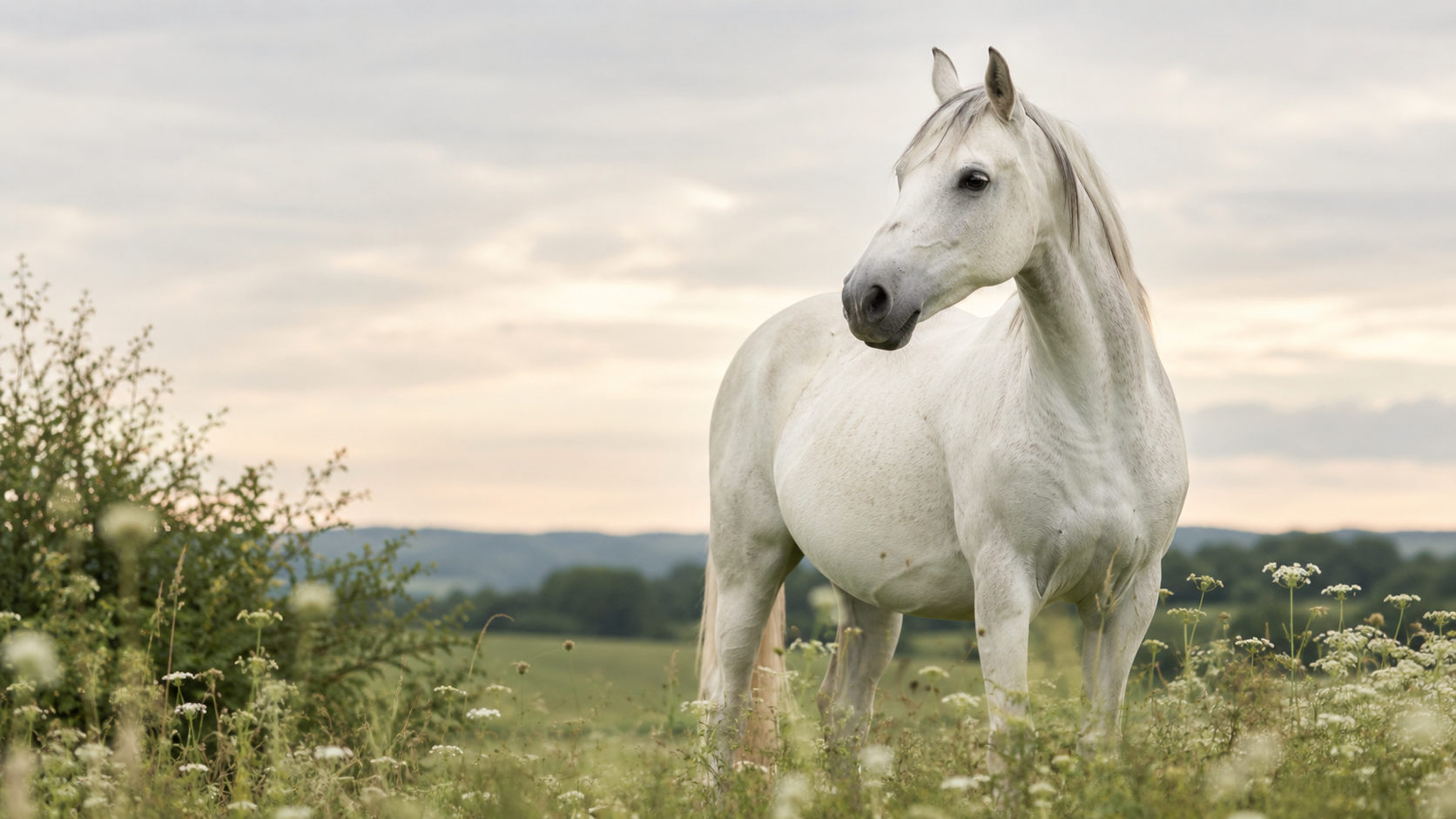
The breed at a glance
It is a horse with a balanced temperament, intelligent, willing, and easy to train. It is known for its kindness, patience, and calmness, making it an excellent partner for riders of all levels.
- Category
- sport horse
- Origin
- Germany · Late 20th century
- Height at withers
- 142–162 cm
- Weight
- 450–550 kg
- Lifespan
- 25-30 years
- Common coats
- bay, chestnut, black, grey, palomino, dun, roan
- Disciplines
- dressage, equestrian trail riding, western riding, working equitation
- Other names
- Rhineländer
Origin and history
The Rhinelander is a relatively recent breed, developed in Germany at the end of the 20th century. It originated from crosses between German riding horses, particularly the Rhenish Warmblood, and American horses such as the Tennessee Walking Horse and the Missouri Fox Trotter. The goal was to create a versatile riding horse with additional gaits and a pleasant temperament. The breed was officially recognized in Germany and is currently being developed in other countries.
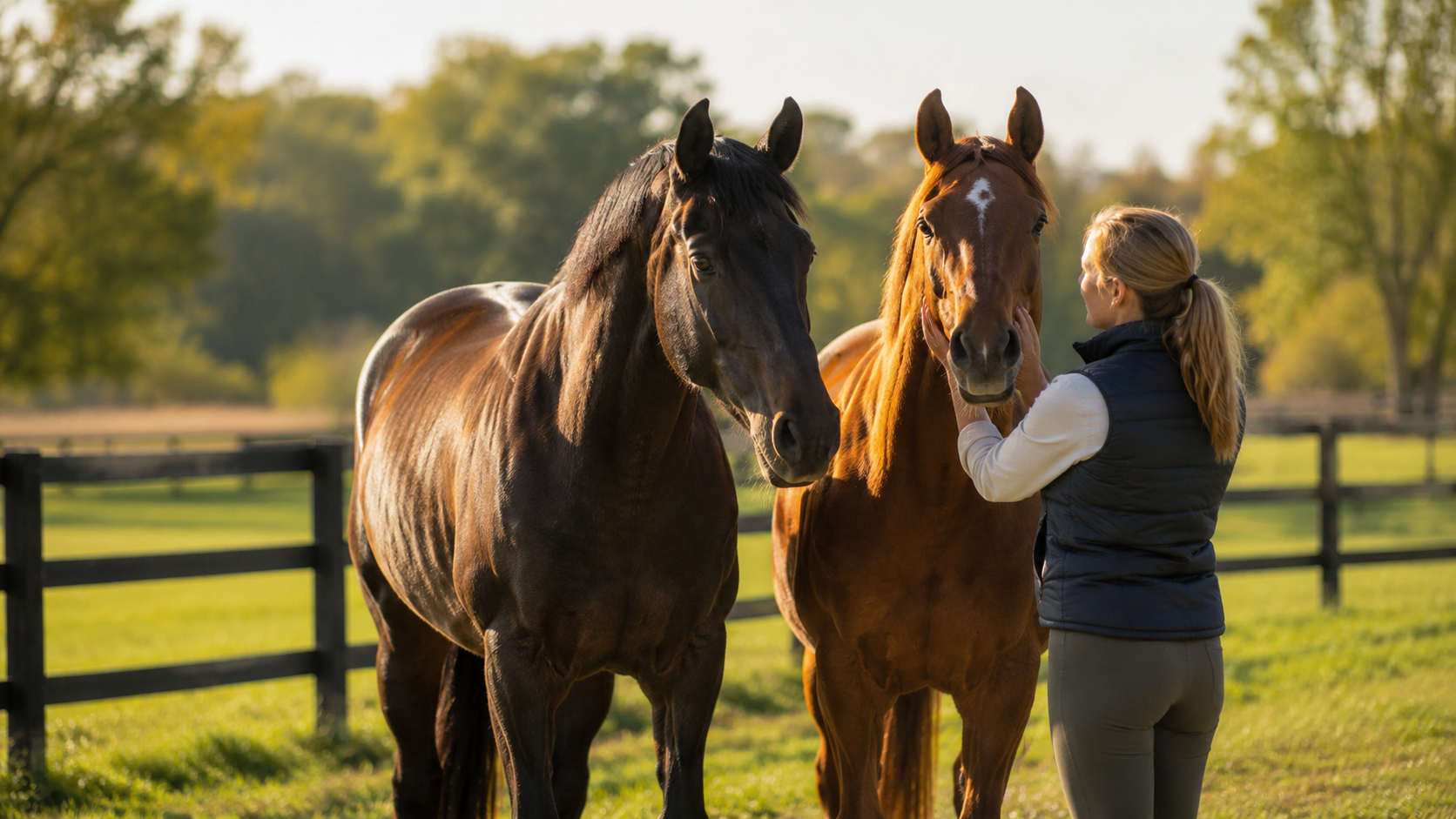
Conformation and physique
The Rhinelander is a medium-sized riding horse, elegant and athletic, with a solid yet refined bone structure. Its silhouette is harmonious, combining power and agility.
The head is expressive, medium-sized, with a straight or slightly concave profile. The eyes are large and lively, the ears well-set and mobile. The muzzle is broad and the nostrils are well-opened.
The neck is well-proportioned, long, and muscular, blending harmoniously into a well-defined and extended wither. It is carried elegantly.
The back is short and strong, the topline is taut and muscular. The chest is deep and wide, providing ample room for the lungs. The croup is long, muscular, and slightly sloped.
The limbs are clean, strong, and well-muscled, with large and healthy joints. The cannons are short and the pasterns are of medium length. The feet are well-formed and resilient. Light feathering may be present.
- Common coats: bay, chestnut, black, grey, palomino, dun, roan
Temperament and aptitudes
It is a horse with a balanced temperament, intelligent, willing, and easy to train. It is known for its kindness, patience, and calmness, making it an excellent partner for riders of all levels.
The Rhinelander is renowned for its supple, expansive, and rhythmic gaits. In addition to the walk, trot, and canter, it possesses natural additional gaits such as the 'foxtrot' or the 'rack', which are very comfortable for the rider.
- Uses: leisure horse, trail riding, dressage, working equitation, show
- Disciplines: dressage, equestrian trail riding, western riding, working equitation
Feeding the Rhinelander
The Rhinelander has a rather economical metabolism, but its needs vary depending on its activity level. For a horse in light to moderate work, good quality forage (hay or grass) forms the basis of its diet. Concentrates can be added depending on the intensity of work and body condition, taking care not to overfeed to avoid obesity.
Although there are no documented specific predispositions for the Rhinelander breed to metabolic conditions such as EMS or PSSM, a balanced diet and careful weight management are always recommended to prevent laminitis and other problems related to excess weight or a diet too rich in sugars/starch.
With Equio, every feed, supplement or treat is read against the horse's real profile (age, weight, Body Condition Score, conditions) — useful for a Rhinelander as soon as a metabolic or digestive sensitivity is known.

Health and points to watch
As with any breed, particular attention should be paid to foot health, joints, and dentition. Regular weight monitoring is advised to prevent obesity, especially if the horse is not worked much.
Care and grooming
Rhinelander care is similar to that of a classic riding horse. Regular hoof trimming is essential to maintain their integrity. The mane, tail, and coat require regular brushing. Feathering, if present, should be cleaned to prevent skin conditions.
Did you know?
- The Rhinelander is one of the few breeds to naturally possess additional gaits, which makes it particularly comfortable for the rider.
- It is sometimes nicknamed the 'German riding horse with American gaits' due to its origins.
The Rhinelander and how to track it
The Rhinelander breed is still not widespread in France, but it is gradually gaining popularity among leisure and trail riding enthusiasts, thanks to its temperament and comfortable gaits.
Equio lets you build a complete profile for a Rhinelander: identity, weight, Body Condition Score, feeding, conditions, care reminders (vaccines, worming, trimming) and an exportable health log. The breed sets the identity; everyday decisions still depend on the real horse and your vet's advice.
- Record the activity level: rest, leisure, sport or breeding
- Add known conditions or sensitivities
- Scan feeds, plants and care products
- Keep reminders (vaccines, worming, trimming)
- Prepare a PDF export before a vet appointment
Frequently asked questions
Is the Rhinelander a good horse for beginners?
Yes, the Rhinelander is often recommended for beginners and less experienced riders thanks to its calm temperament, kindness, and willingness to cooperate. Its comfortable gaits are also an asset.
What are the Rhinelander's additional gaits?
The Rhinelander can exhibit additional gaits such as the 'foxtrot' (a four-beat diagonal gait) or the 'rack' (a four-beat lateral gait), which are very smooth and comfortable for the rider, with no bounce.
Is the Rhinelander suitable for competition?
Yes, although it is highly valued for leisure riding, the Rhinelander can excel in certain competition disciplines, including dressage, working equitation, and specific gait classes where its qualities are valued.
What is the average price of a Rhinelander?
The price of a Rhinelander can vary considerably depending on its age, training level, lineage, and gaits. It can range from a few thousand to over ten thousand euros for a well-trained horse with good gaits.
Where can Rhinelander breeders be found in France?
Rhinelander breeders in France are still rare but do exist. It is advisable to contact breed associations or equestrian federations to obtain lists of breeders or owner contacts.