
Horse breed
Quarter Pony
The Quarter Pony was developed in the United States starting in the 1950s, primarily to offer a smaller alternative to the Quarter Horse. It originated from crosses between small Quarter Horses and various pony breeds, including the Welsh Pony and the Shetland.

The breed at a glance
The Quarter Pony is valued for its calm, gentle, and cooperative temperament, making it an excellent pony for children and beginner riders. It is intelligent, willing, and easy to train, showing great versatility in its work.
- Category
- pony
- Origin
- United States · Mid-20th century
- Height at withers
- 117–142 cm
- Weight
- 250–450 kg
- Lifespan
- 25-35 years
- Common coats
- bay, chestnut, black, grey, palomino, dun, roan, dun, cream, tobiano, overo, tovero, leopard
- Disciplines
- reining, cutting, barrel racing, trail
Origin and history
The Quarter Pony was developed in the United States starting in the 1950s, primarily to offer a smaller alternative to the Quarter Horse. It originated from crosses between small Quarter Horses and various pony breeds, including the Welsh Pony and the Shetland. The goal was to create a robust, versatile pony with the calm temperament and athleticism of the Quarter Horse. The breed was officially recognized by the Quarter Pony Association (QPA) in 1964.
Conformation and physique
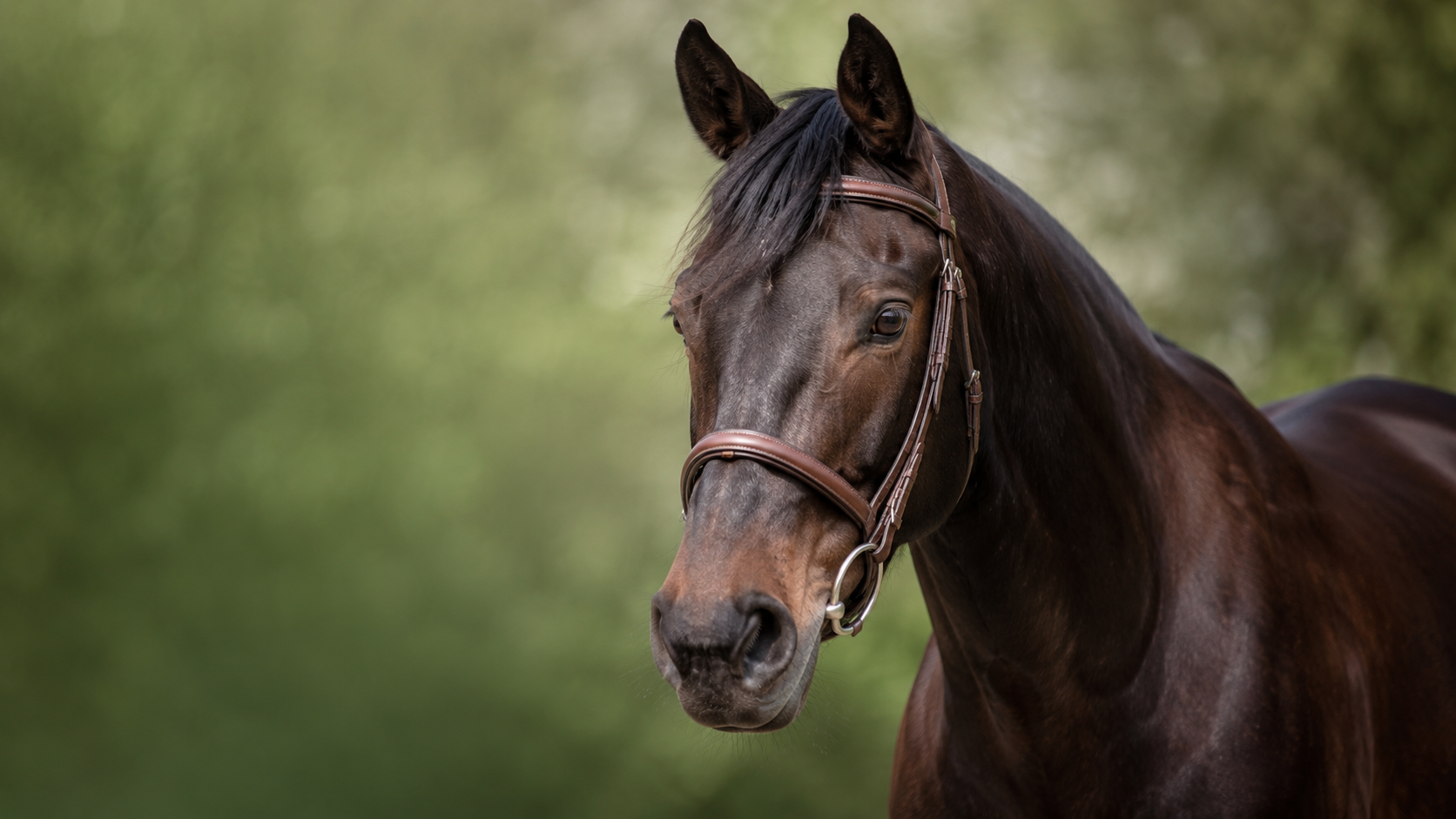
The Quarter Pony has a compact and muscular build, reminiscent of the Quarter Horse but in a smaller format. It possesses solid bone structure and balanced conformation, typical of a working pony. It is a powerful and well-built pony.
The head is well-proportioned, with a straight or slightly concave profile. The eyes are large and expressive, the ears medium-sized and well-placed. The muzzle is wide and the nostrils are well-opened.
The neck is muscular, well-set, and of medium length, blending smoothly into well-defined and muscular withers. It contributes to the pony's overall balance.
The back is short and strong, the topline muscular and taut. The chest is broad and deep, providing good lung capacity. The hindquarters are powerful, rounded, and very muscular, often double-muscled, characteristic of propulsive strength.
The limbs are solid, with broad joints and short cannons. The conformation is correct, and the hooves are round, hard, and well-formed. Feathers are generally sparse.
- Common coats: bay, chestnut, black, grey, palomino, dun, roan, dun, cream, tobiano, overo, tovero, leopard
Temperament and aptitudes
The Quarter Pony is valued for its calm, gentle, and cooperative temperament, making it an excellent pony for children and beginner riders. It is intelligent, willing, and easy to train, showing great versatility in its work.
The gaits are supple, regular, and efficient, with good impulsion. The Quarter Pony is renowned for its ability to perform quick starts and sudden stops, a legacy of the Quarter Horse.
- Uses: recreational riding, western riding (reining, cutting, barrel racing), English riding (dressage, show jumping), driving, family pony, cattle work
- Disciplines: reining, cutting, barrel racing, trail, gymkhana, dressage, show jumping, driving
Feeding the Quarter Pony
The Quarter Pony, like its cousin the Quarter Horse, tends to be an easy keeper. It can easily gain weight if its diet is not carefully managed. A diet based on good quality forage (hay or grass) in sufficient quantity is paramount. Concentrates are only necessary for ponies in intense work or with specific needs and should be low in sugars and starch to prevent metabolic problems.
This breed may have a predisposition to Equine Metabolic Syndrome (EMS) and laminitis, especially if overfed or if its diet is too rich in sugars and starch. Careful weight monitoring and an adapted diet are essential to prevent these conditions.
With Equio, every feed, supplement or treat is read against the horse's real profile (age, weight, Body Condition Score, conditions) — useful for a Quarter Pony as soon as a metabolic or digestive sensitivity is known.

Health and points to watch
It is crucial to regularly monitor the Quarter Pony's weight and adjust its diet and exercise level to prevent obesity and associated metabolic problems. Particular attention should be paid to hoof health, especially in cases of laminitis risk. Genetic tests may be considered for known hereditary conditions.
- Documented genetic disorders: PSSM1 (Polysaccharide Storage Myopathy type 1), HERDA (Hereditary Equine Regional Dermal Asthenia), HYPP (Hyperkalemic Periodic Paralysis)
- More frequent conditions: laminitis, Equine Metabolic Syndrome (EMS), obesity
Care and grooming
The Quarter Pony's maintenance is relatively simple. Regular hoof trimming is essential to maintain their integrity. The mane and tail can be brushed regularly to prevent tangles. The short coat does not require special care, but regular brushing helps maintain cleanliness and shine. Clipping is generally not necessary except for ponies in intense work during winter.
Did you know?
- The Quarter Pony is often called the 'miniature Quarter Horse' due to its striking resemblance to the breed from which it originated.
- Despite its small size, the Quarter Pony is capable of carrying adults and is highly valued for its strength and endurance.
- The Quarter Pony Association (QPA) was founded to preserve the characteristics of the Quarter Horse in a pony format.
The Quarter Pony and how to track it
The Quarter Pony is not widespread in France, where it is mainly imported for recreational or competitive western riding. There is no significant breeding program for this breed in France.
Equio lets you build a complete profile for a Quarter Pony: identity, weight, Body Condition Score, feeding, conditions, care reminders (vaccines, worming, trimming) and an exportable health log. The breed sets the identity; everyday decisions still depend on the real horse and your vet's advice.
- Record the activity level: rest, leisure, sport or breeding
- Add known conditions or sensitivities
- Scan feeds, plants and care products
- Keep reminders (vaccines, worming, trimming)
- Prepare a PDF export before a vet appointment
Frequently asked questions
What is the maximum height of a Quarter Pony?
The maximum height for a Quarter Pony is 142 cm at the withers. Above this height, it can no longer be registered as a Quarter Pony by the breed association.
Is the Quarter Pony suitable for children?
Yes, the Quarter Pony is particularly well-suited for children due to its calm temperament, docility, and robustness. It is also athletic enough to accompany young riders in various disciplines.
What are the main differences between a Quarter Horse and a Quarter Pony?
The main difference is size: the Quarter Pony is a smaller version of the Quarter Horse. Although they share many morphological and temperamental characteristics, the Quarter Pony is specifically bred to remain in the pony category.
Is the Quarter Pony a rare breed?
In the United States, the Quarter Pony is well-established and appreciated. However, outside North America, it is considered a less common breed, particularly in Europe where its presence is more limited.
What are the common health problems in Quarter Ponies?
The Quarter Pony can be predisposed to metabolic issues such as laminitis and Equine Metabolic Syndrome (EMS), as well as certain genetic diseases inherited from the Quarter Horse, such as PSSM1, HERDA, and HYPP. Careful management of diet and exercise is crucial.