
Horse breed
British Spotted Pony
The history of the British Spotted Pony dates back thousands of years, with evidence of spotted ponies in Great Britain as early as the Bronze Age. Spotted horses were imported by the Romans and influenced local populations.
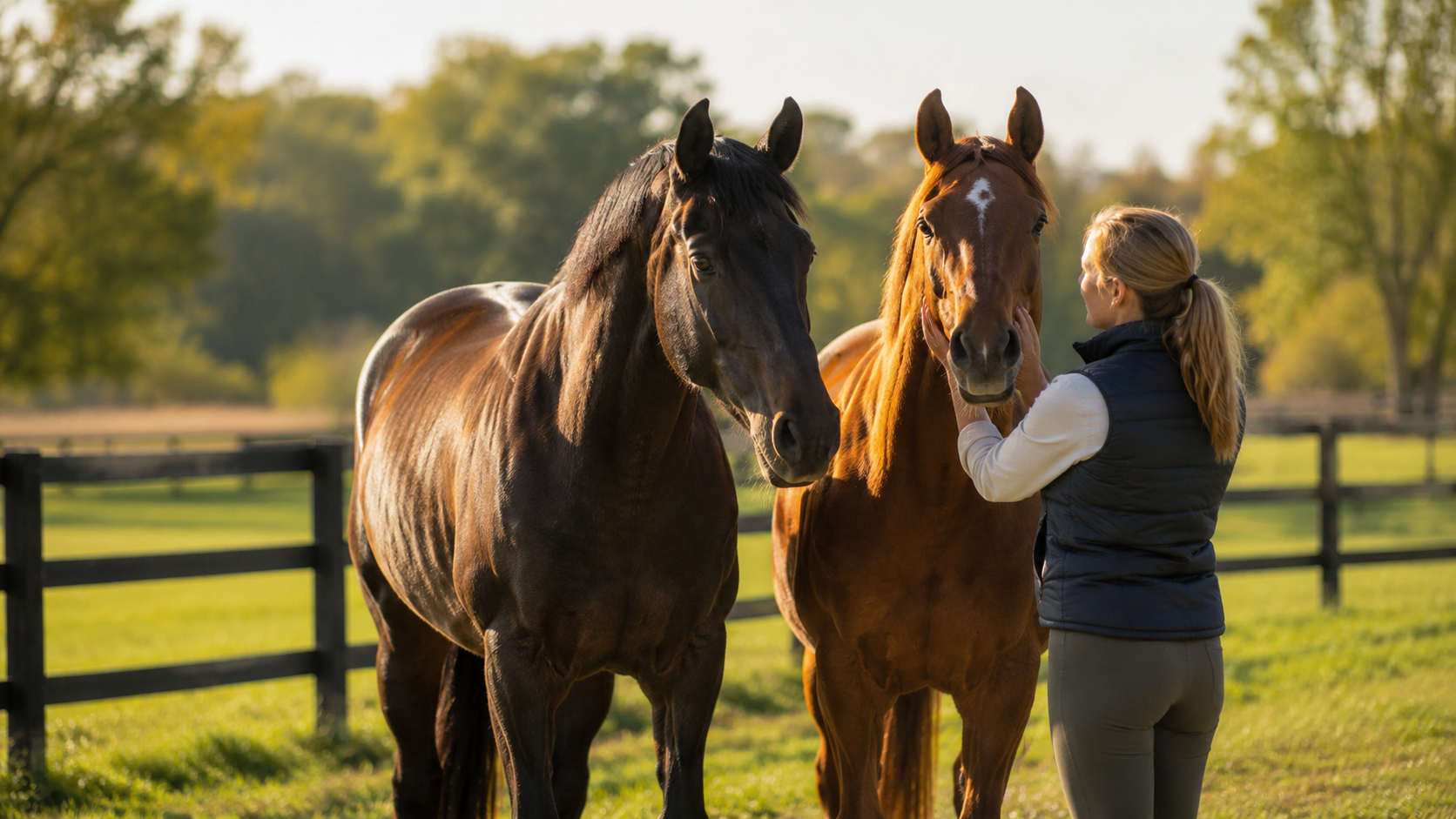
The breed at a glance
The British Spotted Pony is renowned for its calm, intelligent, and willing temperament. It is generally easy to handle, patient, and eager to please, making it an excellent companion for children and beginners. It is also courageous and enduring in work.
- Category
- pony
- Origin
- United Kingdom · Antiquity to Modern Times
- Height at withers
- 81–142 cm
- Lifespan
- 25-35 years
- Common coats
- spotted (leopard, blanket, snowflake, frosted, marbled), solid (black, bay, chestnut, grey)
- Disciplines
- dressage (pony level), show jumping (pony level), cross-country (pony level), TREC
- Other names
- British Spotted Pony
Origin and history
The history of the British Spotted Pony dates back thousands of years, with evidence of spotted ponies in Great Britain as early as the Bronze Age. Spotted horses were imported by the Romans and influenced local populations. The breed was officially recognized and its studbook established in 1947 by the British Spotted Pony Society, aiming to preserve and promote these distinctive ponies. It originated from crosses between indigenous ponies and imported spotted horses, notably Appaloosas.

Conformation and physique
The British Spotted Pony is a medium to small-sized pony, well-proportioned and compact. It has solid bone structure and well-developed musculature, suited for versatility. Its silhouette is harmonious, with good body depth.
The head is well-proportioned to the body, with a straight or slightly concave profile. The eyes are large, expressive, and can be wall eyes (blue eyes). The nostrils are wide and the ears are medium-sized, well-placed.
The neck is of good length, well-set and muscular, blending harmoniously into a well-defined but not overly prominent wither. It is carried elegantly.
The back is short and strong, the topline is taut and muscular. The chest is deep and wide, providing ample room for the lungs. The croup is rounded and muscular, with a well-set tail.
The limbs are strong and well-conformed, with clean joints and short cannons. The hooves are round, hard, and well-formed, often striped. Feathering is generally sparse.
- Common coats: spotted (leopard, blanket, snowflake, frosted, marbled), solid (black, bay, chestnut, grey)
Temperament and aptitudes
The British Spotted Pony is renowned for its calm, intelligent, and willing temperament. It is generally easy to handle, patient, and eager to please, making it an excellent companion for children and beginners. It is also courageous and enduring in work.
The gaits are straight, regular, and active, with good amplitude. The walk is energetic, the trot supple, and the canter balanced, showing good impulsion.
- Uses: recreational riding, driving, pony games, show, family companion
- Disciplines: dressage (pony level), show jumping (pony level), cross-country (pony level), TREC, competition driving
Feeding the British Spotted Pony
The British Spotted Pony is a hardy pony with an efficient metabolism, inherited from its ancestors. It tends to gain weight easily if overfed. Its diet should primarily consist of good quality forage (hay or grass) in sufficient quantity, but without excessive sugars. Concentrates are only necessary for ponies in intense work or with specific needs, and must be carefully chosen for their low starch and sugar content.
Due to its efficient metabolism, the British Spotted Pony is predisposed to Equine Metabolic Syndrome (EMS) and laminitis, especially if overweight or subjected to a diet too rich in sugars and starch. Careful management of diet and exercise is crucial to prevent these conditions.
With Equio, every feed, supplement or treat is read against the horse's real profile (age, weight, Body Condition Score, conditions) — useful for a British Spotted Pony as soon as a metabolic or digestive sensitivity is known.
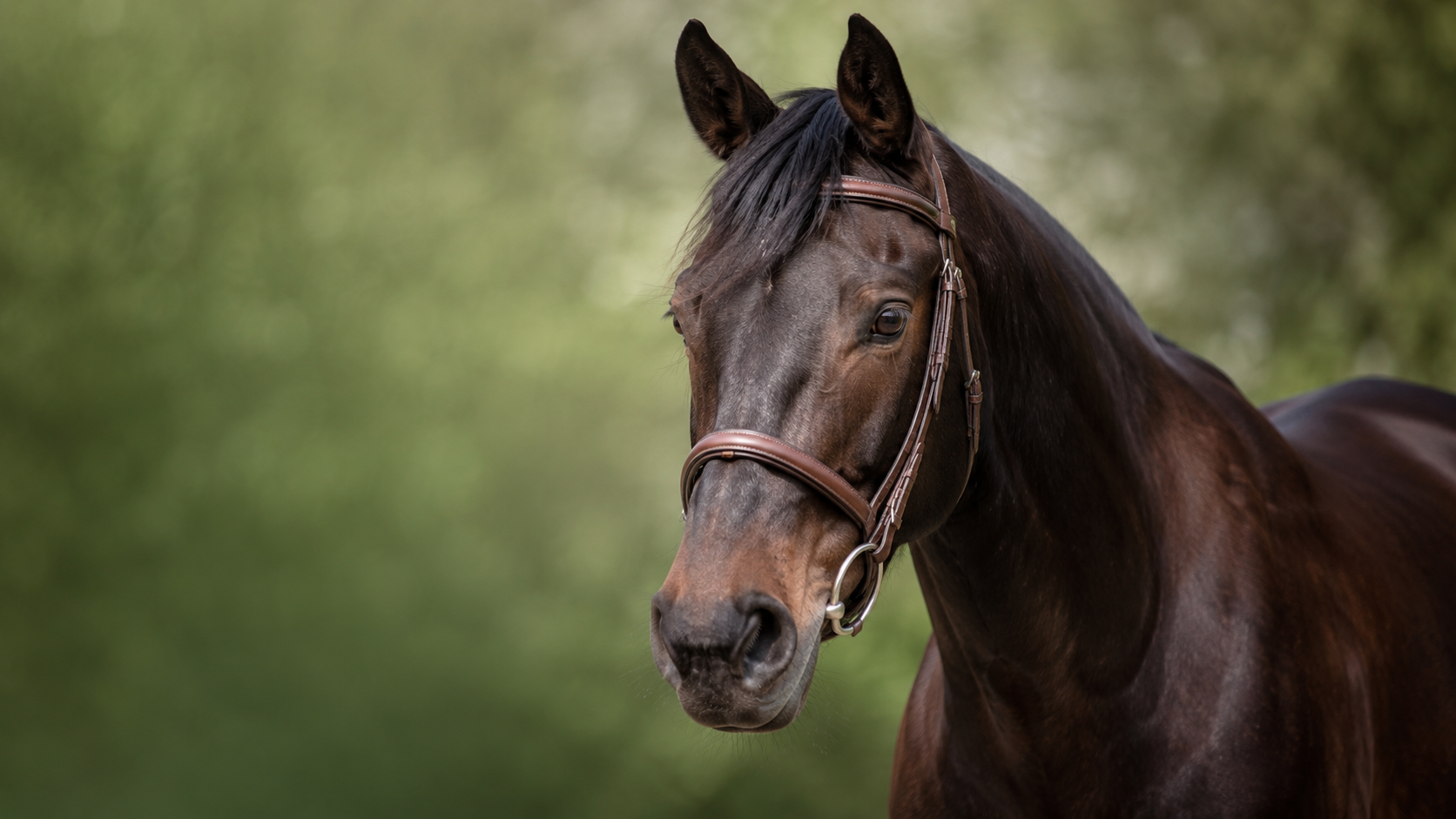
Health and points to watch
It is essential to carefully monitor the British Spotted Pony's weight and adjust its diet and exercise level to prevent obesity and the risk of laminitis. Particular attention should be paid to hoof health, as they can be more susceptible to metabolic changes.
- More frequent conditions: laminitis, Equine Metabolic Syndrome (EMS), obesity
Care and grooming
The British Spotted Pony's hooves require regular and careful trimming, as with any equine, with particular attention to their hardness and integrity. The mane and tail are generally of normal texture and do not require specific care beyond usual brushing. The spotted coat is easy to maintain; regular brushing is sufficient to keep it clean and shiny.
Did you know?
- The spotted patterns of the British Spotted Pony are the result of the Leopard (LP) gene, the same gene responsible for the Appaloosa's coat patterns.
- Spotted ponies were highly valued by European royalty and nobility for their unique appearance, often depicted in ancient art.
- The British Spotted Pony Society recognizes several size categories, ranging from mini (under 107 cm) to pony (up to 142 cm).
The British Spotted Pony and how to track it
The breed is present in France but remains relatively uncommon, with a few dedicated breeders. It is primarily used for recreational riding and family activities.
Equio lets you build a complete profile for a British Spotted Pony: identity, weight, Body Condition Score, feeding, conditions, care reminders (vaccines, worming, trimming) and an exportable health log. The breed sets the identity; everyday decisions still depend on the real horse and your vet's advice.
- Record the activity level: rest, leisure, sport or breeding
- Add known conditions or sensitivities
- Scan feeds, plants and care products
- Keep reminders (vaccines, worming, trimming)
- Prepare a PDF export before a vet appointment
Frequently asked questions
Is the British Spotted Pony suitable for children?
Yes, absolutely. Its calm, patient, and intelligent temperament makes it an excellent pony for children and beginner riders. It is generally very reliable and eager to cooperate, which facilitates learning.
What are the characteristics of the spotted coat?
The spotted coat is the most distinctive characteristic of the breed. It can take various forms such as leopard (dark spots on a light background), blanket (white covering on the rump with or without spots), snowflake (small white spots on a dark background), or frosted. Hooves are often striped, and the skin around the eyes and muzzle can be mottled.
Is the British Spotted Pony hardy?
Yes, it is a very hardy and robust breed, capable of living outdoors all year round with adequate shelter. It is well adapted to temperate climates and resistant to bad weather, which reduces the need for intensive care.
What is the average price of a British Spotted Pony?
The price varies considerably depending on age, training level, bloodline, coat pattern, and conformity to the standard. A leisure pony can cost between 1,500 and 4,000 euros, while a pony with good sport or breeding potential can reach higher prices.
Can British Spotted Ponies be found in France?
Yes, it is possible to find British Spotted Ponies in France, although the breed is not as widespread as other ponies. A few dedicated breeders contribute to its presence, and it is sometimes possible to import them from the United Kingdom.