
Horse breed
Shetland Pony
Originating from the Shetland Islands, north of Scotland, the Shetland pony is a very ancient breed, adapted to harsh climatic conditions. For centuries, it was used for transporting peat and coal, particularly in mines.
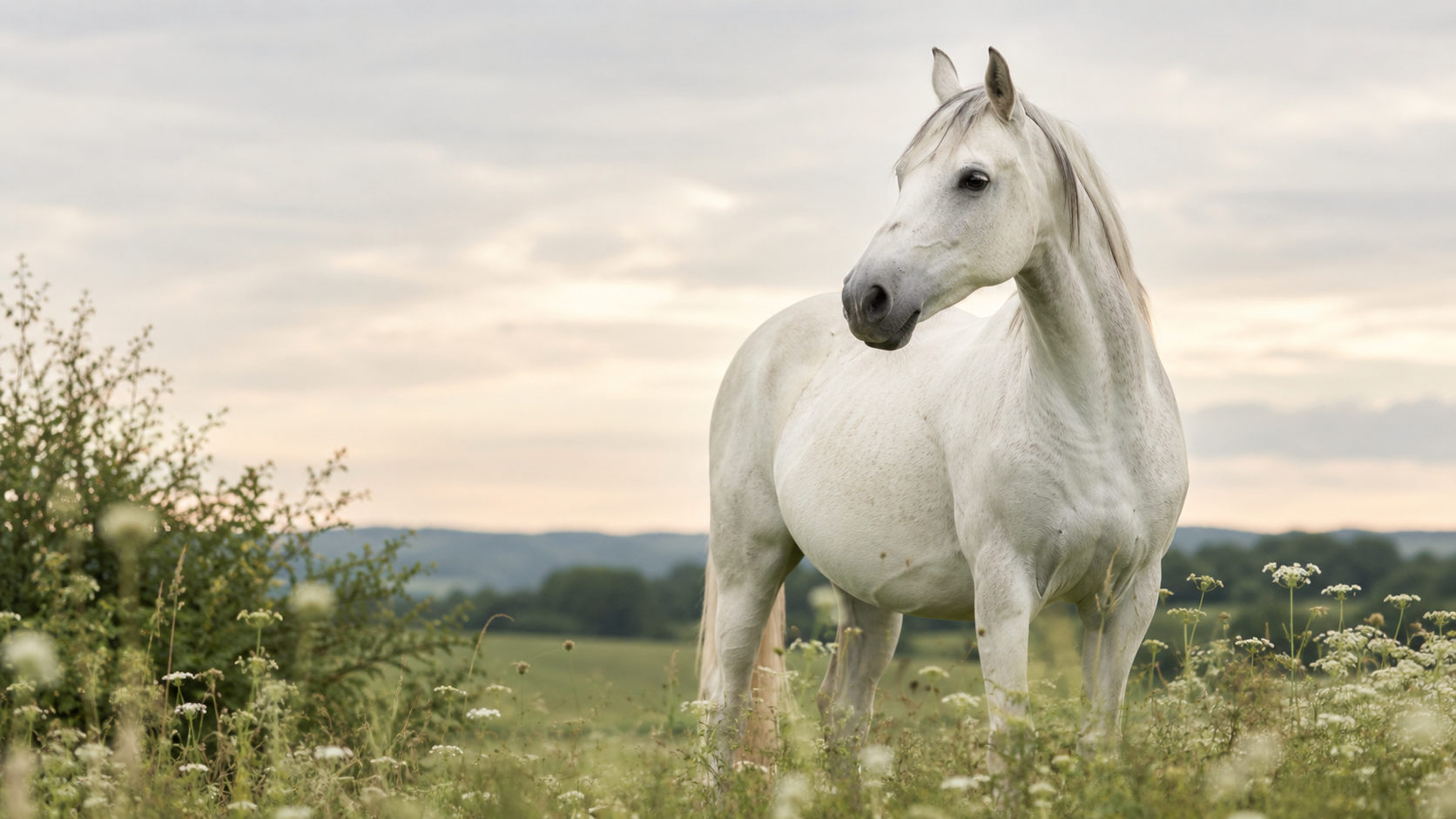
The breed at a glance
The Shetland is renowned for its intelligence, liveliness, and sometimes stubborn but generally gentle and affectionate character. It is courageous, resilient, and very close to humans, making it an excellent companion for children, provided it is well-trained.
- Category
- pony
- Origin
- United Kingdom (Shetland Islands, Scotland) · Ancient origins, established in the 19th century
- Height at withers
- 70–107 cm
- Weight
- 150–200 kg
- Lifespan
- 25-35 years
- Common coats
- black, bay, chestnut, grey, palomino, dun, roan, pinto
- Disciplines
- driving, pony games, show jumping (small classes), dressage (club level)
- Other names
- Shetland Pony
Origin and history
Originating from the Shetland Islands, north of Scotland, the Shetland pony is a very ancient breed, adapted to harsh climatic conditions. For centuries, it was used for transporting peat and coal, particularly in mines. The breed was officially recognized and a studbook created in 1890 by the Shetland Pony Stud-Book Society. Its small size and hardiness made it an indispensable working pony before it became a leisure and sport pony.
Conformation and physique
The Shetland is a small-sized pony, very compact and robust, with strong bone structure and well-developed musculature. It has a stocky and powerful build, typical of hardy breeds.
Small and expressive head, with a broad forehead, large, lively, and intelligent eyes, small, well-set ears, and a straight or slightly concave profile. The muzzle is broad with well-open nostrils.
Short, thick, and muscular neck, well-set. The withers are not very prominent, blending smoothly into the backline.
Short and strong back, straight and solid topline. Broad and deep chest, well-sprung ribs. Broad, muscular, and slightly sloping croup, with a low-set and very full tail.
Short, strong, and well-muscled limbs, with broad joints and correct conformation. The cannons are short and strong, the pasterns short. The feet are small, round, and extremely hard. The feathers are abundant, especially in winter.
- Common coats: black, bay, chestnut, grey, palomino, dun, roan, pinto
Temperament and aptitudes
The Shetland is renowned for its intelligence, liveliness, and sometimes stubborn but generally gentle and affectionate character. It is courageous, resilient, and very close to humans, making it an excellent companion for children, provided it is well-trained.
The gaits are short, energetic, and regular, with good impulsion. The walk is active, the trot is supple, and the canter is balanced, reflecting its robustness and agility.
- Uses: light draft (historical), pack animal (historical), companion pony, children's lesson pony, leisure driving, equine-assisted therapy
- Disciplines: driving, pony games, show jumping (small classes), dressage (club level), vaulting, endurance (short distances)
Feeding the Shetland Pony
The Shetland is a very thrifty pony, accustomed to the poor pastures of its native island. It has a slow metabolism and is very efficient at extracting nutrients from its diet. It tends to become overweight if overfed or if it has access to overly rich grass. Its diet should primarily consist of good quality forage (hay or low-richness grass) in controlled quantities. Concentrates are generally only necessary for ponies working intensely or growing, and should be given sparingly.
The Shetland is highly predisposed to laminitis due to its thrifty metabolism and tendency to be overweight. It is also very susceptible to Equine Metabolic Syndrome (EMS) and hyperlipidaemia. Strict dietary management is crucial to prevent these conditions, particularly by limiting access to rich grass and controlling sugar and starch intake.
With Equio, every feed, supplement or treat is read against the horse's real profile (age, weight, Body Condition Score, conditions) — useful for a Shetland Pony as soon as a metabolic or digestive sensitivity is known.

Health and points to watch
Careful monitoring of weight and body condition is essential. Vigilance for signs of laminitis (lameness, heat in the feet) is required. Regular dental check-ups are important, as is appropriate deworming. Pasture management is paramount to prevent metabolic problems.
- More frequent conditions: laminitis, Equine Metabolic Syndrome (EMS), hyperlipidaemia, obesity, colic (diet-related)
Care and grooming
The Shetland's hooves are naturally hard and resilient, requiring regular trimming but often less frequently than other breeds. Its mane and tail are very thick and long, requiring regular detangling to prevent knots. Its dense, double-layered coat protects it from cold and humidity, and it is generally not necessary to clip it, except in cases of intense work. Particular attention should be paid to skin care under the feathers to prevent mud fever.
Did you know?
- The Shetland is one of the smallest pony breeds in the world, but also one of the strongest proportionally to its size.
- It is capable of pulling twice its own weight, a capacity that was essential for its work in the mines.
- Shetland ponies were introduced to the United States in the 19th century and gave rise to American lines, often finer and larger than the original type.
The Shetland Pony and how to track it
The Shetland Pony is very popular in France, where it is widely bred and used as a lesson pony for young children, a companion pony, and for recreational driving. There are several breeder associations and numerous studs throughout the country.
Equio lets you build a complete profile for a Shetland Pony: identity, weight, Body Condition Score, feeding, conditions, care reminders (vaccines, worming, trimming) and an exportable health log. The breed sets the identity; everyday decisions still depend on the real horse and your vet's advice.
- Record the activity level: rest, leisure, sport or breeding
- Add known conditions or sensitivities
- Scan feeds, plants and care products
- Keep reminders (vaccines, worming, trimming)
- Prepare a PDF export before a vet appointment
Frequently asked questions
What is the maximum height of a Shetland pony?
The official maximum height for a Shetland pony is 107 cm at the withers. Beyond this height, it is no longer considered a purebred Shetland according to the standards.
Is the Shetland pony suitable for beginner children?
Yes, the Shetland pony is often an excellent first pony for beginner children thanks to its small size, robustness, and generally gentle temperament. However, its intelligence and character may require firm and consistent guidance.
How much does a Shetland pony cost?
The price of a Shetland pony varies considerably depending on its age, sex, lineage, level of training, and conformation. It can range from a few hundred euros for a companion pony to several thousand for a quality sport or breeding pony.
How to prevent laminitis in a Shetland?
Preventing laminitis in Shetlands involves strict dietary management: limiting access to rich grass, prioritizing ad-lib hay (but soaked if necessary), avoiding concentrates high in sugars and starch, and maintaining an ideal body weight. Regular exercise is also important.
Can a Shetland pony live outdoors all year round?
Yes, thanks to its dense double coat, the Shetland pony is perfectly adapted to live outdoors all year round, even in cold and wet climates. However, it appreciates having natural or artificial shelter to protect itself from extreme weather.