
Horse breed
Welsh Pony
Descending from the indigenous ponies of the Welsh mountains, the breed was influenced by infusions of Arabian and Thoroughbred blood over the centuries. Its rigorous selection began in the 18th century to establish its characteristics.
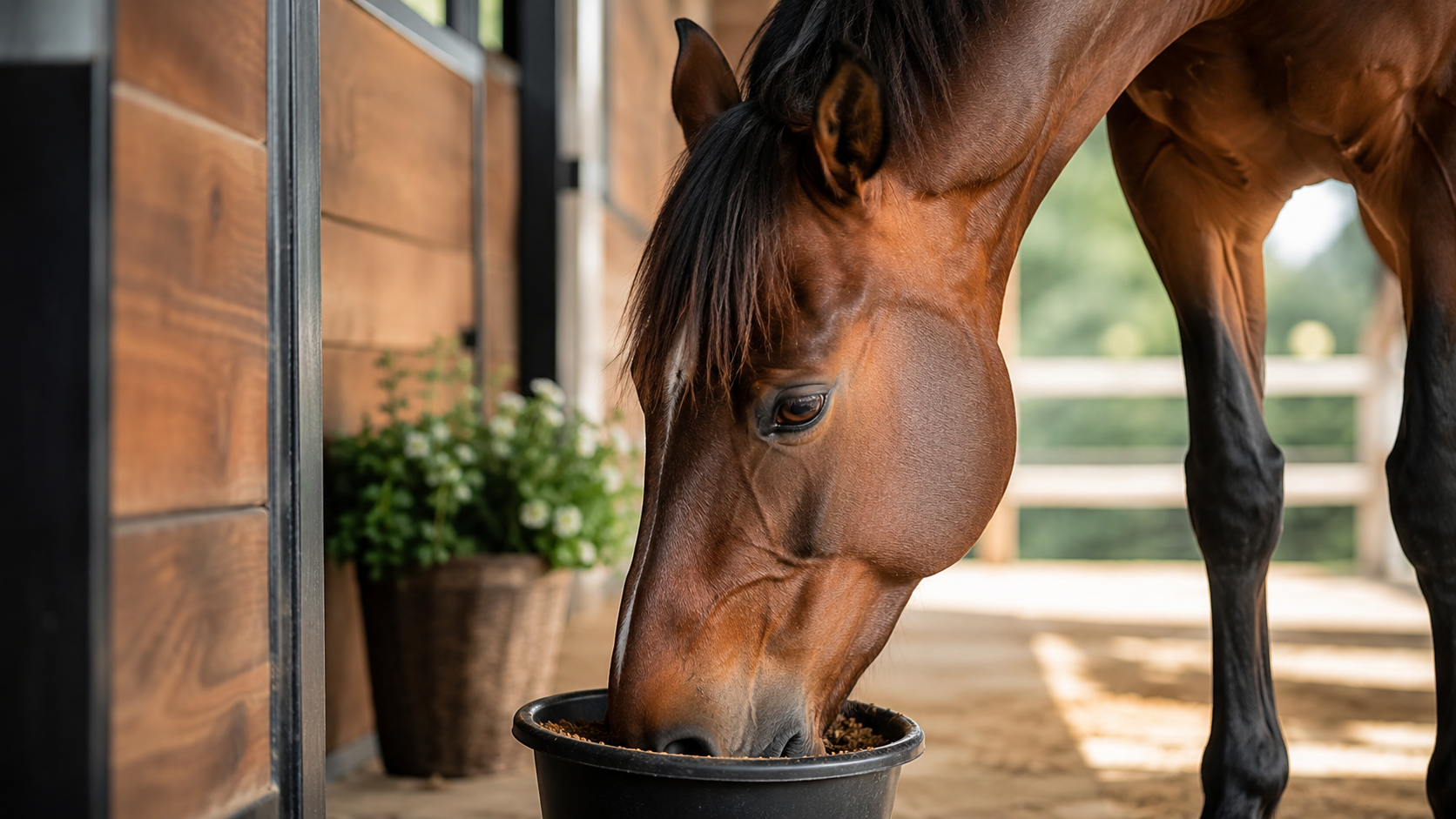
The breed at a glance
The Welsh Pony is renowned for its intelligent, courageous, and willing temperament. It is generally docile and easy to handle, but can also have character. It is very versatile and eager to work, making it an excellent companion for both children and adults.
- Category
- pony
- Origin
- United Kingdom (Wales) · Antiquity / Middle Ages (established in the 18th century)
- Weight
- 180–400 kg
- Lifespan
- 25-35 years
- Common coats
- bay, chestnut, grey, black, palomino, dun, roan
- Disciplines
- show jumping, dressage, eventing, competition driving
- Other names
- Welsh Pony, Welsh Cob, Welsh Mountain Pony
Origin and history
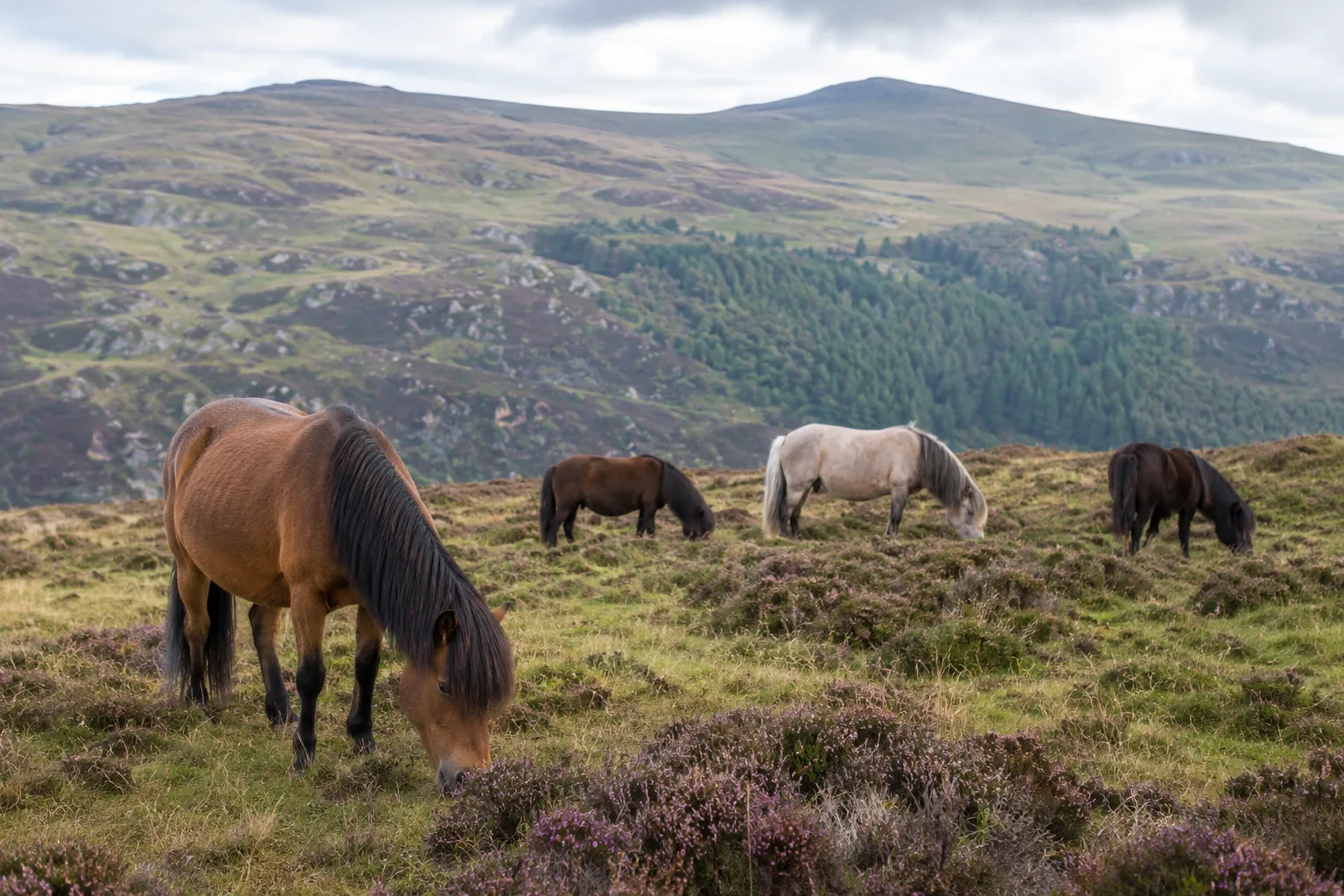
Descending from the indigenous ponies of the Welsh mountains, the breed was influenced by infusions of Arabian and Thoroughbred blood over the centuries. Its rigorous selection began in the 18th century to establish its characteristics. The studbook was created in 1901, recognizing four distinct sections (A, B, C, D) based on size and type. It has become a globally popular sport and leisure pony.
Conformation and physique
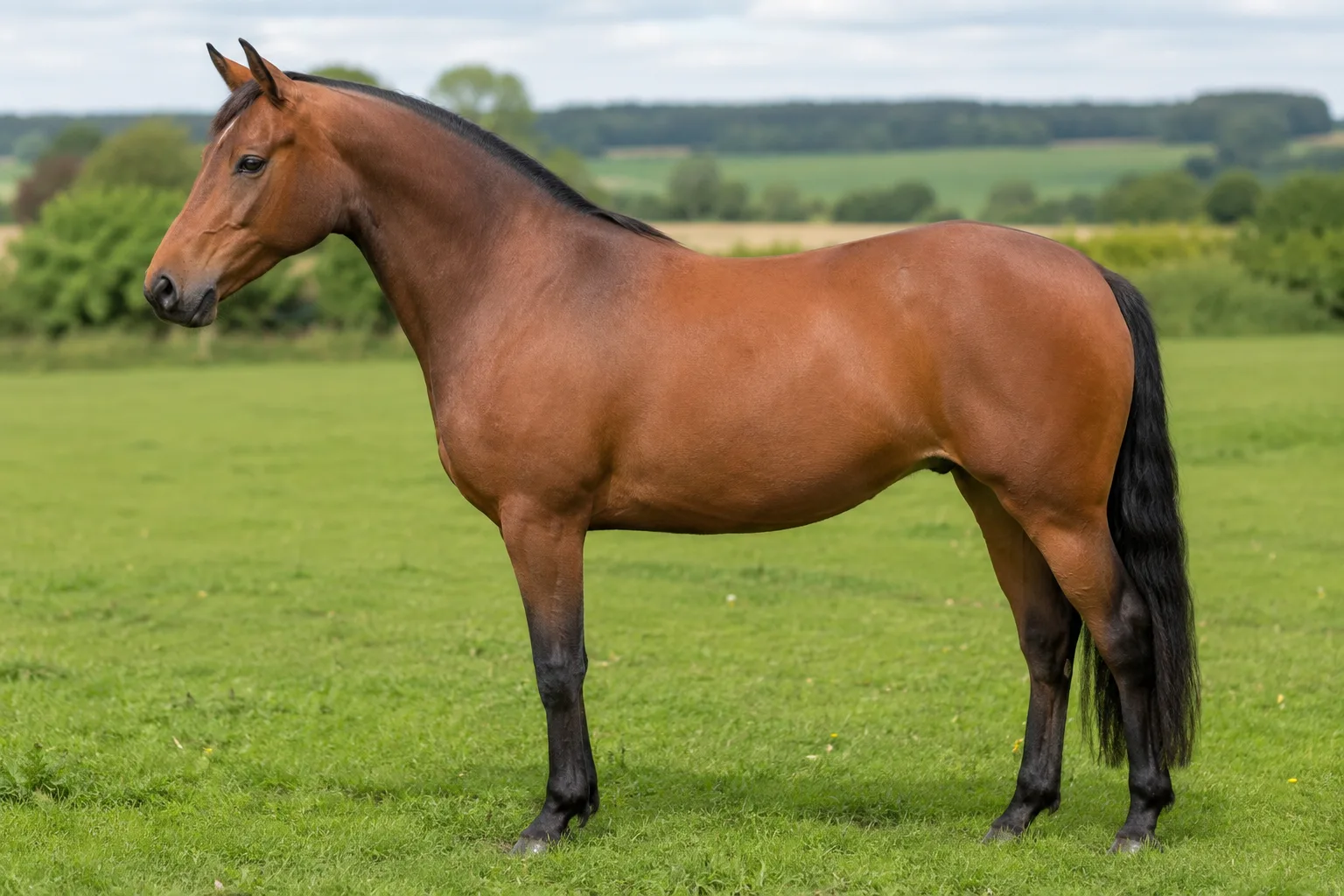
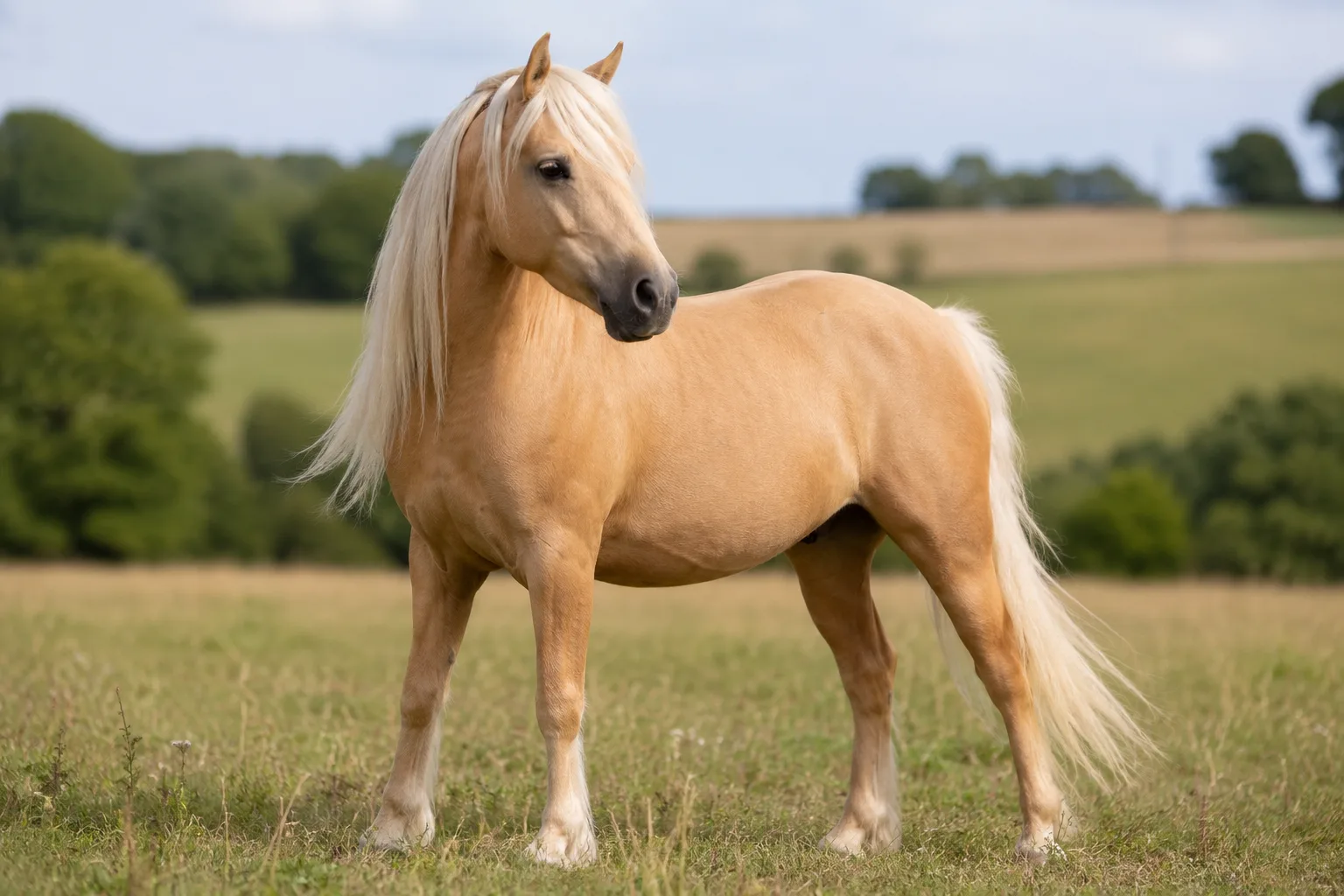
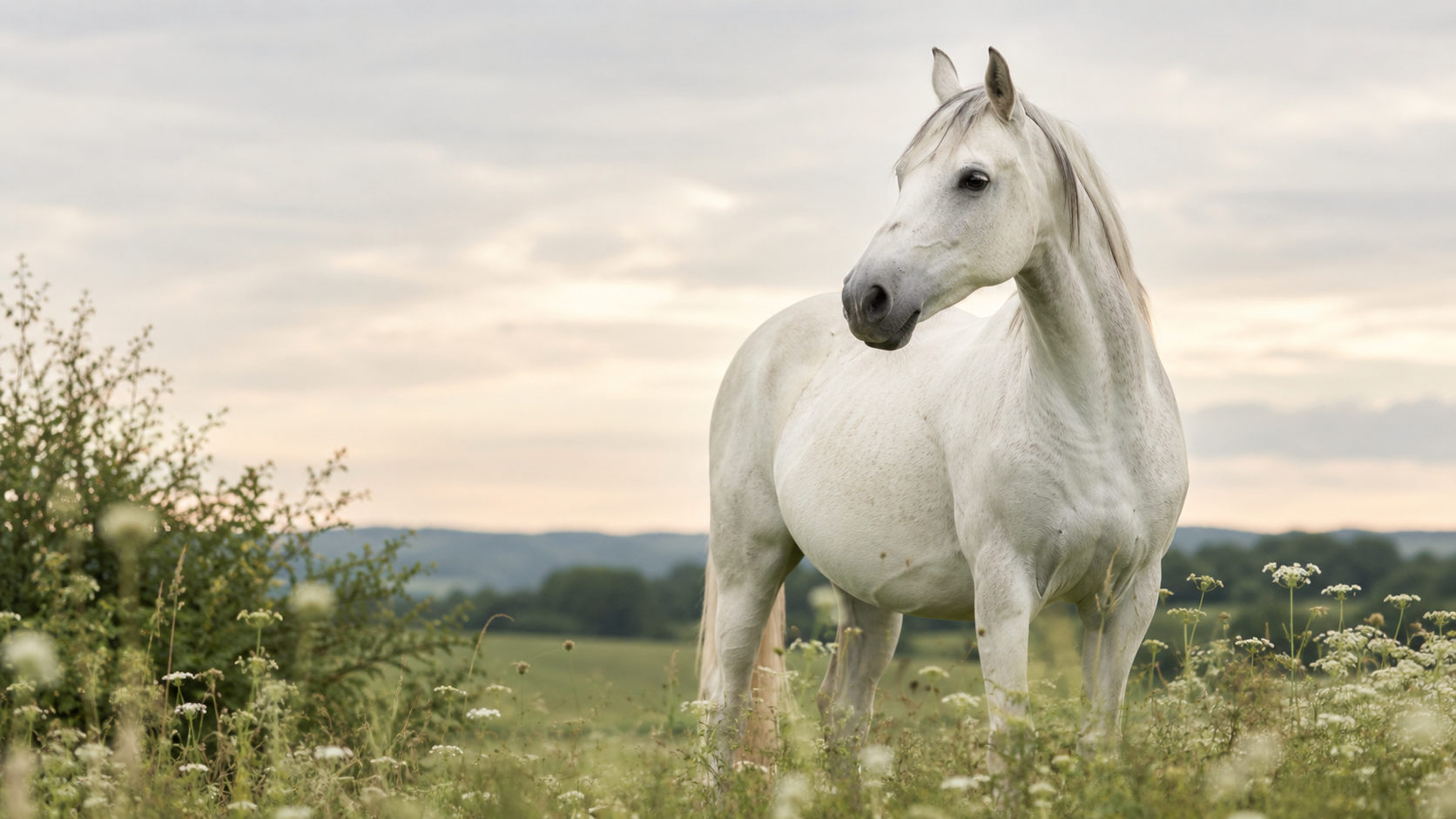
The Welsh Pony is an elegant and athletic pony, with a solid bone structure and a harmonious silhouette. It exists in four sections, ranging from the small mountain pony (Section A) to the larger sport pony (Section B) and the Welsh Cob (Sections C and D), offering a wide diversity of types.
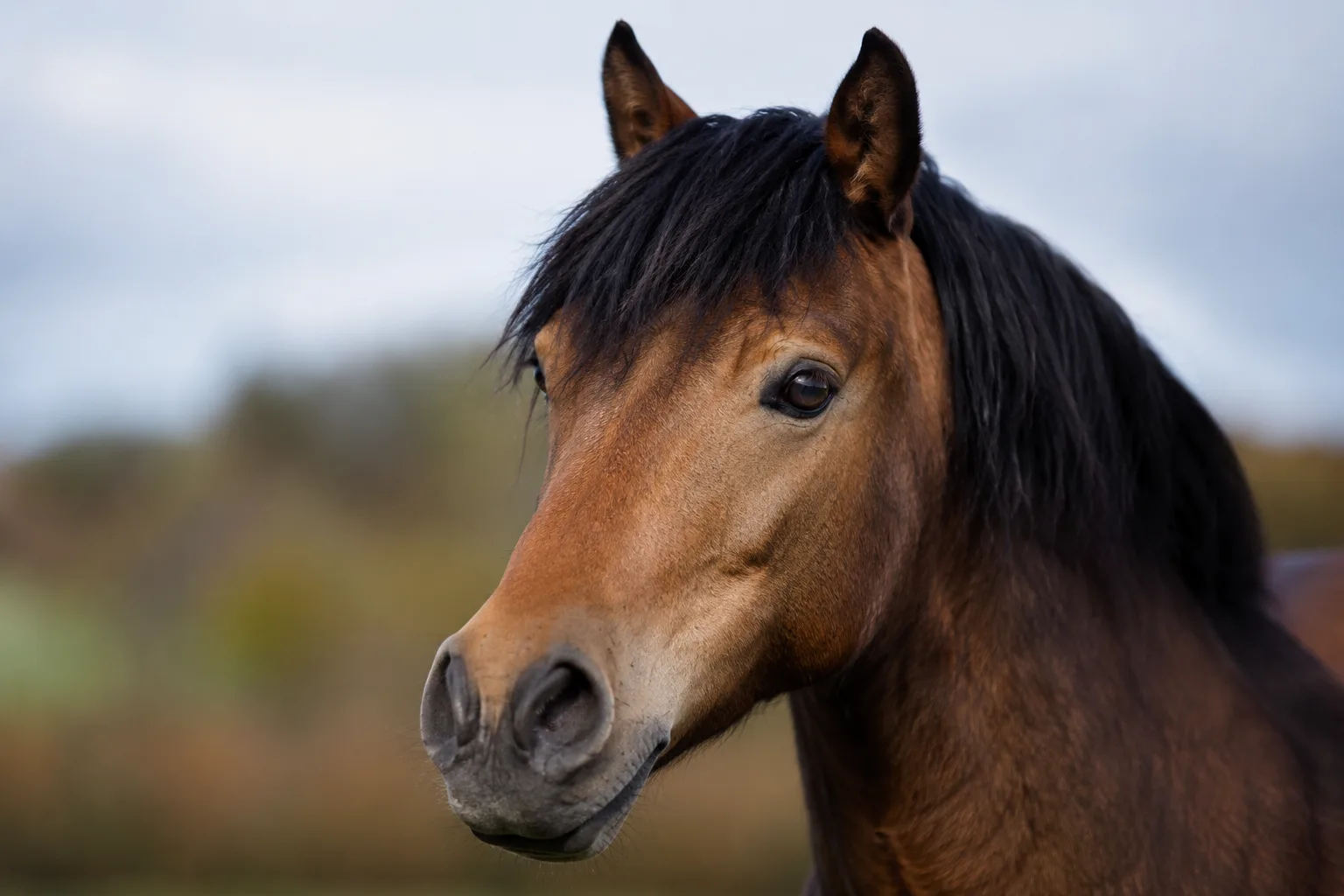
Small, well-chiseled head, with a broad forehead, large expressive eyes, and open nostrils. The profile is generally straight, sometimes slightly concave in Section A.
Well-set neck, long and arched, particularly in males and Sections B, C, and D. The withers are well-defined and fine.
Short, strong back, taut and muscular topline. Deep and broad chest, well-sprung ribs. Long and muscular croup, often slightly sloping, with a well-set tail.
Clean, strong limbs, with well-defined joints and clear tendons. Forearms and thighs are muscular. Feathering is sparse, except in the Welsh Cob (Sections C and D) where it can be more abundant. Round, hard feet.
- Common coats: bay, chestnut, grey, black, palomino, dun, roan
Temperament and aptitudes
The Welsh Pony is renowned for its intelligent, courageous, and willing temperament. It is generally docile and easy to handle, but can also have character. It is very versatile and eager to work, making it an excellent companion for both children and adults.
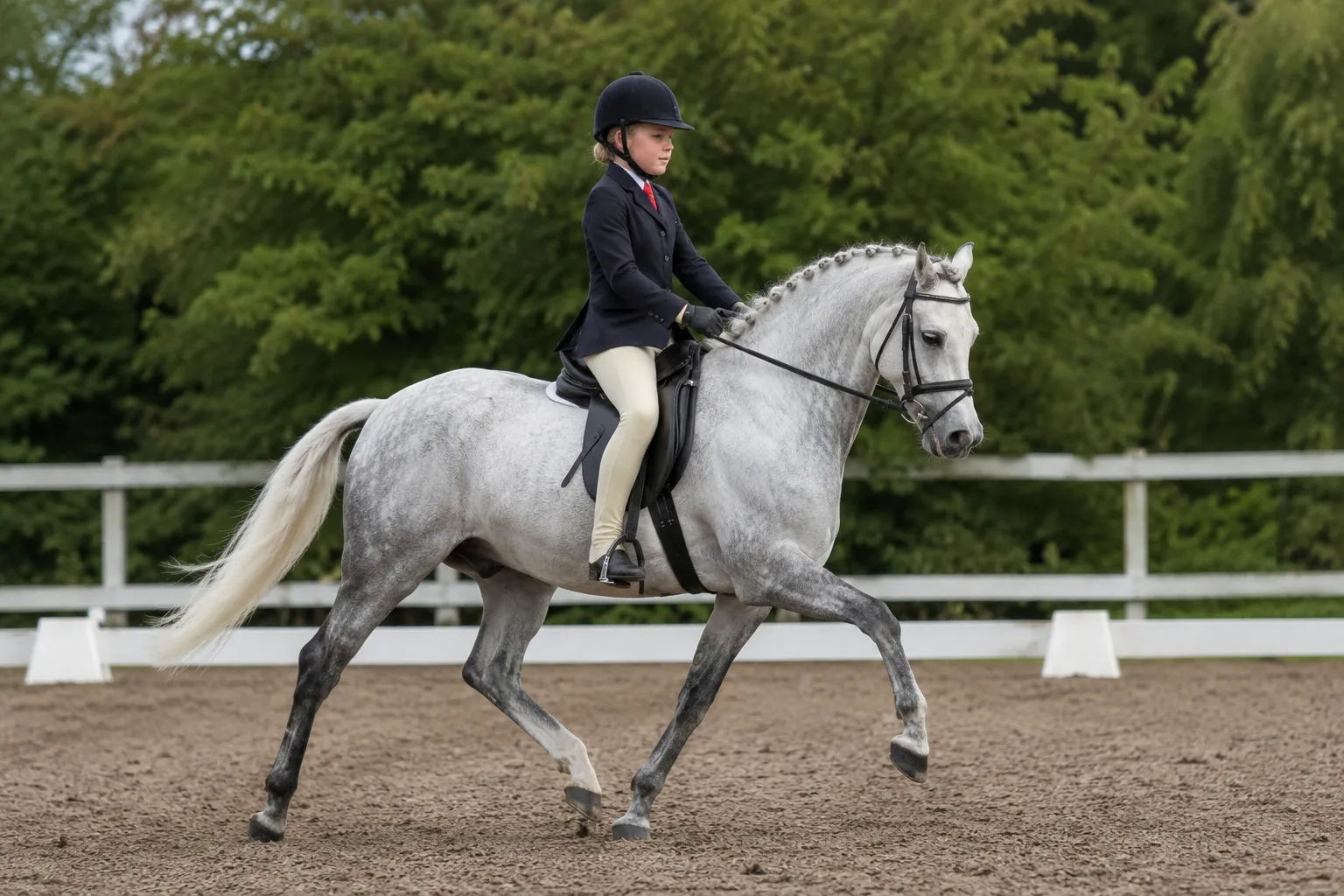
The gaits are expansive, supple, and energetic, with good impulsion. The trot is particularly elevated and rhythmic, with good knee and hock action, characteristic of the breed.
- Uses: recreational riding, driving, pony games, trail riding, breeding, family horse
- Disciplines: show jumping, dressage, eventing, competition driving, endurance riding, hunter
Feeding the Welsh Pony
The Welsh Pony is a hardy and economical pony, accustomed to the poor pastures of its origins. It tends to gain weight if overfed. Its diet should primarily consist of good quality forage (grass, hay) ad libitum or rationed according to its body condition. Concentrates are only necessary in cases of intense work or specific needs (growth, lactation), and should be given sparingly to avoid excess sugars and starch.
Due to its economical metabolism, the Welsh Pony is predisposed to laminitis and Equine Metabolic Syndrome (EMS), especially if overweight or fed a diet too rich in sugars and starch. Careful dietary management is crucial to prevent these conditions.
With Equio, every feed, supplement or treat is read against the horse's real profile (age, weight, Body Condition Score, conditions) — useful for a Welsh Pony as soon as a metabolic or digestive sensitivity is known.
Health and points to watch
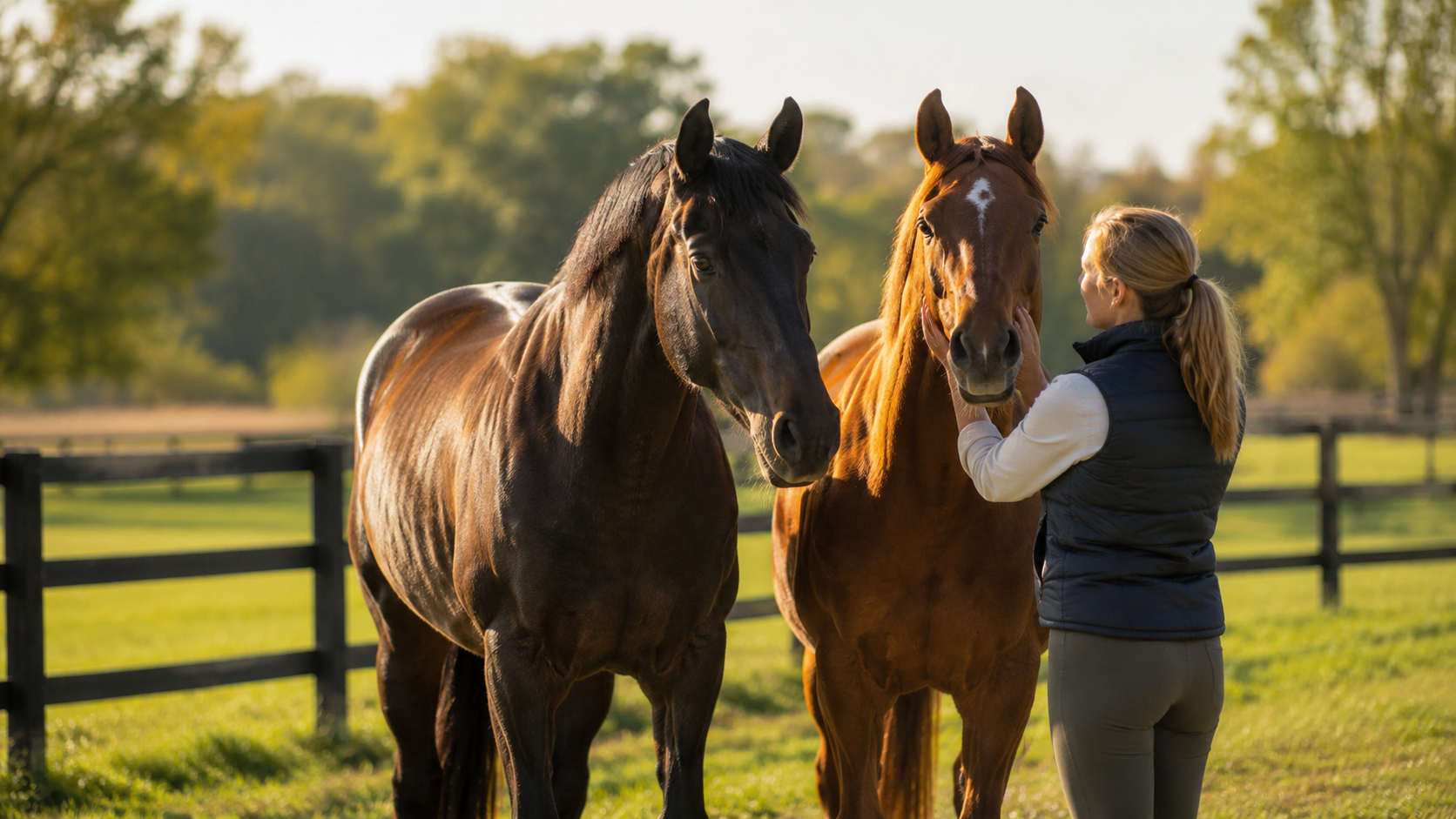
Carefully monitor weight and body condition to prevent obesity and associated risks such as laminitis. Particular attention should be paid to hoof quality and regular trimming, especially in ponies prone to laminitis. Regular veterinary check-ups are recommended for early detection of any metabolic problems.
- More frequent conditions: laminitis, Equine Metabolic Syndrome (EMS), obesity
Care and grooming
Care for the Welsh Pony is relatively simple. Regular hoof trimming is essential to maintain their integrity. The mane and tail can be left long or braided for work. The dense coat requires regular brushing, especially during shedding season. Clipping may be necessary for ponies working intensely in winter.
Did you know?
- The Welsh Pony is the only pony breed to have four distinct sections (A, B, C, D) in its studbook, each with specific size and type characteristics.
- Section A, the Welsh Mountain Pony, is the oldest and smallest, considered the foundation of all other sections.
- Welsh Ponies were historically used in the coal mines of Wales due to their strength and reliable temperament.
The Welsh Pony and how to track it
The Welsh Pony is very popular in France, where it is widely bred and used in all equestrian disciplines, particularly for riding by children and teenagers. There are several studs dedicated to the breed in France.
Equio lets you build a complete profile for a Welsh Pony: identity, weight, Body Condition Score, feeding, conditions, care reminders (vaccines, worming, trimming) and an exportable health log. The breed sets the identity; everyday decisions still depend on the real horse and your vet's advice.
- Record the activity level: rest, leisure, sport or breeding
- Add known conditions or sensitivities
- Scan feeds, plants and care products
- Keep reminders (vaccines, worming, trimming)
- Prepare a PDF export before a vet appointment
Frequently asked questions
What is the difference between the Welsh Pony sections?
The Welsh Pony Sections A, B, C, and D are defined by their size and type. Section A (Welsh Mountain Pony) is the smallest (max 122 cm), Section B (Welsh Pony) is a more refined riding pony (max 137 cm), Section C (Welsh Pony of Cob Type) is more robust (max 137 cm), and Section D (Welsh Cob) is the largest and most powerful (min 137 cm, no upper limit).
Is the Welsh Pony suitable for beginners?
Yes, the Welsh Pony is often recommended for beginners, especially children, thanks to its generally calm, intelligent, and cooperative temperament. However, like any equine, its training and guidance are paramount to developing its potential and docility.
What is the cost of a Welsh Pony?
The price of a Welsh Pony varies considerably depending on its section, age, training level, lineage, and performance. A leisure pony can cost from 1,500 to 5,000 euros, while a sport pony with good bloodlines can reach 10,000 euros or more.
Is the Welsh Pony a good sport pony?
Absolutely. Welsh Pony Sections B, C, and D are particularly valued for their athletic abilities. They excel in disciplines such as show jumping, dressage, eventing, and driving, thanks to their gaits, agility, and courage.
How to prevent laminitis in a Welsh Pony?
Preventing laminitis in Welsh Ponies involves rigorous dietary management, by avoiding excess sugars and starch. It is essential to control their weight, to limit access to rich grass in spring and autumn, and to provide good quality, analyzed hay if possible. Regular exercise and appropriate hoof trimming are also crucial.