
Horse breed
German Riding Pony
The German Riding Pony was developed in West Germany in the 1960s and 1970s to create a versatile sport pony. It originated from complex crosses between indigenous ponies (Welsh, Connemara) and riding horses (Thoroughbred, Arabian, Trakehner, Hanoverian).
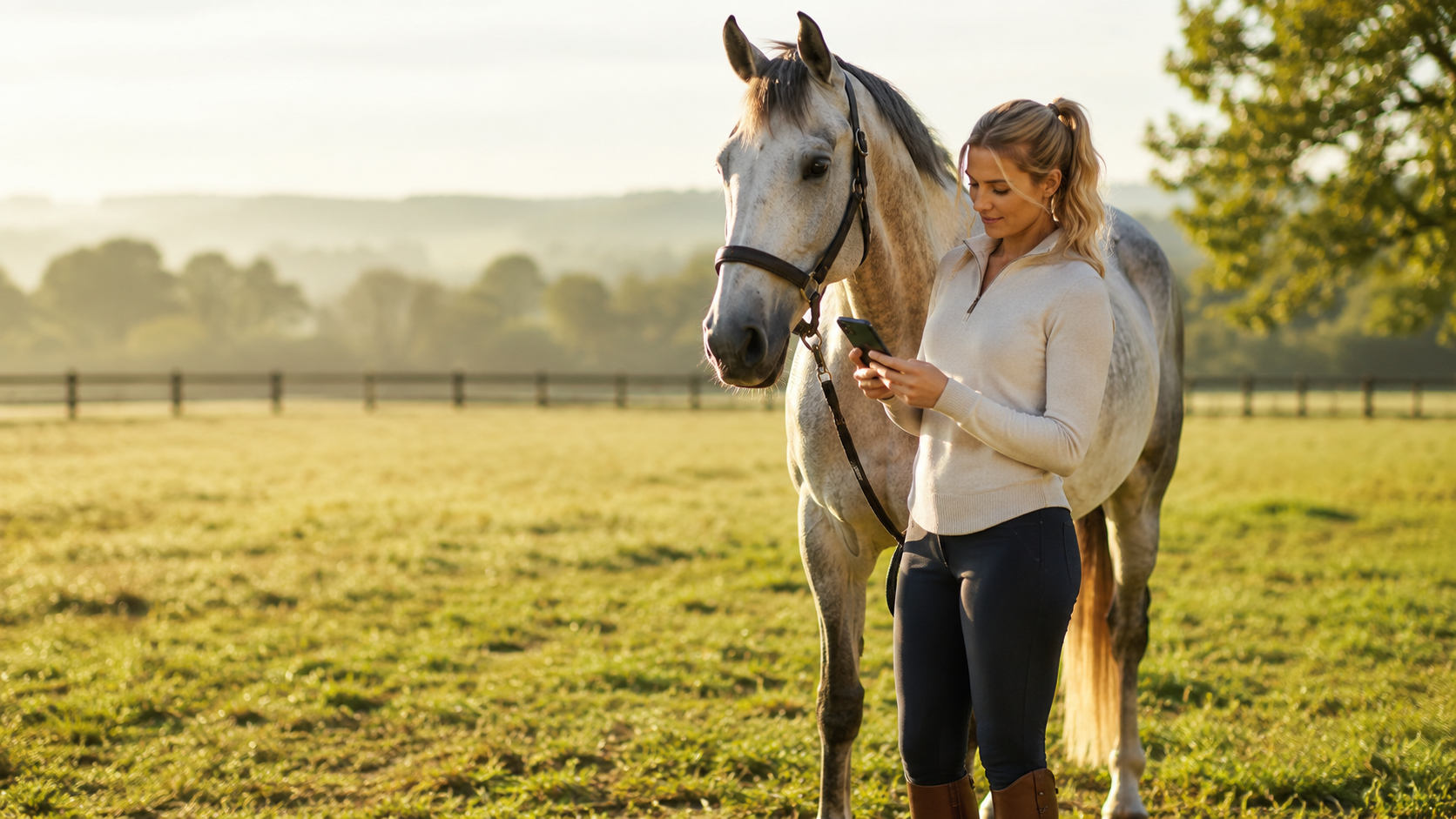
The breed at a glance
The German Riding Pony is renowned for its balanced, intelligent, and willing temperament. It is courageous, easy to train, and possesses a great aptitude for work, making it an excellent partner for young riders.
- Category
- pony
- Origin
- Germany · 1960s-1970s
- Height at withers
- 138–148 cm
- Weight
- 350–450 kg
- Lifespan
- 25-30 years
- Common coats
- bay, chestnut, grey, black
- Disciplines
- dressage, show jumping, eventing, driving
- Other names
- Deutsches Reitpony, German Riding Pony
Origin and history
The German Riding Pony was developed in West Germany in the 1960s and 1970s to create a versatile sport pony. It originated from complex crosses between indigenous ponies (Welsh, Connemara) and riding horses (Thoroughbred, Arabian, Trakehner, Hanoverian). The goal was to obtain a pony with the athletic qualities of a riding horse but suitable for children and adolescents. The breed was officially recognized in Germany and became very popular for junior competitions.

Conformation and physique
It is a sport pony with a harmonious, elegant, and athletic build, resembling a riding horse in miniature. It has a solid yet refined bone structure, with well-developed musculature.
The head is expressive, well-proportioned, with a broad forehead, large lively eyes, and well-set ears. The profile is straight or slightly concave.
The neck is long, well-arched, set high and blends harmoniously into a well-defined and extended wither.
The back is short and strong, the topline is taut and muscular. The chest is deep and broad, the croup is long, muscular, and slightly sloped.
The limbs are clean, strong, with large and well-defined joints. The cannons are short and the hooves are hard and well-formed. Feathers are generally sparse.
- Common coats: bay, chestnut, grey, black
Temperament and aptitudes
The German Riding Pony is renowned for its balanced, intelligent, and willing temperament. It is courageous, easy to train, and possesses a great aptitude for work, making it an excellent partner for young riders.
The gaits are expansive, supple, energetic, and balanced, with good hindquarter engagement and great elasticity. The trot is particularly noted for its amplitude and bounce.
- Uses: sport pony for children and adolescents, recreational riding, breeding
- Disciplines: dressage, show jumping, eventing, driving
Feeding the German Riding Pony
The German Riding Pony, although a pony, has a metabolism closer to that of a sport horse than a hardy pony. It requires a balanced diet tailored to its activity level. Good quality forage (hay) should form the basis of its diet. Concentrates may be necessary for ponies in intense work, but must be precisely adjusted to prevent obesity.
Although generally robust, like any pony, it can be prone to laminitis if overfed or exposed to overly rich pastures, especially if under-exercised. It has no documented predisposition to breed-specific metabolic syndromes beyond the general risks associated with pony feeding.
With Equio, every feed, supplement or treat is read against the horse's real profile (age, weight, Body Condition Score, conditions) — useful for a German Riding Pony as soon as a metabolic or digestive sensitivity is known.

Health and points to watch
Particular attention must be paid to weight management and laminitis prevention, especially during seasonal changes or access to rich grass. Regular veterinary check-ups are recommended for early detection of signs of joint wear in sport ponies.
- More frequent conditions: laminitis (in case of poor dietary management), musculoskeletal conditions associated with intense athletic activity
Care and grooming
Care is similar to that of a riding horse. Regular hoof trimming is essential to maintain their integrity, especially for sport ponies. The mane, tail, and coat require daily grooming. Clipping may be necessary in winter for ponies in intense work to facilitate thermoregulation and drying.
Did you know?
- The German Riding Pony is often nicknamed the 'little sport horse' due to its conformation and abilities that resemble those of large sport horses.
- Many German Riding Ponies have excelled internationally in junior equestrian disciplines, particularly at the European Pony Championships.
- Rigorous breed selection emphasizes temperament and rideability, in addition to athletic qualities, to ensure mounts suitable for young riders.
The German Riding Pony and how to track it
The breed is present in France, mainly imported from Germany, and is valued for pony competitions, particularly in dressage and show jumping. Breeding is less developed than in Germany, but there are some specialized breeders.
Equio lets you build a complete profile for a German Riding Pony: identity, weight, Body Condition Score, feeding, conditions, care reminders (vaccines, worming, trimming) and an exportable health log. The breed sets the identity; everyday decisions still depend on the real horse and your vet's advice.
- Record the activity level: rest, leisure, sport or breeding
- Add known conditions or sensitivities
- Scan feeds, plants and care products
- Keep reminders (vaccines, worming, trimming)
- Prepare a PDF export before a vet appointment
Frequently asked questions
What is the average price of a German Riding Pony?
The price of a German Riding Pony varies considerably depending on its age, level of training, lineage (sporting bloodlines), and performance. A young, unbroken pony can cost a few thousand euros, while a proven competition pony can fetch much higher sums, sometimes over 20,000 euros.
Is the German Riding Pony suitable for beginners?
Thanks to its balanced, intelligent, and willing temperament, the German Riding Pony can be an excellent partner for young beginner or progressing riders, provided it is well-schooled and supervised. Its sensitivity and intelligence require a fair and consistent rider.
What is the maximum height allowed for a German Riding Pony in competition?
The maximum height at the withers for a German Riding Pony is generally 148 cm without shoes. Above this height, it is considered a horse and can no longer compete in pony categories.
How to choose a German Riding Pony?
The choice should be made based on the rider's level, their goals (leisure, competition), and the pony's age. It is crucial to prioritize a pony with a good temperament, good gaits, and sound conformation. A ridden trial and a pre-purchase veterinary examination are highly recommended.
Is the German Riding Pony a hardy breed?
No, the German Riding Pony is not considered a hardy breed in the traditional sense. Although robust, it has been bred for its athletic abilities and requires care and feeding appropriate for an athlete, unlike ponies of more primitive breeds.