
Horse breed
Czechoslovakian Riding Pony
The Czechoslovakian Riding Pony was developed after World War II, in the 1950s-1960s, to meet the demand for sport and leisure ponies for children. It originated from crosses between local ponies and imported breeds such as the Welsh Pony, Haflinger, and Arabian.
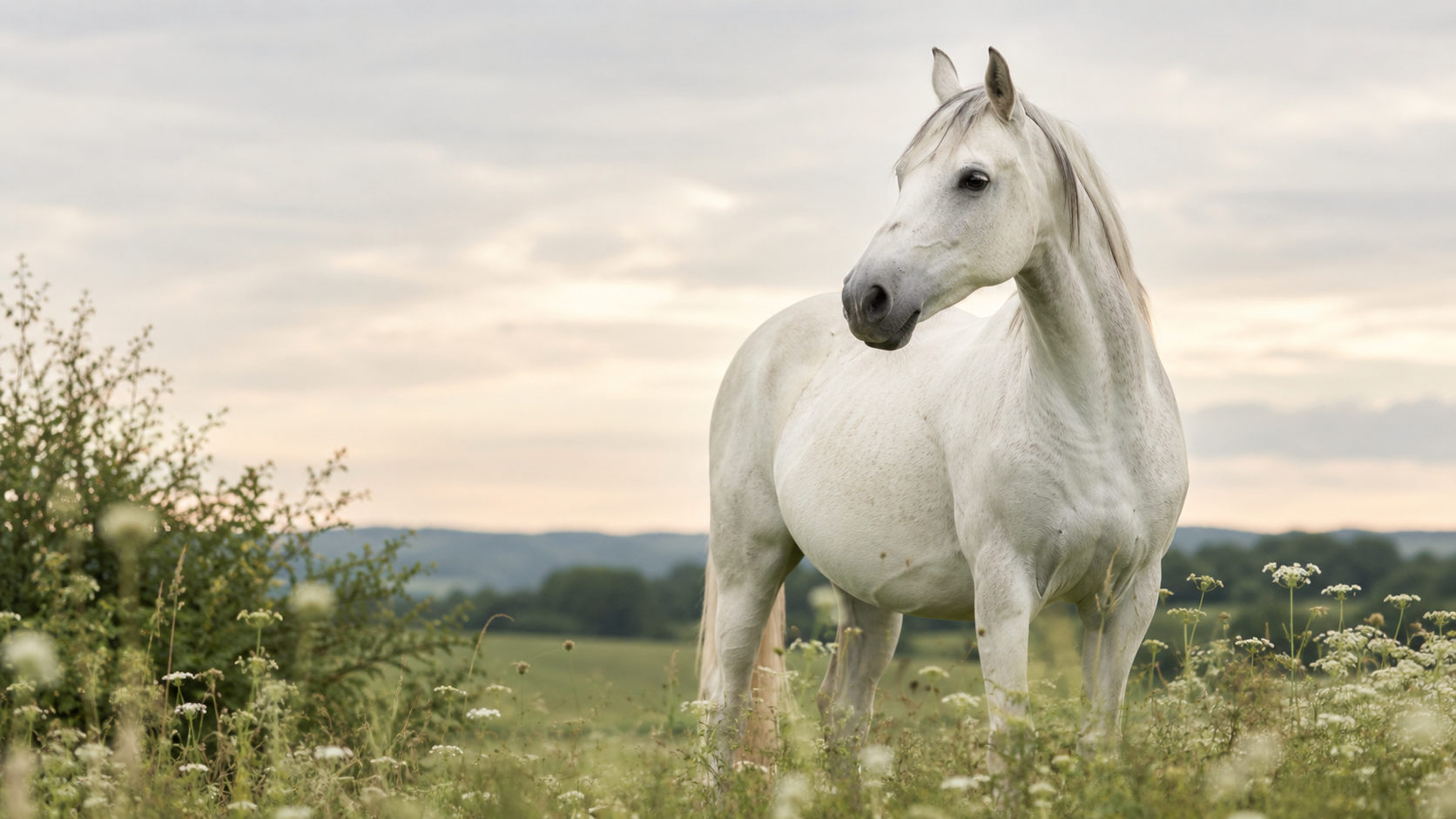
The breed at a glance
The Czechoslovakian Riding Pony is known for its calm, docile, and intelligent temperament. It is courageous and willing to work, which makes it particularly suitable for children and beginner riders.
- Category
- pony
- Origin
- Czechoslovakia (present-day Czech Republic and Slovakia) · Mid-20th century
- Height at withers
- 125–148 cm
- Weight
- 250–400 kg
- Lifespan
- 25-30 years
- Common coats
- bay, chestnut, grey, black
- Disciplines
- show jumping (ponies), dressage (ponies), eventing (ponies), pony games
- Other names
- Tschechoslowakisches Reitpony, Czechoslovak Riding Pony
Origin and history
The Czechoslovakian Riding Pony was developed after World War II, in the 1950s-1960s, to meet the demand for sport and leisure ponies for children. It originated from crosses between local ponies and imported breeds such as the Welsh Pony, Haflinger, and Arabian. The goal was to create a versatile, robust, and good-natured pony. The breed was officially recognized in Czechoslovakia.
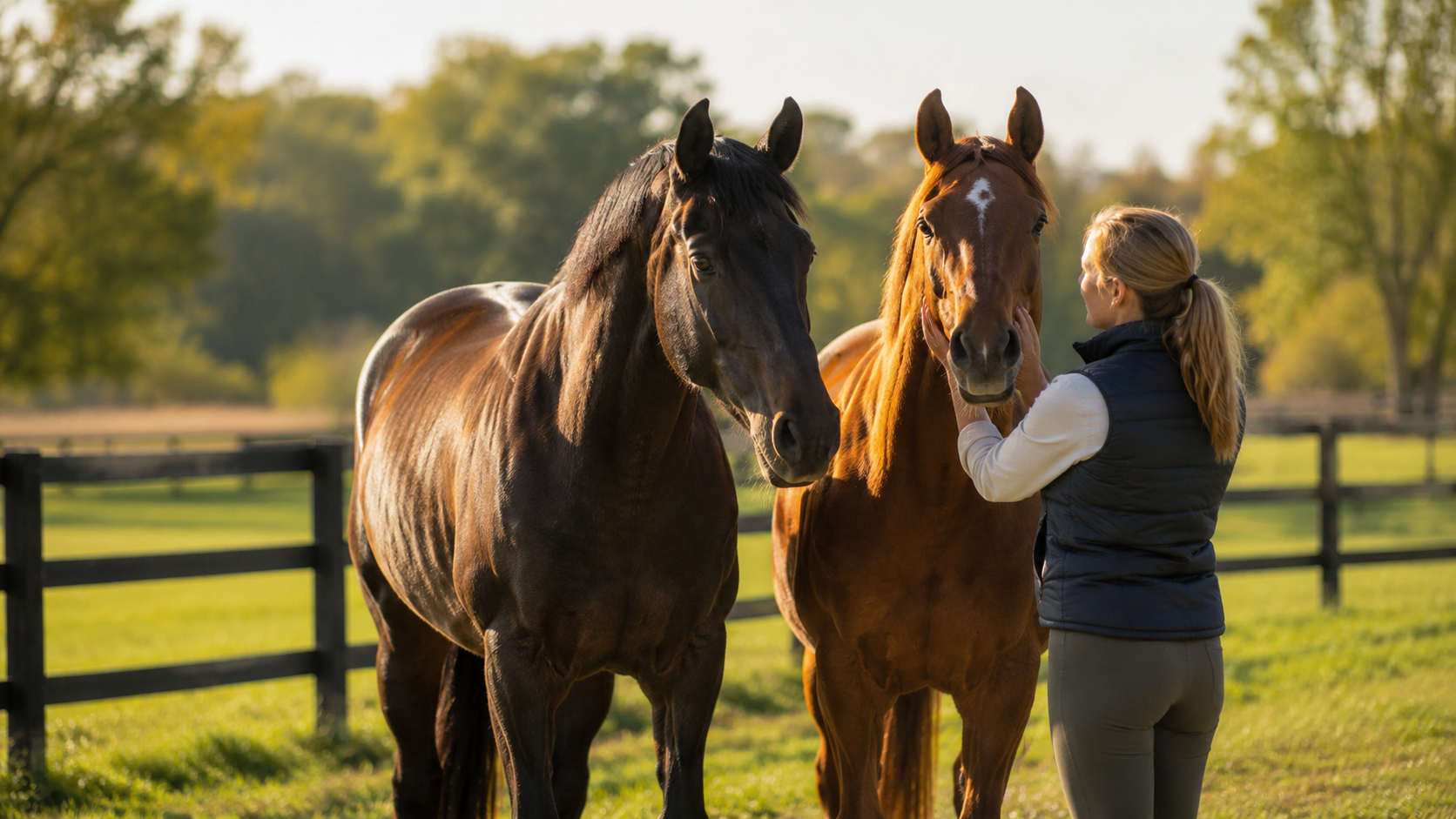
Conformation and physique
It is a medium-sized, well-proportioned pony with solid bone structure but without excessive heaviness. It has a harmonious silhouette, typical of a riding pony.
Expressive, medium-sized head, with a straight or slightly concave profile. The eyes are large and lively, the ears well-set and mobile.
Medium-length neck, well-muscled and well-set, blending harmoniously into a well-defined wither.
Short, strong back, taut topline. Deep and well-developed chest. Muscled croup, often slightly sloping.
Solid, clean limbs, with well-defined joints. The cannons are short, and the hooves are hard and well-formed. Feathers are generally sparse.
- Common coats: bay, chestnut, grey, black
Temperament and aptitudes
The Czechoslovakian Riding Pony is known for its calm, docile, and intelligent temperament. It is courageous and willing to work, which makes it particularly suitable for children and beginner riders.
The gaits are regular, supple, and energetic, with good balance. The walk is ample, the trot active, and the canter balanced, making it a good sport pony.
- Uses: riding pony for children and teenagers, family leisure, light driving, riding school
- Disciplines: show jumping (ponies), dressage (ponies), eventing (ponies), pony games, trail riding
Feeding the Czechoslovakian Riding Pony
This pony has a rather efficient metabolism, typical of pony breeds. It is generally easy to care for and tends to gain weight if its diet is not monitored. A diet based on good quality forage (hay or grass) in sufficient quantity is paramount. Concentrates are only necessary in cases of intense work or specific needs (growth, lactation), and must be adapted to avoid excesses of sugars and starch.
Like many ponies, the Czechoslovakian Riding Pony can be predisposed to laminitis and Equine Metabolic Syndrome (EMS) if overfed or if it has unlimited access to overly rich grass. Careful monitoring of its weight and diet is therefore essential.
With Equio, every feed, supplement or treat is read against the horse's real profile (age, weight, Body Condition Score, conditions) — useful for a Czechoslovakian Riding Pony as soon as a metabolic or digestive sensitivity is known.

Health and points to watch
It is important to regularly monitor the pony's body condition to prevent obesity and associated metabolic problems. Particular attention should be paid to hoof quality and the prevention of hoof conditions, especially laminitis.
- More frequent conditions: laminitis, Equine Metabolic Syndrome (EMS), obesity
Care and grooming
Care is relatively simple. Hooves require regular trimming every 6 to 8 weeks. The mane and tail can be brushed regularly to prevent tangles. The coat is easy to maintain and does not require special care, apart from regular brushing to keep it clean and shiny. Clipping is generally only necessary for ponies in intense work during winter.
Did you know?
- Although its name evokes Czechoslovakia, the breed is now primarily bred in the Czech Republic and Slovakia, where it is valued for its versatility.
- There are distinct breed registries in the two successor countries of Czechoslovakia, with slightly adapted standards but a common origin.
- This pony is often used in riding schools for teaching young riders due to its reliable temperament.
The Czechoslovakian Riding Pony and how to track it
The breed is not widespread in France and is not significantly bred there. Individuals present are generally imported or are crossbred.
Equio lets you build a complete profile for a Czechoslovakian Riding Pony: identity, weight, Body Condition Score, feeding, conditions, care reminders (vaccines, worming, trimming) and an exportable health log. The breed sets the identity; everyday decisions still depend on the real horse and your vet's advice.
- Record the activity level: rest, leisure, sport or breeding
- Add known conditions or sensitivities
- Scan feeds, plants and care products
- Keep reminders (vaccines, worming, trimming)
- Prepare a PDF export before a vet appointment
Frequently asked questions
Is the Czechoslovakian Riding Pony suitable for beginners?
Yes, thanks to its calm, docile, and intelligent temperament, it is particularly suitable for beginner riders and children. It is renowned for its patience and willingness to work.
What is the maximum height of a Czechoslovakian Riding Pony?
The maximum height at the withers for this breed is generally 148 cm, which classifies it as a D-pony according to international classification.
Is it a hardy breed?
Yes, it is considered a robust and resilient pony, capable of adapting to various climatic conditions. It is generally easy to keep and rarely prone to diseases.
Where can one find a Czechoslovakian Riding Pony in France?
The breed is rare in France. It is unlikely to find a dedicated breeding operation. Available individuals are often imports or crossbred ponies, and one would probably have to turn to the countries of origin (Czech Republic, Slovakia) for a purebred.
What are the main uses of this pony?
It is primarily used as a riding pony for children and adolescents, for leisure, riding school activities, and various pony sports disciplines such as show jumping, dressage, and eventing.