
Horse breed
Nordlandshest/Lyngshest
The Nordlandshest/Lyngshest is one of Norway's oldest horse breeds, descending from indigenous ponies that survived the harsh northern climate. Its origin is linked to Viking horses and ponies from the British Isles.

The breed at a glance
The Nordlandshest/Lyngshest is renowned for its calm, gentle, and cooperative temperament. It is intelligent, willing, and very versatile, making it easy to train and suitable for many riders, including children. Its hardiness and kindness make it an excellent companion.
- Category
- pony
- Origin
- Norway · Antiquity / Middle Ages
- Height at withers
- 125–145 cm
- Weight
- 350–450 kg
- Lifespan
- 25-30 years
- Common coats
- chestnut, bay, black, mouse, dun, palomino
- Disciplines
- dressage (leisure), show jumping (leisure), driving, equestrian trail riding
- Other names
- Cheval du Nordland, Lyngen Horse
Origin and history
The Nordlandshest/Lyngshest is one of Norway's oldest horse breeds, descending from indigenous ponies that survived the harsh northern climate. Its origin is linked to Viking horses and ponies from the British Isles. The breed nearly disappeared in the mid-20th century, but conservation efforts saved it. It was officially recognized in Norway and is now a symbol of the country's equine heritage.
Conformation and physique
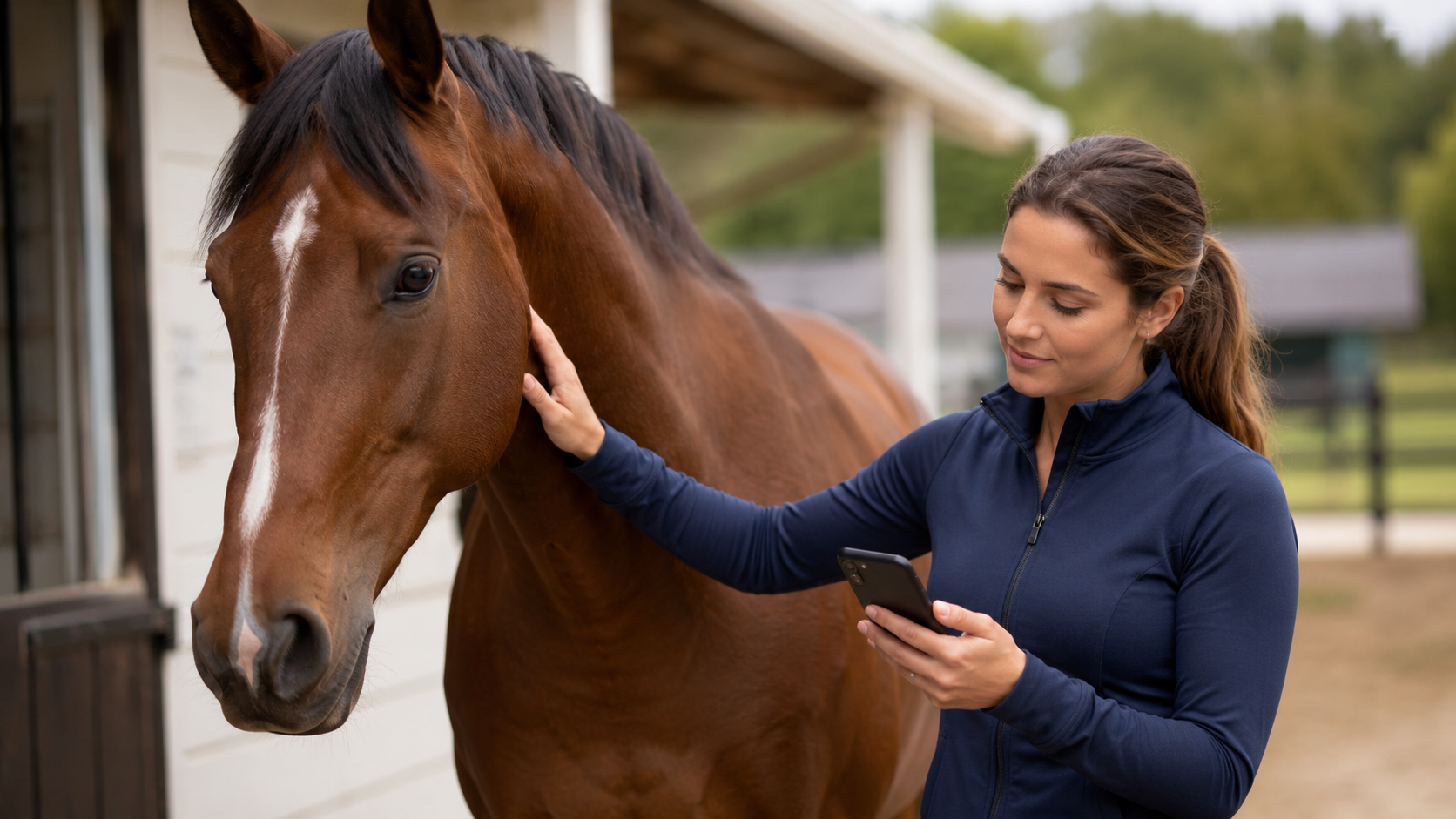
It is a small, compact, and robust pony, with strong bone structure and well-developed musculature. It has a harmonious silhouette, typical of hardy Nordic breeds, with good body depth.
The head is medium-sized, well-proportioned to the body, with a straight or slightly concave profile. The eyes are large and expressive, the ears small and well-placed.
The neck is of medium length, well-set, muscular, and carried elegantly. The withers are well-defined and blend harmoniously into the back.
The back is short and strong, the topline is solid. The chest is broad and deep, ensuring good lung capacity. The croup is muscular, slightly sloping, with a well-set tail.
The limbs are strong, with well-defined joints and clean tendons. The hooves are hard and well-formed, adapted to difficult terrain. Feathering is generally sparse.
- Common coats: chestnut, bay, black, mouse, dun, palomino
Temperament and aptitudes
The Nordlandshest/Lyngshest is renowned for its calm, gentle, and cooperative temperament. It is intelligent, willing, and very versatile, making it easy to train and suitable for many riders, including children. Its hardiness and kindness make it an excellent companion.
The gaits are supple, energetic, and regular, with good impulsion. The walk is active, the trot is airy, and the canter is balanced, making it a pleasant pony to ride.
- Uses: pack horse, light draft horse, mount for children and light adults, driving, trail riding, equine-assisted therapy, light agricultural work
- Disciplines: dressage (leisure), show jumping (leisure), driving, equestrian trail riding, pony games
Feeding the Nordlandshest/Lyngshest
The Nordlandshest/Lyngshest is a hardy and very thrifty breed, accustomed to poor pastures and harsh winters. It has an efficient metabolism and is prone to becoming overweight if its diet is not managed. A diet based primarily on good quality forage (hay or grass) is essential. Concentrates are only necessary in cases of intense work or specific needs and should be given sparingly to avoid excess weight.
Due to its thrifty metabolism, the Nordlandshest/Lyngshest is predisposed to Equine Metabolic Syndrome (EMS) and laminitis, especially if overfed or given unlimited access to rich pastures. Careful management of sugar and starch intake is crucial to prevent these conditions.
With Equio, every feed, supplement or treat is read against the horse's real profile (age, weight, Body Condition Score, conditions) — useful for a Nordlandshest/Lyngshest as soon as a metabolic or digestive sensitivity is known.

Health and points to watch
Regular monitoring of weight and body condition is paramount to prevent obesity and associated pathologies. It is important to ensure a balanced diet and regular exercise. Hooves should be inspected frequently, especially if exposed to moisture.
- More frequent conditions: laminitis, Equine Metabolic Syndrome (EMS), obesity
Care and grooming
Care is relatively simple for this hardy breed. The naturally hard hooves require regular trimming but can be shod if work demands it. The mane and tail are often thick and require regular detangling. The dense coat protects it well from cold and moisture, and clipping is generally not necessary except for intensive work in winter.
Did you know?
- The Nordlandshest/Lyngshest is the smallest of Norway's three national ponies, the other two being the Fjord and the Dølehest.
- Despite its small size, it is renowned for its strength and endurance, capable of carrying heavy loads over long distances in mountainous terrain.
- The breed was saved from extinction thanks to an intensive breeding program initiated in the 1960s, with only a handful of stallions and mares remaining.
The Nordlandshest/Lyngshest and how to track it
The Nordlandshest/Lyngshest breed is very rare in France, with a very limited population of individuals. There is no significant breeding, and its use is mainly private, often by enthusiasts of Nordic breeds or for leisure activities.
Equio lets you build a complete profile for a Nordlandshest/Lyngshest: identity, weight, Body Condition Score, feeding, conditions, care reminders (vaccines, worming, trimming) and an exportable health log. The breed sets the identity; everyday decisions still depend on the real horse and your vet's advice.
- Record the activity level: rest, leisure, sport or breeding
- Add known conditions or sensitivities
- Scan feeds, plants and care products
- Keep reminders (vaccines, worming, trimming)
- Prepare a PDF export before a vet appointment
Frequently asked questions
Is the Nordlandshest/Lyngshest suitable for children?
Yes, its calm, gentle, and cooperative temperament makes it an excellent pony for children and beginner riders. It is patient and learns quickly, which facilitates its training.
What is the maximum height of a Nordlandshest/Lyngshest?
The maximum height at the withers for a Nordlandshest/Lyngshest is generally 145 cm, thus classifying it in the pony category.
Is the Nordlandshest/Lyngshest a rare breed?
Yes, it is considered a rare breed, even in its country of origin, Norway. Conservation efforts are underway to maintain its population.
Can an adult ride a Nordlandshest/Lyngshest?
Yes, despite its pony size, the Nordlandshest/Lyngshest is robust and strong enough to carry light to medium-weight adults, particularly for trail riding or driving.
What are the common health problems in the Nordlandshest/Lyngshest?
Due to its thrifty metabolism, it is predisposed to obesity, Equine Metabolic Syndrome (EMS), and laminitis. Careful management of diet and exercise is essential to prevent these problems.