
Horse breed
Nivernais
The Nivernais is a draft horse breed originating from the Nivernais region in Burgundy. It resulted from crosses between local mares and Percheron stallions, introduced in the early 19th century.
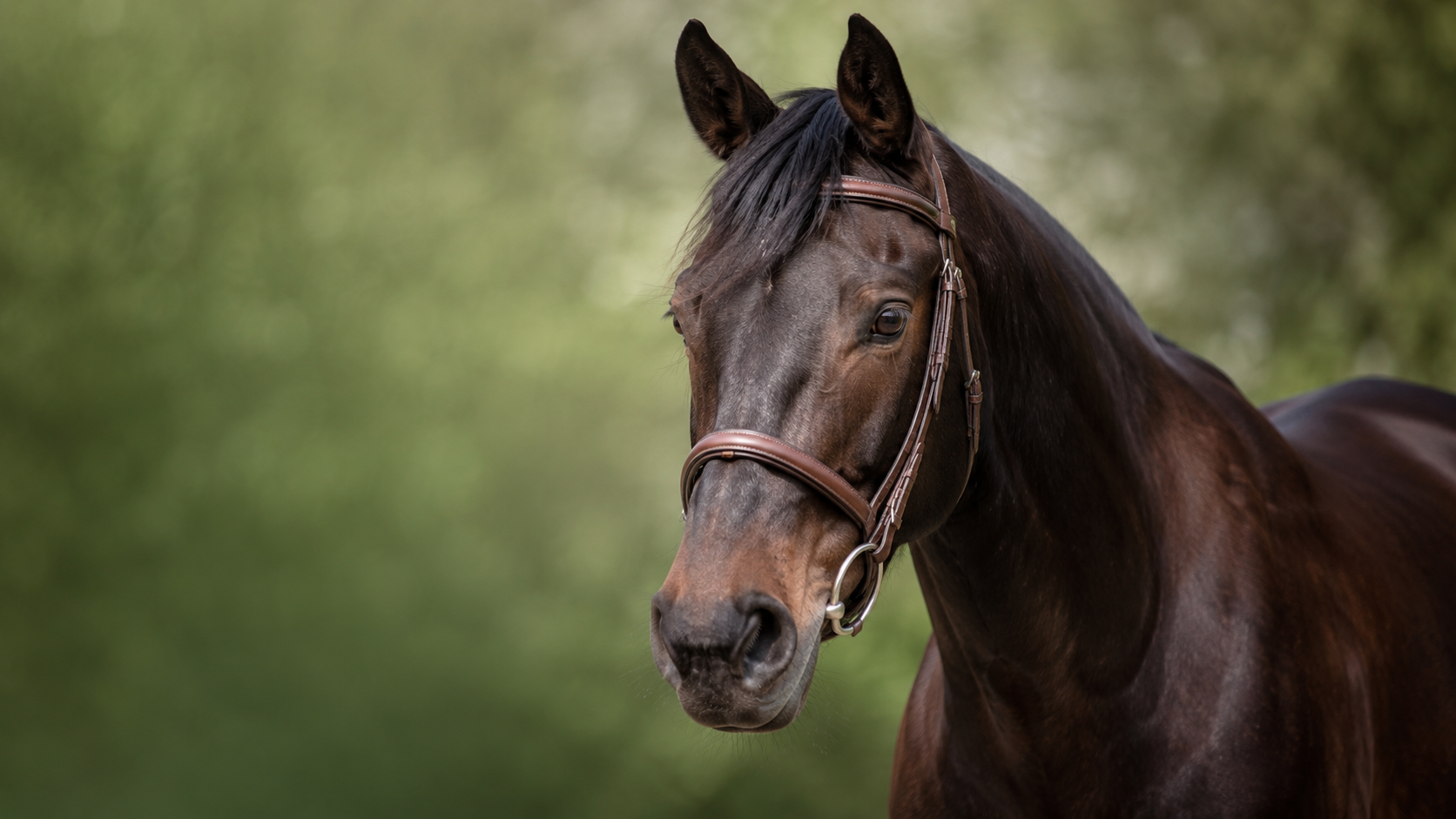
The breed at a glance
The Nivernais is renowned for its calm, gentle, and docile temperament. It is a willing, courageous, and very enduring horse for work, which made it a reliable partner for farmers.
- Category
- draft horse
- Origin
- France · 19th century
- Height at withers
- 160–170 cm
- Weight
- 700–900 kg
- Lifespan
- 20-25 years
- Common coats
- black
- Disciplines
- competition driving, logging, demonstration farm work
Origin and history
The Nivernais is a draft horse breed originating from the Nivernais region in Burgundy. It resulted from crosses between local mares and Percheron stallions, introduced in the early 19th century. Its selection aimed to create a powerful and elegant horse, suited for heavy agricultural work and transport. The breed reached its peak in the late 19th century before declining with the mechanization of agriculture.

Conformation and physique
It is a large-sized draft horse, powerful and harmonious, with a solid bone structure and well-developed musculature. Its build is massive but retains a certain elegance.
Expressive, medium-sized head, with a straight or slightly convex profile. The ears are well-set and mobile, the eyes lively and gentle.
Long, muscular neck, well-set and carried elegantly. The withers are prominent and well-sloped.
Broad and short back, well-supported. The topline is strong. Ample and deep chest. Long, broad, and slightly sloping croup, often double.
Solid, well-conformed limbs, with large, sound joints. The cannons are short and strong. Feathers are sparse but present.
- Common coats: black
Temperament and aptitudes
The Nivernais is renowned for its calm, gentle, and docile temperament. It is a willing, courageous, and very enduring horse for work, which made it a reliable partner for farmers.
The gaits are ample, energetic, and regular, with good impulsion. The walk is active and the trot powerful, suited for draft work.
- Uses: agricultural work (plowing, logging), heavy transport, recreational and competitive driving, forestry work, green space maintenance
- Disciplines: competition driving, logging, demonstration farm work
Feeding the Nivernais
The Nivernais, like most draft horses, is an efficient metabolizer. It makes good use of quality forage (hay, grass) and tends to gain weight if its diet is not adjusted to its activity level. Concentrates are only necessary in cases of intense work or specific needs (reproduction, growth), with a preference for low sugar and starch content.
Due to its efficient metabolism, the Nivernais can be predisposed to obesity and, consequently, to increased risks of laminitis and Equine Metabolic Syndrome (EMS) if overfed or sedentary. Careful weight monitoring and a controlled diet are essential.
With Equio, every feed, supplement or treat is read against the horse's real profile (age, weight, Body Condition Score, conditions) — useful for a Nivernais as soon as a metabolic or digestive sensitivity is known.
Health and points to watch
Particular attention must be paid to weight management to prevent laminitis and EMS. Good conformation and regular hoof care are crucial to avoid joint and hoof problems, especially in a horse of this size.
- More frequent conditions: joint conditions related to weight and intense work (osteoarthritis), hoof problems (laminitis if overweight)
Care and grooming
The Nivernais' hooves require regular and careful trimming due to their size and the weight they support. The feathers, although sparse, must be monitored to prevent dermatitis. The coat is easy to maintain. Clipping may be considered for horses working intensely to aid thermal regulation.
Did you know?
- The Nivernais was nicknamed the 'Black Percheron' due to its exclusive coat color and its resemblance to the Percheron, from which it is, in fact, descended.
- It was highly prized by large trading houses and brewers for heavy goods transport in the 19th century.
- The breed almost completely disappeared after World War II, but conservation efforts have allowed a small herd to be maintained.
The Nivernais and how to track it
The Nivernais breed is now very rare and considered endangered. A small number of passionate breeders are striving to preserve it, primarily for recreational driving and demonstration work.
Equio lets you build a complete profile for a Nivernais: identity, weight, Body Condition Score, feeding, conditions, care reminders (vaccines, worming, trimming) and an exportable health log. The breed sets the identity; everyday decisions still depend on the real horse and your vet's advice.
- Record the activity level: rest, leisure, sport or breeding
- Add known conditions or sensitivities
- Scan feeds, plants and care products
- Keep reminders (vaccines, worming, trimming)
- Prepare a PDF export before a vet appointment
Frequently asked questions
Is the Nivernais suitable for beginners?
Yes, thanks to its calm and docile temperament, the Nivernais can be an excellent horse for beginners, especially in driving. Its strength and patience make it a reliable and safe partner.
What is the typical coat color of the Nivernais?
The characteristic and almost exclusive coat color of the Nivernais is black. This was one of the peculiarities that distinguished it from other draft breeds at its peak.
Is the Nivernais still used for agricultural work?
Although its primary use was agricultural work, the Nivernais is rarely used for this task intensively today. It is more commonly employed for demonstrations, green space maintenance, or light logging, as well as recreational driving.
Where can Nivernais horses be found?
The Nivernais is a very rare breed. A few passionate breeders can be found in France, mainly in its region of origin, the Nivernais. It is advisable to contact the breed association for information on available breeders.
What is the cost of keeping a Nivernais?
The cost of keeping a Nivernais is comparable to that of other large draft horses. It includes feed (primarily forage), regular veterinary care, hoof trimming, and, if necessary, shoeing. Its efficient metabolism can help control feed costs if care is taken not to overfeed it.