
Horse breed
Mérens
Originating from the Ariège Pyrenees, the Mérens is a very ancient breed, likely descended from the wild horses of the region. Its geographical isolation allowed for natural selection and the purity of the breed over centuries.

The breed at a glance
The Mérens is renowned for its calm, gentle, and willing temperament. It is an intelligent, courageous, and enduring horse, with excellent surefootedness. It is close to humans and easy to train, making it a reliable companion for work and leisure.
- Category
- hardy breed
- Origin
- France · Antiquity (established in the Middle Ages)
- Height at withers
- 145–155 cm
- Weight
- 400–550 kg
- Lifespan
- 25-30 years
- Common coats
- jet black
- Disciplines
- Equestrian trekking, TREC (Competitive Trail Riding Techniques), Driving, Working equitation
- Other names
- Cheval de Mérens, Ariegeois, Poney Ariégeois
Origin and history
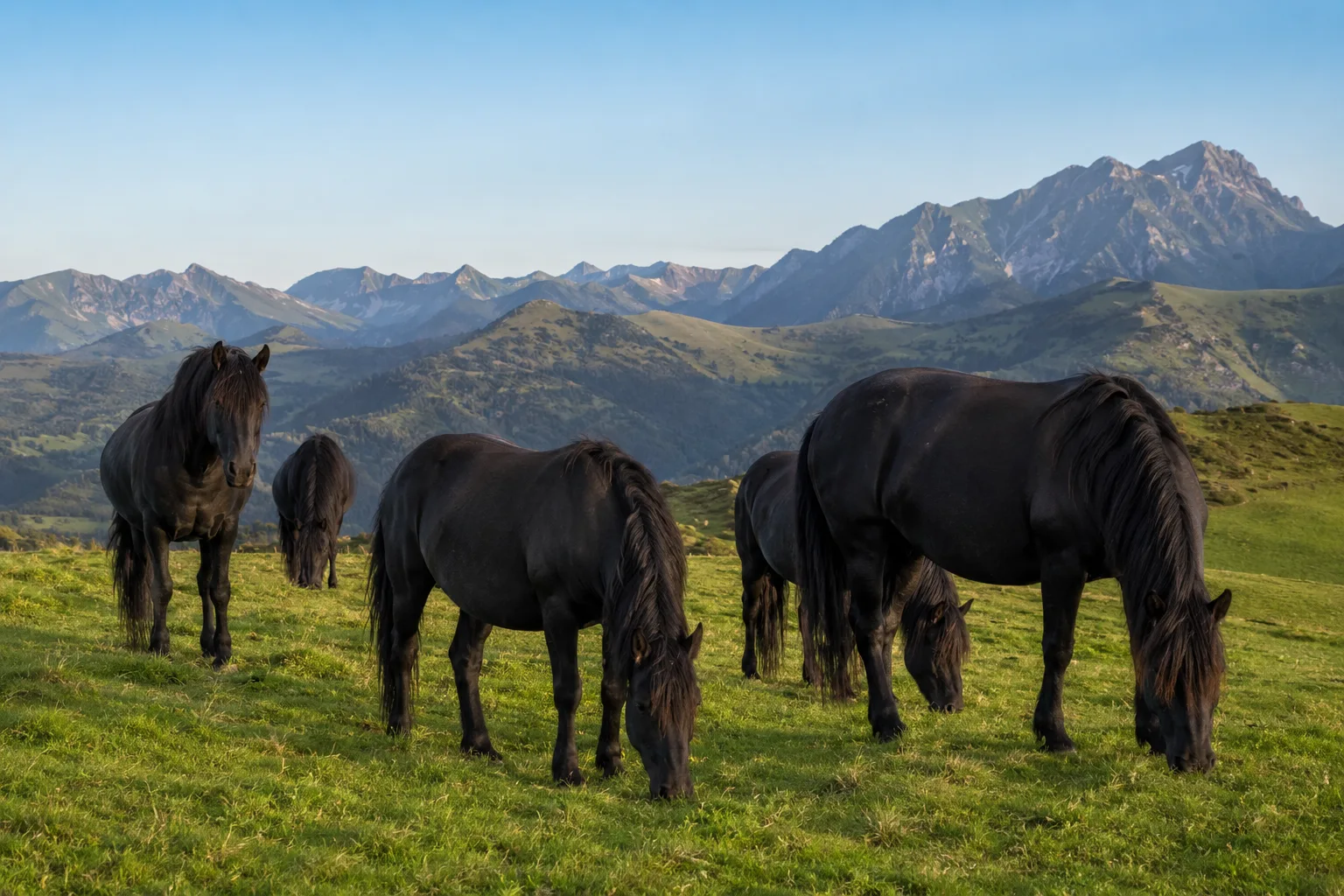
Originating from the Ariège Pyrenees, the Mérens is a very ancient breed, likely descended from the wild horses of the region. Its geographical isolation allowed for natural selection and the purity of the breed over centuries. Historically used by farmers and smugglers for its robustness and surefootedness in the mountains, it was officially recognized as a breed in 1908. Today, it is a symbol of the Pyrenean equine heritage.
Conformation and physique
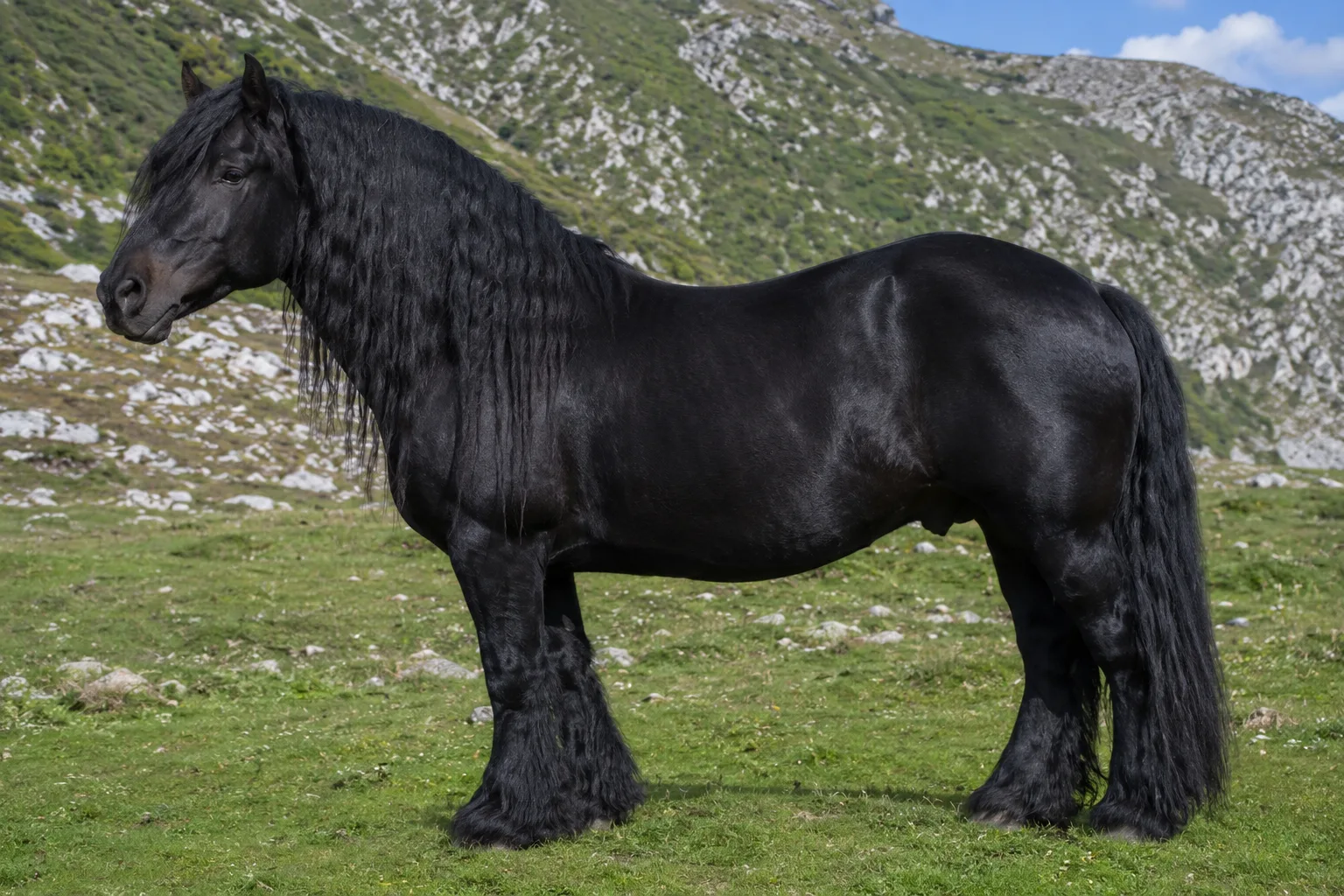
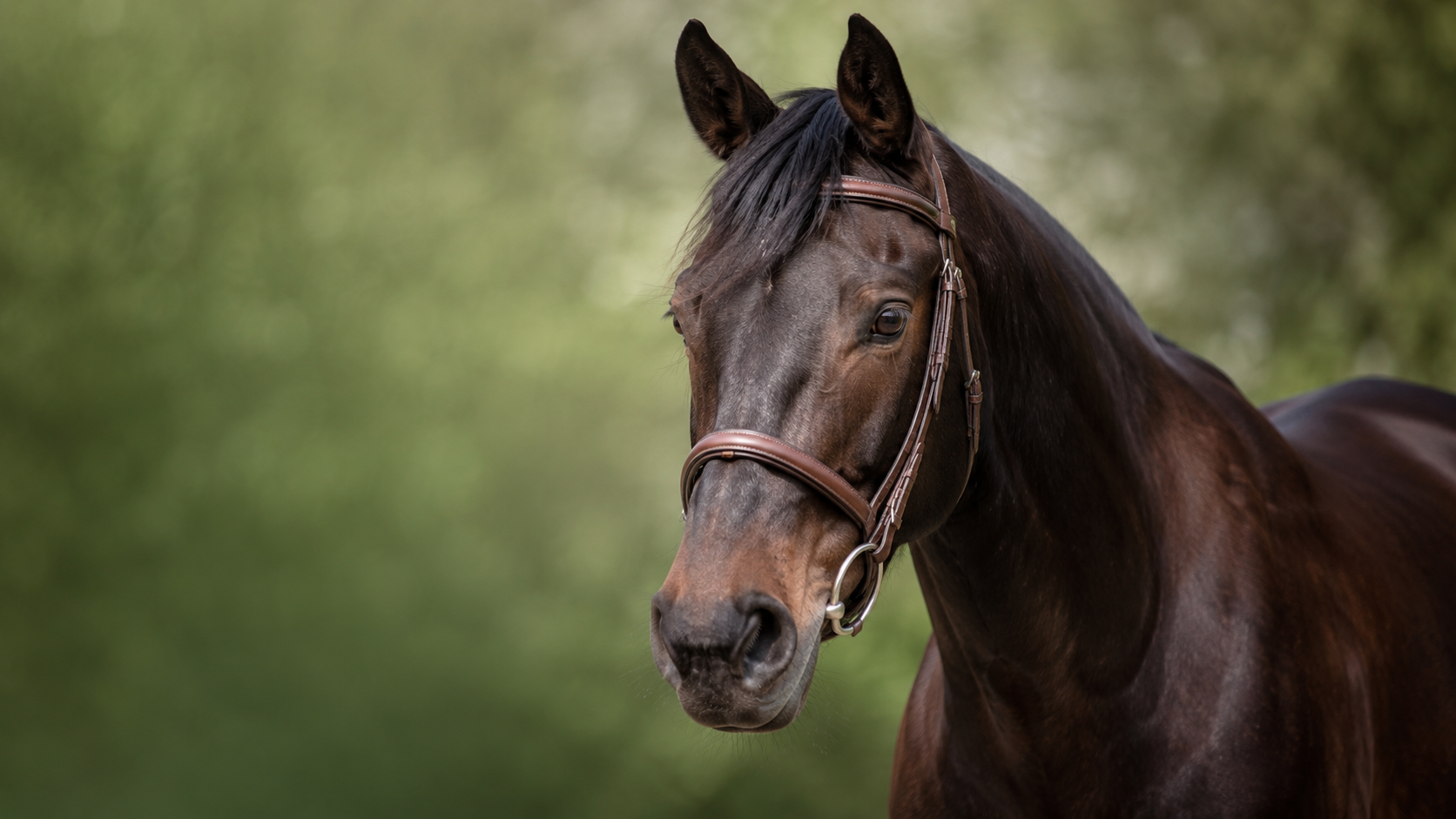
A mesomorphic horse, compact and powerful, with solid bone structure and well-developed musculature. It presents a harmonious silhouette, typical of mountain horses, combining strength and agility.
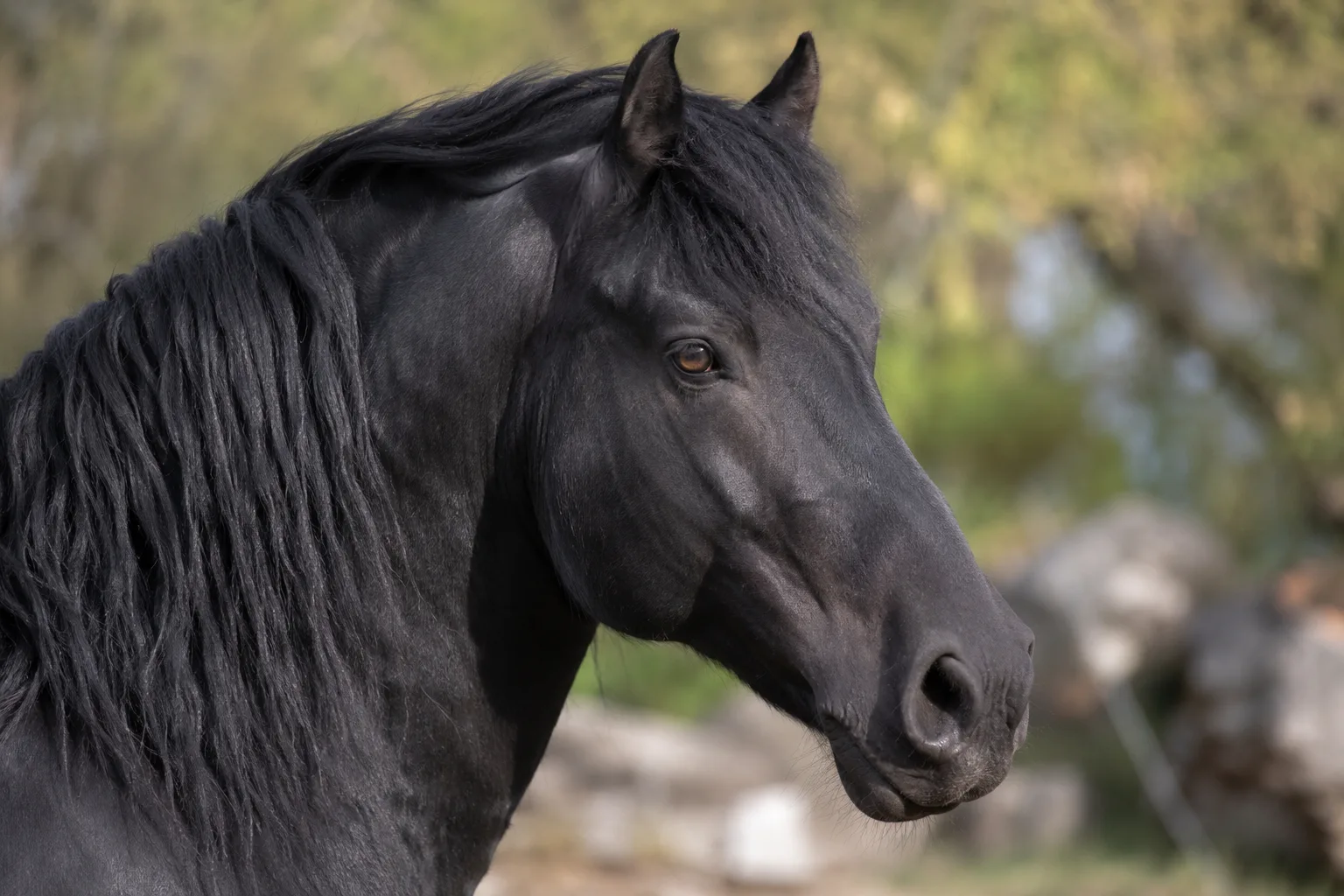
An expressive, rather strong head, with a straight or slightly concave profile. The forehead is broad, the eyes lively and gentle, the ears short and well-set. The muzzle is broad and the nostrils well-open.
A short and thick neck, well-muscled, blending harmoniously into a low but well-defined wither. It is carried proudly.
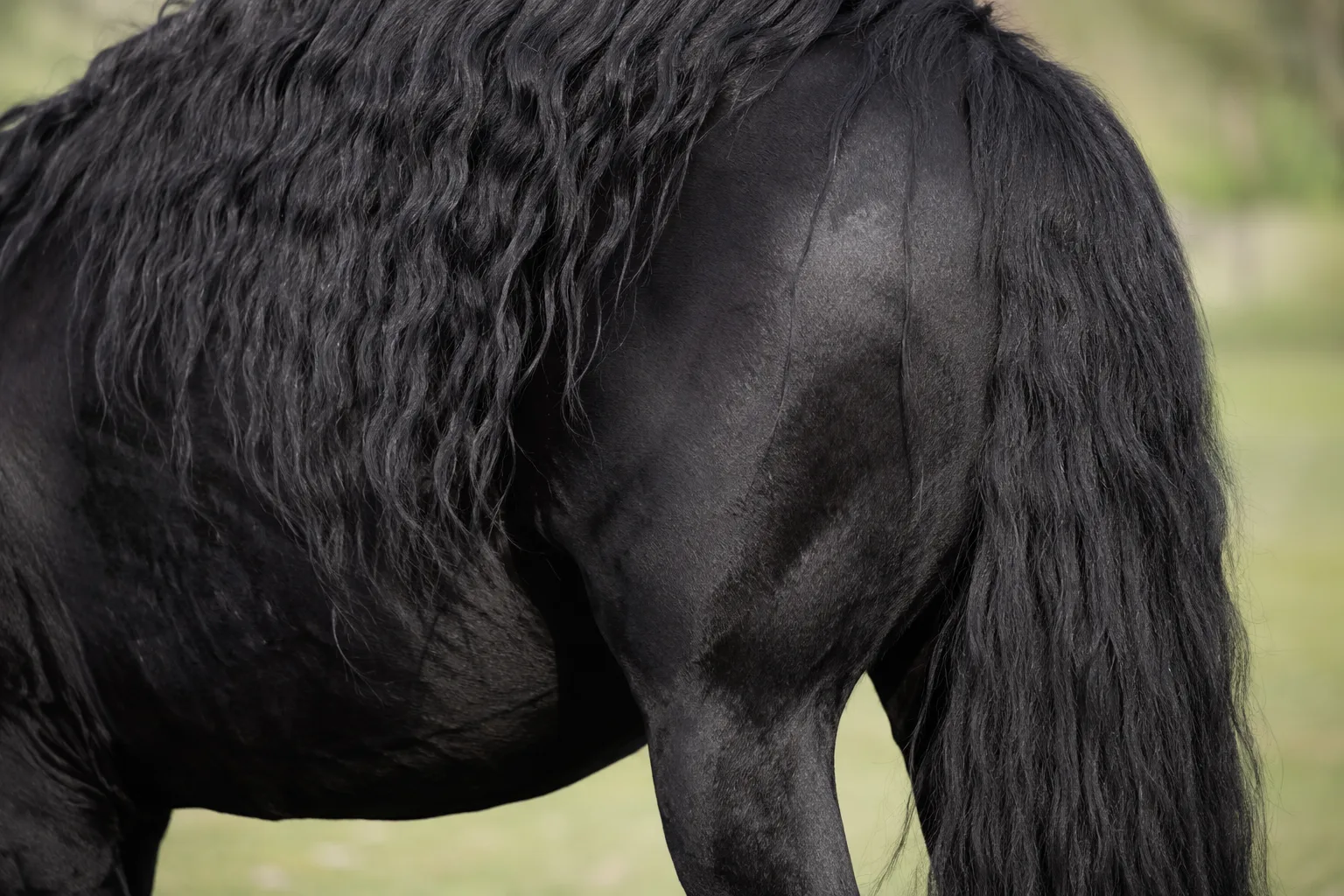
A short and strong back, well-supported. The topline is taut and muscular. The chest is broad and deep, indicative of good respiratory capacity. The hindquarters are round, powerful, and well-muscled, often double-muscled.
Short, strong, and well-conformed limbs, with broad and healthy joints. The cannons are short and strong, the feet are broad, round, and very hard, adapted to difficult terrain. Abundant feathering is present.
- Common coats: jet black
Temperament and aptitudes
The Mérens is renowned for its calm, gentle, and willing temperament. It is an intelligent, courageous, and enduring horse, with excellent surefootedness. It is close to humans and easy to train, making it a reliable companion for work and leisure.
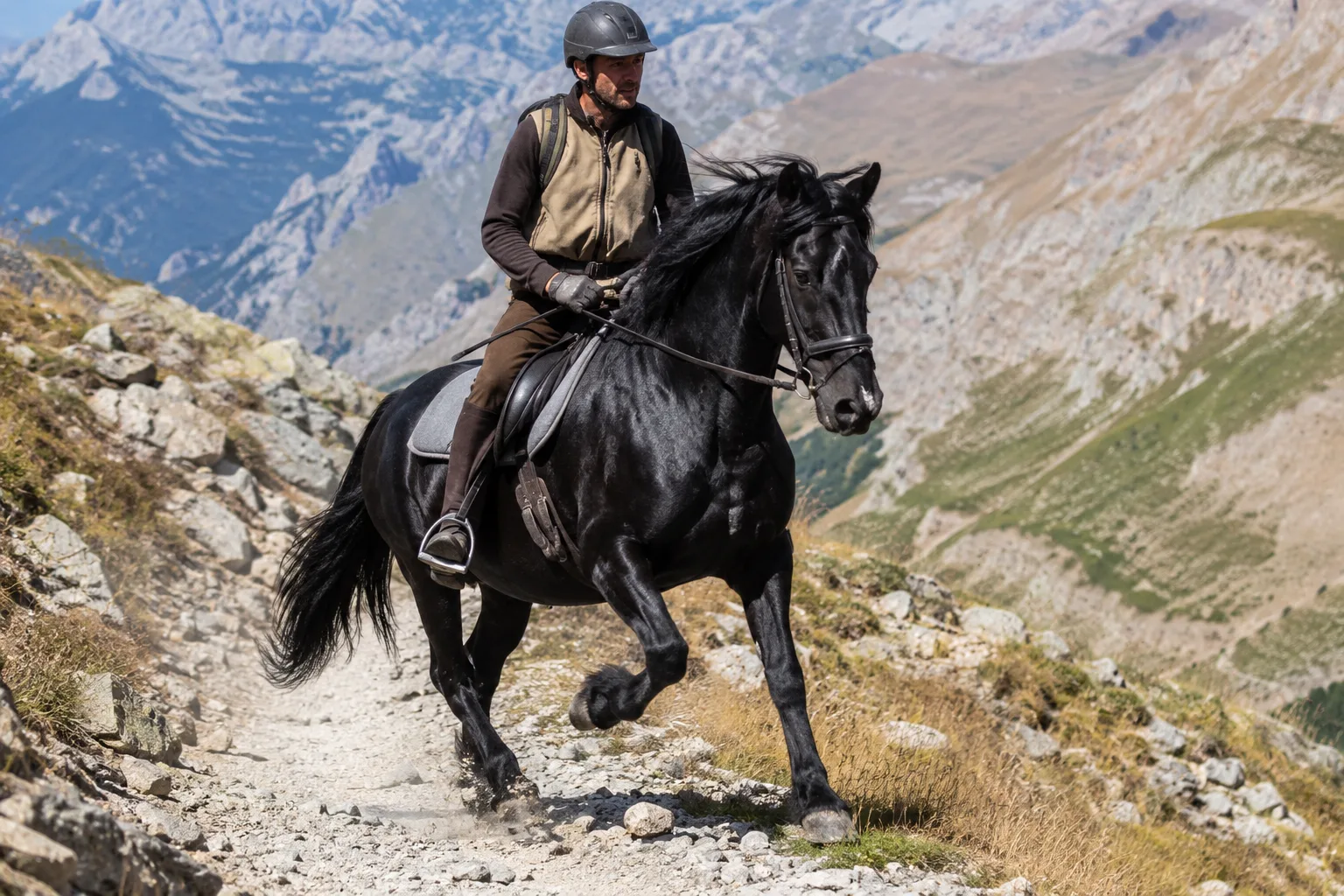
The gaits are ample, supple, and energetic, with good balance. The walk is surefooted and regular, the trot is active, and the canter is balanced, allowing for easy progression over varied terrain.
- Uses: Agricultural and logging work, Equestrian trail riding and equestrian tourism, Driving, Recreational riding, Mountain packing, Semi-feral rearing
- Disciplines: Equestrian trekking, TREC (Competitive Trail Riding Techniques), Driving, Working equitation, Leisure dressage, Leisure show jumping
Feeding the Mérens
The Mérens is a hardy horse with an economical metabolism, accustomed to harsh living conditions and a poor diet. It tends to gain weight if overfed. Its diet should primarily consist of good quality forage (hay, grass) in sufficient quantities. Concentrates are only necessary in cases of intense work or specific needs (gestation, lactation), and should be given sparingly to avoid excesses.
Due to its economical metabolism, the Mérens can be predisposed to Equine Metabolic Syndrome (EMS) and laminitis if subjected to a diet too rich in sugars and starch, or if it is overweight. Careful dietary management is crucial to prevent these conditions.
With Equio, every feed, supplement or treat is read against the horse's real profile (age, weight, Body Condition Score, conditions) — useful for a Mérens as soon as a metabolic or digestive sensitivity is known.

Health and points to watch
Carefully monitor the horse's weight and adjust the diet accordingly. Regular and appropriate hoof trimming is essential, given their crucial role on difficult terrain. Particular attention should be paid to the quality of conformation and the condition of the joints, especially in older or heavily worked horses.
- More frequent conditions: Laminitis (in case of overfeeding), Equine Metabolic Syndrome (EMS), Joint problems related to age or excessive work on hard ground
Care and grooming
The Mérens' hooves are naturally hard and resistant, requiring regular trimming but often less intensive than other breeds. The mane, tail, and feathering are abundant and thick, requiring regular detangling to prevent knots and dirt accumulation. The dense coat protects it well from the cold; clipping is generally not necessary except for sport horses in intense work. Monitoring the skin under the feathering is recommended to prevent mud fever.
Did you know?
- The Mérens is sometimes nicknamed the 'devil's horse' due to its black coat and its ability to navigate the steepest terrains.
- It is the only French horse breed to have only one coat color allowed by its standard: jet black.
- Cave paintings in the Niaux cave, dating back to 13,000 BC, are believed to depict horses with characteristics similar to the modern Mérens.
The Mérens and how to track it
The Mérens is primarily bred in its region of origin, Ariège, but its population is stable, and it is appreciated throughout France for leisure and trail riding.
Equio lets you build a complete profile for a Mérens: identity, weight, Body Condition Score, feeding, conditions, care reminders (vaccines, worming, trimming) and an exportable health log. The breed sets the identity; everyday decisions still depend on the real horse and your vet's advice.
- Record the activity level: rest, leisure, sport or breeding
- Add known conditions or sensitivities
- Scan feeds, plants and care products
- Keep reminders (vaccines, worming, trimming)
- Prepare a PDF export before a vet appointment
Frequently asked questions
Is the Mérens suitable for beginners?
Yes, thanks to its calm, gentle temperament and docility, the Mérens is an excellent horse for beginners and riders of all levels. It is patient and reassuring, making it an ideal companion for learning to ride.
What is the average height of a Mérens?
The average height of a Mérens is between 145 cm and 155 cm at the wither. It is a medium-sized horse, which makes it versatile and easy to handle.
Can the Mérens live outdoors all year round?
Absolutely. The Mérens is a hardy breed perfectly suited to year-round outdoor living, even in harsh climatic conditions. Its dense coat and robustness allow it to withstand cold and humidity, provided it has natural or artificial shelter.
What is the price of a Mérens horse?
The price of a Mérens varies depending on its age, training level, lineage, and potential. Generally, a Mérens can cost between €2,500 and €6,000, or even more for proven breeding or competition animals.
Is the Mérens a good trail horse?
The Mérens is an excellent trail horse. Its sure-footedness, endurance, robustness, and calm temperament make it an ideal partner for long rides and mountain treks. It is capable of adapting to all types of terrain.