
Horse breed
Corsican Horse
The Corsican Horse is a native breed of the Isle of Beauty, whose origins date back to antiquity with various influences over the centuries. Long considered a type rather than a breed, it was shaped by its mountainous environment and its use by the inhabitants.
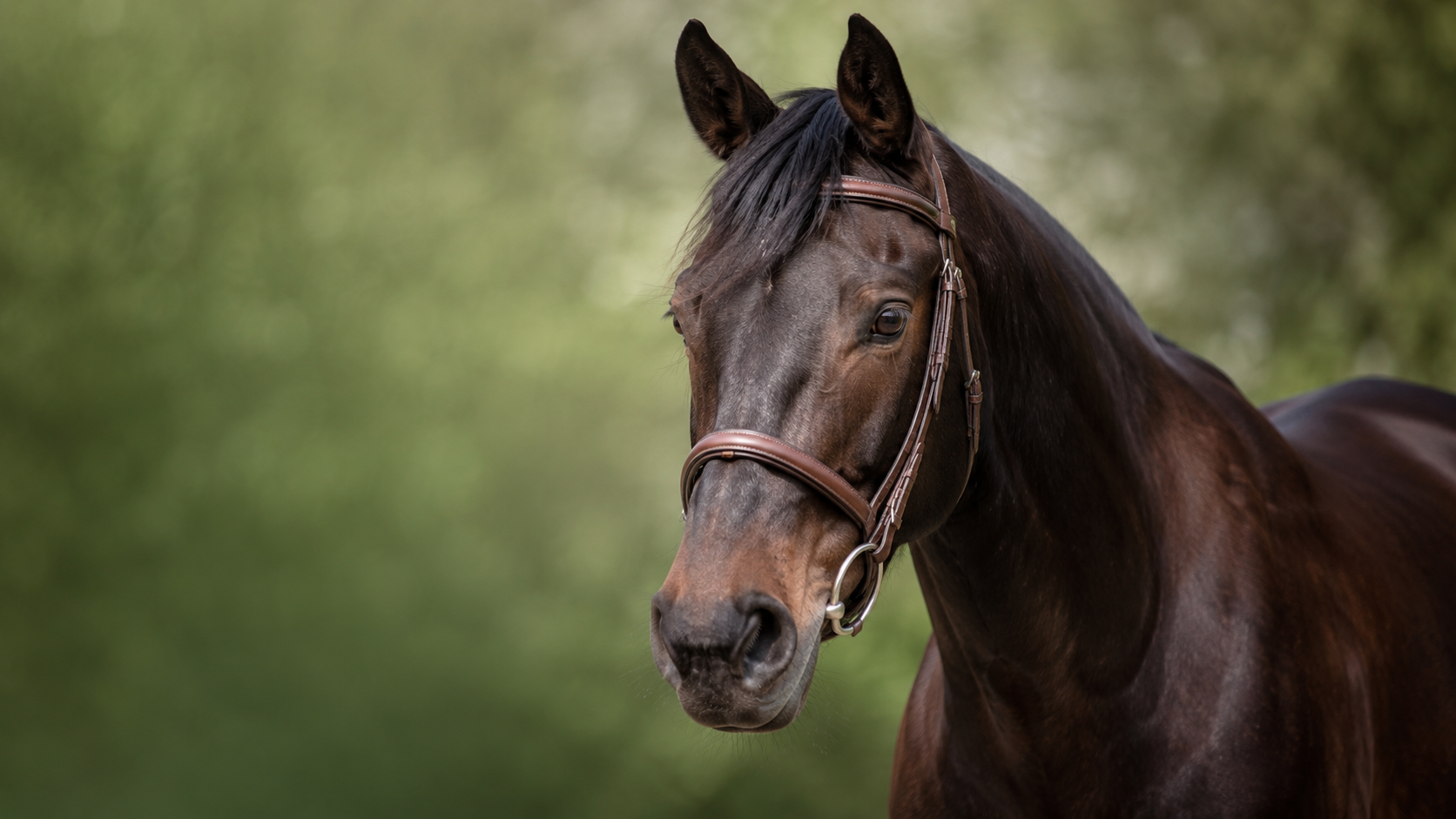
The breed at a glance
The Corsican Horse is renowned for its lively, courageous, and willing temperament. It is an intelligent horse, close to humans, but can be independent. It is enduring and very resistant to fatigue.
- Category
- hardy breed
- Origin
- France (Corsica) · Antiquity / Middle Ages (recent establishment)
- Height at withers
- 130–150 cm
- Weight
- 300–400 kg
- Lifespan
- 25-30 years
- Common coats
- black, bay, chestnut, grey
- Disciplines
- TREC, endurance riding, trail riding, working equitation
- Other names
- Poney Corse, Corsican Horse
Origin and history
The Corsican Horse is a native breed of the Isle of Beauty, whose origins date back to antiquity with various influences over the centuries. Long considered a type rather than a breed, it was shaped by its mountainous environment and its use by the inhabitants. Official recognition of the breed and the establishment of its studbook are relatively recent, dating from 2012, aiming to preserve this unique genetic heritage.

Conformation and physique
It is a small-sized horse, compact and harmonious, with a solid bone structure and lean musculature. It has a typical silhouette of rustic breeds, adapted to life in a harsh environment.
Expressive, medium-sized head, with a straight or slightly concave profile. The ears are small and well-set, the eyes lively and expressive.
Medium-length neck, well-set, muscular, and carried elegantly. The withers are rather low but well-defined.
Short, strong back, taut topline. Deep and ample chest. Slightly sloping, well-muscled croup, with a low-set tail.
Strong, clean limbs, with well-defined joints and clean tendons. The cannons are short. The hooves are small, hard, and resistant, adapted to stony terrain. No abundant feathering.
- Common coats: black, bay, chestnut, grey
Temperament and aptitudes
The Corsican Horse is renowned for its lively, courageous, and willing temperament. It is an intelligent horse, close to humans, but can be independent. It is enduring and very resistant to fatigue.
The gaits are supple, lively, and energetic, with a sure-footed step and good balance, particularly valued on uneven terrain. The canter is light and airy.
- Uses: packing and draft work, equestrian trail riding, recreational riding, cattle work, light logging
- Disciplines: TREC, endurance riding, trail riding, working equitation
Feeding the Corsican Horse
The Corsican Horse is a rustic breed with an economical metabolism, capable of thriving on poor quality forage. It is adapted to a diet based primarily on grass and hay. Its concentrate requirements are low and are only necessary in cases of intense work or proven deficiency, to avoid obesity.
Due to its economical metabolism, the Corsican Horse can be predisposed to obesity and, consequently, to Equine Metabolic Syndrome (EMS) and laminitis if overfed or given diets too rich in sugars and starch, especially during periods of low activity. Careful dietary management is crucial.
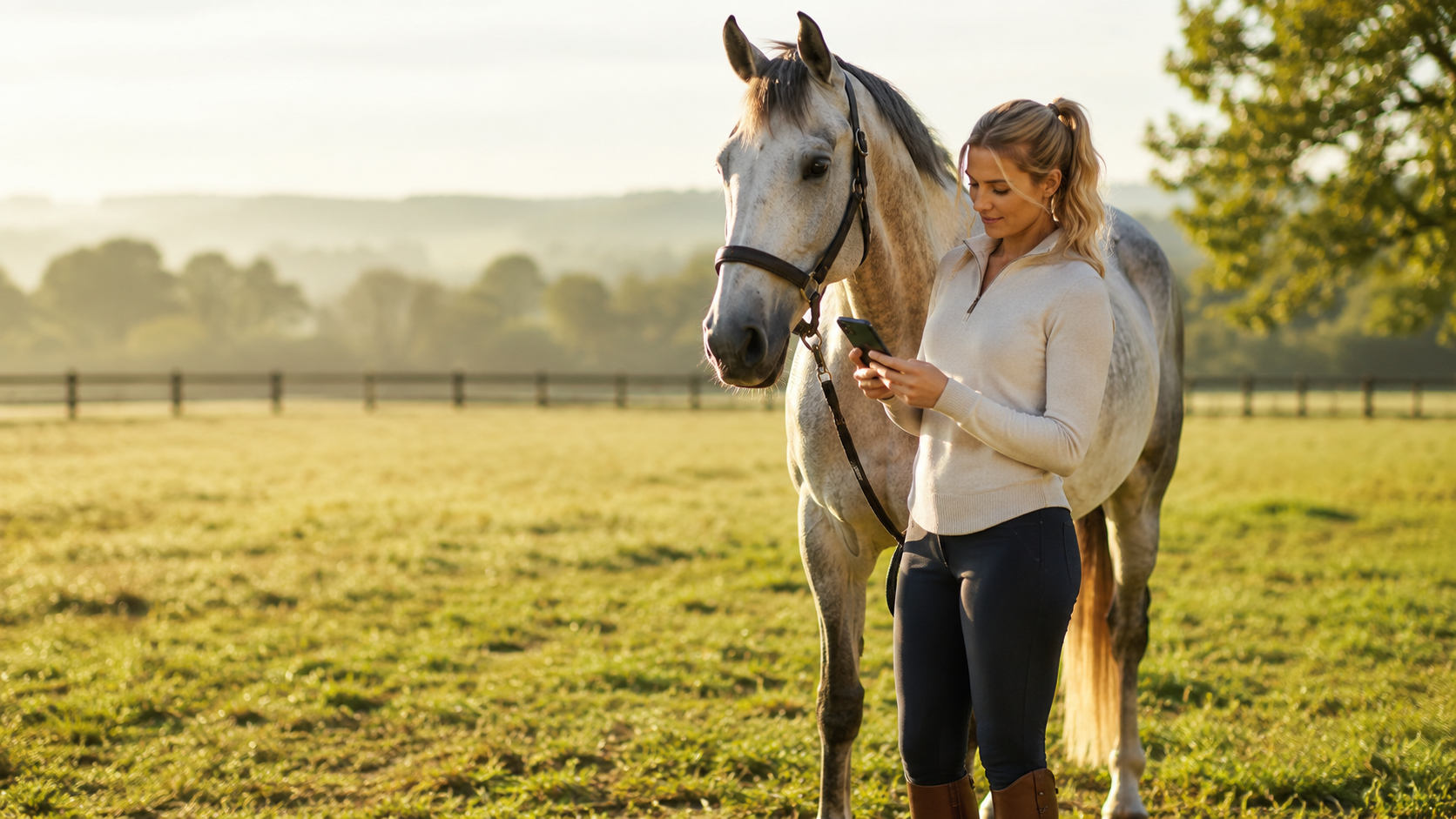
With Equio, every feed, supplement or treat is read against the horse's real profile (age, weight, Body Condition Score, conditions) — useful for a Corsican Horse as soon as a metabolic or digestive sensitivity is known.
Health and points to watch
Particular attention should be paid to the condition of the hooves, which, although resistant, require regular trimming adapted to the terrain. Weight monitoring is essential to prevent metabolic risks. Regular dental check-ups are also recommended.
- More frequent conditions: locomotor affections related to difficult terrain (sprains, contusions), dental problems (irregular wear)
Care and grooming
The hooves of the Corsican Horse are naturally hard and resistant, requiring regular trimming but often less intensive than other breeds. The mane and tail are generally full and only require standard care. The coat is dense and does not require special clipping, except for the horse's comfort during intense work. Skin care is standard.
Did you know?
- The Corsican Horse is the only native equid of the Isle of Beauty.
- Its official recognition in 2012 was the result of long-standing efforts by enthusiasts and breeders to preserve this genetic heritage.
- It is often used for agritourism and equestrian treks in the Corsican maquis.
The Corsican Horse and how to track it
The breed is primarily raised in Corsica, where it is a symbol of the island. Breeding farms also exist on the mainland, but the population remains modest and is subject to a conservation program.
Equio lets you build a complete profile for a Corsican Horse: identity, weight, Body Condition Score, feeding, conditions, care reminders (vaccines, worming, trimming) and an exportable health log. The breed sets the identity; everyday decisions still depend on the real horse and your vet's advice.
- Record the activity level: rest, leisure, sport or breeding
- Add known conditions or sensitivities
- Scan feeds, plants and care products
- Keep reminders (vaccines, worming, trimming)
- Prepare a PDF export before a vet appointment
Frequently asked questions
Is the Corsican Horse suitable for beginners?
Its lively temperament and intelligence can make it less suitable for beginner riders without supervision. It is better suited for riders with some experience looking for a willing and enduring partner.
What is the price of a Corsican Horse?
The price of a Corsican Horse varies considerably depending on its age, training level, lineage, and potential. It can range from a few thousand euros for a young horse to more for a trained and proven horse for trail riding or TREC.
Can the Corsican Horse live outdoors all year round?
Yes, thanks to its hardiness and dense coat, the Corsican Horse is perfectly adapted to living outdoors all year round, even in varied climatic conditions, provided it has natural or artificial shelter and an appropriate diet.
What are the main qualities of the Corsican Horse?
Its main qualities are its hardiness, endurance, sure-footedness on difficult terrain, courage, and intelligence. It is an excellent trail and outdoor riding horse.
Where can I find a Corsican Horse breeder?
Most Corsican Horse breeding farms are located on the island of Corsica. The Corsican Horse Association (ACC) is the best resource for finding breeders and information about the breed.