
Horse breed
Međimurje
The Međimurje is a draught horse breed originating from the Međimurje region in northern Croatia, near the Slovenian and Hungarian borders. It was developed in the late 19th century through crosses between local mares and European draught horse stallions such as the Noriker, Ardennes, Percheron, and Brabant.

The breed at a glance
The Međimurje is renowned for its calm, docile, and willing temperament. It is hardworking, patient, and easy to handle, making it an excellent partner for agricultural and forestry work. Its gentleness also makes it suitable for leisure activities.
- Category
- draft horse
- Origin
- Croatia · Late 19th century
- Height at withers
- 150–160 cm
- Weight
- 600–800 kg
- Lifespan
- 20-25 years
- Common coats
- chestnut, bay, black, grey
- Disciplines
- draught work, leisure driving
- Other names
- Međimurski konj, Medjimurje Horse
Origin and history
The Međimurje is a draught horse breed originating from the Međimurje region in northern Croatia, near the Slovenian and Hungarian borders. It was developed in the late 19th century through crosses between local mares and European draught horse stallions such as the Noriker, Ardennes, Percheron, and Brabant. The breed was officially recognized, and a studbook was established to preserve its characteristics. Historically, it was essential for agricultural work and transport in its region of origin.
Conformation and physique
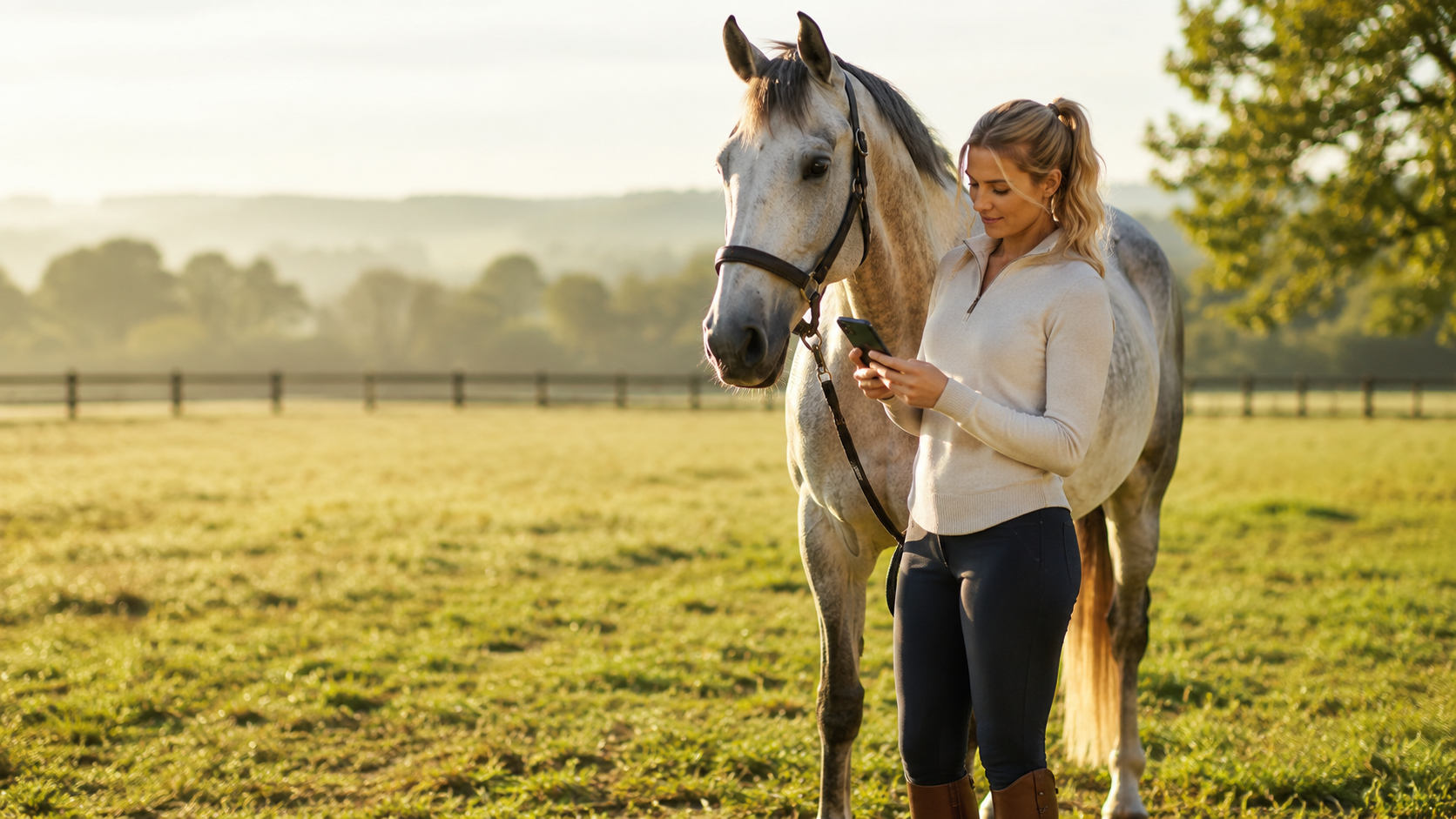
It is a medium to heavy draught horse, with a compact and muscular build. It possesses a strong bone structure and a robust constitution, suited for heavy work.
The head is medium-sized, with a straight or slightly convex (Roman) profile. The eyes are expressive, and the ears are medium-sized.
The neck is short, thick, and muscular, well-set into the withers. The withers are broad and not very prominent, blending harmoniously into the back.
The back is short, broad, and strong, with a straight and muscular topline. The chest is deep and broad, indicating good lung capacity. The croup is broad, powerful, and slightly sloped, often double.
The limbs are short, strong, and muscular, with broad and well-defined joints. The cannons are short, and the feet are large and solid. Moderate feathering is present.
- Common coats: chestnut, bay, black, grey
Temperament and aptitudes
The Međimurje is renowned for its calm, docile, and willing temperament. It is hardworking, patient, and easy to handle, making it an excellent partner for agricultural and forestry work. Its gentleness also makes it suitable for leisure activities.
The gaits are energetic, regular, and expansive, with good impulsion. The walk is powerful, and the trot is supple, allowing for efficient and enduring work.
- Uses: agricultural work (ploughing, harrowing), forestry work (logging), pack animal / carrying loads, leisure driving, leisure riding (for heavy or beginner riders), meat production (historically)
- Disciplines: draught work, leisure driving
Feeding the Međimurje
The Međimurje is a draught horse with a rather economical metabolism, capable of efficiently utilizing forage. It tends to gain weight if not worked sufficiently. Its diet should be primarily based on good quality forage (hay, grass). Concentrates are only necessary in cases of intense work or specific needs (gestation, lactation) and must be adjusted to avoid excess weight.
Like many draught breeds with an economical metabolism, the Međimurje can be predisposed to laminitis and Equine Metabolic Syndrome (EMS) in cases of overfeeding or a diet too rich in sugars and starch, especially if it is not very active. Careful dietary management is crucial to prevent these conditions.
With Equio, every feed, supplement or treat is read against the horse's real profile (age, weight, Body Condition Score, conditions) — useful for a Međimurje as soon as a metabolic or digestive sensitivity is known.

Health and points to watch
Particular attention must be paid to weight management to prevent metabolic and joint problems. The quality of the conformation and feet is essential, requiring regular and appropriate trimming to support its body mass.
- More frequent conditions: joint problems related to weight and intense work (osteoarthritis), hoof conditions (laminitis, sand crack) in case of poor management
Care and grooming
The Međimurje's large and solid hooves require regular and precise trimming to maintain their integrity and prevent hoof conditions. Its moderate mane, tail, and feathering require regular care to prevent the accumulation of mud and parasites. The dense coat is easy to maintain, but clipping may be considered for horses working intensely in winter to facilitate drying.
Did you know?
- The Međimurje is one of the three indigenous draught horse breeds of Croatia, the other two being the Posavina and the Murgese (although the Murgese is more Italian in origin).
- The breed almost disappeared after World War II due to the mechanization of agriculture, but conservation efforts saved it.
- It is often used in demonstrations of traditional agricultural work and folk festivals in Croatia, highlighting its historical role.
The Međimurje and how to track it
The Međimurje breed is very rare in France, where it is not significantly bred. A few individuals may be present through imports for draught enthusiasts or rare breed enthusiasts.
Equio lets you build a complete profile for a Međimurje: identity, weight, Body Condition Score, feeding, conditions, care reminders (vaccines, worming, trimming) and an exportable health log. The breed sets the identity; everyday decisions still depend on the real horse and your vet's advice.
- Record the activity level: rest, leisure, sport or breeding
- Add known conditions or sensitivities
- Scan feeds, plants and care products
- Keep reminders (vaccines, worming, trimming)
- Prepare a PDF export before a vet appointment
Frequently asked questions
Is the Međimurje suitable for beginners?
Yes, thanks to its calm and docile temperament, the Međimurje is generally well-suited for beginner riders or individuals seeking a reliable horse for draught work or leisure riding. Its strength and patience make it an excellent partner.
What is the cost of keeping a Međimurje horse?
The cost of keeping is comparable to that of other draft horses. It is robust and economical to feed, but its weight can lead to higher costs for shoeing/trimming and certain veterinary treatments. Good preventive management is essential to control costs.
Can a Međimurje horse be ridden?
Yes, although primarily used for driving and work, the Međimurje can be ridden. Its strength and stability make it a comfortable mount, particularly suitable for larger riders or those who appreciate a quiet pace for trail riding or recreational riding.
Is the Međimurje a threatened breed?
Yes, the Međimurje is considered a rare and threatened breed. Conservation programs are in place in Croatia to preserve its population and genetic diversity, which are essential for the survival of this heritage breed.
Where can one find a Međimurje horse in France?
It is very difficult to find a Međimurje in France, as the breed is primarily raised in Croatia and neighboring countries. Acquisition would likely require direct import from its country of origin or through specialized breeders in Eastern Europe.