
Horse breed
Marismeño
The Marismeño is an indigenous breed from the Guadalquivir marshes in Andalusia, Spain. Its origin is very ancient, probably descending from primitive Iberian horses and having evolved in semi-liberty in a challenging environment.
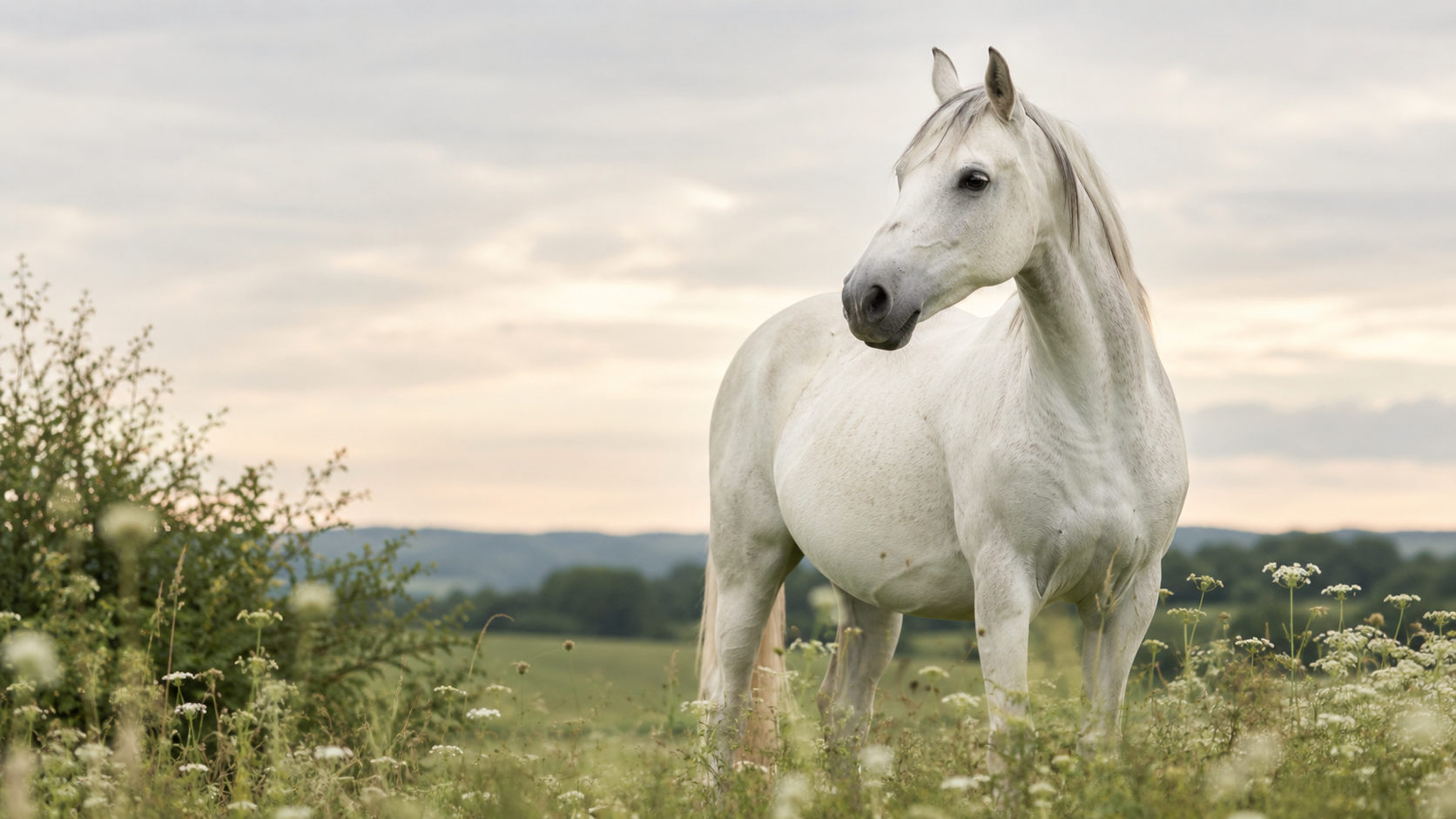
The breed at a glance
The Marismeño is renowned for its hardy, courageous, and resilient temperament. It is intelligent, docile, and willing, making it a reliable partner for work. It retains a certain independence due to its semi-wild lifestyle.
- Category
- hardy breed
- Origin
- Spain · Antiquity / Middle Ages (stabilization over the centuries)
- Height at withers
- 135–150 cm
- Weight
- 350–450 kg
- Lifespan
- 25-30 years
- Common coats
- bay, chestnut, grey, black
- Disciplines
- doma vaquera, endurance riding, driving
- Other names
- Caballo Marismeño, Cheval des Marais
Origin and history
The Marismeño is an indigenous breed from the Guadalquivir marshes in Andalusia, Spain. Its origin is very ancient, probably descending from primitive Iberian horses and having evolved in semi-liberty in a challenging environment. It has been influenced by Barb and Arabian horses over the centuries. The breed is officially recognized and is subject to a conservation program to preserve its genetic purity and adaptation to its environment.
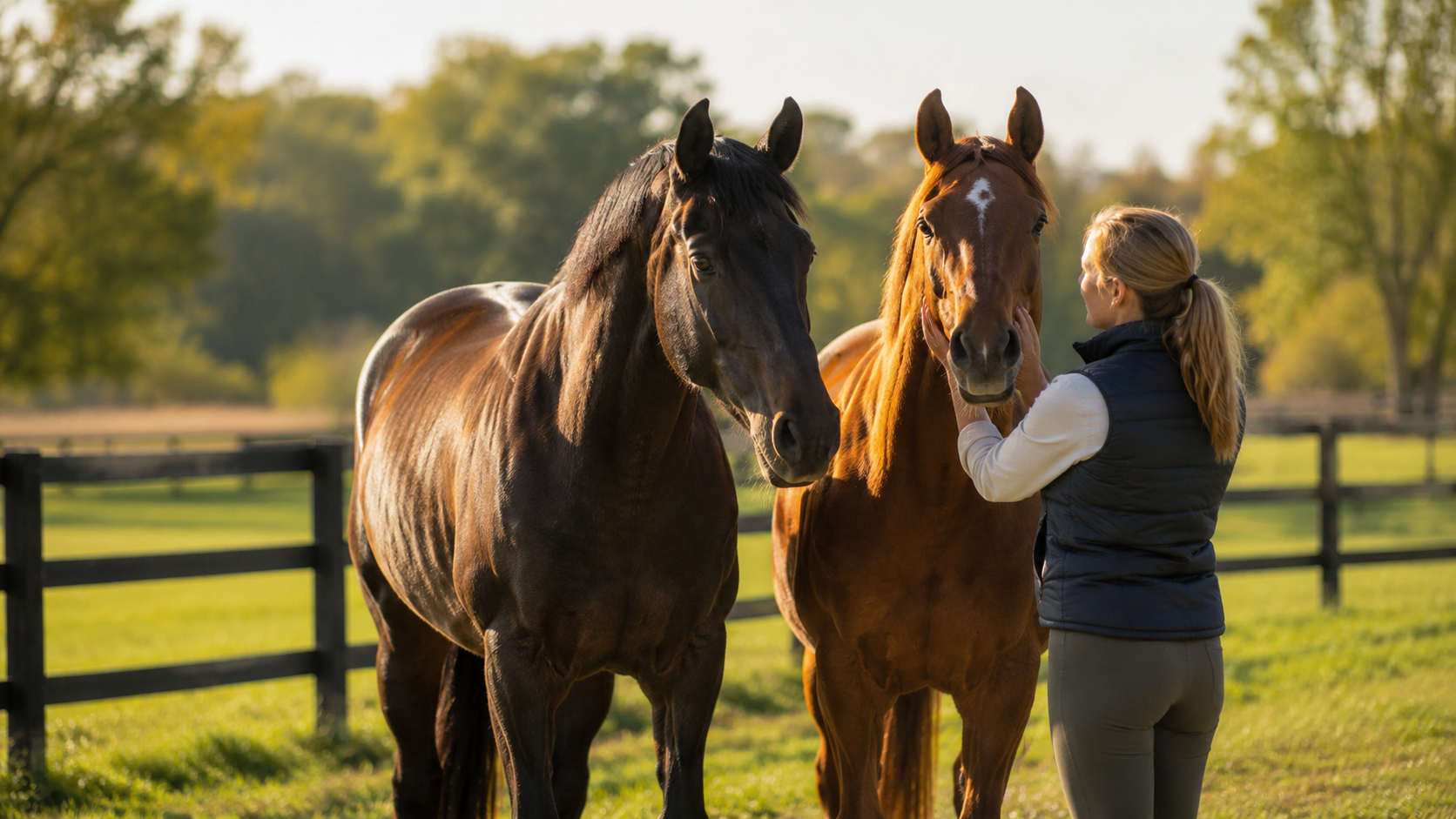
Conformation and physique
A medium-sized horse, compact and robust, with strong bone structure and well-developed musculature. It presents a harmonious silhouette, adapted to life in marshy environments and for endurance.
Medium-sized head, straight or slightly convex (subconvex) profile, with expressive eyes and wide nostrils. Ears are medium-sized and well-set.
Medium-length neck, well-muscled and arched, blending harmoniously into a rather flat but well-defined wither.
Short and strong back, straight and muscular topline. Broad and deep chest, well-sprung ribs. Rounded and powerful croup, often slightly sloping.
Strong and dry limbs, with broad and well-defined joints. Cannons are short and feet are wide, round, and very hard, adapted to wet terrain. Little to no feathering.
- Common coats: bay, chestnut, grey, black
Temperament and aptitudes
The Marismeño is renowned for its hardy, courageous, and resilient temperament. It is intelligent, docile, and willing, making it a reliable partner for work. It retains a certain independence due to its semi-wild lifestyle.
Gaits are ample, supple, and energetic, with good impulsion. The walk is sure-footed and the trot is active, allowing for efficient movement over varied and sometimes difficult terrain.
- Uses: cattle work (doma vaquera), equestrian trail riding, light driving, wetland preservation, recreational riding
- Disciplines: doma vaquera, endurance riding, driving
Feeding the Marismeño
The Marismeño is a very thrifty breed, perfectly adapted to poor diets and the utilization of coarse forages. Its metabolism is efficient, allowing it to maintain its body condition with little intake. It is important to monitor its weight, as it can easily become overweight with an overly rich diet. Good quality forage in sufficient quantity is generally the basis of its diet, with concentrates only if the work is intense.
Due to its thrifty metabolism, the Marismeño can be predisposed to obesity and, by extension, to risks of laminitis or Equine Metabolic Syndrome (EMS) if overfed or given diets too rich in sugars and starch. Careful dietary management is crucial.
With Equio, every feed, supplement or treat is read against the horse's real profile (age, weight, Body Condition Score, conditions) — useful for a Marismeño as soon as a metabolic or digestive sensitivity is known.

Health and points to watch
Monitor body condition to prevent obesity. Particular attention should be paid to the feet, which, although robust, require regular trimming. The skin should be inspected, especially in humid environments, to prevent skin conditions.
- More frequent conditions: moisture-related conditions (dermatitis, mud fever) if the husbandry conditions are not suitable, hoof problems if the feet are not maintained despite their robustness
Care and grooming
Care is relatively simple due to its hardiness. Regular hoof trimming is essential to maintain their shape and hardness. The mane and tail can be left natural or maintained depending on use. The coat does not require special care; clipping is rarely necessary. Skin monitoring is recommended, especially during humid periods.
Did you know?
- The Marismeño is one of the few equine breeds still living semi-wild in its natural habitat, the marshes of Doñana National Park.
- Each year, the 'Saca de las Yeguas' is an ancestral tradition where Marismeño horses are gathered and driven to the town of Almonte to be branded and examined.
- The breed is an excellent swimmer, an essential adaptation to its marshy environment.
The Marismeño and how to track it
The Marismeño breed is very rare in France; its breeding is mainly concentrated in Spain, in its region of origin. A few individuals may be imported for leisure riding or doma vaquera.
Equio lets you build a complete profile for a Marismeño: identity, weight, Body Condition Score, feeding, conditions, care reminders (vaccines, worming, trimming) and an exportable health log. The breed sets the identity; everyday decisions still depend on the real horse and your vet's advice.
- Record the activity level: rest, leisure, sport or breeding
- Add known conditions or sensitivities
- Scan feeds, plants and care products
- Keep reminders (vaccines, worming, trimming)
- Prepare a PDF export before a vet appointment
Frequently asked questions
Is the Marismeño suitable for beginner riders?
Yes, thanks to its calm and docile temperament, the Marismeño can be an excellent horse for beginner riders or those seeking a reliable companion for leisure. Its robustness and surefootedness are also assets.
What is the acquisition cost of a Marismeño horse?
The cost can vary considerably depending on age, sex, lineage, and training level. In Spain, prices may be more affordable than for other Iberian breeds, but importing to France will incur additional costs. It is advisable to contact specialized breeders.
Can the Marismeño live outdoors all year round?
Absolutely. The Marismeño is a hardy breed, perfectly adapted to living outdoors all year round, provided it has natural or artificial shelter to protect it from the elements and a diet suited to its thrifty metabolism.
Is it easy to find a Marismeño in France?
No, the Marismeño is a rare breed in France. Most individuals are found in Spain, their country of origin. It is recommended to contact breeders or breed associations in Spain for acquisition.
Is the Marismeño a good family horse?
Yes, its balanced temperament, docility, and robustness make it an excellent family horse, suitable for various leisure activities and capable of adapting to different rider levels.