
Horse breed
Jeju
The Jeju horse is an indigenous breed from Jeju Island, South Korea, whose existence has been documented for thousands of years. Likely descended from Mongolian horses introduced during the Mongol invasions in the 13th century, it was raised semi-feral on the island.
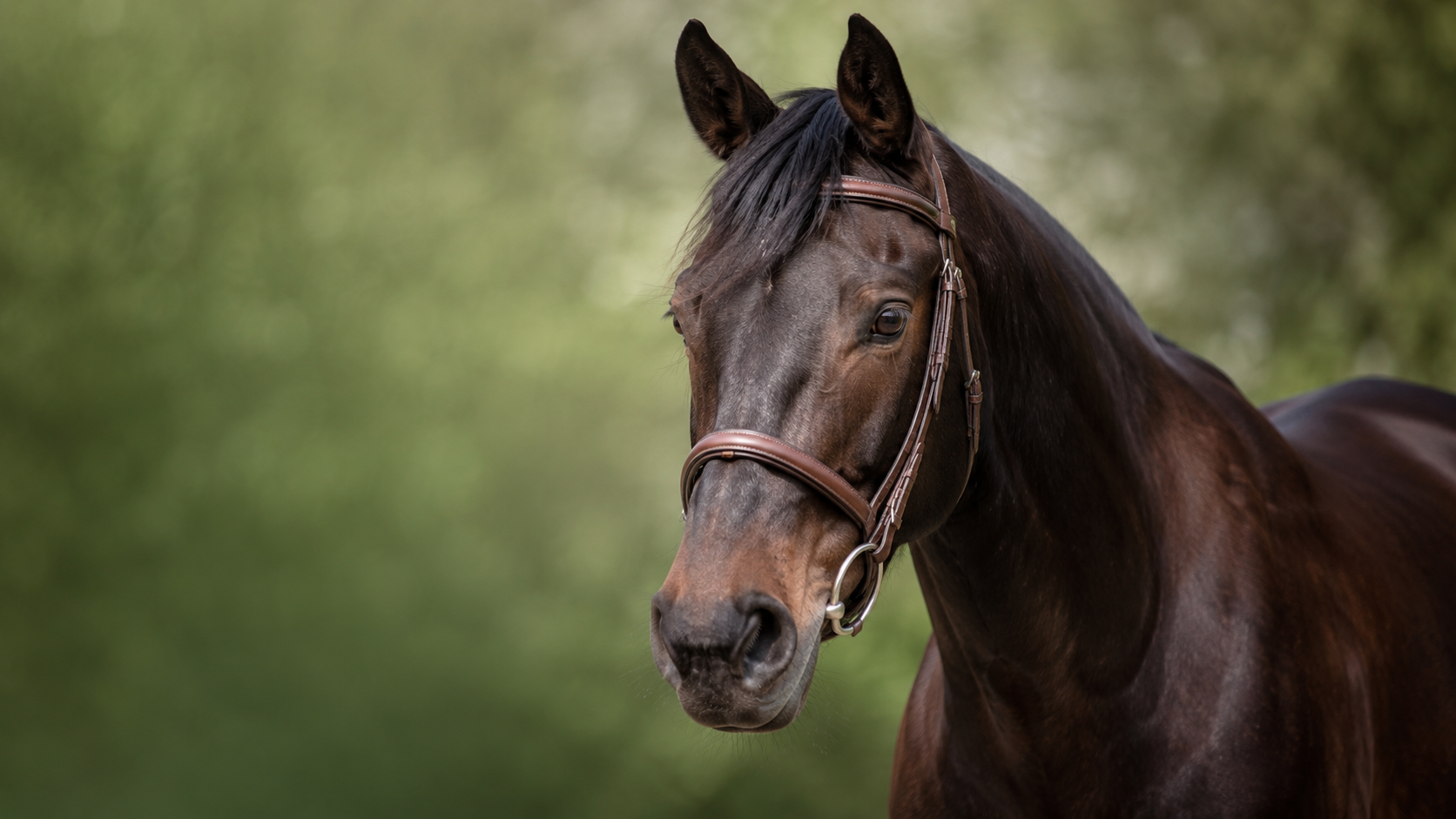
The breed at a glance
The Jeju is renowned for its calm, docile, and intelligent temperament. It is courageous, enduring, and very hardy, making it an excellent companion for work and leisure. It is also easy to handle.
- Category
- hardy breed
- Origin
- South Korea · Antiquity (several millennia)
- Height at withers
- 105–120 cm
- Weight
- 230–300 kg
- Lifespan
- 25-30 years
- Common coats
- bay, chestnut, black, grey, dun
- Disciplines
- equestrian trail riding, recreational riding
- Other names
- Jeju Horse, Jorangmal
Origin and history
The Jeju horse is an indigenous breed from Jeju Island, South Korea, whose existence has been documented for thousands of years. Likely descended from Mongolian horses introduced during the Mongol invasions in the 13th century, it was raised semi-feral on the island. Historically used for transport, agriculture, and as a military mount, it nearly disappeared in the 20th century. The breed was designated as a Natural Monument of South Korea in 1986, ensuring its protection and conservation.

Conformation and physique
It is a small, compact, and robust pony with strong bone. It exhibits a stocky build, typical of hardy breeds adapted to harsh environments.
The head is relatively small, with a straight or slightly concave profile. The eyes are expressive, and the ears are small and well-set.
The neck is short, thick, and muscular, well-set. The withers are not very pronounced, blending harmoniously into the topline.
The back is short and strong, the topline is straight and muscular. The chest is broad and deep, and the croup is rounded and well-muscled.
The limbs are short, strong, and clean, with well-defined joints. The hooves are hard and resilient, adapted to Jeju's volcanic terrain. Feathering is generally sparse.
- Common coats: bay, chestnut, black, grey, dun
Temperament and aptitudes
The Jeju is renowned for its calm, docile, and intelligent temperament. It is courageous, enduring, and very hardy, making it an excellent companion for work and leisure. It is also easy to handle.
The gaits are free, energetic, and regular, with good impulsion. The walk is sure-footed, and the trot is active, reflecting its agility and robustness on varied terrain.
- Uses: light transport, agricultural work, recreational riding, equestrian tourism, pony racing (historical)
- Disciplines: equestrian trail riding, recreational riding
Feeding the Jeju
The Jeju is a very economical breed, accustomed to poor pastures and harsh living conditions. Its metabolism is adapted to utilizing low-quality forage. It tends to gain weight if its diet is too rich. A supply of good quality forage (hay) is sufficient for most individuals, along with mineral and vitamin supplements. Concentrates are only necessary in cases of intense work.
Due to its economical metabolism, the Jeju can be predisposed to Equine Metabolic Syndrome (EMS) and laminitis if overfed or exposed to pastures too rich in fructans. Careful dietary management is crucial to prevent these conditions.
With Equio, every feed, supplement or treat is read against the horse's real profile (age, weight, Body Condition Score, conditions) — useful for a Jeju as soon as a metabolic or digestive sensitivity is known.
Health and points to watch
Regular monitoring of weight and body condition is essential to prevent obesity and associated metabolic problems. Hoof condition should be checked frequently, as although resilient, they can be prone to issues if the environment is too wet or if trimming is inadequate.
- More frequent conditions: laminitis, Equine Metabolic Syndrome (EMS)
Care and grooming
The Jeju's hooves are naturally hard and resilient, requiring regular but often less intensive trimming than other breeds. The mane and tail are generally thick and may require regular detangling. Its hardy coat does not require special care, and clipping is rarely necessary except for comfort reasons during intense work.
Did you know?
- The Jeju horse is one of three indigenous equine breeds of Korea, along with the Halla and the Jorangmal (which is sometimes considered a type of Jeju).
- It was designated as Natural Monument No. 347 of South Korea, which grants it national protection status.
- Conservation efforts have allowed the population to grow from a few dozen individuals in the 1980s to over 2,000 today.
The Jeju and how to track it
The Jeju breed is very rare outside of South Korea. There is no significant breeding or established population in France. The few individuals present would be isolated imports for conservation or curiosity purposes.
Equio lets you build a complete profile for a Jeju: identity, weight, Body Condition Score, feeding, conditions, care reminders (vaccines, worming, trimming) and an exportable health log. The breed sets the identity; everyday decisions still depend on the real horse and your vet's advice.
- Record the activity level: rest, leisure, sport or breeding
- Add known conditions or sensitivities
- Scan feeds, plants and care products
- Keep reminders (vaccines, worming, trimming)
- Prepare a PDF export before a vet appointment
Frequently asked questions
Is the Jeju horse a pony or a horse?
Although often called a 'Jeju horse', its size technically places it in the pony category. However, it is considered a miniature horse in South Korea, possessing all the characteristics of a horse in terms of proportions and strength.
What is the price of a Jeju horse?
The price of a Jeju horse is difficult to estimate outside South Korea, as the breed is protected and its export is highly regulated. In Korea, prices can vary considerably depending on age, sex, lineage, and abilities, but they are generally high due to their status as a heritage breed.
Is the Jeju horse suitable for children?
Yes, thanks to its calm, docile temperament and small size, the Jeju horse is very well suited for children and beginner riders. It is also robust and safe, making it an excellent mount for learning to ride.
How to recognize a true Jeju horse?
A true Jeju horse is recognized by its small size (105-120 cm), its compact and muscular body, its refined head with a straight profile, and its short, strong limbs. It must also be registered with the Korean breed conservation authorities.
Can Jeju horses be found in France?
It is extremely rare to find Jeju horses in France. The breed is primarily conserved on Jeju Island in South Korea, and its export is subject to strict regulations to preserve the population and genetic heritage.