
Horse breed
Indian Country-Bred
The Indian Country-Bred is not a breed in the strict sense with a closed studbook, but rather a generic term referring to indigenous or local-strain horses in India. These horses are the result of centuries of natural and selective breeding between various imported lines (Arabian, Persian, Mongolian) and local horses.

The breed at a glance
The temperament is renowned for being courageous, resilient, and willing. They are intelligent horses, often easy to train and loyal to their rider, although they can sometimes show character.
- Category
- saddle horse
- Origin
- India · Antiquity to the present day
- Height at withers
- 130–150 cm
- Weight
- 300–450 kg
- Lifespan
- 20-25 years
- Common coats
- bay, chestnut, grey, black, palomino, dun
- Disciplines
- trail riding, polo, endurance riding, cattle work
- Other names
- ICB, Cheval de pays indien
Origin and history
The Indian Country-Bred is not a breed in the strict sense with a closed studbook, but rather a generic term referring to indigenous or local-strain horses in India. These horses are the result of centuries of natural and selective breeding between various imported lines (Arabian, Persian, Mongolian) and local horses. They have historically served in cavalry, transport, and agriculture. Their official recognition as a 'breed' is recent and aims to preserve this genetic heritage.
Conformation and physique
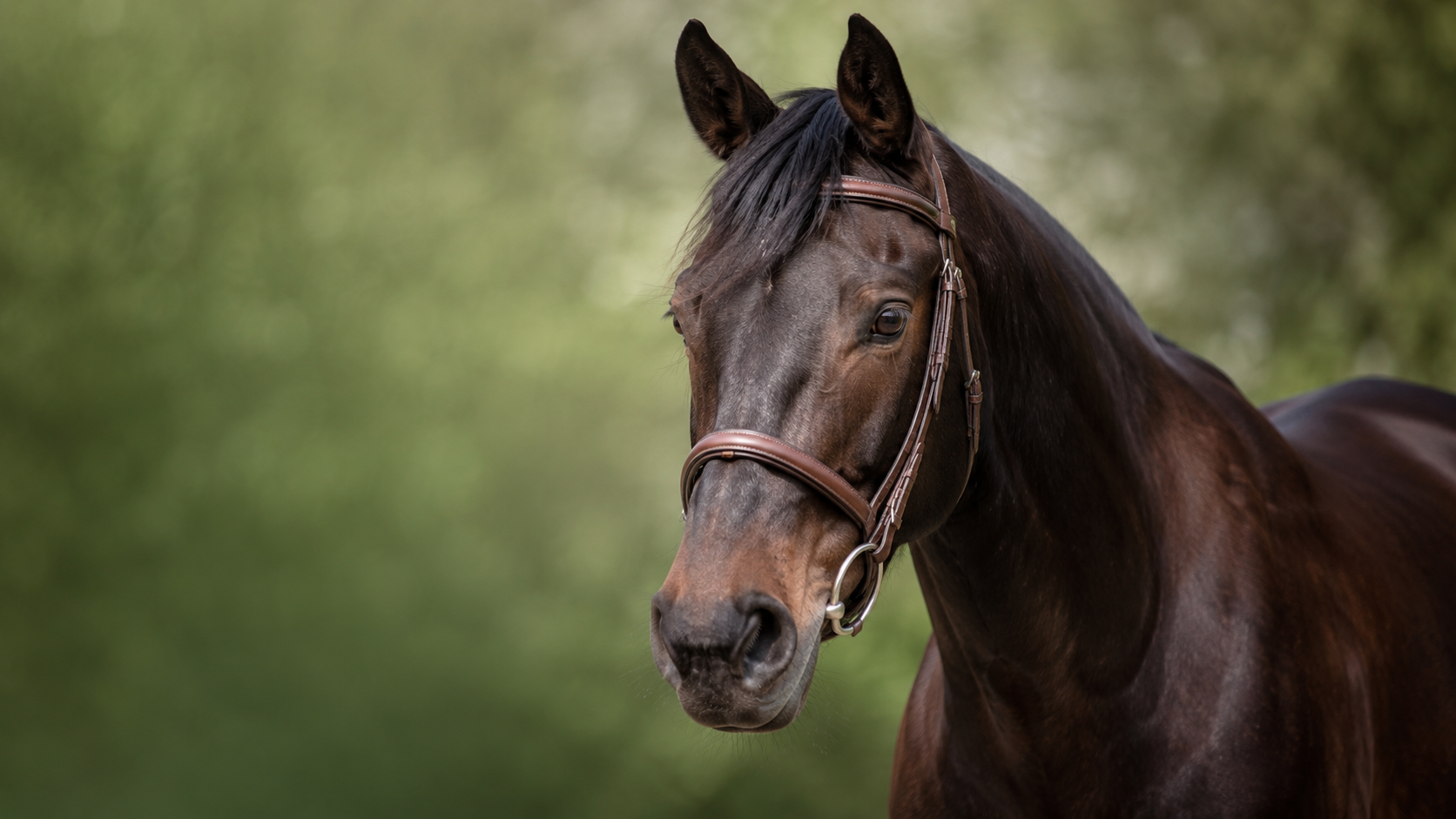
Medium-sized, compact, and robust horse, with a solid bone structure and well-developed musculature. Its silhouette is that of an agile and enduring saddle horse, adapted to varied terrain.
Medium-sized head, often with a straight or slightly convex profile. The eyes are expressive and the ears are medium-sized, well-set. The bridge of the nose is broad.
Medium-length neck, well-set and muscular, blending harmoniously into withers that are often not very pronounced but well-defined.
Short and strong back, strong topline. Deep and broad chest, offering good lung capacity. Muscular croup, sometimes slightly sloped.
Clean and strong limbs, with well-defined joints and clean tendons. The cannon bones are short and the hooves are hard and well-formed, adapted to difficult terrain. Little to no feathering.
- Common coats: bay, chestnut, grey, black, palomino, dun
Temperament and aptitudes
The temperament is renowned for being courageous, resilient, and willing. They are intelligent horses, often easy to train and loyal to their rider, although they can sometimes show character.
The gaits are generally supple, energetic, and enduring, with an active walk, a regular trot, and a balanced canter. Some individuals may exhibit additional gaits such as the amble.
- Uses: military and police cavalry, transport of people and goods, light agricultural work, equestrian trail riding, polo, local races
- Disciplines: trail riding, polo, endurance riding, cattle work
Feeding the Indian Country-Bred
The Indian Country-Bred is generally a horse with a thrifty metabolism, accustomed to hardy living conditions. It makes good use of medium-quality forages and has a tendency to become overweight if the diet is too rich without sufficient work. An intake of roughage (hay, grass) should form the basis of its diet. Concentrates are only necessary in cases of intense work or specific needs (growth, lactation), and must be adjusted to avoid excess energy.
Due to their thrifty metabolism and adaptation to poor diets, some individuals may be predisposed to Equine Metabolic Syndrome (EMS) and laminitis if overfed with diets rich in sugars and starch. It is crucial to monitor their weight and adapt their diet.
With Equio, every feed, supplement or treat is read against the horse's real profile (age, weight, Body Condition Score, conditions) — useful for a Indian Country-Bred as soon as a metabolic or digestive sensitivity is known.

Health and points to watch
Particular attention must be paid to weight management to prevent EMS and laminitis. The breed's hardiness does not negate the need for regular veterinary care, including vaccination, deworming, and dental care. Hooves, though strong, require regular trimming.
- More frequent conditions: age-related dental problems, gastrointestinal parasitism (if not managed), locomotor disorders related to wear and tear (osteoarthritis) in older or heavily worked horses
Care and grooming
The hooves, naturally hard, require regular trimming to maintain their shape and prevent problems. The mane and tail are generally left natural, requiring no particular maintenance beyond brushing. The coat is easy to care for; regular brushing is sufficient. Clipping is rarely necessary, except for sport horses in hot climates.
Did you know?
- The term 'Country-Bred' is used in India to refer to horses born and raised locally, as opposed to imported horses.
- These horses are often used in unofficial local races, where their endurance and agility are highly valued.
- Despite their long-standing lack of a formal studbook, they have played a crucial role in India's military and cultural history.
The Indian Country-Bred and how to track it
The Indian Country-Bred breed is very rarely found in France, or even non-existent as a recognized and bred race. Any individuals present would likely be isolated imports or horses from exchange programs.
Equio lets you build a complete profile for a Indian Country-Bred: identity, weight, Body Condition Score, feeding, conditions, care reminders (vaccines, worming, trimming) and an exportable health log. The breed sets the identity; everyday decisions still depend on the real horse and your vet's advice.
- Record the activity level: rest, leisure, sport or breeding
- Add known conditions or sensitivities
- Scan feeds, plants and care products
- Keep reminders (vaccines, worming, trimming)
- Prepare a PDF export before a vet appointment
Frequently asked questions
Is the Indian Country-Bred an internationally recognized breed?
No, the Indian Country-Bred is not an internationally recognized breed with a unique studbook. It is a generic term for indigenous Indian horses, although efforts are being made in India to identify and preserve them as genetic heritage.
What is the typical temperament of an Indian Country-Bred?
These horses are generally known for their courage, resilience, and intelligence. They are willing to work, loyal, and can be very attached to their rider, although they may sometimes have an assertive temperament.
Is the Indian Country-Bred suitable for beginners?
Due to their sometimes assertive temperament and energy, they may be more suitable for riders who already have some experience. However, with proper training and suitable guidance, some individuals can be suitable for motivated beginners.
What are the main uses of the Indian Country-Bred?
Historically used for cavalry and transport, they are now valued for trail riding, polo, endurance, and light agricultural work. Their versatility and hardiness make them good utility horses.
Is the Indian Country-Bred a hardy horse?
Yes, it is a very hardy breed, adapted to hot climates and difficult terrain. They are economical, disease-resistant, and capable of living on limited resources, which makes them low-maintenance in terms of daily care.