
Horse breed
Hispano-Arabe
The Hispano-Arabe breed originated from the cross between the Purebred Spanish Horse (PRE) and the Arabian Purebred. The objective was to combine the strength, nobility, and docility of the PRE with the endurance, refinement, and blood of the Arabian.
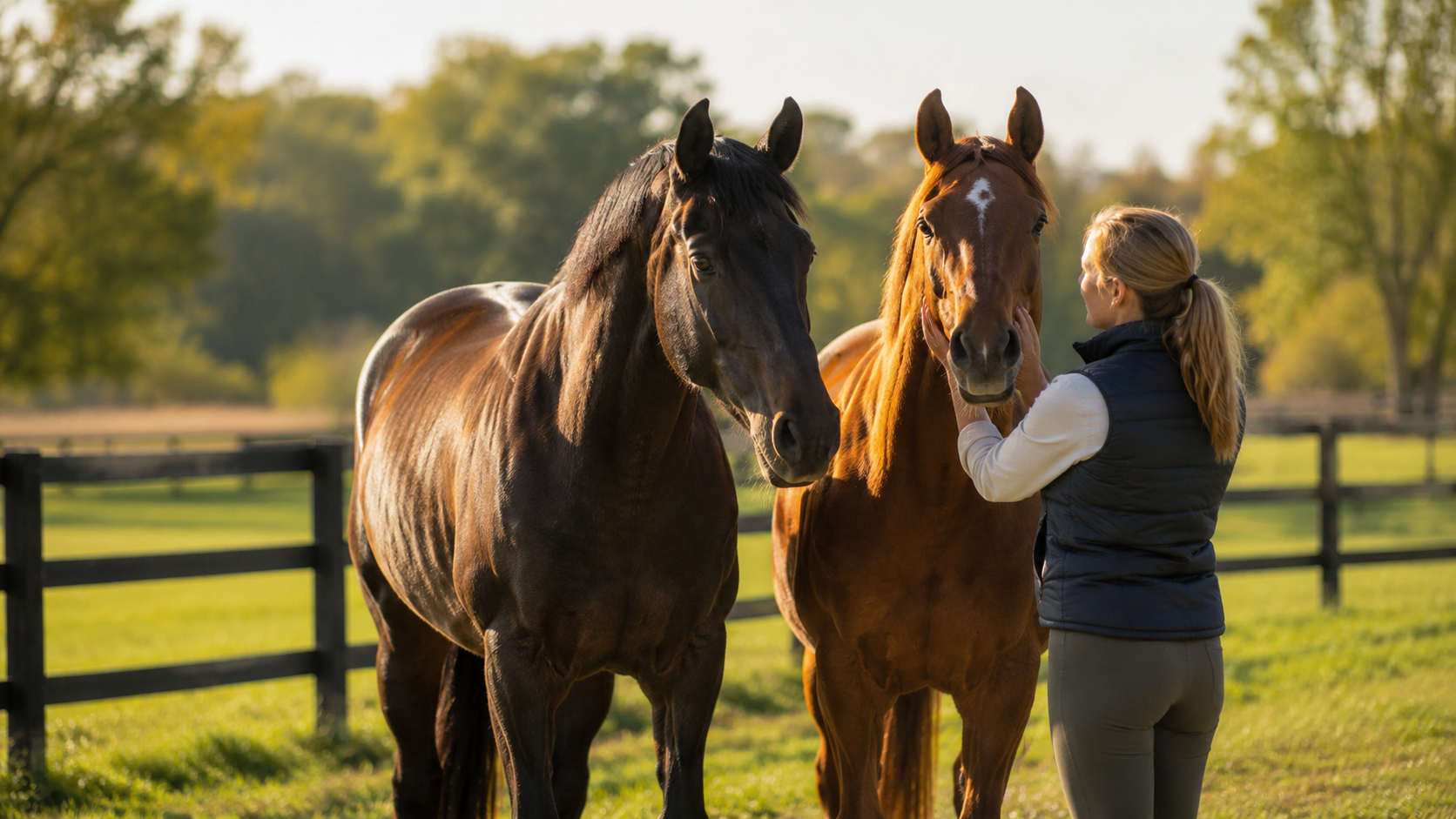
The breed at a glance
The Hispano-Arabe is renowned for its balanced temperament, combining the courage and liveliness of the Arabian with the docility and intelligence of the PRE. It is a willing, responsive, and easy-to-train horse, making it an excellent working partner.
- Category
- sport horse
- Origin
- Spain · Late 19th century / Early 20th century
- Height at withers
- 155–165 cm
- Weight
- 450–550 kg
- Lifespan
- 25-30 years
- Common coats
- bay, grey, chestnut, black
- Disciplines
- Dressage, TREC, Endurance, Working equitation
- Other names
- Hispano-Arabe, Anglo-Hispano-Arabe, Caballo Hispano-Árabe
Origin and history
The Hispano-Arabe breed originated from the cross between the Purebred Spanish Horse (PRE) and the Arabian Purebred. The objective was to combine the strength, nobility, and docility of the PRE with the endurance, refinement, and blood of the Arabian. The breed was officially recognized in Spain in 1986, with the creation of its studbook. It is valued for its athletic qualities and balanced temperament.

Conformation and physique
It is a medium-sized horse, harmonious and athletic, combining the elegance of the Arabian and the power of the PRE. It has a solid yet refined bone structure, with well-developed musculature.
The head is expressive, medium-sized, with a straight or slightly concave (Arabian) profile. The eyes are large and lively, the nostrils wide, and the ears well-set and mobile.
The neck is well-proportioned, muscular, and arched, blending harmoniously into a well-defined and extended wither. It gives the horse a proud carriage.
The back is short and strong, the topline taut and muscular. The chest is broad and deep, and the hindquarters are rounded and powerful, often slightly sloped.
The limbs are solid, with clean joints and well-defined tendons. The cannons are short, and the feet are hard and well-formed. Feathering is generally sparse.
- Common coats: bay, grey, chestnut, black
Temperament and aptitudes
The Hispano-Arabe is renowned for its balanced temperament, combining the courage and liveliness of the Arabian with the docility and intelligence of the PRE. It is a willing, responsive, and easy-to-train horse, making it an excellent working partner.
The gaits are expansive, supple, and energetic, with good balance and great impulsion. The walk is regular, the trot elevated, and the canter rhythmic and comfortable.
- Uses: recreational riding, dressage, TREC, endurance riding, working equitation, equestrian show, driving
- Disciplines: Dressage, TREC, Endurance, Working equitation, Doma Vaquera
Feeding the Hispano-Arabe
The Hispano-Arabe is generally a horse with a balanced metabolism, capable of adapting to various conditions. It requires a quality diet, rich in ad libitum forage (hay or grass). Concentrate requirements will depend on the intensity of work: a horse in light work may be content with forage, while a competing athlete will need supplementary cereals or balanced compound feeds, without excess to avoid obesity.
The Hispano-Arabe breed does not show documented predispositions to specific dietary sensitivities such as laminitis or EMS more pronounced than other breeds. However, like any horse, an unbalanced diet or an excess of sugars and starch can lead to metabolic disorders.
With Equio, every feed, supplement or treat is read against the horse's real profile (age, weight, Body Condition Score, conditions) — useful for a Hispano-Arabe as soon as a metabolic or digestive sensitivity is known.
Health and points to watch
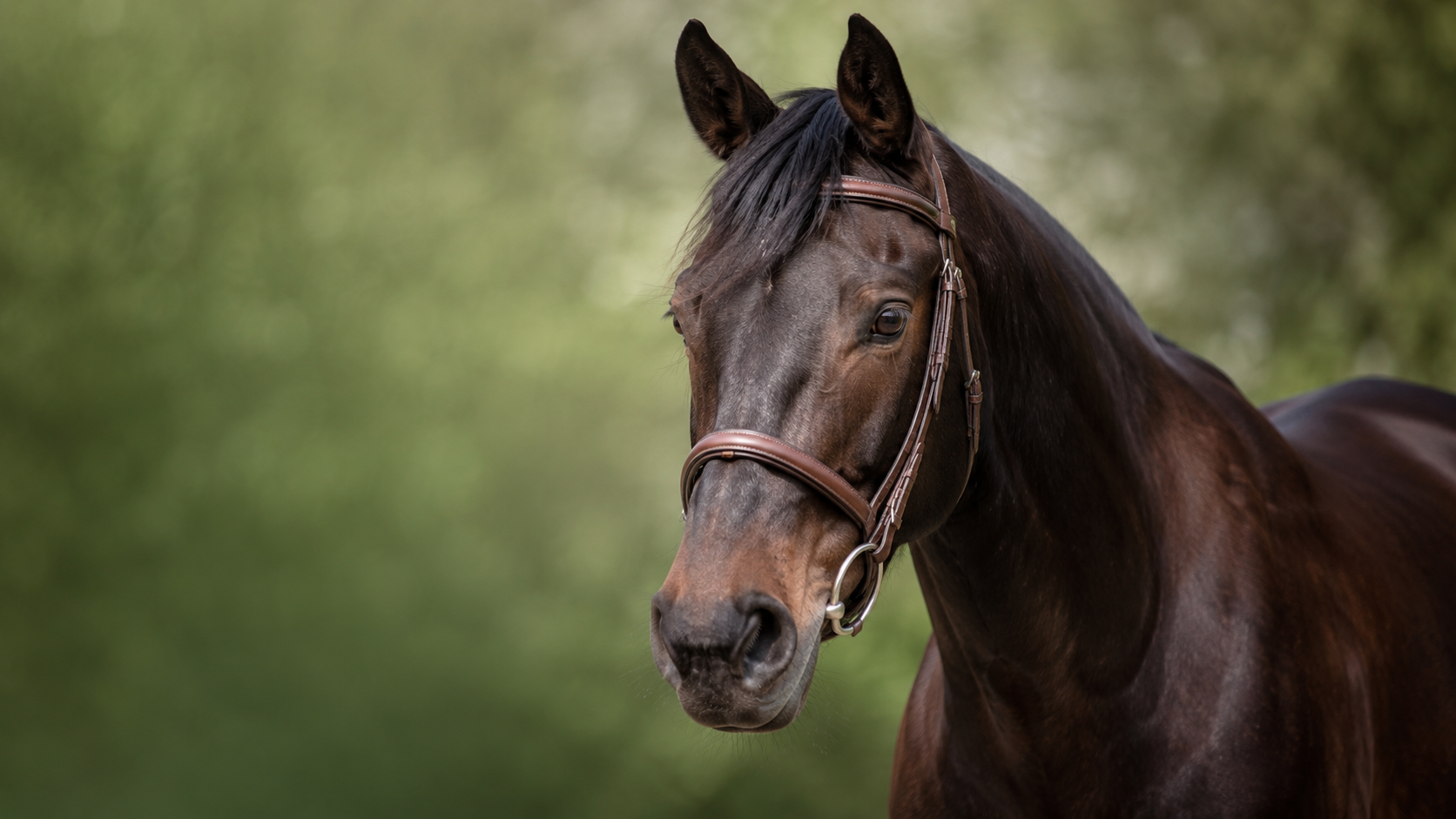
Particular attention must be paid to the quality of conformation and feet, which are essential for athletic longevity. Regular dental check-ups and appropriate deworming are also crucial for maintaining good general health.
- More frequent conditions: locomotor disorders related to intense athletic activity (tendinitis, osteoarthritis) if training is not adapted
Care and grooming
The care of the Hispano-Arabe is standard. The hooves, often hard and well-formed, require regular trimming by a farrier. The mane and tail are generally full and can be left natural or braided for certain disciplines. The coat is fine and easy to maintain; regular brushing is sufficient. Clipping is practiced in winter for horses in intense work.
Did you know?
- The Hispano-Arabe studbook is managed by the UEGHA (Unión Española de Ganaderos de Pura Raza Hispano-Árabe) in Spain.
- To be registered as an Hispano-Arabe, a foal must have between 25% and 75% Arabian blood, with the remainder being Pure Spanish Horse.
- This breed is particularly prized in equestrian shows for its beauty, elegance, and ability to perform high-school movements.
The Hispano-Arabe and how to track it
The Hispano-Arabe breed is present in France, although in smaller numbers than in Spain. It is appreciated by riders seeking a versatile, elegant horse with a good temperament, particularly for dressage, TREC, and leisure riding.
Equio lets you build a complete profile for a Hispano-Arabe: identity, weight, Body Condition Score, feeding, conditions, care reminders (vaccines, worming, trimming) and an exportable health log. The breed sets the identity; everyday decisions still depend on the real horse and your vet's advice.
- Record the activity level: rest, leisure, sport or breeding
- Add known conditions or sensitivities
- Scan feeds, plants and care products
- Keep reminders (vaccines, worming, trimming)
- Prepare a PDF export before a vet appointment
Frequently asked questions
What is the temperament of the Hispano-Arabe?
The Hispano-Arabe is known for its balanced temperament: courageous, lively, and intelligent, but also docile and willing. It is responsive and learns quickly, making it a pleasant partner for many riders.
Is the Hispano-Arabe suitable for beginners?
Thanks to its docility and intelligence, a well-schooled Hispano-Arabe can be suitable for supervised beginner riders. However, its liveliness and 'blood' may require a rider with a minimum of experience to fully exploit its potential.
What are the main uses of the Hispano-Arabe?
The Hispano-Arabe is very versatile. It excels in dressage, TREC, endurance, working equitation (Doma Vaquera), and is also an excellent leisure and show horse. Its beauty and gaits make it a prized horse in many disciplines.
How to recognize an Hispano-Arabe?
It is recognized by its harmonious blend of PRE traits (power, arched neck, rounded hindquarters) and Arabian traits (refinement, expressive head, sometimes concave profile). Its size is intermediate between the two parent breeds, and its gaits are expansive and supple.
What is the average price of an Hispano-Arabe?
The price of an Hispano-Arabe varies considerably depending on its age, level of training, lineage (bloodlines), and athletic potential. It can range from a few thousand euros for a young horse to be trained, to higher sums for a proven competition horse.