
Horse breed
Florida Cracker Horse
A direct descendant of Spanish horses introduced to Florida by explorers and settlers as early as the 16th century, the Florida Cracker Horse is one of the oldest horse breeds in the United States. It developed through natural selection and adaptation to Florida's subtropical environment.
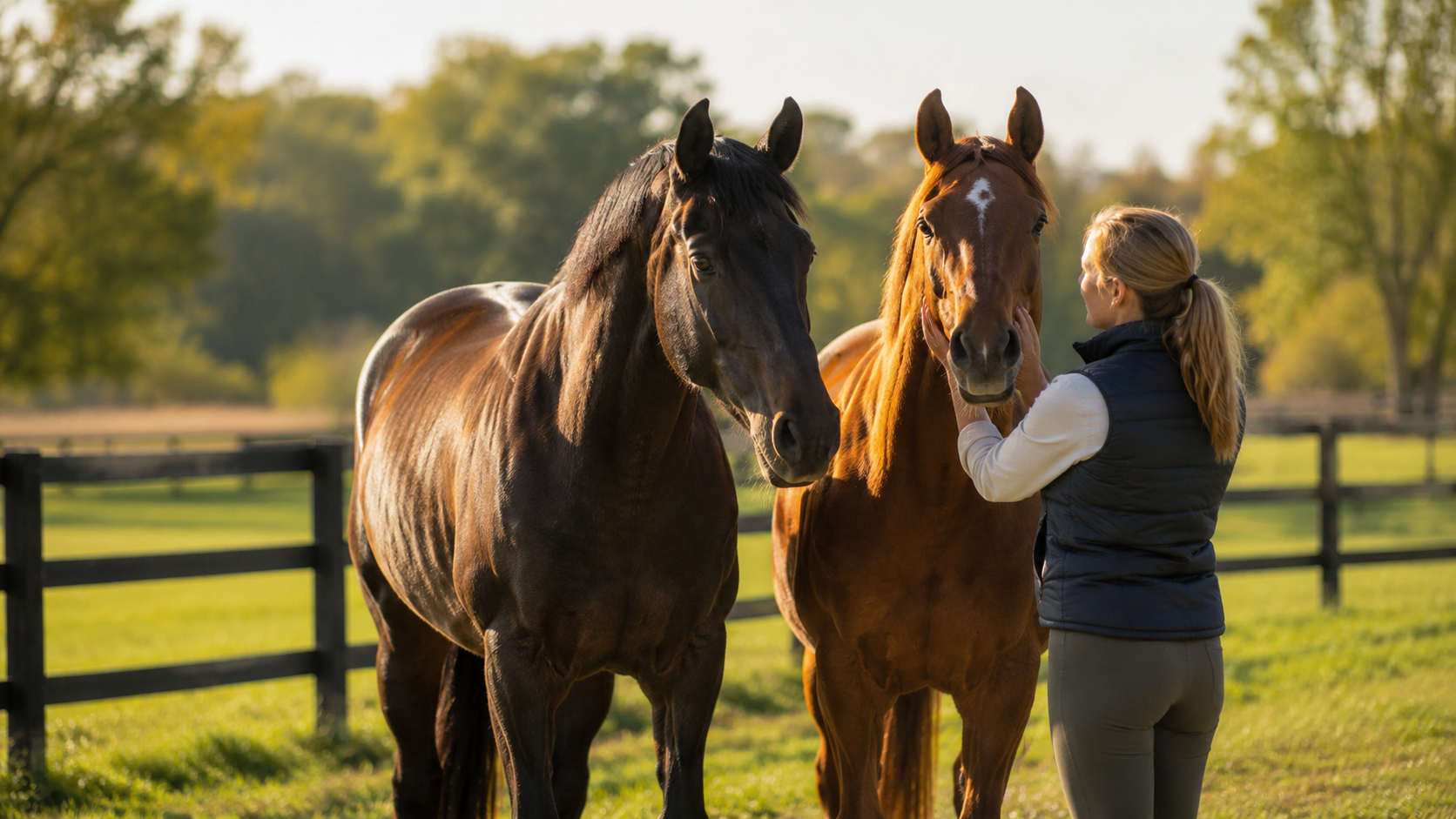
The breed at a glance
It is an intelligent, courageous horse with an excellent cattle sense. It is known for its calm temperament, docility, and willingness to work, making it a reliable and pleasant partner.
- Category
- hardy breed
- Origin
- United States (Florida) · 16th century
- Height at withers
- 137–152 cm
- Weight
- 360–450 kg
- Lifespan
- 25-30 years
- Common coats
- bay, chestnut, grey, black, palomino, dun, roan
- Disciplines
- Western riding (ranch sorting, trail), endurance riding, dressage (recreational), driving (recreational)
- Other names
- Cracker Horse, Seminole Pony, Florida Horse
Origin and history
A direct descendant of Spanish horses introduced to Florida by explorers and settlers as early as the 16th century, the Florida Cracker Horse is one of the oldest horse breeds in the United States. It developed through natural selection and adaptation to Florida's subtropical environment. Traditionally used by 'crackers' (Florida cowboys) for cattle work, it was officially recognized as a distinct breed in 1989 with the creation of the Florida Cracker Horse Association.

Conformation and physique
It is a light to medium-sized horse, compact and muscular, with fine but strong bone. Its build is that of an agile and enduring working horse, adapted to difficult terrain.
The head is refined, medium-sized, with a straight or slightly convex profile. The eyes are large and expressive, the ears medium-sized and well-set.
The neck is medium in length, well-muscled and arched, blending harmoniously into a well-defined and prominent wither.
The back is short and strong, the topline solid. The chest is deep and broad, ensuring good lung capacity. The croup is sloping and muscular, often double.
The limbs are fine but robust, with clean joints and well-defined tendons. The hooves are small, hard, and well-formed, adapted to varied ground. Feathering is generally absent or very light.
- Common coats: bay, chestnut, grey, black, palomino, dun, roan
Temperament and aptitudes
It is an intelligent, courageous horse with an excellent cattle sense. It is known for its calm temperament, docility, and willingness to work, making it a reliable and pleasant partner.
The Florida Cracker Horse is renowned for its natural and comfortable gaits, including a fast walk, a smooth trot, and a balanced canter. Many exhibit additional gaits such as the 'running walk' or the 'foxtrot', which are highly valued for cattle work and trail riding.
- Uses: cattle work, equestrian trail riding, recreational riding, working equitation, hunting
- Disciplines: Western riding (ranch sorting, trail), endurance riding, dressage (recreational), driving (recreational)
Feeding the Florida Cracker Horse
The Florida Cracker Horse is a hardy and very thrifty breed. It has an efficient metabolism and is capable of making the most of moderate quality forage. It tends to become overweight if overfed. A diet based primarily on good quality hay or pasture is usually sufficient. Concentrates are only necessary for horses in intense work or with specific needs (growth, lactation).
Due to its thrifty metabolism, the Florida Cracker Horse can be predisposed to Equine Metabolic Syndrome (EMS) and laminitis if fed diets high in sugars and starch or if it is overweight. Careful dietary management is crucial to prevent these conditions.
With Equio, every feed, supplement or treat is read against the horse's real profile (age, weight, Body Condition Score, conditions) — useful for a Florida Cracker Horse as soon as a metabolic or digestive sensitivity is known.
Health and points to watch
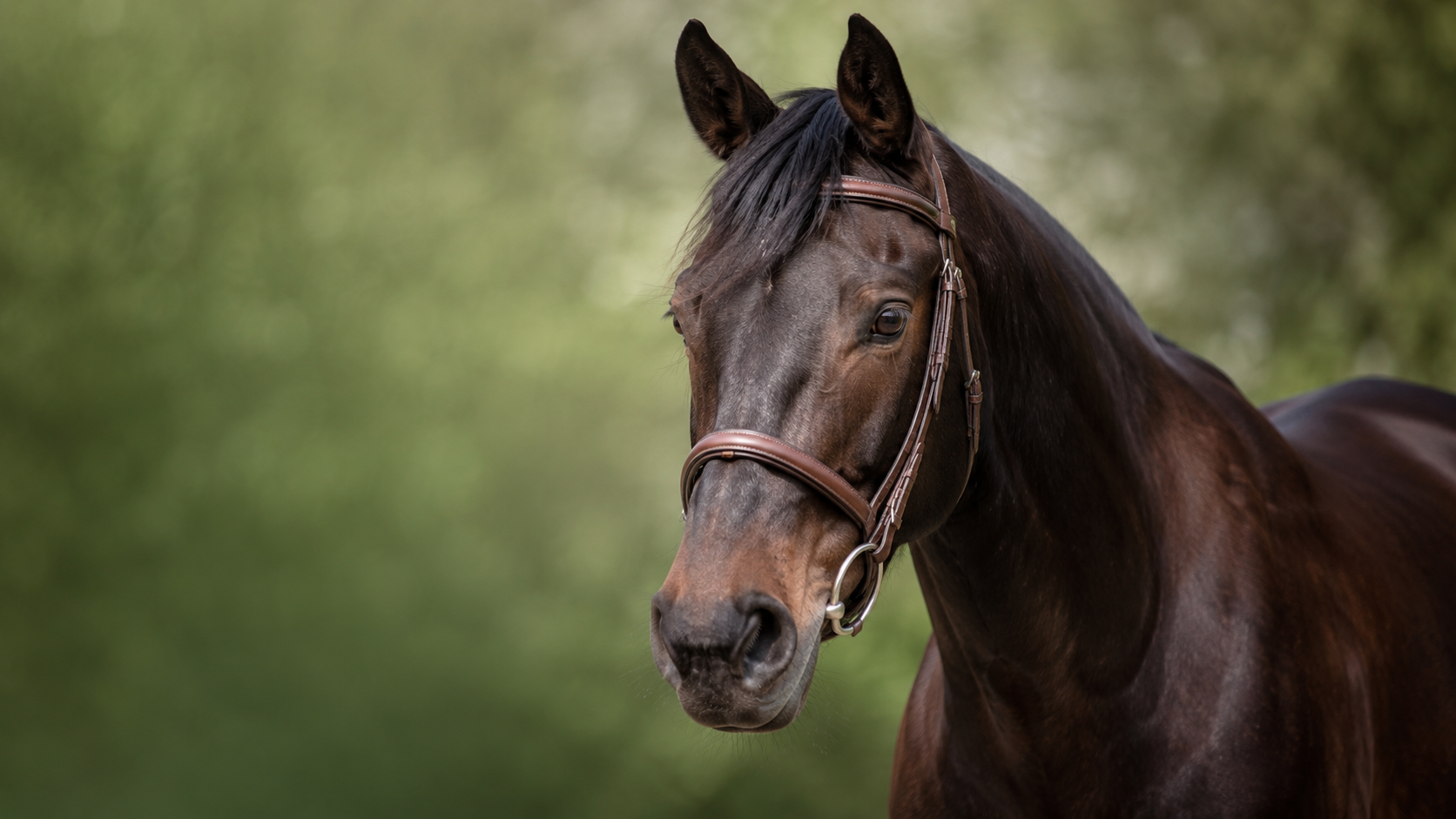
Carefully monitor weight and body condition to prevent obesity and associated risks like laminitis. Ensure regular hoof trimming; their hooves are naturally hard but may require special attention on very wet or dry terrain.
- More frequent conditions: laminitis, Equine Metabolic Syndrome (EMS)
Care and grooming
The Florida Cracker Horse's hooves are naturally hard and resilient, requiring regular trimming but often less intensive than other breeds. The mane and tail are generally thick and can be left natural or braided. The coat is easy to maintain and does not require specific care; clipping is rarely necessary except for aesthetic reasons or comfort in very hot climates.
Did you know?
- The name 'Cracker' comes from the 'Florida Crackers,' the local cowboys who used the cracking of their whips ('crack' of the whip) to herd cattle.
- The Florida Cracker Horse is considered a 'purebred' in the sense that it descends directly from the original Spanish horses, without major crossbreeding with other modern breeds.
- The breed nearly disappeared in the mid-20th century due to the introduction of larger breeds and changes in breeding practices, but was saved by dedicated conservation efforts.
The Florida Cracker Horse and how to track it
The Florida Cracker Horse breed is very rare in France and Europe. There is no documented breeding or significant population in French territory, as the breed is primarily concentrated in Florida and neighboring states.
Equio lets you build a complete profile for a Florida Cracker Horse: identity, weight, Body Condition Score, feeding, conditions, care reminders (vaccines, worming, trimming) and an exportable health log. The breed sets the identity; everyday decisions still depend on the real horse and your vet's advice.
- Record the activity level: rest, leisure, sport or breeding
- Add known conditions or sensitivities
- Scan feeds, plants and care products
- Keep reminders (vaccines, worming, trimming)
- Prepare a PDF export before a vet appointment
Frequently asked questions
Is the Florida Cracker Horse suitable for beginners?
Yes, thanks to its calm temperament, docility, and intelligence, the Florida Cracker Horse is often an excellent choice for beginner riders or those seeking a reliable and safe partner.
What is the cost of a Florida Cracker Horse?
The price can vary considerably depending on age, training, lineage, and the breeder's reputation. Being a rare breed, especially outside of Florida, prices can be higher than for more common breeds, and importation costs may be added.
Can the Florida Cracker Horse live outdoors all year round?
Absolutely. It is a hardy and resilient breed, perfectly suited to outdoor living, even in varied climates, provided it has shelter from the elements and access to water and forage. It is accustomed to the subtropical conditions of Florida.
What are the specific gaits of the Florida Cracker Horse?
In addition to the three classic gaits (walk, trot, canter), many Florida Cracker Horses exhibit additional 'gaited' gaits, such as the 'running walk' or the 'foxtrot'. These gaits are very comfortable for the rider and allow covering long distances without fatigue.
Is it an endangered breed?
Yes, the Florida Cracker Horse is considered a rare and endangered breed. Conservation efforts have helped increase its population, but it remains small compared to other breeds. The breed association actively works towards its preservation and promotion.