
Horse breed
Falabella
The Falabella breed was developed in Argentina by the Falabella family, from selective crossbreeding of small Criollo horses, Shetland ponies, and small Thoroughbreds. The goal was to create a miniature horse with the proportions of a full-sized horse.
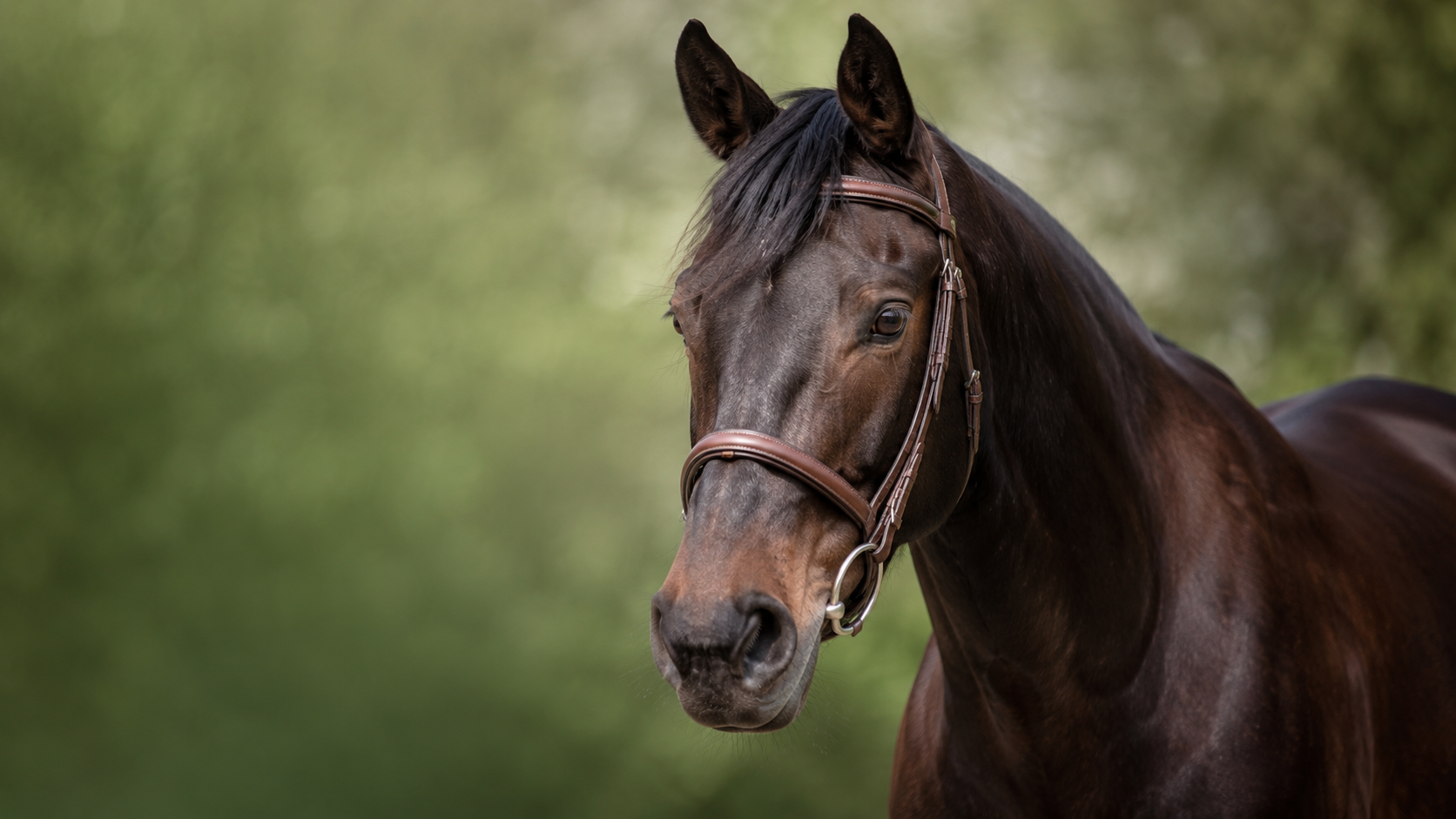
The breed at a glance
The Falabella is renowned for its gentle, intelligent, and affectionate temperament. It is easy to handle, curious, and patient, making it an excellent companion. It is also lively and alert.
- Category
- pony
- Origin
- Argentina · Mid-19th century
- Height at withers
- 70–86 cm
- Weight
- 40–70 kg
- Lifespan
- 25-35 years
- Common coats
- all coat colors are accepted, bay, chestnut, black, grey, pinto, Appaloosa
- Disciplines
- leisure driving, showmanship (in-hand presentation), in-hand obstacle courses
- Other names
- Miniature Falabella
Origin and history
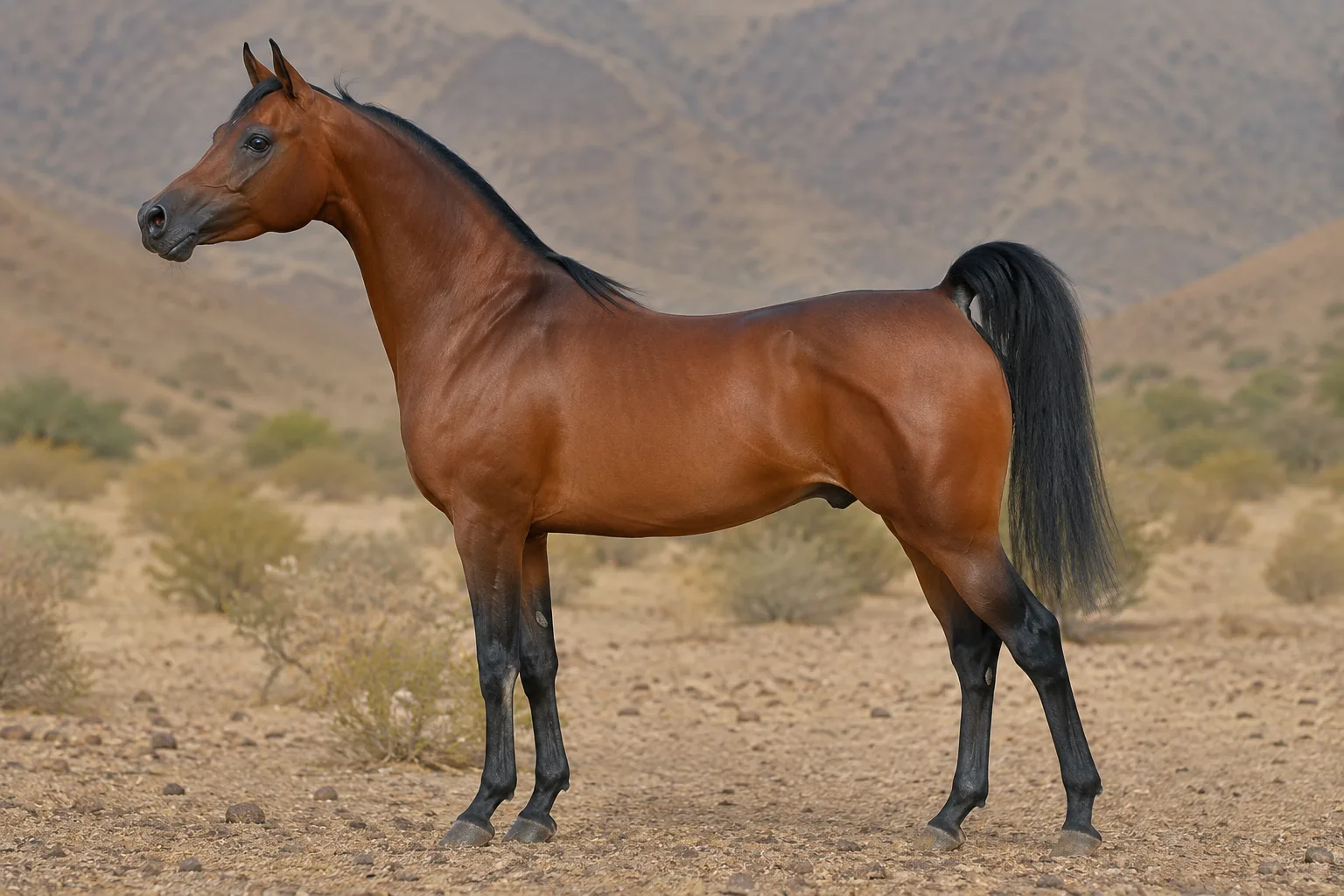
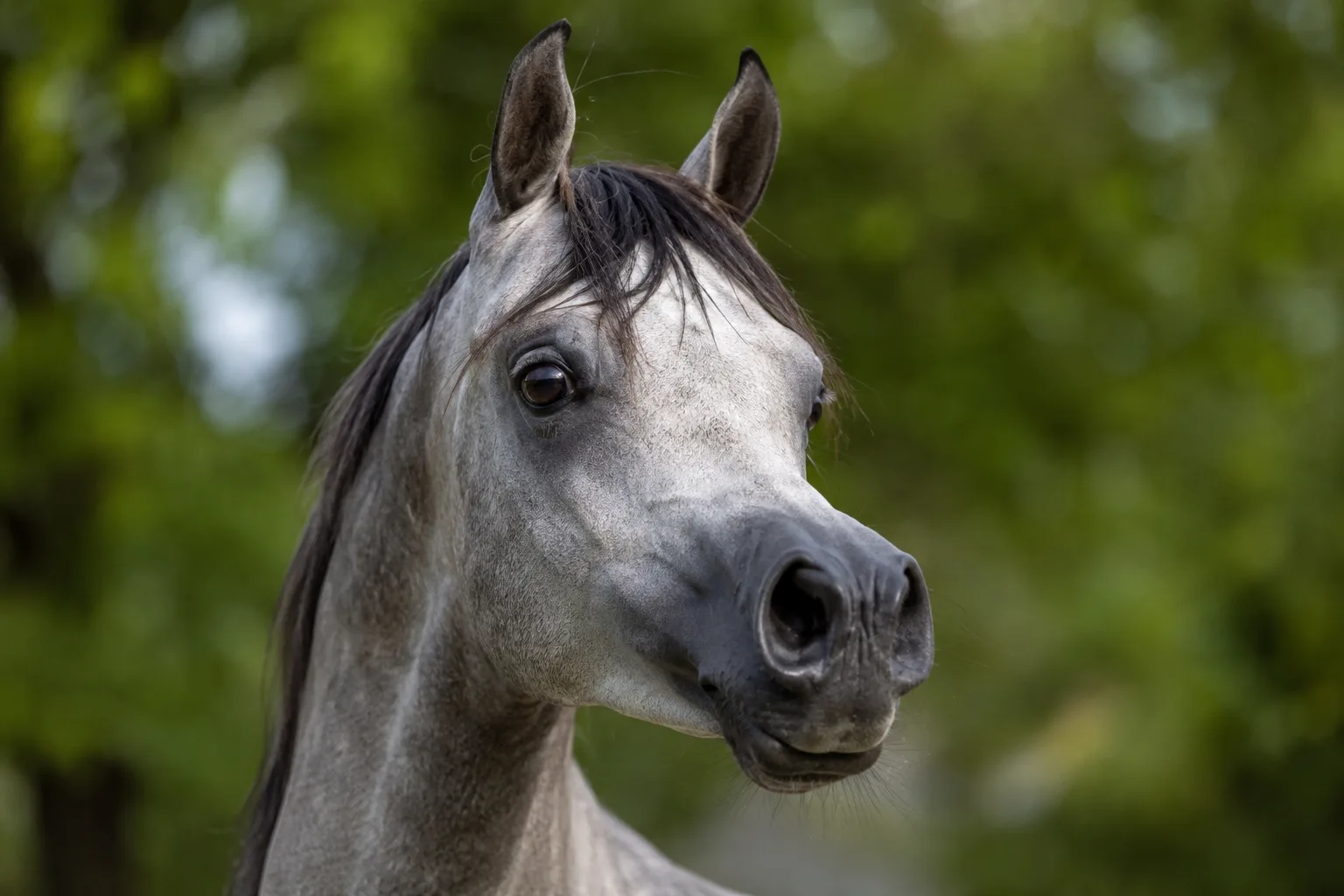
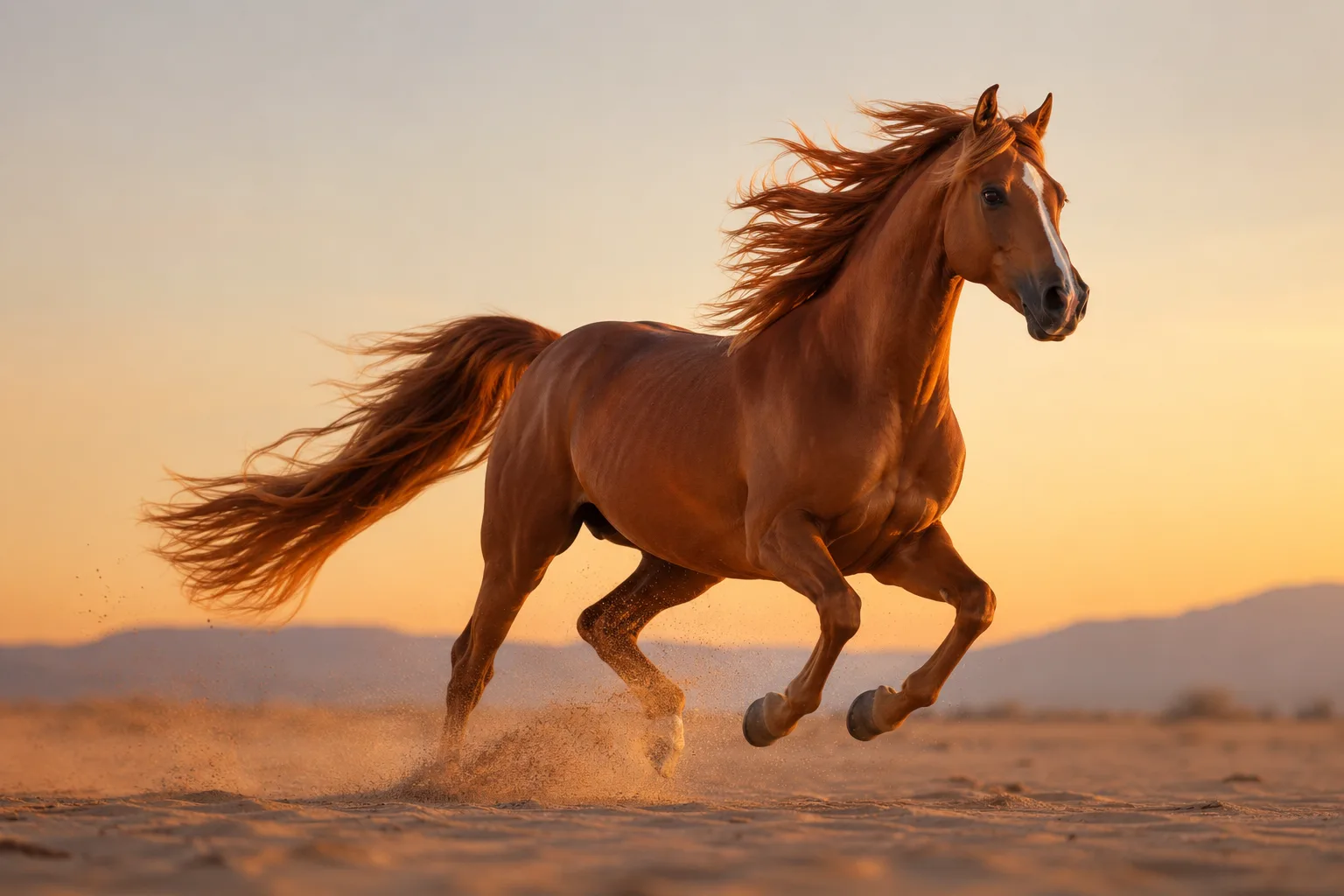
The Falabella breed was developed in Argentina by the Falabella family, from selective crossbreeding of small Criollo horses, Shetland ponies, and small Thoroughbreds. The goal was to create a miniature horse with the proportions of a full-sized horse. The breed was officially recognized and its studbook established in the mid-20th century, becoming one of the first miniature horses in the world.

Conformation and physique
The Falabella is a harmonious miniature horse, exhibiting the proportions of a saddle horse in miniature. It has fine but strong bone structure and an elegant silhouette.
Small and expressive head, often with a straight or slightly concave profile. The eyes are large and lively, the ears small and well-placed.
Proportionate, well-set neck, often arched, blending into a low-set wither.
Short, strong back, taut topline. Broad and deep chest. Rounded and muscular croup.
Fine, clean legs, with well-defined joints. The cannons are short. The hooves are small and hard. No excessive feathering.
- Common coats: all coat colors are accepted, bay, chestnut, black, grey, pinto, Appaloosa
Temperament and aptitudes
The Falabella is renowned for its gentle, intelligent, and affectionate temperament. It is easy to handle, curious, and patient, making it an excellent companion. It is also lively and alert.
The gaits are supple, regular, and energetic, with good amplitude for its size. The walk, trot, and canter are well-balanced.
- Uses: companion pony, light harness work (for children or small carts), conformation and in-hand showing, equine-assisted therapy (for people with reduced mobility)
- Disciplines: leisure driving, showmanship (in-hand presentation), in-hand obstacle courses
Feeding the Falabella
The Falabella is an easy keeper with an efficient metabolism, very effective at utilizing its feed. It tends to become overweight if overfed. Its diet should primarily consist of good quality forage (hay or lean pasture) offered free-choice, but with quantities controlled to prevent obesity. Concentrates are rarely necessary, except for growing, pregnant/lactating individuals, or those with intense activity, and should be given sparingly.
Like many ponies and easy keeper breeds, the Falabella is predisposed to laminitis and Equine Metabolic Syndrome (EMS) if overfed or given access to overly rich pastures. Careful dietary management is crucial to prevent these conditions.
With Equio, every feed, supplement or treat is read against the horse's real profile (age, weight, Body Condition Score, conditions) — useful for a Falabella as soon as a metabolic or digestive sensitivity is known.

Health and points to watch
Regular monitoring of weight and body condition is essential to prevent obesity and metabolic conditions. Hooves should be trimmed frequently due to their small size and rapid growth. Particular attention to teeth is necessary, as malocclusions can be more frequent in miniature breeds.
- More frequent conditions: laminitis, Equine Metabolic Syndrome (EMS), obesity, dental problems (malocclusions)
Care and grooming
Falabellas require regular basic care. Hoof trimming should be performed every 4 to 6 weeks. Daily grooming is recommended to maintain coat cleanliness and skin health. Their manes and tails can be long and require regular detangling. Clipping is rarely necessary, except for aesthetic reasons or for comfort in summer.
Did you know?
- The Falabella is one of the smallest horse breeds in the world, but in Argentina, it is not considered a pony, but rather a miniature horse.
- It is the only miniature horse to have Thoroughbred ancestors in its founding lines.
- Falabellas are often used as therapy animals due to their small size and gentle temperament, making them accessible to a diverse audience.
The Falabella and how to track it
The Falabella breed is present in France, primarily as a companion horse or for recreational driving. Breeding is small-scale but active, with a few breeders passionate about this miniature breed.
Equio lets you build a complete profile for a Falabella: identity, weight, Body Condition Score, feeding, conditions, care reminders (vaccines, worming, trimming) and an exportable health log. The breed sets the identity; everyday decisions still depend on the real horse and your vet's advice.
- Record the activity level: rest, leisure, sport or breeding
- Add known conditions or sensitivities
- Scan feeds, plants and care products
- Keep reminders (vaccines, worming, trimming)
- Prepare a PDF export before a vet appointment
Frequently asked questions
What is the maximum height of a Falabella?
The maximum height of a Falabella is 86 cm at the withers, according to the breed standard. Individuals exceeding this height are generally not registered as purebred Falabellas.
Can a Falabella be ridden?
No, a Falabella is too small to be ridden by an adult or even a child. Its bone structure is not designed to support significant weight. It is primarily used for light driving or as a companion animal.
What is the price of a Falabella?
The price of a Falabella varies considerably depending on its origin, bloodlines, age, sex, and conformation. It can range from a few thousand to over ten thousand euros for high-quality individuals or those with full papers.
What is the difference between a Falabella and a Miniature Horse?
Although both are miniature horses, the Falabella is an Argentine breed with specific bloodlines (Criollo, Shetland, Thoroughbred) and a stricter height standard (max 86 cm). The American Miniature Horse is a broader category, often resulting from various crosses, and can be slightly taller (up to 97 cm).
Is the Falabella suitable for children?
Yes, thanks to its gentle and affectionate temperament, the Falabella is an excellent companion for children. It can teach them responsibility and animal care, but it cannot be ridden. It is ideal for educational purposes and in-hand activities.