
Horse breed
Estonian Native
The Estonian Native is a very ancient breed, descending directly from wild horses of the Baltic region. Its natural selection occurred over millennia, adapting to harsh climatic conditions and limited resources.
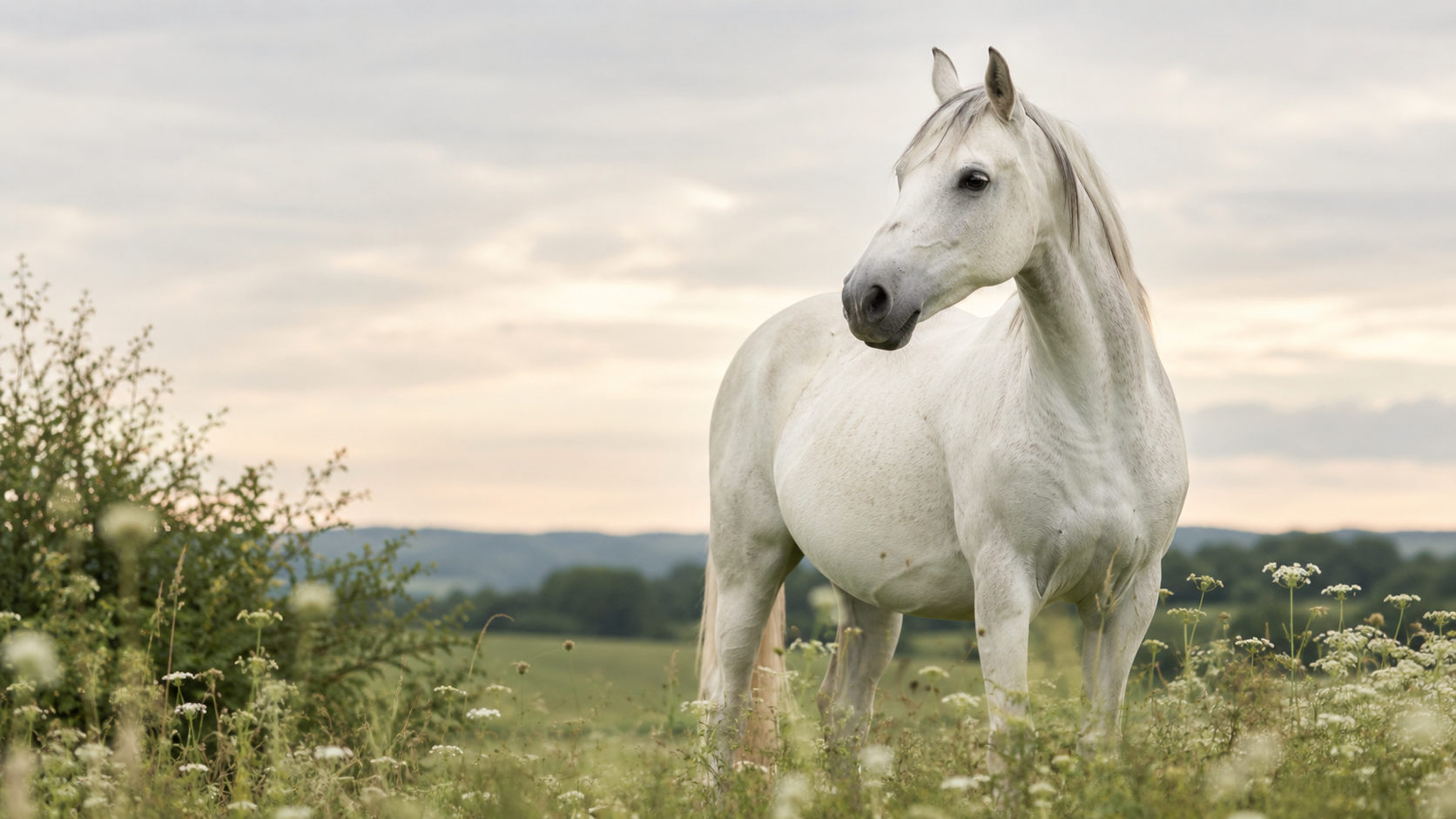
The breed at a glance
The Estonian Native is renowned for its calm, docile, and very cooperative temperament. It is intelligent, courageous, and very hardy, making it an excellent companion for riders of all levels, including children.
- Category
- hardy breed
- Origin
- Estonia · Prehistoric / Antiquity
- Height at withers
- 130–145 cm
- Weight
- 300–400 kg
- Lifespan
- 25-30 years
- Common coats
- bay, chestnut, black, grullo, dun, palomino
- Disciplines
- Leisure driving, Equestrian trekking, Light dressage, Show jumping (small classes)
- Other names
- Estonian Native Horse, Eesti Hobune
Origin and history
The Estonian Native is a very ancient breed, descending directly from wild horses of the Baltic region. Its natural selection occurred over millennia, adapting to harsh climatic conditions and limited resources. Limited crossbreeding with Oriental and Finnish breeds took place, but the breed has maintained great purity. It was officially recognized in Estonia at the beginning of the 20th century, with the creation of a studbook.
Conformation and physique
It is a pony or small horse of compact and robust build, with a solid bone structure and well-developed musculature. It presents a typical silhouette of Nordic breeds, adapted to outdoor life.
Medium-sized head, often a little heavy, with a straight or slightly convex profile. The eyes are expressive and the ears are medium-sized.
Short, thick, well-set neck, with low and broad withers, blending smoothly into the back.
Short, strong back, straight and solid topline. Broad and deep chest, well-sprung ribs. Muscular, often double croup, with a low-set tail.
Short, clean, and very strong limbs, with well-developed joints and clean tendons. The feet are hard and well-formed. Little to no feathering.
- Common coats: bay, chestnut, black, grullo, dun, palomino
Temperament and aptitudes
The Estonian Native is renowned for its calm, docile, and very cooperative temperament. It is intelligent, courageous, and very hardy, making it an excellent companion for riders of all levels, including children.
The gaits are energetic, regular, and supple, with good impulsion. The walk is active, the trot is expansive, and the gallop is balanced, adapted to varied terrain.
- Uses: Light agricultural work horse (historical), Transport and harness work (historical and current), Riding horse for children and light adults, Trail riding and equestrian tourism, Recreational riding, Equine therapy, Genetic preservation
- Disciplines: Leisure driving, Equestrian trekking, Light dressage, Show jumping (small classes), Pony Games
Feeding the Estonian Native
The Estonian Native is a very economical horse, accustomed to poor diets and efficiently utilizing its food. It has a tendency to become overweight if its diet is not monitored. Its diet should be primarily based on good quality forage (hay or grass), with concentrates only if work is intense, and in very small quantities. It is essential to monitor its weight.
Due to its economical metabolism, the Estonian Native is predisposed to laminitis and Equine Metabolic Syndrome (EMS) if overfed or given unlimited access to rich pastures. Careful management of sugar and starch intake is crucial.
With Equio, every feed, supplement or treat is read against the horse's real profile (age, weight, Body Condition Score, conditions) — useful for a Estonian Native as soon as a metabolic or digestive sensitivity is known.

Health and points to watch
Regular monitoring of weight and body condition is essential to prevent obesity and associated conditions. Particular attention must be paid to pasture management, especially in spring, to prevent laminitis.
- More frequent conditions: laminitis, Equine Metabolic Syndrome (EMS), obesity
Care and grooming
Estonian Native horses are hardy horses that require basic care. Their hard, resilient hooves require regular trimming but can often go barefoot. Their thick manes, tails, and coats protect them well from the cold and require regular brushing, but clipping is rarely necessary except for intense work.
Did you know?
- The Estonian Native is one of the few horse breeds to have survived the Ice Age in its region of origin, without major crossbreeding with more recent breeds.
- It is considered a national treasure in Estonia and is subject to rigorous conservation programs.
- Some individuals of the breed may exhibit additional gaits, such as the pace, although this is not a standard characteristic.
The Estonian Native and how to track it
The Estonian Native breed is very rare in France, with a very limited population, primarily owned by enthusiasts or breeders specializing in hardy and ancient breeds. There is no significant breeding in France.
Equio lets you build a complete profile for a Estonian Native: identity, weight, Body Condition Score, feeding, conditions, care reminders (vaccines, worming, trimming) and an exportable health log. The breed sets the identity; everyday decisions still depend on the real horse and your vet's advice.
- Record the activity level: rest, leisure, sport or breeding
- Add known conditions or sensitivities
- Scan feeds, plants and care products
- Keep reminders (vaccines, worming, trimming)
- Prepare a PDF export before a vet appointment
Frequently asked questions
Is the Estonian Native suitable for beginners?
Yes, thanks to its calm, docile temperament and great patience, the Estonian Native is an excellent choice for beginners, children, and inexperienced riders. It is also very safe and reliable outdoors.
What is the average size of an Estonian Native?
The average height of an Estonian Native is between 130 and 145 cm at the withers, classifying it as a pony or a small horse. This size makes it versatile for many riders.
Is the Estonian Native a threatened breed?
Yes, although its population is stable in Estonia thanks to conservation efforts, the Estonian Native is considered a rare and threatened breed internationally. Preservation programs are in place to maintain its genetic diversity.
What type of work can an Estonian Native do?
Despite its small size, the Estonian Native is very versatile. It excels in leisure riding, trekking, light harness work, and can even participate in dressage or show jumping competitions at a modest level. It is also an excellent family horse.
How to manage an Estonian Native's diet to prevent laminitis?
To prevent laminitis, it is crucial to limit access to rich grass, especially in spring, and to prioritize quality hay with a low sugar content. Concentrates should be given sparingly and only if the work justifies it, favoring feeds low in starch and sugars. Regular weight monitoring is essential.