
Horse breed
Gotland Pony
The Gotland Pony is a very ancient breed, descending from wild ponies that lived on the island of Gotland in Sweden since the Stone Age. Archaeological evidence attests to its presence over 4000 years ago.

The breed at a glance
The Gotland Pony is known for its calm, intelligent, and willing temperament. It is easy to train, courageous, and very kind, making it an excellent companion for children and beginners.
- Category
- pony
- Origin
- Sweden · Prehistoric (Stone Age) / Consolidation in the 19th century
- Height at withers
- 115–130 cm
- Weight
- 200–350 kg
- Lifespan
- 25-35 years
- Common coats
- bay, chestnut, black, grey, palomino, dun
- Disciplines
- driving, pony games, dressage (pony level), show jumping (pony level)
- Other names
- Gotland Russ, Gotlandsruss
Origin and history
The Gotland Pony is a very ancient breed, descending from wild ponies that lived on the island of Gotland in Sweden since the Stone Age. Archaeological evidence attests to its presence over 4000 years ago. The breed was preserved through conservation efforts in the 19th and 20th centuries, notably by the creation of a studbook in 1880. It is now recognized as one of the oldest pony breeds in the world.
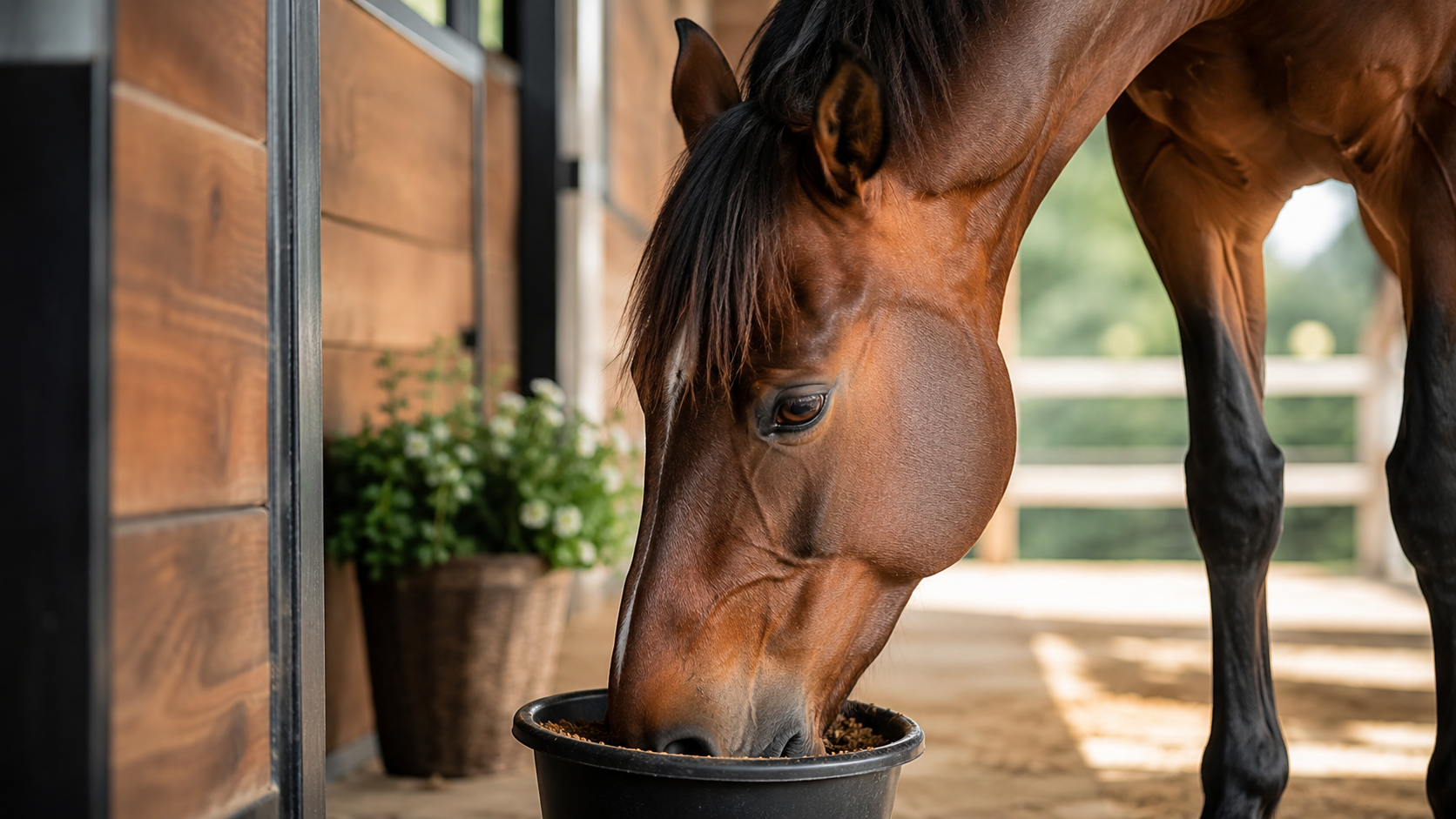
Conformation and physique
It is a small-sized pony, with a harmonious and robust conformation and a solid bone structure. It presents an elegant and athletic silhouette, typical of rustic yet refined ponies.
Well-proportioned head, often with a straight or slightly concave profile. The eyes are large and expressive, the ears small and well-placed. The muzzle is broad.
Medium-length neck, well-set and muscular, blending harmoniously into a well-defined and prominent wither.
Short, strong back, taut topline. Deep and broad chest. Long and muscular croup, often slightly sloping.
Solid, clean legs, with well-defined joints and clear tendons. The hooves are hard and well-formed. Feathering is generally sparse.
- Common coats: bay, chestnut, black, grey, palomino, dun
Temperament and aptitudes
The Gotland Pony is known for its calm, intelligent, and willing temperament. It is easy to train, courageous, and very kind, making it an excellent companion for children and beginners.
The gaits are supple, expansive, and energetic, with good balance. The trot is particularly renowned for its scope and regularity, making it an excellent driving pony.
- Uses: children's riding, light driving, pony games, vaulting, trail riding, family companion
- Disciplines: driving, pony games, dressage (pony level), show jumping (pony level)
Feeding the Gotland Pony
The Gotland Pony is a hardy and very economical breed, accustomed to poor environments. It has an efficient metabolism and is prone to obesity if its diet is not controlled. It generally thrives on good quality forage (hay) fed ad libitum or rationed according to its body condition. Concentrates are only necessary in cases of intense work or specific needs (gestation, lactation), and should be given sparingly.
Due to its economical metabolism, the Gotland Pony is predisposed to laminitis and Equine Metabolic Syndrome (EMS), especially if overfed or given unlimited access to rich pastures. Careful monitoring of its weight and diet is essential to prevent these conditions.
With Equio, every feed, supplement or treat is read against the horse's real profile (age, weight, Body Condition Score, conditions) — useful for a Gotland Pony as soon as a metabolic or digestive sensitivity is known.
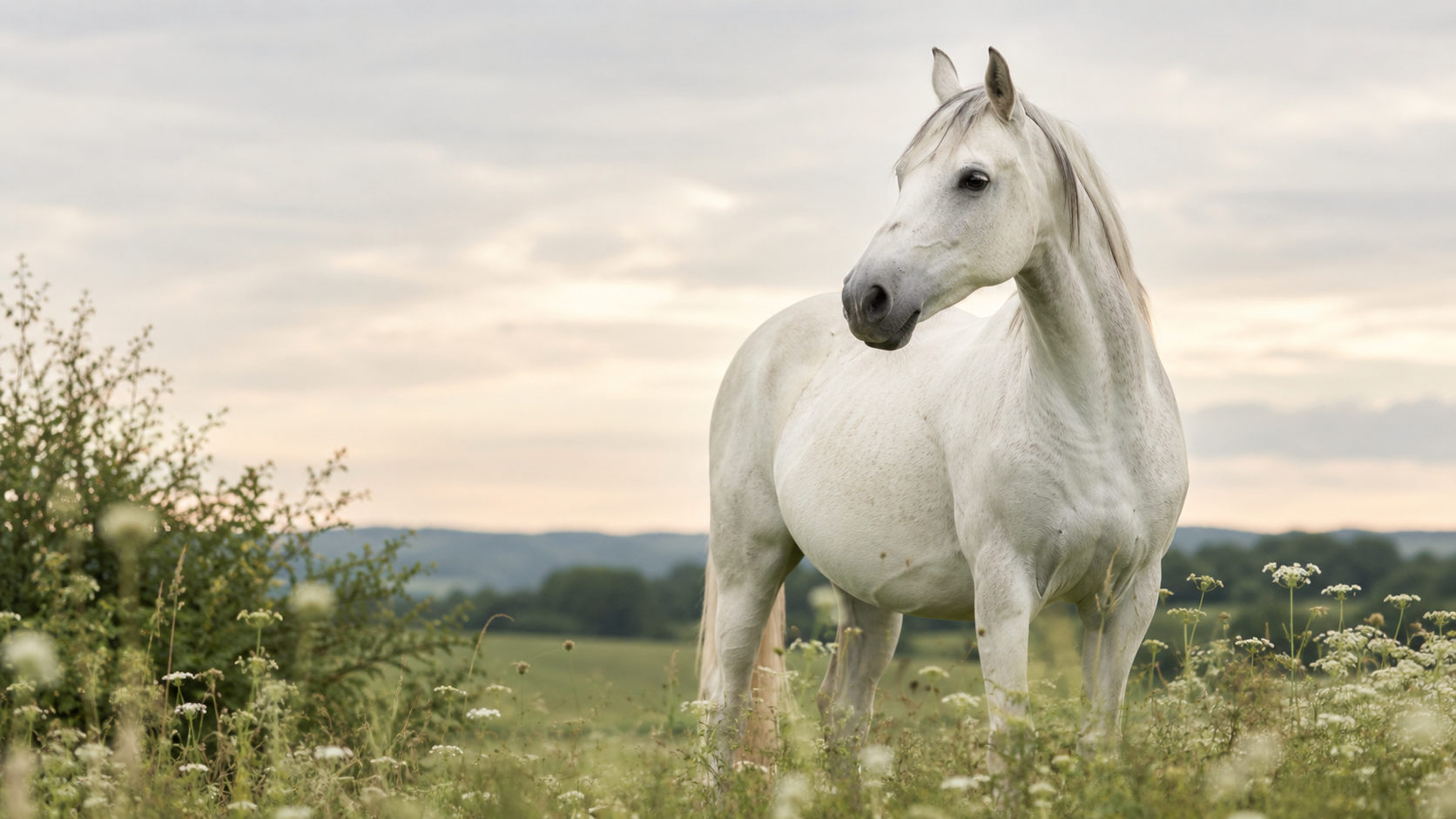
Health and points to watch
It is crucial to monitor the Gotland Pony's body condition to avoid obesity, a major risk factor for laminitis and EMS. Particular attention must be paid to pasture quality and the management of grass access, especially in spring. Regular veterinary check-ups are recommended.
- More frequent conditions: laminitis, Equine Metabolic Syndrome (EMS), obesity
Care and grooming
The Gotland Pony's hooves are naturally hard and resilient, requiring regular trimming but often less intensive than other breeds. The mane and tail are generally thick and full and may require regular detangling. Its hardy coat does not require special care, and clipping is generally not necessary except for intensive work in winter.
Did you know?
- The Gotland Pony is one of the few pony breeds to have retained characteristics of its wild ancestors.
- Pony fossils dating back to the Stone Age have been found on the island of Gotland, proving the ancient origins of the breed.
- Semi-wild herds of Gotland Ponies still exist in the Lojsta forest on the island of Gotland, managed by an association.
The Gotland Pony and how to track it
The Gotland Pony is a rare breed in France, with a limited population of breeders and individuals. It is primarily used for leisure riding and light driving by enthusiasts.
Equio lets you build a complete profile for a Gotland Pony: identity, weight, Body Condition Score, feeding, conditions, care reminders (vaccines, worming, trimming) and an exportable health log. The breed sets the identity; everyday decisions still depend on the real horse and your vet's advice.
- Record the activity level: rest, leisure, sport or breeding
- Add known conditions or sensitivities
- Scan feeds, plants and care products
- Keep reminders (vaccines, worming, trimming)
- Prepare a PDF export before a vet appointment
Frequently asked questions
Is the Gotland Pony suitable for beginner children?
Yes, absolutely. The Gotland Pony is renowned for its calm temperament, kindness, and patience, making it an excellent first pony for children and beginner riders. It is also very intelligent and easy to train.
What is the maximum height of a Gotland Pony?
The height at the wither of a Gotland Pony generally ranges between 115 and 130 cm. Individuals exceeding this height are rare and may be excluded from the studbook.
Is the Gotland Pony a hardy breed?
Yes, it is a very hardy breed, capable of living outdoors all year round with a simple shelter. It is weather-resistant and adapts well to varied climatic conditions, thanks to its thick winter coat.
What are the most common coat colors for the Gotland Pony?
The most frequent coat colors are bay, chestnut, black, and grey. Palomino and dun ponies are also found, but piebald/skewbald coats are not accepted by the breed standard.
Is the Gotland Pony a good driving pony?
Yes, the Gotland Pony is particularly valued for driving. Its supple and energetic gaits, combined with its strength and willing temperament, make it an excellent pony for this discipline, both for leisure and competition.