
Horse breed
Dareshuri
The Dareshuri is an equine breed originating from Fars province in southern Iran, closely linked to the nomadic Dareshuri tribe, a branch of the Qashqai. It is the result of rigorous selection of Arabian and Persian horses, adapted to arid conditions and the demands of nomadic life.
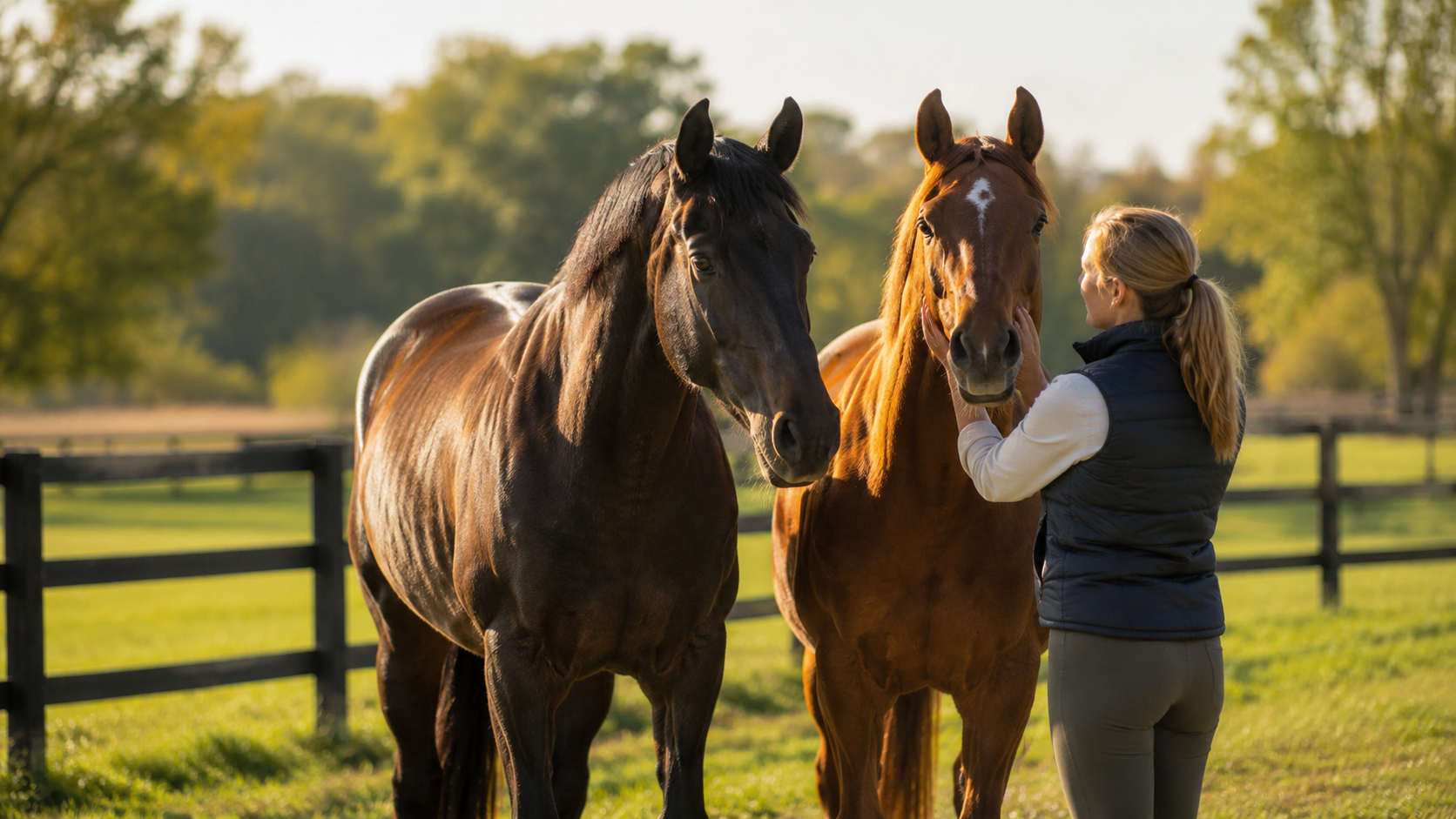
The breed at a glance
The Dareshuri is known for its courageous, intelligent, and willing temperament. It is also renowned for its loyalty and docility towards its rider, making it a reliable partner. It is lively and energetic, but generally easy to train and handle.
- Category
- hot-blooded horse
- Origin
- Iran · Antiquity / Middle Ages (more recent establishment)
- Height at withers
- 145–155 cm
- Weight
- 350–450 kg
- Lifespan
- 25-30 years
- Common coats
- bay, chestnut, grey, black
- Disciplines
- endurance riding, recreational riding, dressage (at an amateur level)
- Other names
- Cheval Dareshuri, Shirazi Horse
Origin and history
The Dareshuri is an equine breed originating from Fars province in southern Iran, closely linked to the nomadic Dareshuri tribe, a branch of the Qashqai. It is the result of rigorous selection of Arabian and Persian horses, adapted to arid conditions and the demands of nomadic life. The breed is recognized for its purity and ancient lineage, although its modern official recognition is more recent. It has played a crucial role in the tribe's movements and activities.

Conformation and physique
The Dareshuri is a medium-sized horse, elegant and athletic, with a harmonious silhouette and fine but strong bone structure. It has a rather square build, typical of hot-blooded horses, combining strength and agility.
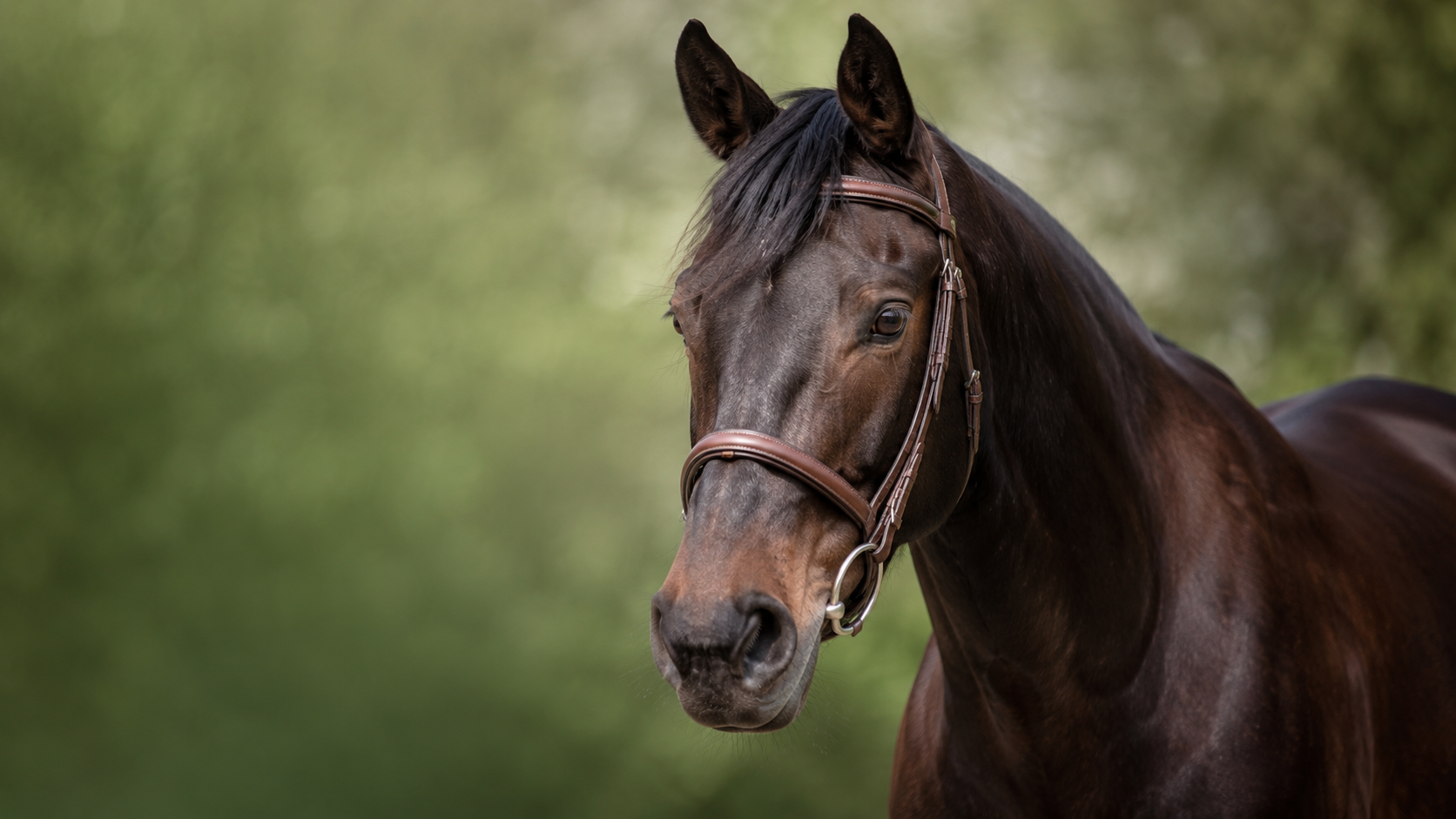
The head is refined, often with a slightly concave (dished) or straight profile, large expressive eyes, and wide, fine nostrils. The ears are small, well-shaped, and mobile.
The neck is long, arched, and well-set, carrying the head elegantly. The withers are well-defined and prominent, blending harmoniously into the back.
The back is short and strong, the topline is taut and muscular. The chest is deep and wide, ensuring good respiratory capacity. The croup is long, muscular, and often slightly sloped, with a high-set tail.
The limbs are fine, clean, and very strong, with well-defined joints and clear tendons. The cannons are short, and the feet are small, hard, and well-formed, adapted to rocky terrain. Feathering is generally absent or very sparse.
- Common coats: bay, chestnut, grey, black
Temperament and aptitudes
The Dareshuri is known for its courageous, intelligent, and willing temperament. It is also renowned for its loyalty and docility towards its rider, making it a reliable partner. It is lively and energetic, but generally easy to train and handle.
The gaits are supple, expansive, and energetic, with good impulsion. The Dareshuri is renowned for its endurance and ability to maintain a sustained pace over long distances, with a light and balanced canter.
- Uses: traditional saddle horse, endurance racing, trail riding, working horse for nomads
- Disciplines: endurance riding, recreational riding, dressage (at an amateur level)
Feeding the Dareshuri
The Dareshuri is a horse with an efficient metabolism, adapted to arid environments and limited resources. It tends to thrive on medium-quality forage and does not require large quantities of concentrates, except during intense work. It is important to monitor its weight as it can easily become overweight if its diet is not adjusted to its activity level. Sufficient fiber intake is essential.
Although generally robust, its efficient metabolism can make it more susceptible to laminitis and Equine Metabolic Syndrome (EMS) if overfed or given unlimited access to rich pastures. Therefore, it is recommended to carefully manage its diet, limiting sugar and starch intake.
With Equio, every feed, supplement or treat is read against the horse's real profile (age, weight, Body Condition Score, conditions) — useful for a Dareshuri as soon as a metabolic or digestive sensitivity is known.
Health and points to watch
Particular attention must be paid to the condition of the feet, which should be regularly trimmed to maintain their soundness. Weight monitoring is crucial to prevent metabolic risks. Proper training management is necessary to preserve the joints.
- More frequent conditions: joint problems related to wear and tear if work is too intense on hard ground, hoof conditions if feet are not properly maintained
Care and grooming
The Dareshuri's hooves are naturally hard and resilient, but regular trimming is essential to maintain their shape and prevent uneven wear. The mane and tail are generally full and require regular brushing. The short, fine coat is easy to maintain; daily brushing is sufficient to keep it clean and shiny.
Did you know?
- The Dareshuri is considered one of the purest and most ancient horses in Iran, with lineages dating back thousands of years.
- It is often used in traditional races in Iran, where its endurance and speed are highly valued.
- The Dareshuri tribe has always been very proud of its horses, considering them a full member of the family and a symbol of their cultural identity.
The Dareshuri and how to track it
The Dareshuri breed is very rare outside of Iran and is not established in France. A few individuals may exist, but there is no structured breeding program or significant population.
Equio lets you build a complete profile for a Dareshuri: identity, weight, Body Condition Score, feeding, conditions, care reminders (vaccines, worming, trimming) and an exportable health log. The breed sets the identity; everyday decisions still depend on the real horse and your vet's advice.
- Record the activity level: rest, leisure, sport or breeding
- Add known conditions or sensitivities
- Scan feeds, plants and care products
- Keep reminders (vaccines, worming, trimming)
- Prepare a PDF export before a vet appointment
Frequently asked questions
Where can one find a Dareshuri horse in France?
The Dareshuri is extremely rare outside of Iran. There is no known breeding in France, and acquiring such a horse would likely require direct importation, with all the administrative and sanitary procedures that entails.
Is the Dareshuri suitable for beginner riders?
Thanks to its intelligent and willing temperament, the Dareshuri can be a good partner for riders who already have some experience. Its liveliness and energy might be a challenge for a complete beginner, but its loyalty makes it a pleasant horse to work with.
What are the main qualities of the Dareshuri?
The main qualities of the Dareshuri are its exceptional endurance, robustness, intelligence, courage, and loyalty. It is also valued for its elegance and supple gaits.
How to care for a Dareshuri's feet?
The Dareshuri's hooves are naturally hard. Regular trimming by a competent farrier is essential to maintain their shape and balance. Shoeing is not always necessary, especially if the horse works on varied and non-abrasive terrain.
Is the Dareshuri an endangered breed?
Although the Dareshuri population is relatively small and primarily concentrated in Iran, efforts are being made to preserve the breed's purity and encourage its breeding, particularly by the Dareshuri tribe itself.