
Horse breed
Chinese Mongolian Horse
The Chinese Mongolian Horse is an ancient breed, a direct descendant of wild Central Asian horses and Mongolian horses. It was domesticated thousands of years ago and played a crucial role in China's military and economic history.
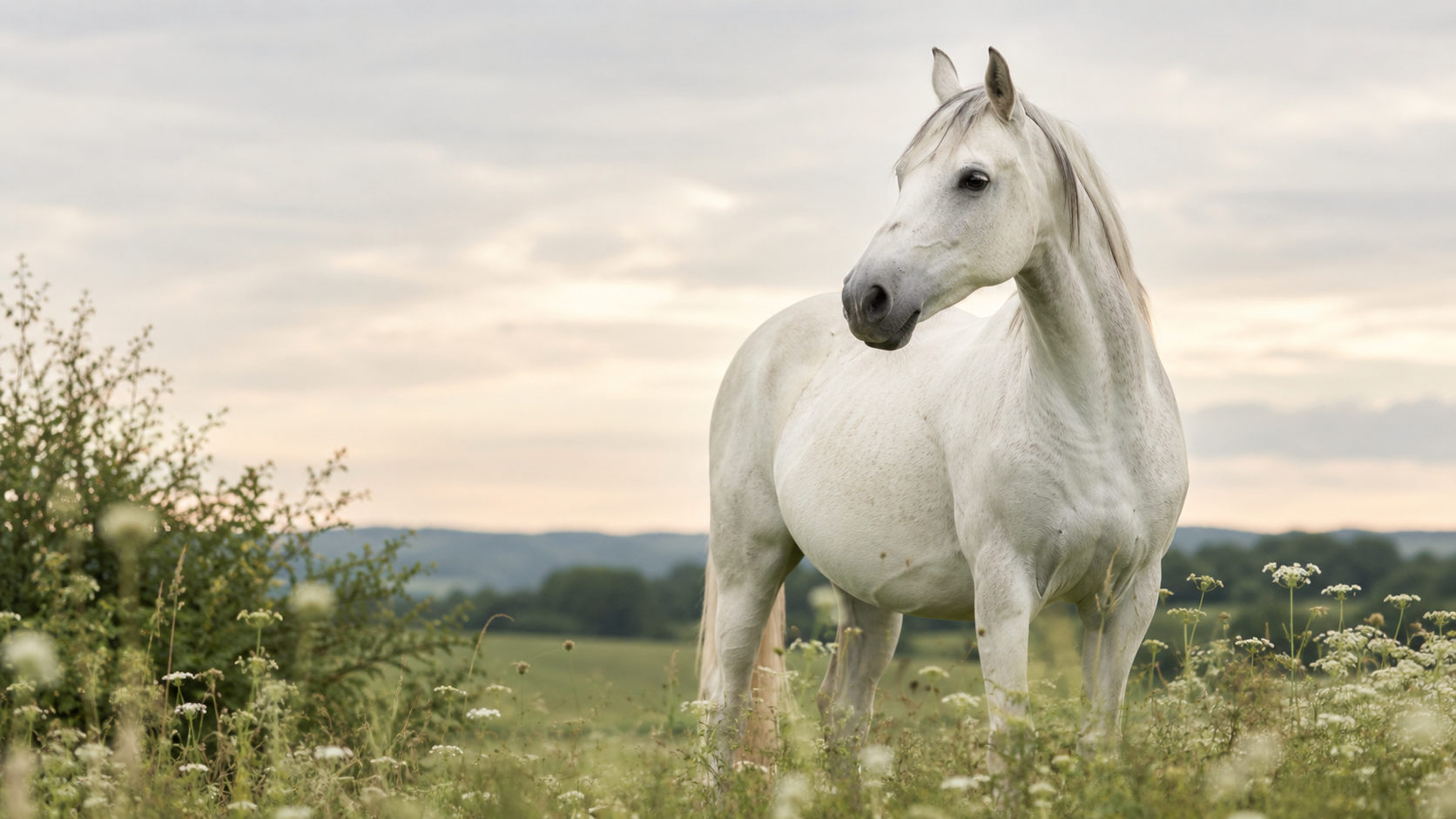
The breed at a glance
The Chinese Mongolian Horse is renowned for its hardy, courageous, and resilient temperament. It is intelligent, willing, and possesses great endurance, making it an excellent working and trekking horse. It is generally calm and easy to handle once trained.
- Category
- hardy breed
- Origin
- China · Antiquity
- Height at withers
- 120–140 cm
- Weight
- 250–350 kg
- Lifespan
- 25-30 years
- Common coats
- bay, chestnut, black, grey, dun, grullo
- Disciplines
- endurance riding, equestrian trail riding, traditional races
- Other names
- Mongolian Horse (China), Chinese Mongolian Horse
Origin and history
The Chinese Mongolian Horse is an ancient breed, a direct descendant of wild Central Asian horses and Mongolian horses. It was domesticated thousands of years ago and played a crucial role in China's military and economic history. The breed was shaped by natural selection and adaptation to the harsh conditions of the steppes. Although not officially recognized by a single international federation, it is a fundamental breed in China.
Conformation and physique
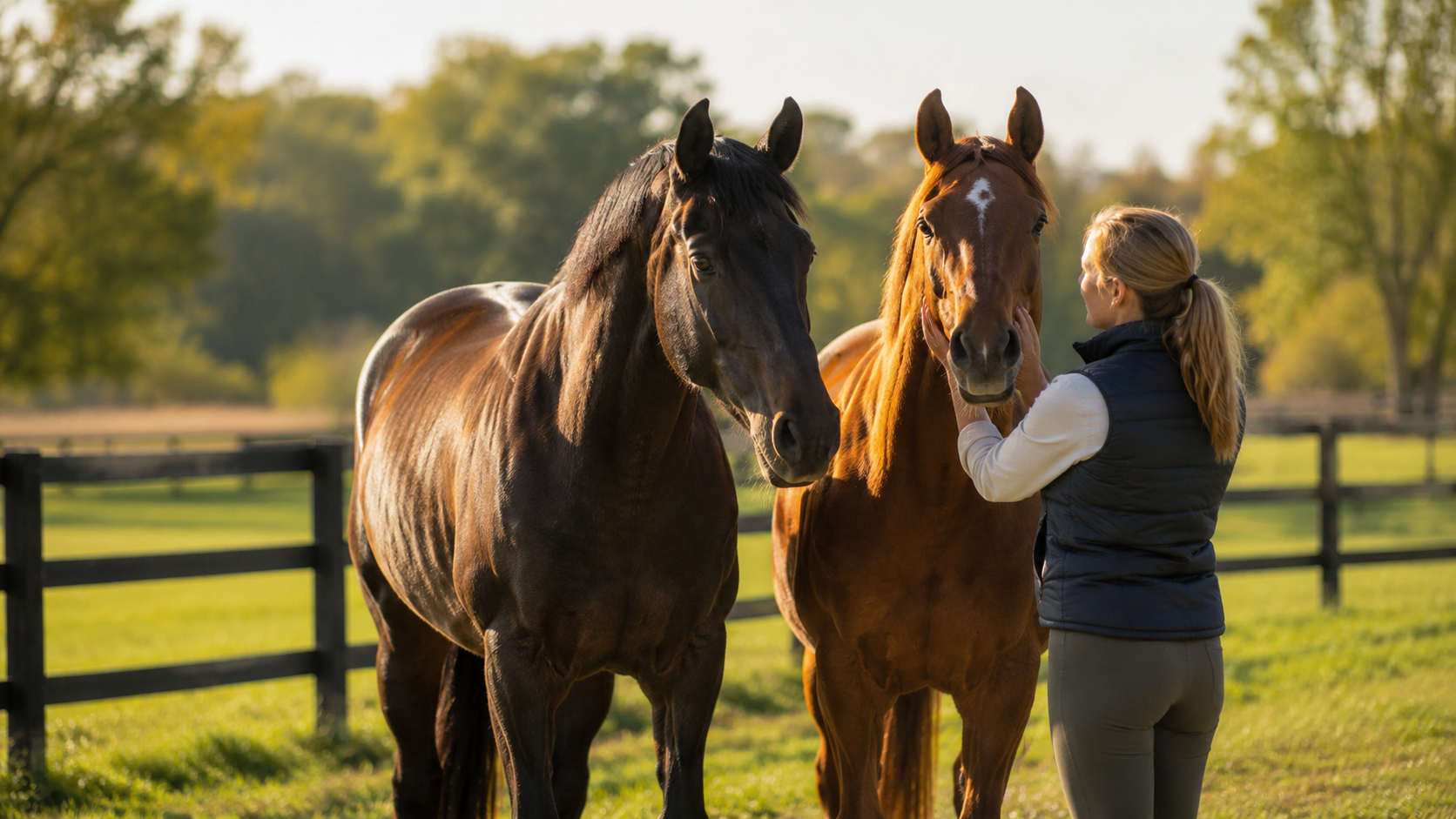
It is a small, compact, and robust horse, with strong bone structure and well-developed musculature. Its silhouette is typical of steppe horses, adapted for endurance and survival in harsh environments.
The head is relatively large in proportion to the body, with a straight or slightly convex profile. The eyes are expressive, and the ears are short and pointed.
The neck is short, thick, and muscular, well-set. The withers are not very pronounced.
The back is short and strong, the topline is straight. The chest is broad and deep, ensuring good respiratory capacity. The croup is short, broad, and muscular, often slightly sloped.
The limbs are short, strong, and well-muscled, with robust joints and well-defined tendons. The hooves are hard and resistant, adapted to varied terrain. Feathering is generally sparse.
- Common coats: bay, chestnut, black, grey, dun, grullo
Temperament and aptitudes
The Chinese Mongolian Horse is renowned for its hardy, courageous, and resilient temperament. It is intelligent, willing, and possesses great endurance, making it an excellent working and trekking horse. It is generally calm and easy to handle once trained.
The gaits are free, energetic, and enduring, with a sure-footed walk and a regular trot. Some individuals may exhibit additional gaits such as the pace, which is highly valued for long distances.
- Uses: transport, agricultural work, breeding, meat, milk, recreational riding, trail riding, traditional races
- Disciplines: endurance riding, equestrian trail riding, traditional races
Feeding the Chinese Mongolian Horse
This is a very thrifty breed, accustomed to sparse diets and harsh living conditions. Its metabolism is adapted to make the most of coarse forages. It has a natural tendency to become overweight if the diet is too rich. A diet primarily consisting of good quality forage is sufficient for most individuals, with concentrates only for horses engaged in intense work.
Due to its thrifty metabolism, the Chinese Mongolian Horse can be predisposed to laminitis and Equine Metabolic Syndrome (EMS) if overfed or sedentary, especially with diets rich in sugars and starch. Careful dietary management is crucial to prevent these conditions.
With Equio, every feed, supplement or treat is read against the horse's real profile (age, weight, Body Condition Score, conditions) — useful for a Chinese Mongolian Horse as soon as a metabolic or digestive sensitivity is known.

Health and points to watch
Regular monitoring of weight and body condition is essential to prevent obesity and associated metabolic conditions. The hooves, although robust, require regular trimming to maintain their integrity, especially if they are not worn down naturally.
- More frequent conditions: laminitis, Equine Metabolic Syndrome (EMS)
Care and grooming
The hooves are naturally hard and resilient, requiring regular but often less intensive trimming than other breeds. The mane and tail are thick and long, requiring occasional detangling. The dense coat protects it well from the cold and does not require clipping except for comfort or intense work. Particular attention should be paid to the skin under the thick coat to detect any irritations.
Did you know?
- These horses are capable of surviving extreme temperatures, ranging from -40°C in winter to +40°C in summer, thanks to their thick winter coat and adapted metabolism.
- They are renowned for their ability to find food under the snow, pawing the ground with their hooves to reach dry grass.
- The Chinese Mongolian Horse is often used in traditional festivals and horse races in Inner Mongolia and other regions of China.
The Chinese Mongolian Horse and how to track it
The Chinese Mongolian Horse is very rare in France, mainly owned by rare breed enthusiasts or breeders specializing in hardy horses. No significant breeding programs or dedicated French studbook exist.
Equio lets you build a complete profile for a Chinese Mongolian Horse: identity, weight, Body Condition Score, feeding, conditions, care reminders (vaccines, worming, trimming) and an exportable health log. The breed sets the identity; everyday decisions still depend on the real horse and your vet's advice.
- Record the activity level: rest, leisure, sport or breeding
- Add known conditions or sensitivities
- Scan feeds, plants and care products
- Keep reminders (vaccines, worming, trimming)
- Prepare a PDF export before a vet appointment
Frequently asked questions
Is the Chinese Mongolian Horse suitable for beginners?
Yes, its calm temperament and robustness can make it a good choice for beginners, provided they are well-trained. Their small size also makes them less intimidating.
What is the acquisition cost of a Chinese Mongolian Horse in France?
The cost is highly variable and difficult to estimate in France due to its rarity. It will depend on importation, bloodline, and the horse's training. Expect potentially high prices for an imported horse.
Can one compete with a Chinese Mongolian Horse?
Although it excels in endurance and trekking, it is generally not suited for classic equestrian disciplines (show jumping, dressage) due to its conformation and gaits. It can, however, excel in endurance competitions or TREC.
How to manage the diet of a Chinese Mongolian Horse to prevent laminitis?
Prioritize a diet rich in low-nutritional-quality forage (unwrapped hay, straw) and strictly limit concentrates and pastures rich in fructans, especially in spring. Regular monitoring of weight and body condition is paramount.
Is the Chinese Mongolian Horse a pony or a horse?
Although its size is that of a pony (generally less than 148 cm), it is considered a horse due to its robust morphology, strength, and traditional use as an adult mount. The distinction between pony and horse is sometimes blurred and cultural.