
Horse breed
Spanish Chartreux Horse
The Chartreuse lineage is a very ancient and pure branch of the Pura Raza Española (PRE), whose origins trace back to Iberian horses. It was developed and preserved by the Carthusian monks of Jerez de la Frontera from the 15th century onwards, who maintained rigorous selection.
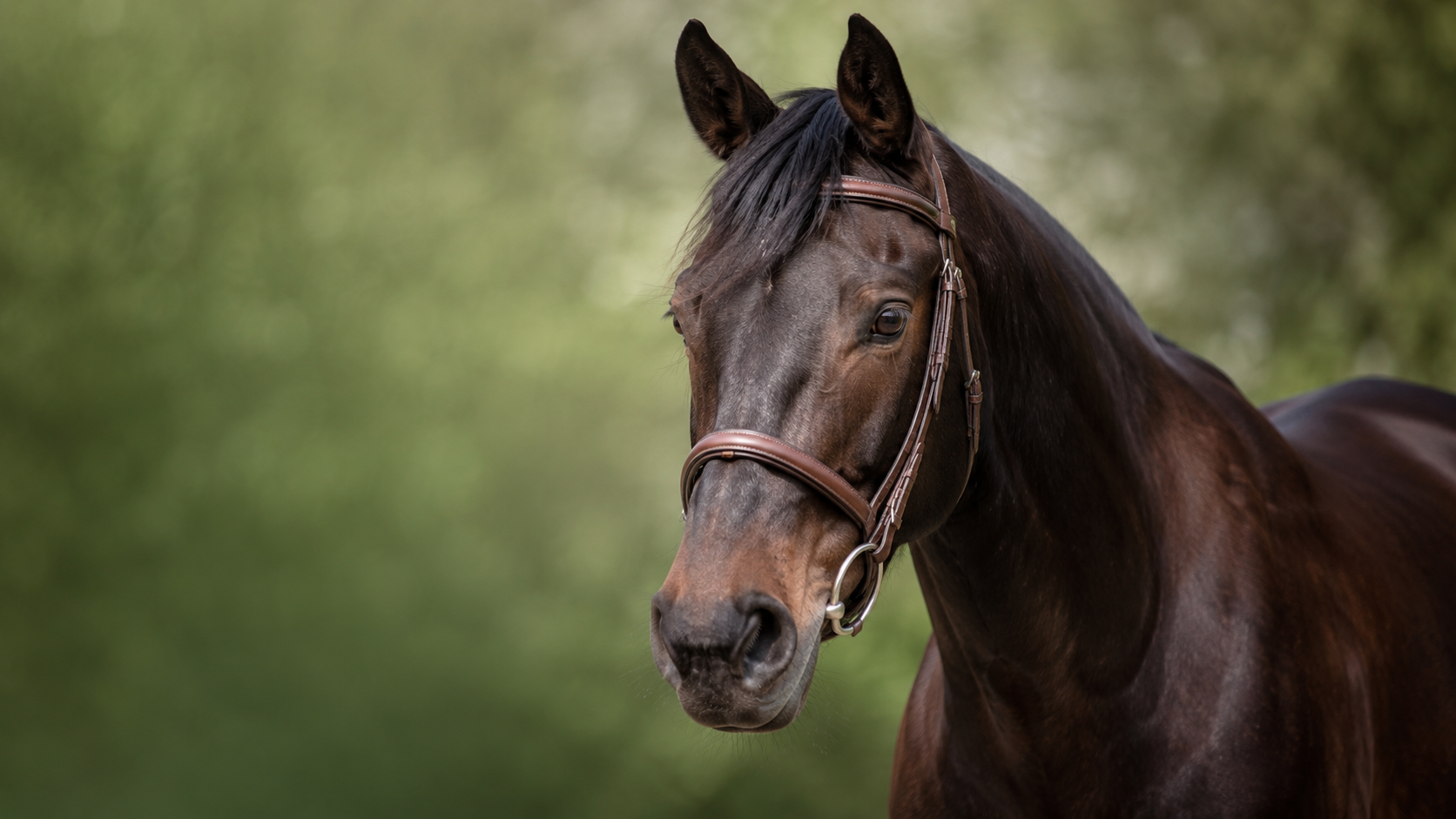
The breed at a glance
The Chartreux is renowned for its noble, intelligent, and sensitive temperament. It is courageous, willing, and possesses a great capacity for learning, making it a pleasant horse to work with and loyal to its rider.
- Category
- saddle horse
- Origin
- Spain · 15th - 18th century
- Height at withers
- 155–170 cm
- Weight
- 450–600 kg
- Lifespan
- 25-30 years
- Common coats
- grey, bay, black
- Disciplines
- Dressage, Haute École, Working Equitation, Driving
- Other names
- Cartujano, Pura Raza Española (PRE) - Lignée Cartujana
Origin and history
The Chartreuse lineage is a very ancient and pure branch of the Pura Raza Española (PRE), whose origins trace back to Iberian horses. It was developed and preserved by the Carthusian monks of Jerez de la Frontera from the 15th century onwards, who maintained rigorous selection. This lineage is considered one of the purest and most influential PRE lines, renowned for its beauty and abilities. It played a key role in establishing the standards of the modern PRE.

Conformation and physique
A mesomorphic horse, harmonious and powerful, with a solid bone structure and well-developed musculature. It presents an elegant and noble silhouette, typical of the Baroque horse.
Medium-sized, refined head, with a sub-convex profile (slightly Roman nose) or straight. The eyes are large, expressive, and lively. The ears are medium-sized, well-set, and mobile.
Powerful, arched, and muscular neck, well-set into the withers and head, with an abundant mane. The withers are well-defined and extended.
Short, broad, and muscular back, with a strong and harmonious topline. Broad and deep chest. Rounded, powerful, and slightly sloping croup, with a low-set and very full tail.
Solid, well-muscled limbs, with large and clean joints. The cannons are short and the pasterns are of good length. Feathers are present but not excessive. The hooves are hard and well-formed.
- Common coats: grey, bay, black
Temperament and aptitudes
The Chartreux is renowned for its noble, intelligent, and sensitive temperament. It is courageous, willing, and possesses a great capacity for learning, making it a pleasant horse to work with and loyal to its rider.
The gaits are elevated, ample, supple, and rhythmic, with great impulsion. The walk is regular, the trot energetic, and the canter balanced, demonstrating a great capacity for collection.
- Uses: classical dressage, Haute École, working equitation, driving, equestrian show, breeding
- Disciplines: Dressage, Haute École, Working Equitation, Driving
Feeding the Spanish Chartreux Horse
The Spanish Chartreux horse is generally an easy keeper, capable of efficiently utilizing forage. It tends to gain weight if not sufficiently exercised or if its diet is too rich. A base of good quality forage (hay) is essential, supplemented with concentrates appropriate for its activity level, taking care not to overload with sugars and starch.
Like many easy keepers, the Chartreux can be predisposed to Equine Metabolic Syndrome (EMS) and laminitis if overfed or sedentary. Vigilance is required regarding sugar and starch intake, especially for overweight individuals or those with a history of these conditions.
With Equio, every feed, supplement or treat is read against the horse's real profile (age, weight, Body Condition Score, conditions) — useful for a Spanish Chartreux Horse as soon as a metabolic or digestive sensitivity is known.

Health and points to watch
Particular attention should be paid to weight management to prevent metabolic risks. Regular monitoring of conformation and feet is important. Rigorous selection has helped maintain the overall robustness of the lineage.
- More frequent conditions: osteochondrosis (OCD) in growing youngsters (like many sport horse breeds), joint problems related to age or intense work
Care and grooming
The care of the mane and tail, often very abundant, requires regular brushing to prevent tangles and dirt. The hooves, generally hard, require regular and appropriate trimming. The coat is easy to maintain. Particular attention to skin care is recommended in conditions of high humidity or heat.
Did you know?
- The Chartreuse lineage is one of the oldest and purest of the Pura Raza Española, and is considered a genetic treasure in Spain.
- The Carthusian monks of Jerez de la Frontera maintained meticulous genealogical records, ensuring the purity of the lineage for centuries.
- Chartreux horses are often recognizable by their brand, a barred 'U' on the croup, although this is not systematic for all descendants.
The Spanish Chartreux Horse and how to track it
The Chartreuse lineage is present in France within Pura Raza Española breeding. It is valued for its aesthetic and athletic qualities, particularly in dressage and for equestrian shows.
Equio lets you build a complete profile for a Spanish Chartreux Horse: identity, weight, Body Condition Score, feeding, conditions, care reminders (vaccines, worming, trimming) and an exportable health log. The breed sets the identity; everyday decisions still depend on the real horse and your vet's advice.
- Record the activity level: rest, leisure, sport or breeding
- Add known conditions or sensitivities
- Scan feeds, plants and care products
- Keep reminders (vaccines, worming, trimming)
- Prepare a PDF export before a vet appointment
Frequently asked questions
What is the difference between a Spanish Chartreux horse and a PRE?
The Spanish Chartreux horse is a specific and very pure lineage within the Pura Raza Española (PRE) breed. All Chartreux are PREs, but not all PREs are Chartreux. The Chartreuse lineage is renowned for its genetic purity and its very specific morphological and temperament characteristics, inherited from the monks' selection.
Is the Spanish Chartreux horse suitable for beginners?
Although intelligent and willing, the Chartreux is a sensitive and energetic horse. It is better suited for riders who already have some experience and a soft hand, capable of understanding and channeling its temperament. It can be an excellent partner for an experienced rider.
What are the most common coat colors for the Chartreux?
Historically, the grey coat color was the most sought-after and frequent among Chartreux. However, bay and black coat colors are also present and recognized, though less common than grey.
What is the price of a Spanish Chartreux horse?
The price of a Spanish Chartreux horse varies considerably depending on its age, sex, lineage (bloodline, parents), training level, and conformation. Foals can start at a few thousand euros, while trained horses or those with prestigious bloodlines can reach much higher sums, sometimes tens of thousands of euros.
Is the Chartreux a good sport horse?
Yes, the Spanish Chartreux horse is particularly valued for classical dressage and Haute École thanks to its elevated gaits, capacity for collection, and willing temperament. It also excels in working equitation and equestrian shows.