
Horse breed
Cheval du Vercors de Barraquand
Originating from local horses of the Vercors massif, the Cheval du Vercors de Barraquand is the result of natural selection and crosses with light draft breeds and saddle horses. Historically used for agricultural work and mountain transport, it almost disappeared in the 20th century.
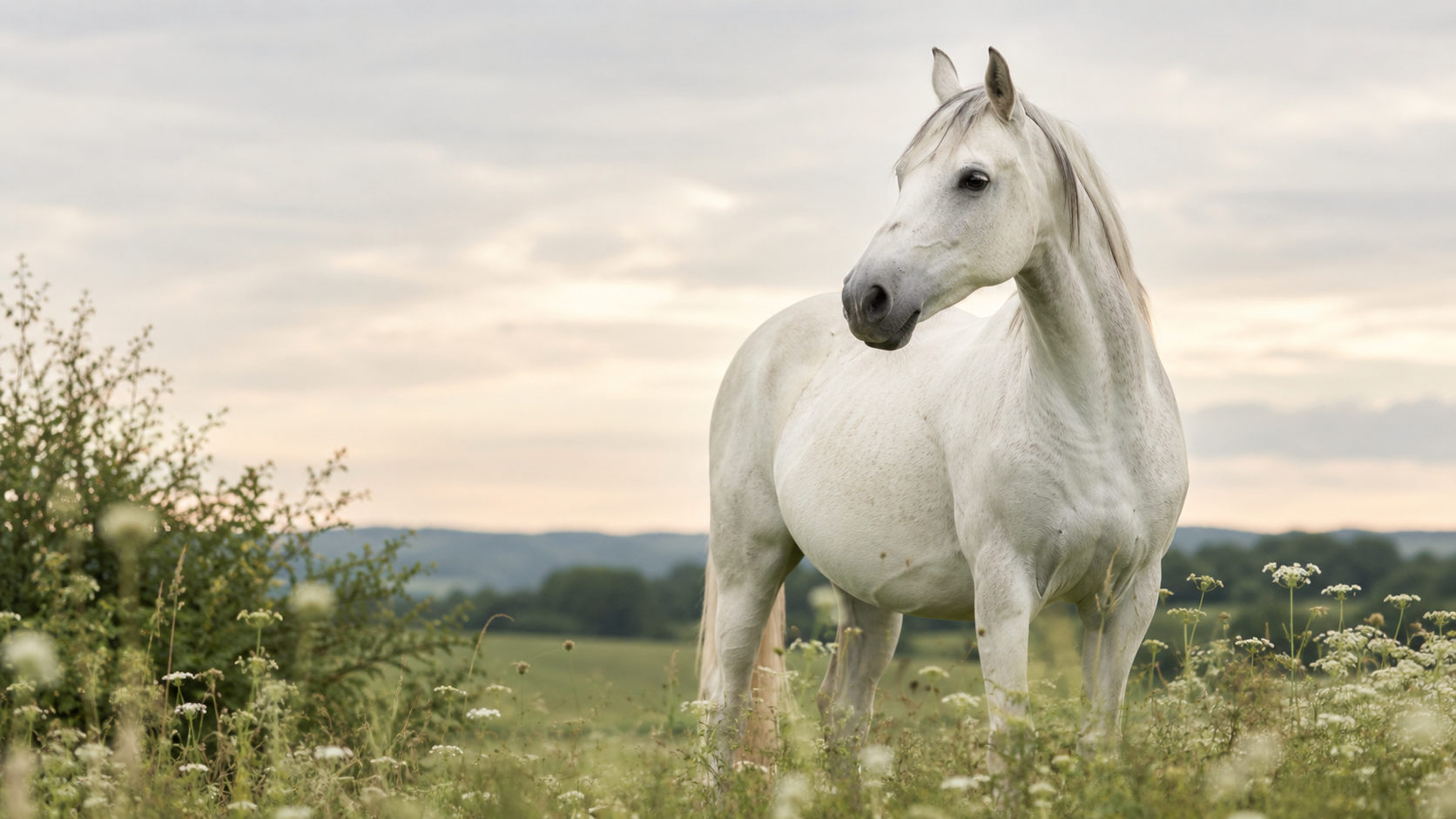
The breed at a glance
The Cheval du Vercors de Barraquand is renowned for its calm, docile, and willing temperament. It is courageous, enduring, and very self-assured, making it an excellent companion for work and leisure, especially outdoors.
- Category
- hardy breed
- Origin
- France · 19th century (establishment), official recognition in 1994
- Height at withers
- 140–155 cm
- Weight
- 400–550 kg
- Lifespan
- 25-30 years
- Common coats
- bay, chestnut, black, grey
- Disciplines
- equestrian trail riding, TREC, leisure driving, trail riding
- Other names
- Vercors, Barraquand
Origin and history
Originating from local horses of the Vercors massif, the Cheval du Vercors de Barraquand is the result of natural selection and crosses with light draft breeds and saddle horses. Historically used for agricultural work and mountain transport, it almost disappeared in the 20th century. A conservation program was initiated in the 1980s, leading to its official recognition as a breed in 1994.
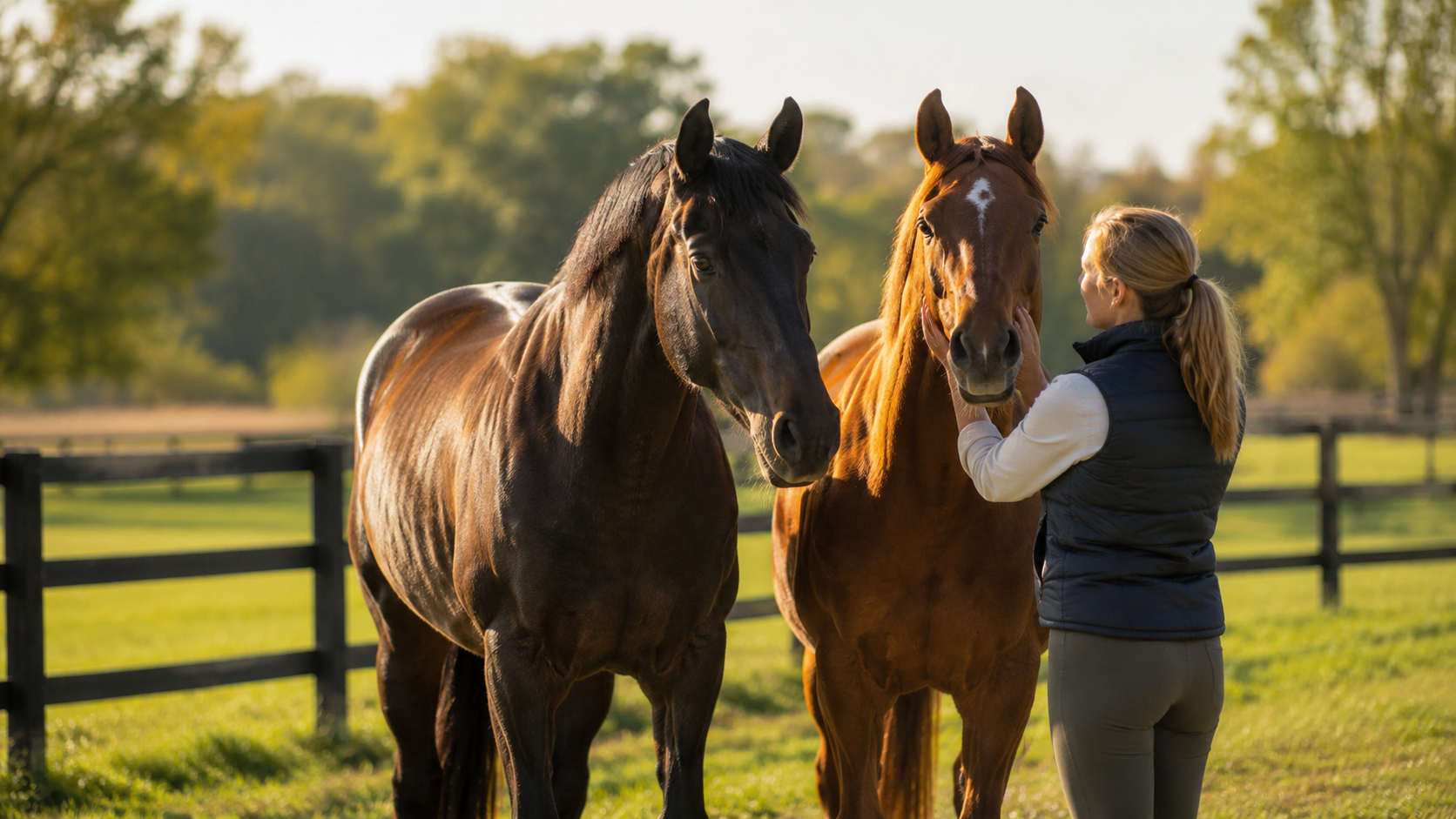
Conformation and physique
A medium-sized horse, harmonious and compact, with strong bone structure and well-developed musculature, adapted to mountain work. It has a rustic yet elegant silhouette.
Expressive, medium-sized head, with a straight or slightly concave profile. The eyes are lively and the ears are well-set, of medium size.
Well-set, muscular and proportionate neck, often arched. The withers are prominent and well-defined.
Short and strong back, taut topline. Deep and broad chest. Muscular, slightly sloping croup, with a well-set tail.
Strong and clean legs, with large and well-defined joints. The conformation is correct. Feathering is sparse or absent. The hooves are hard and well-formed.
- Common coats: bay, chestnut, black, grey
Temperament and aptitudes
The Cheval du Vercors de Barraquand is renowned for its calm, docile, and willing temperament. It is courageous, enduring, and very self-assured, making it an excellent companion for work and leisure, especially outdoors.
The gaits are ample, supple, and energetic, with good balance, particularly suited to rugged terrain. The walk is sure-footed and the trot rhythmic.
- Uses: light agricultural work, logging, equestrian trail riding, driving, recreational riding, mountain packing
- Disciplines: equestrian trail riding, TREC, leisure driving, trail riding
Feeding the Cheval du Vercors de Barraquand
It is a hardy breed with an efficient metabolism, capable of thriving on average quality forage. It tends to gain weight if its diet is not adapted to its activity level. A diet based on good quality hay is essential, supplemented with concentrates only if work is intense, taking care not to overfeed.
Due to its efficient metabolism, the Cheval du Vercors de Barraquand may be predisposed to Equine Metabolic Syndrome (EMS) and laminitis if overfed or given unlimited access to rich pastures. Careful dietary management is therefore essential to prevent these conditions.
With Equio, every feed, supplement or treat is read against the horse's real profile (age, weight, Body Condition Score, conditions) — useful for a Cheval du Vercors de Barraquand as soon as a metabolic or digestive sensitivity is known.

Health and points to watch
Carefully monitor weight and body condition to prevent obesity and laminitis. Particular attention must be paid to hoof care, which is essential for a mountain horse. Regular dental check-ups are also recommended.
- More frequent conditions: laminitis (if overfed), joint conditions related to age or intense work on difficult terrain
Care and grooming
The hooves, hard and resistant, require regular trimming but can often go unshod on non-abrasive terrain. The mane and tail are generally full and require standard care. The hardy coat does not require special care; clipping is generally not necessary except for sport horses or in cases of intense work in winter.
Did you know?
- The Cheval du Vercors de Barraquand is the only equine breed originating from the Vercors massif.
- Its name 'Barraquand' refers to the Barraquand family, who played a key role in the preservation and recognition of the breed.
- It is often used by shepherds for moving herds in alpine pastures.
The Cheval du Vercors de Barraquand and how to track it
The breed is primarily raised in its region of origin, the Vercors massif, and in the surrounding mountainous areas. Its population remains modest but stable thanks to conservation efforts.
Equio lets you build a complete profile for a Cheval du Vercors de Barraquand: identity, weight, Body Condition Score, feeding, conditions, care reminders (vaccines, worming, trimming) and an exportable health log. The breed sets the identity; everyday decisions still depend on the real horse and your vet's advice.
- Record the activity level: rest, leisure, sport or breeding
- Add known conditions or sensitivities
- Scan feeds, plants and care products
- Keep reminders (vaccines, worming, trimming)
- Prepare a PDF export before a vet appointment
Frequently asked questions
Is the Cheval du Vercors de Barraquand suitable for beginners?
Yes, thanks to its calm and docile temperament, the Cheval du Vercors de Barraquand is generally well-suited for beginner or inexperienced riders, provided there is appropriate supervision.
What is the acquisition cost of a Cheval du Vercors de Barraquand?
The price varies depending on the horse's age, training level, and lineage, but it is generally affordable, ranging between 2,500 and 6,000 euros for a young, broken-in horse.
Can the Cheval du Vercors de Barraquand be used for competition?
Although not a purebred sport horse, the Cheval du Vercors de Barraquand excels in outdoor disciplines such as TREC, recreational endurance, or driving, where its robustness and temperament are assets.
Can the Cheval du Vercors de Barraquand live in a pasture all year round?
Absolutely. It is a hardy breed perfectly adapted to outdoor life all year round, provided it has natural or artificial shelter and a diet adapted to the seasons.
Is it easy to find a breeder of Cheval du Vercors de Barraquand?
As the breed is small in number and concentrated in its region of origin, it may be necessary to travel or contact the breed association to find a breeder. However, breeders are passionate and approachable.