
Horse breed
Bosnian Mountain Horse
The Bosnian Mountain Horse is an indigenous breed from the Balkans, likely descended from the Tarpan and Przewalski's horse, with Oriental influences. Its natural selection occurred in harsh mountain conditions.
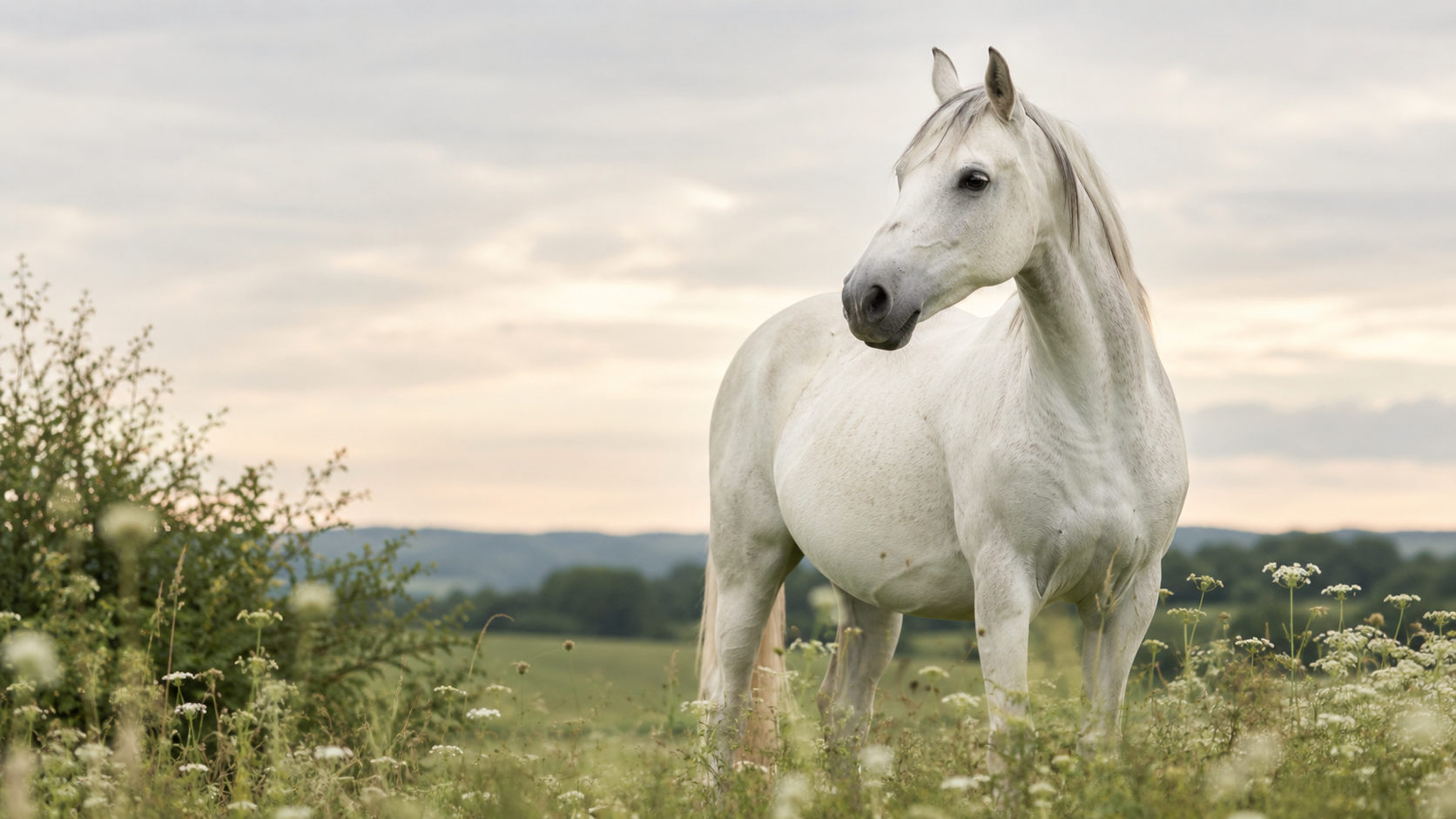
The breed at a glance
The Bosnian Mountain Horse is renowned for its calm, docile, and courageous temperament. It is very intelligent, willing, and extremely resilient, making it an excellent working and trekking companion. It is also very self-assured and not easily frightened.
- Category
- hardy breed
- Origin
- Bosnia and Herzegovina · Antiquity / Middle Ages
- Height at withers
- 125–145 cm
- Weight
- 300–400 kg
- Lifespan
- 25-30 years
- Common coats
- bay, chestnut, black, grey, mouse
- Disciplines
- equestrian trail riding, TREC, working equitation
- Other names
- Bosnian Mountain Horse, Bosanski Brdski Konj
Origin and history
The Bosnian Mountain Horse is an indigenous breed from the Balkans, likely descended from the Tarpan and Przewalski's horse, with Oriental influences. Its natural selection occurred in harsh mountain conditions. It has been used for centuries as a riding animal and pack animal by local populations. The breed was officially recognized and a studbook established in the early 20th century, although its population has significantly decreased.
Conformation and physique
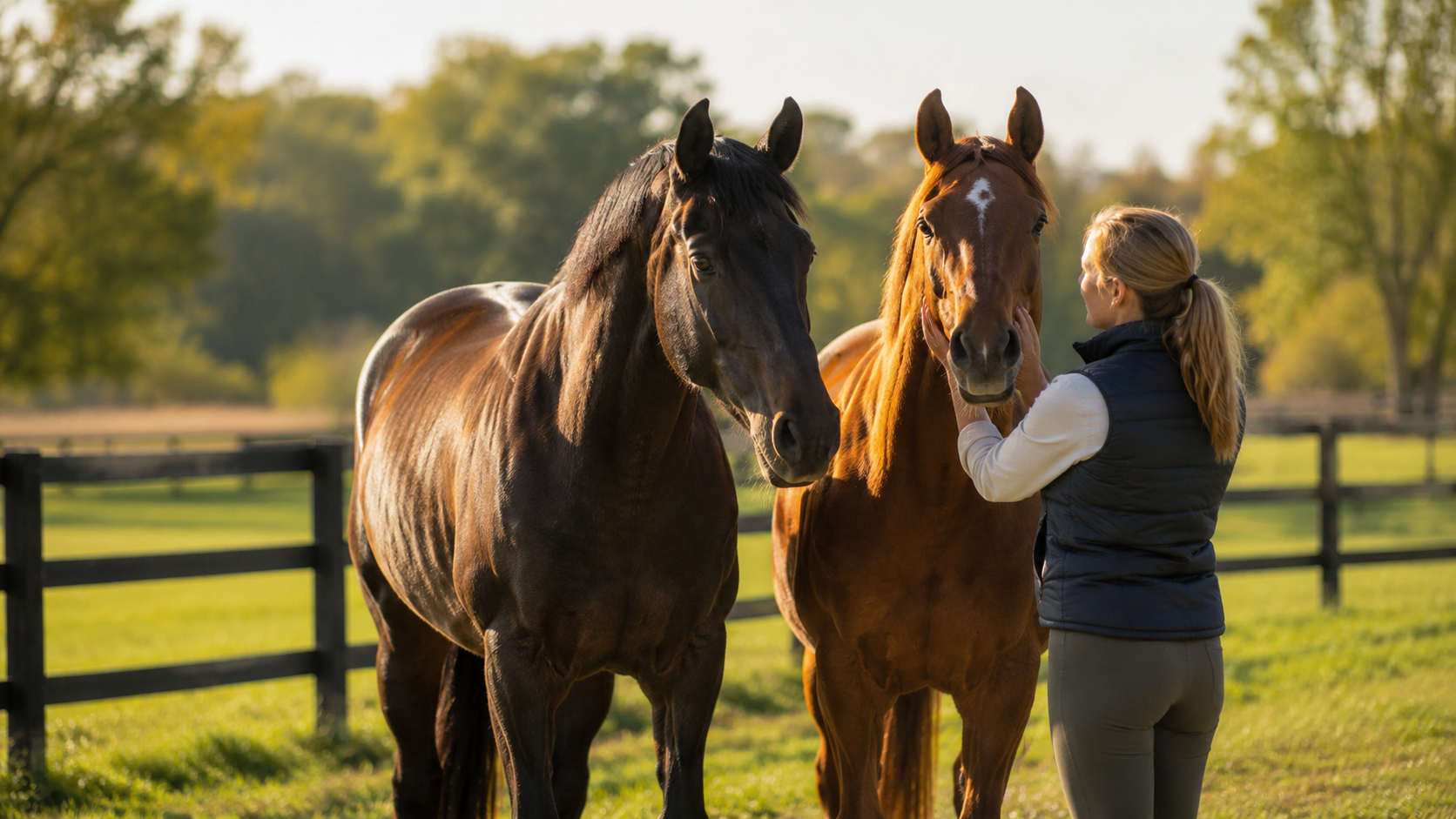
It is a small-sized, compact, and robust horse, with a solid bone structure and well-developed musculature, adapted to difficult terrain. It presents a harmonious and powerful build for its size.
The head is medium-sized, with a straight or slightly concave profile, large expressive eyes, and well-opened nostrils. The ears are medium-sized and well-set.
The neck is short, muscular, and well-set, blending harmoniously into a low but extended wither.
The back is short and strong, the topline is straight and solid. The chest is broad and deep, ensuring good respiratory capacity. The croup is muscular, often slightly sloped.
The limbs are short, clean, and very strong, with well-defined joints and clean tendons. The hooves are small, hard, and resilient, adapted to rocky terrain. Feathers are generally sparse.
- Common coats: bay, chestnut, black, grey, mouse
Temperament and aptitudes
The Bosnian Mountain Horse is renowned for its calm, docile, and courageous temperament. It is very intelligent, willing, and extremely resilient, making it an excellent working and trekking companion. It is also very self-assured and not easily frightened.
The gaits are energetic, sure-footed, and regular, with an excellent ability to move on rough terrain. The walk is particularly sure-footed and enduring, while the trot and canter are balanced.
- Uses: pack and light draft horse, saddle horse for transport and agricultural work, equestrian trail riding, recreational riding, agritourism
- Disciplines: equestrian trail riding, TREC, working equitation
Feeding the Bosnian Mountain Horse
This breed is very thrifty and has a metabolism adapted to poor environments. It is capable of utilizing poor quality forage and tends to gain weight if the diet is too rich. A diet based on good quality hay, supplemented with grass, is generally sufficient. Concentrates are only necessary in cases of intense work or specific needs and should be given sparingly to avoid overfeeding.
Due to its thrifty metabolism, the Bosnian Mountain Horse can be predisposed to laminitis and Equine Metabolic Syndrome (EMS) if overfed or sedentary. It is therefore crucial to monitor its weight and adjust its diet. There is no documented predisposition to PSSM or other specific sugar/starch sensitivities beyond general EMS management.
With Equio, every feed, supplement or treat is read against the horse's real profile (age, weight, Body Condition Score, conditions) — useful for a Bosnian Mountain Horse as soon as a metabolic or digestive sensitivity is known.

Health and points to watch
Weight monitoring is paramount to prevent laminitis and EMS. Particular attention must be paid to hoof care, which, although naturally strong, requires regular trimming to maintain their integrity, especially if shod or worked on abrasive terrain.
- More frequent conditions: laminitis (if overfed), Equine Metabolic Syndrome (EMS)
Care and grooming
The hooves, naturally hard, require regular trimming, but can often be left barefoot. The mane and tail are generally thick and only require occasional brushing. The dense coat protects well from the elements and does not require clipping, except for aesthetic reasons or intense work. Regular skin monitoring is recommended, especially in humid environments.
Did you know?
- The Bosnian Mountain Horse is one of the few horse breeds whose studbook is based on very old maternal and paternal lines, preserving great genetic purity.
- It is capable of carrying loads equivalent to its own weight over steep terrain, a remarkable feat for its size.
- The breed is considered endangered, with conservation efforts primarily conducted in Bosnia and Herzegovina and neighboring countries.
The Bosnian Mountain Horse and how to track it
The breed is very rare in France, with a few individuals imported by enthusiasts. There is no structured breeding program or French studbook dedicated to this breed at present.
Equio lets you build a complete profile for a Bosnian Mountain Horse: identity, weight, Body Condition Score, feeding, conditions, care reminders (vaccines, worming, trimming) and an exportable health log. The breed sets the identity; everyday decisions still depend on the real horse and your vet's advice.
- Record the activity level: rest, leisure, sport or breeding
- Add known conditions or sensitivities
- Scan feeds, plants and care products
- Keep reminders (vaccines, worming, trimming)
- Prepare a PDF export before a vet appointment
Frequently asked questions
Is the Bosnian Mountain Horse suitable for beginners?
Yes, its calm, docile temperament and great patience make it an excellent mount for beginner or inexperienced riders, provided they receive proper guidance and the horse is properly trained.
What is the purchase cost of a Bosnian Mountain Horse?
The cost can vary considerably depending on the horse's age, training, and bloodline. Due to its rarity outside its country of origin, prices may be higher and include importation fees. It is difficult to provide an exact range without knowing the current market.
Can you do show jumping with a Bosnian Mountain Horse?
Although agile and athletic, the Bosnian Mountain Horse is not naturally predisposed to high-level show jumping due to its compact build and conformation. It excels more in endurance, trail riding, and working disciplines.
How to care for the hooves of a Bosnian Mountain Horse?
The hooves are naturally hard and resilient. Regular trimming by a competent farrier is essential, every 6 to 8 weeks. Many of these horses can live barefoot, especially if they work on varied terrain, but shoeing may be considered for specific work or very abrasive terrain.
Is the Bosnian Mountain Horse an endangered breed?
Yes, the Bosnian Mountain Horse is considered an endangered breed. Conservation programs are in place, particularly in Bosnia and Herzegovina, to preserve its genetic purity and increase its population.