
Horse breed
Caspian
The Caspian is a very ancient breed, considered one of the ancestors of hot-blooded horses. Archaeological evidence and artistic representations dating back more than 3000 BC attest to its presence in Persia.
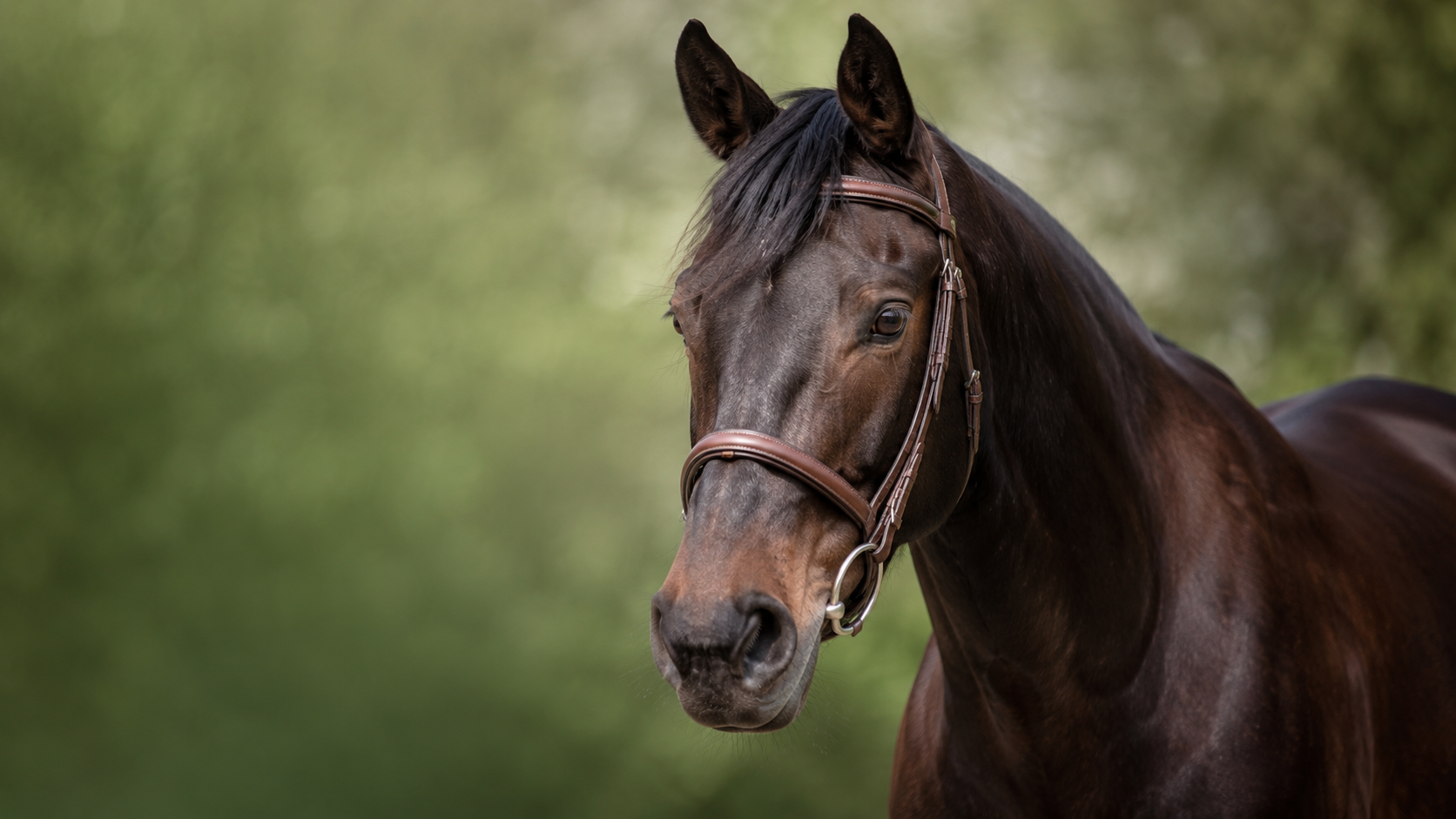
The breed at a glance
The Caspian is intelligent, courageous, and possesses an excellent temperament, making it an ideal companion for children. It is lively and willing to work, yet always cooperative and easy to handle. Its curiosity and kindness are highly valued.
- Category
- pony
- Origin
- Iran · Antiquity (rediscovered in the 20th century)
- Height at withers
- 100–125 cm
- Weight
- 150–250 kg
- Lifespan
- 25-30 years
- Common coats
- bay, chestnut, grey, black, palomino, dun
- Disciplines
- Dressage, Show Jumping, Driving, Pony Games
- Other names
- Cheval Caspien, Caspian Pony
Origin and history
The Caspian is a very ancient breed, considered one of the ancestors of hot-blooded horses. Archaeological evidence and artistic representations dating back more than 3000 BC attest to its presence in Persia. The breed was rediscovered in 1965 by Louise Firouz, an American living in Iran, who identified these small horses in the Elburz Mountains. She initiated a conservation and breeding program to preserve this unique breed, threatened with extinction.

Conformation and physique
The Caspian is a small pony with equine proportions, characterized by a fine and elegant bone structure. It has an athletic and harmonious build, without the stocky appearance often associated with ponies.
Small, fine, and well-proportioned head, with a broad forehead, large expressive eyes, and a straight or slightly concave profile. The nostrils are wide and the ears are small and well-placed.
Long, fine, and well-arched neck, set high, blending harmoniously into well-defined and muscular withers.
Short and strong back, level topline. Deep and well-sprung chest, well-sprung ribs. Long and muscular croup, slightly sloped, with a high-set tail.
Fine but strong limbs, with well-defined joints and clean tendons. The hooves are small, round, and very hard, often requiring no shoeing. No feathering.
- Common coats: bay, chestnut, grey, black, palomino, dun
Temperament and aptitudes
The Caspian is intelligent, courageous, and possesses an excellent temperament, making it an ideal companion for children. It is lively and willing to work, yet always cooperative and easy to handle. Its curiosity and kindness are highly valued.
The gaits are expansive, supple, and energetic, with good impulsion. The Caspian is renowned for its floating trot and its fast, balanced canter, reminiscent of a hot-blooded horse.
- Uses: children's riding, light driving, pony games, dressage, show jumping, endurance riding, family horse
- Disciplines: Dressage, Show Jumping, Driving, Pony Games, Endurance
Feeding the Caspian
The Caspian is a hardy and economical breed, adapted to arid environments. It has an efficient metabolism and is able to thrive on medium-quality forage. It is prone to obesity if its diet is not monitored, especially without sufficient exercise. A sufficient supply of good quality forage (hay or grass) is essential, supplemented with concentrates only if the workload is sustained, in small quantities to avoid overfeeding.
Due to its efficient metabolism, the Caspian can be predisposed to laminitis and Equine Metabolic Syndrome (EMS) if overfed or if it has unlimited access to rich pastures. Careful dietary management is crucial to prevent these conditions.
With Equio, every feed, supplement or treat is read against the horse's real profile (age, weight, Body Condition Score, conditions) — useful for a Caspian as soon as a metabolic or digestive sensitivity is known.
Health and points to watch
Carefully monitor weight and body condition to prevent obesity and the risk of laminitis. Particular attention must be paid to hoof care, as their hooves are naturally very hard but require regular trimming to maintain their integrity.
- More frequent conditions: laminitis, Equine Metabolic Syndrome (EMS)
Care and grooming
Caspian hooves are renowned for their hardness and resilience, often requiring less shoeing than other breeds, but regular trimming by a farrier is essential. The mane and tail are generally full and require regular brushing. The coat is easy to maintain and does not require specific care, apart from regular brushing.
Did you know?
- The Caspian is considered one of the oldest horse breeds in the world, with origins dating back more than 5000 years.
- Despite its small size, the Caspian has 17 ribs, like hot-blooded horses, whereas most ponies have 18.
- It was used to pull royal chariots in ancient Persia, as evidenced by bas-reliefs and cylinder seals.
The Caspian and how to track it
The Caspian breed is present in France, although its population remains modest. A few passionate breeders contribute to its dissemination and use, primarily for leisure riding and children's equestrian disciplines.
Equio lets you build a complete profile for a Caspian: identity, weight, Body Condition Score, feeding, conditions, care reminders (vaccines, worming, trimming) and an exportable health log. The breed sets the identity; everyday decisions still depend on the real horse and your vet's advice.
- Record the activity level: rest, leisure, sport or breeding
- Add known conditions or sensitivities
- Scan feeds, plants and care products
- Keep reminders (vaccines, worming, trimming)
- Prepare a PDF export before a vet appointment
Frequently asked questions
Is the Caspian a pony or a miniature horse?
Although small in size, the Caspian is genetically a miniature horse, exhibiting all the proportions and characteristics of a hot-blooded horse, unlike many ponies which have a stockier build.
Is the Caspian suitable for adults?
The Caspian is primarily ridden by children and teenagers due to its size. However, it can be driven by adults and is also used as a lead horse or for light groundwork by adults.
What is the difference between a Caspian and a Shetland?
The Caspian is finer, more elegant, and has equine proportions, with a refined head and expansive gaits. The Shetland is stockier, with a heavier bone structure, a stronger head, and shorter gaits. The Caspian is also more athletic and versatile in equestrian disciplines.
Is the Caspian easy to train?
Yes, the Caspian is renowned for its intelligence, responsiveness, and willingness to learn. It is generally easy to train and handle, making it an excellent first pony for children.
Where can Caspians be found in France?
The Caspian breed is rare in France, but a few passionate breeders are dedicated to its preservation. It is advised to contact the French breed association or international registries to obtain information on available breeders.