
Horse breed
Boulonnais
The Boulonnais is a very ancient breed, whose origins date back to horses of Roman cavalry crossed with local mares. In the Middle Ages, it was influenced by Oriental blood during the Crusades, giving rise to a lighter and more elegant horse, the 'Boulonnais Mareyeur'.

The breed at a glance
The Boulonnais is renowned for its gentle, calm, and willing temperament. It is intelligent, docile, and easy to train, making it an excellent working partner and a pleasant horse to be around. It is also courageous and energetic.
- Category
- draft horse
- Origin
- France · Antiquity (foundations), Middle Ages (establishment), 19th century (standardization)
- Height at withers
- 155–175 cm
- Weight
- 550–1000 kg
- Lifespan
- 20-25 years
- Common coats
- grey, chestnut
- Disciplines
- Driving (competition and leisure), Logging, Working equitation, Equestrian Show
- Other names
- Cheval Boulonnais, Maréeur, Cheval de la Mer
Origin and history
The Boulonnais is a very ancient breed, whose origins date back to horses of Roman cavalry crossed with local mares. In the Middle Ages, it was influenced by Oriental blood during the Crusades, giving rise to a lighter and more elegant horse, the 'Boulonnais Mareyeur'. In the 17th century, contributions of Dutch and German blood led to the creation of the heavier 'Grand Boulonnais'. The breed was officially recognized and its studbook created at the end of the 19th century.
Conformation and physique
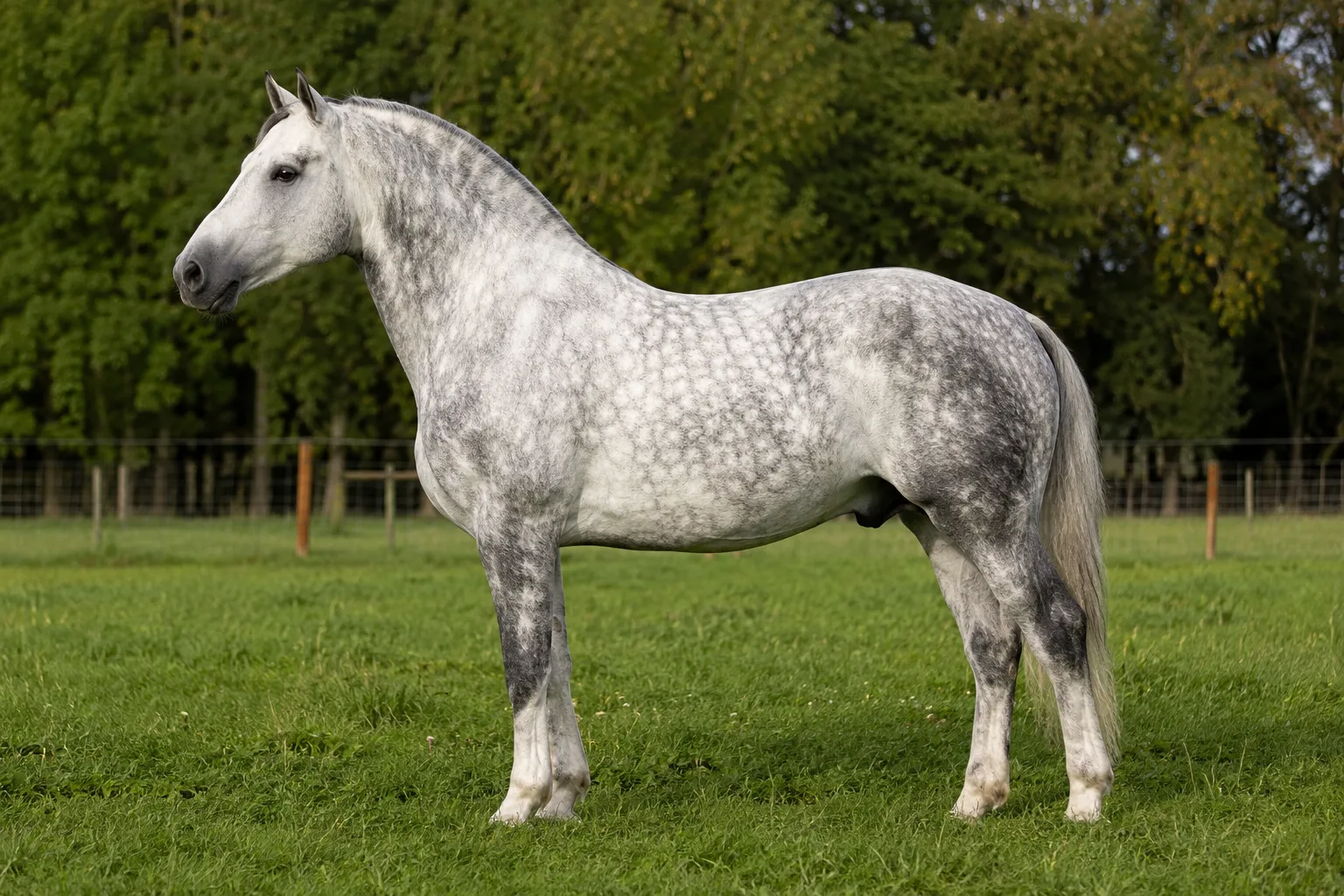
An elegant and harmonious draft horse, medium to large in size, with a solid bone structure but without excessive heaviness. Its silhouette is powerful and muscular, yet retains a certain distinction. It is often referred to as the 'Thoroughbred of draft horses'.
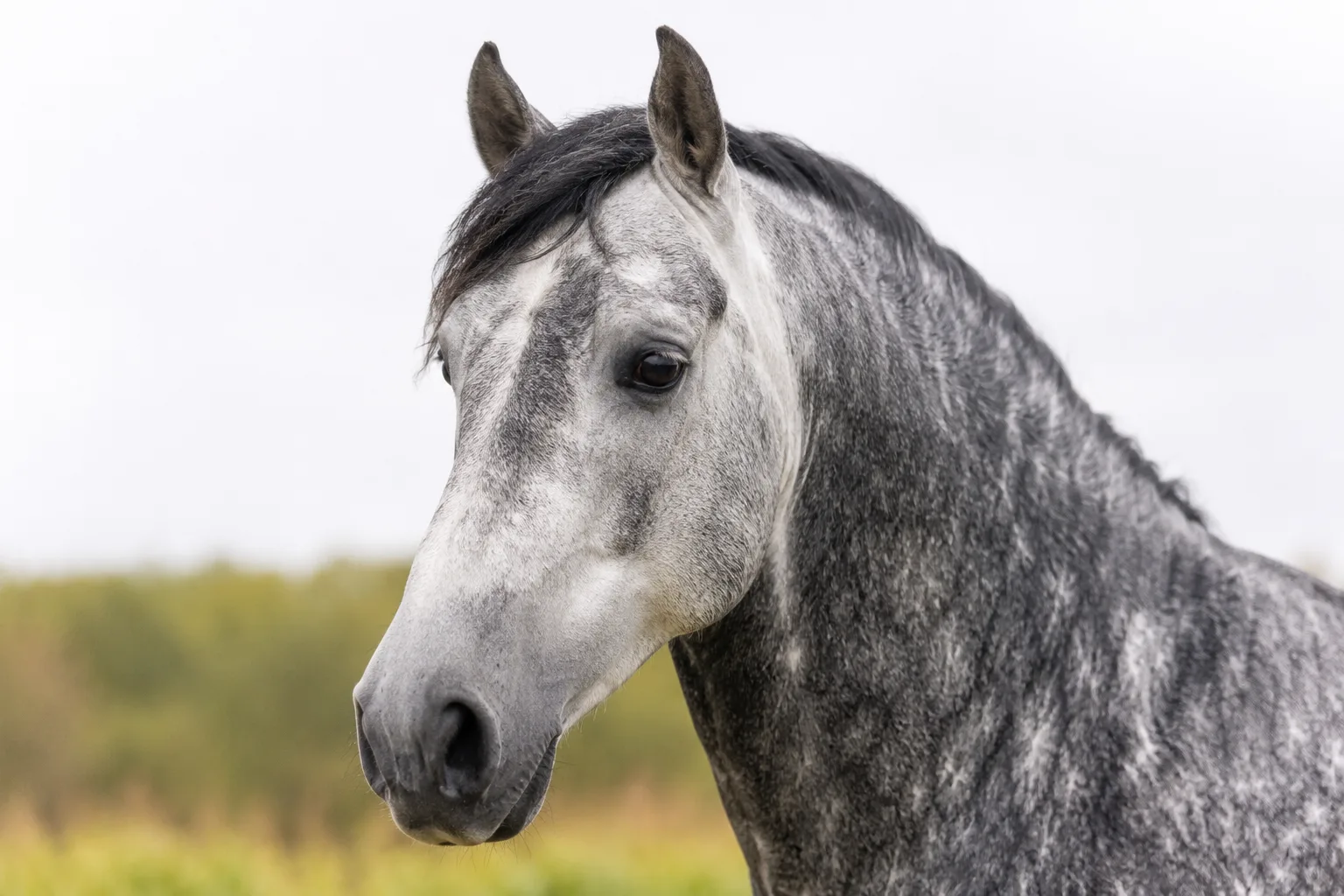
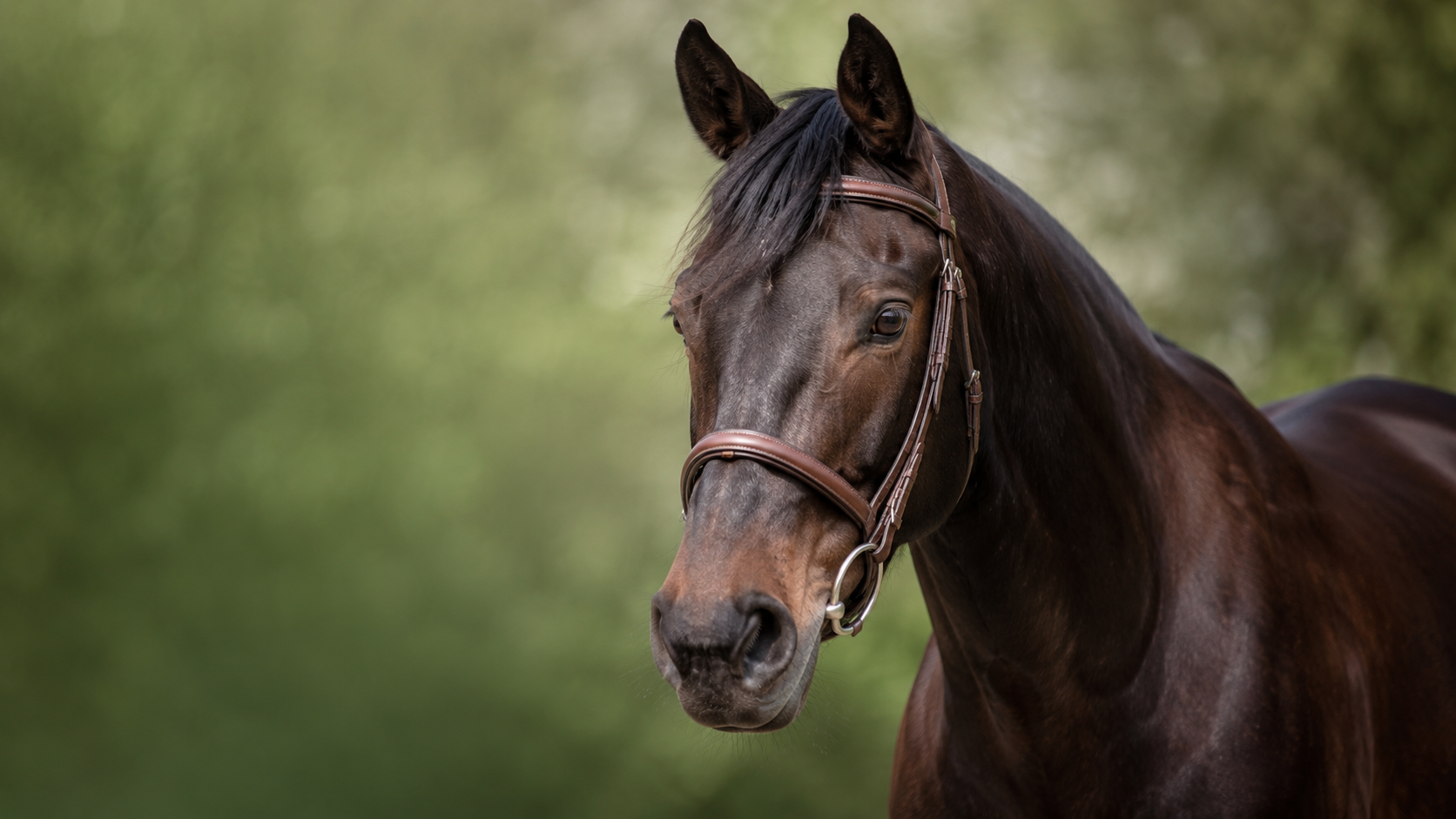
Head rather short, broad, and expressive, with a broad forehead and a straight or slightly concave profile. The eyes are large and lively, the ears small and well-set.
Long, arched, and muscular neck, well-set into the Withers and head, giving it a proud carriage. The Withers are well-defined and extended.
Short and straight back, taut and muscular topline. Broad and deep chest. Long, broad, and slightly sloping croup, very muscular, often double.
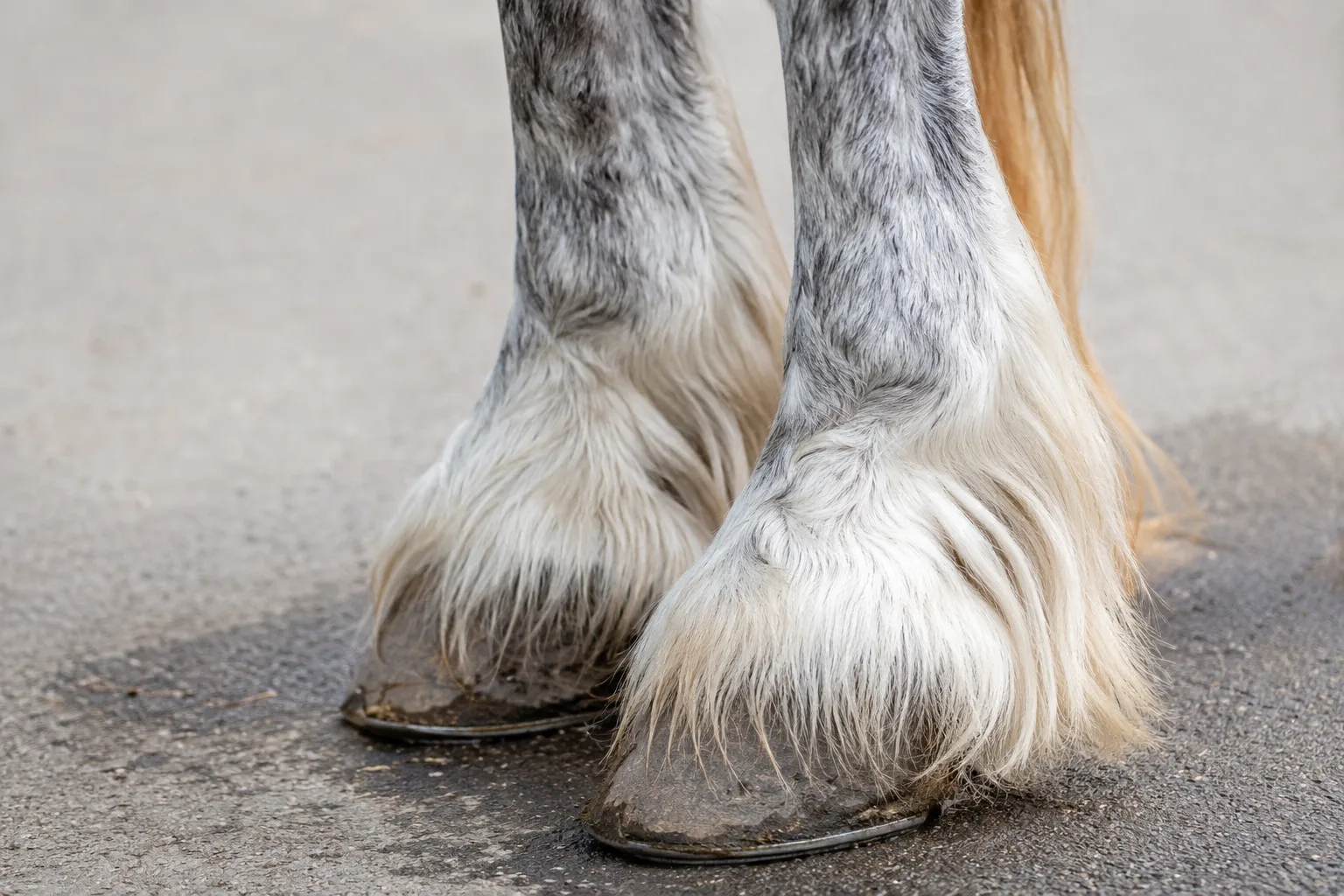
Strong and well-muscled limbs, with large and sound joints. The cannon bones are short and clean. The fetlock hair (feathers) is fine and silky, not abundant. The feet are large and well-formed, with hard horn.
- Common coats: grey, chestnut
Temperament and aptitudes
The Boulonnais is renowned for its gentle, calm, and willing temperament. It is intelligent, docile, and easy to train, making it an excellent working partner and a pleasant horse to be around. It is also courageous and energetic.
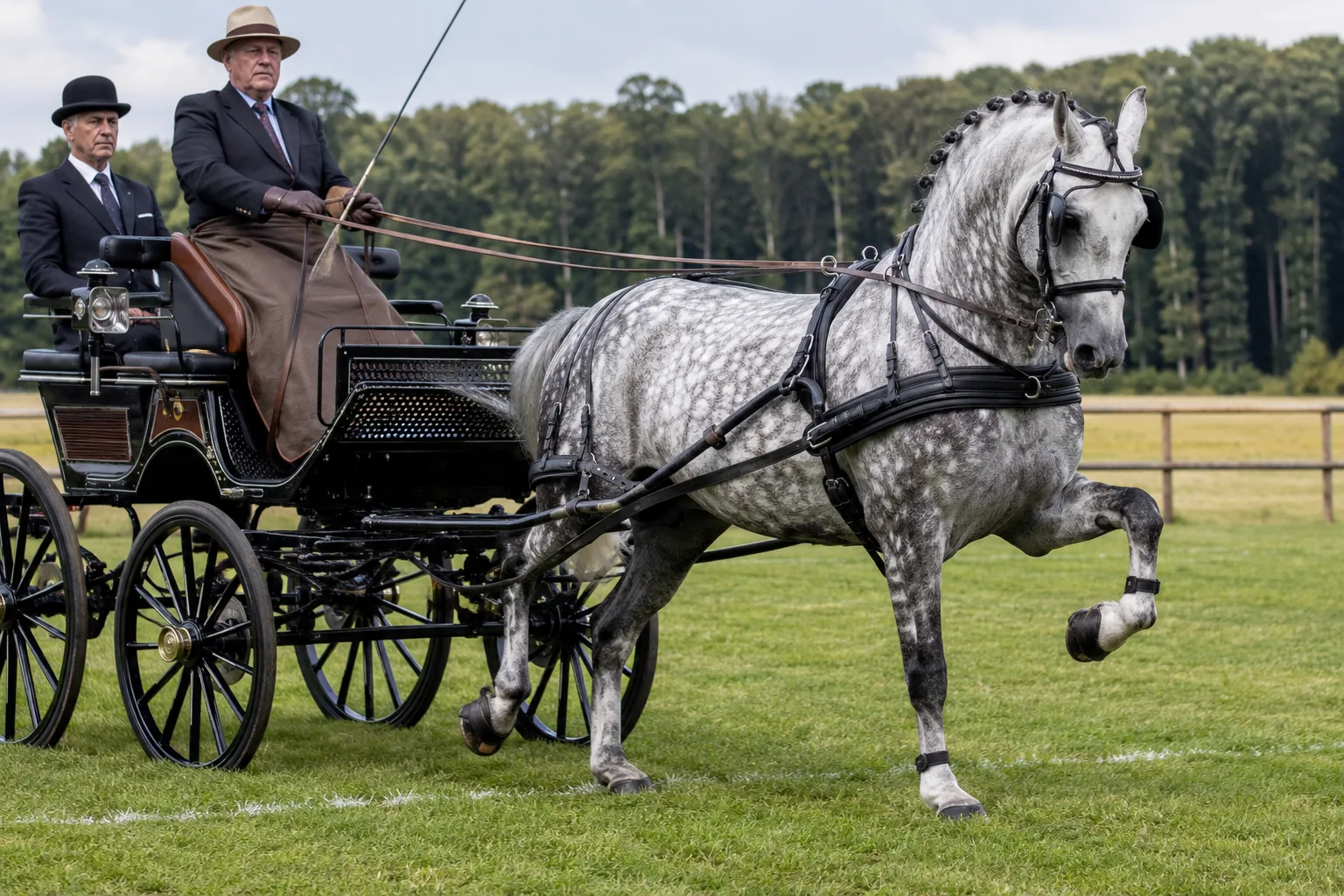
The gaits are ample, supple, and energetic, with good balance. The walk is active and regular, the trot is elevated and powerful, and the gallop is surprisingly light for a draft horse.
- Uses: Agricultural traction (historical), Fish transport (historical, hence the name 'Mareyeur'), Recreational and competitive driving, Forestry work, Logging, Leisure riding (for larger riders), Meat production (historical, but marginal today), Crossbreeding to improve other draft breeds
- Disciplines: Driving (competition and leisure), Logging, Working equitation, Equestrian Show
Feeding the Boulonnais
The Boulonnais is a draft horse with a rather efficient metabolism, capable of effectively utilizing forage. It tends to gain weight if not worked sufficiently or if its diet is too rich. A base of good quality hay fed ad libitum is essential. Concentrates should be adjusted sparingly according to the intensity of work, favoring feeds low in starch and sugar.
Like many draft horses, the Boulonnais can be predisposed to obesity and, consequently, to Equine Metabolic Syndrome (EMS) and laminitis if overfed or if it has unlimited access to overly rich pastures. Careful dietary management is crucial to prevent these conditions.
With Equio, every feed, supplement or treat is read against the horse's real profile (age, weight, Body Condition Score, conditions) — useful for a Boulonnais as soon as a metabolic or digestive sensitivity is known.

Health and points to watch
Particular attention must be paid to weight management to prevent metabolic and joint problems. The quality of conformation and feet should be monitored, especially in working horses. Regular dental check-ups are also important.
- More frequent conditions: Joint problems related to weight and intense work (historically), Laminitis (in cases of overfeeding or inappropriate pasture management), Equine Metabolic Syndrome (EMS)
Care and grooming
The Boulonnais' hooves, though robust, require regular and appropriate trimming to maintain their good conformation. The fine, silky feathering needs occasional brushing to prevent dirt accumulation. The short coat is easy to maintain. Clipping is generally not necessary except for sport horses or those in intense work during winter.
Did you know?
- The Boulonnais is nicknamed the 'Thoroughbred of draft horses' due to its elegance and fine skin.
- It was formerly used for the rapid transport of fresh fish from Boulogne-sur-Mer to Paris, hence its nickname 'Mareyeur'.
- The very characteristic grey coat is often a striking dappled grey, particularly prized.
The Boulonnais and how to track it
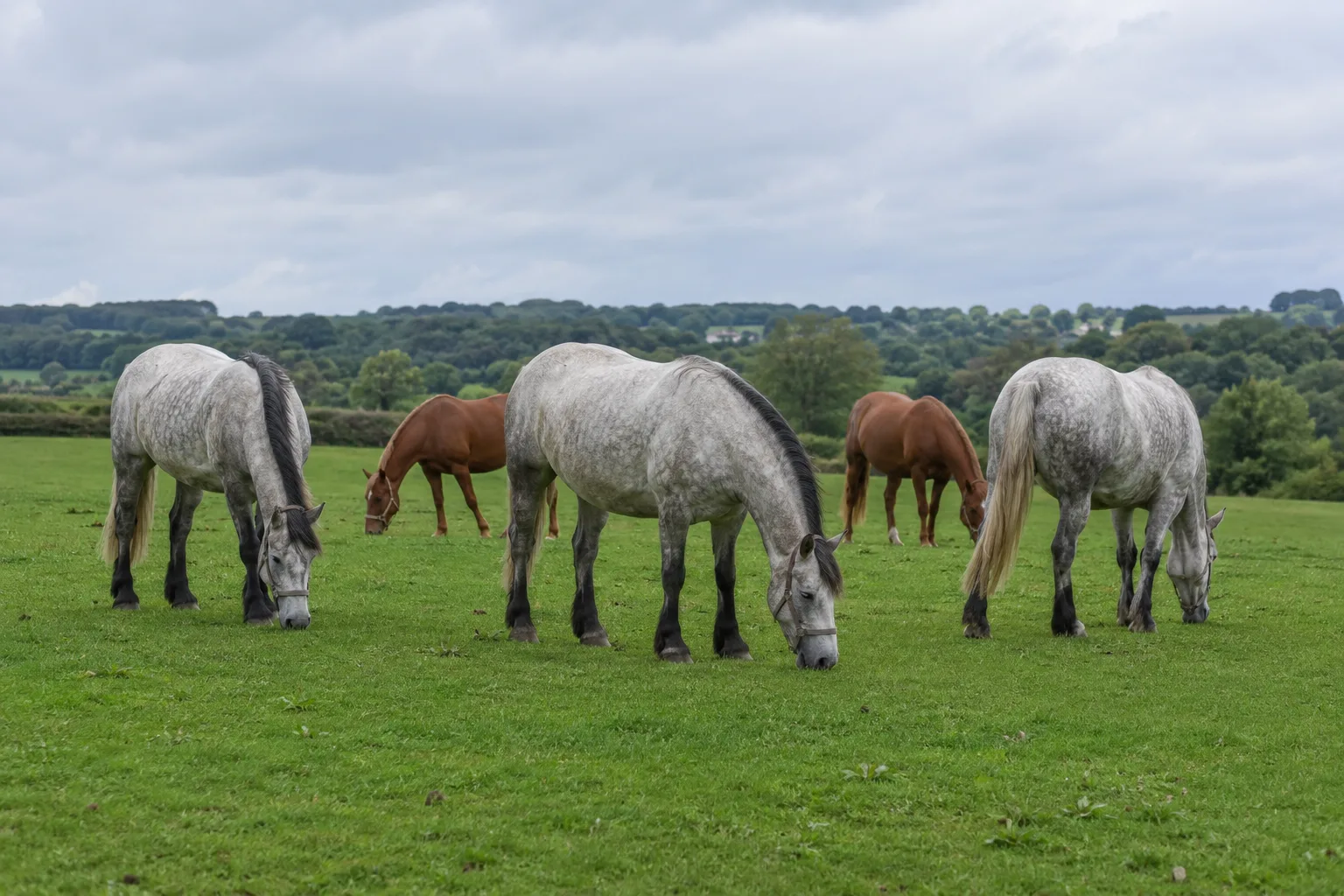
The Boulonnais is a rare and endangered breed, subject to conservation programs. Its breeding is mainly concentrated in its region of origin, the Boulonnais and Pas-de-Calais. It is used for driving, logging, and the promotion of equine heritage.
Equio lets you build a complete profile for a Boulonnais: identity, weight, Body Condition Score, feeding, conditions, care reminders (vaccines, worming, trimming) and an exportable health log. The breed sets the identity; everyday decisions still depend on the real horse and your vet's advice.
- Record the activity level: rest, leisure, sport or breeding
- Add known conditions or sensitivities
- Scan feeds, plants and care products
- Keep reminders (vaccines, worming, trimming)
- Prepare a PDF export before a vet appointment
Frequently asked questions
Is the Boulonnais suitable for riding?
Yes, the Boulonnais can be ridden, especially by larger riders. Its calm temperament and power make it a pleasant horse for trail riding or leisure riding, although it is not a typical saddle horse.
What is the distinctive feature of the Boulonnais' coat?
The most iconic coat color of the Boulonnais is grey, often dappled. This is a distinctive characteristic of the breed, although chestnut is also accepted, but much rarer.
Is the Boulonnais an endangered breed?
Yes, the Boulonnais is classified among endangered equine breeds. Conservation efforts are being implemented by breeders and associations to preserve and develop this French heritage breed.
What is the cost of maintaining a Boulonnais?
The cost of maintaining a Boulonnais is comparable to that of another large horse. It requires a diet adapted to its size and activity level, regular veterinary care, hoof trimming, and appropriate housing. Its efficient metabolism can reduce concentrate costs if work is moderate.
Can a Boulonnais be used for competitive driving?
Absolutely. The Boulonnais excels in driving thanks to its strength, endurance, elegance, and willing temperament. It is highly valued in driving competitions, both in pairs and in four-in-hand.