
Horse breed
Balikun
The Balikun is an ancient breed originating from the Xinjiang Uyghur Autonomous Region, China. It is the result of natural and selective cross-breeding between Mongolian and Kazakh horses, adapted to the harsh climatic conditions of the steppes and mountains.
The breed at a glance
The Balikun is a horse with a calm, courageous, and resilient temperament. It is renowned for its docility and willingness to work, making it a reliable partner. It is also intelligent and easy to train, although it may show some character if not respected.
- Category
- hardy breed
- Origin
- China · Antiquity / Middle Ages
- Height at withers
- 135–145 cm
- Weight
- 300–350 kg
- Lifespan
- 20-25 years
- Common coats
- bay, chestnut, black, grey
- Disciplines
- equestrian trail riding, working equitation, traditional races
- Other names
- Balikun Horse
Origin and history
The Balikun is an ancient breed originating from the Xinjiang Uyghur Autonomous Region, China. It is the result of natural and selective cross-breeding between Mongolian and Kazakh horses, adapted to the harsh climatic conditions of the steppes and mountains. Historically used by local populations for transport, agriculture, and warfare, it was officially recognized as a distinct breed in China during the 20th century. Its robustness and versatility have made it a pillar of the rural economy in its region of origin.
Conformation and physique
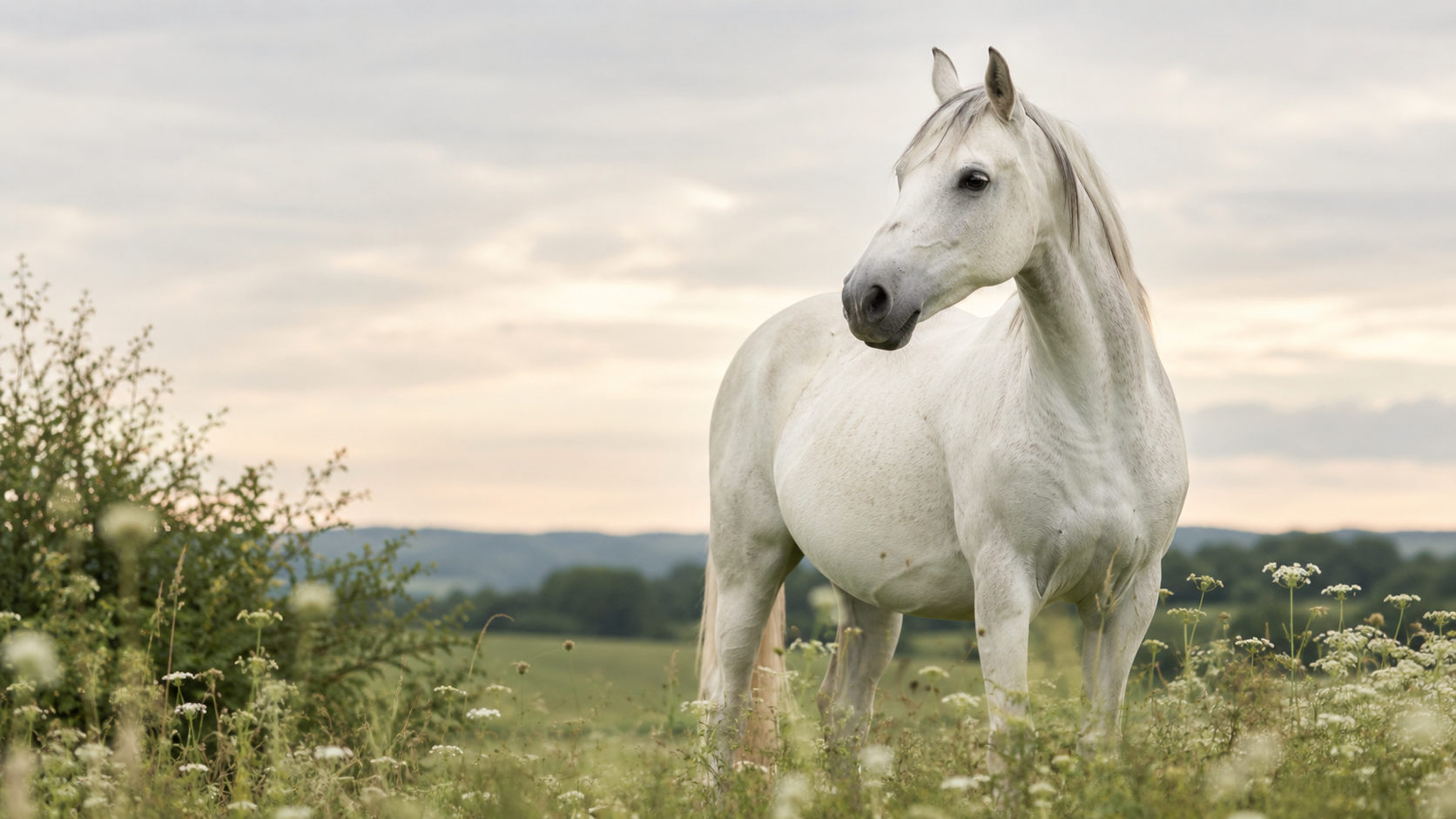
The Balikun is a medium-sized horse, compact and robust, with a solid bone structure and well-developed musculature. It presents a typical steppe horse silhouette, adapted for endurance and survival in difficult environments.
The head is medium-sized, with a straight or slightly convex profile. The eyes are expressive and the nostrils wide. The ears are medium-sized and well-set.
The neck is short, thick, and muscular, well-attached to the Withers. The Withers are not very pronounced, blending harmoniously into the back.
The back is short and strong, the topline is straight and solid. The chest is broad and deep, offering good lung capacity. The croup is muscular and slightly sloped.
The limbs are short, strong, and well-muscled, with robust joints and well-defined tendons. The hooves are hard and resistant, adapted to varied terrain. Feathering is generally sparse.
- Common coats: bay, chestnut, black, grey
Temperament and aptitudes
The Balikun is a horse with a calm, courageous, and resilient temperament. It is renowned for its docility and willingness to work, making it a reliable partner. It is also intelligent and easy to train, although it may show some character if not respected.
The gaits are free, energetic, and regular, with good amplitude at walk and trot. The Balikun is renowned for its endurance and its ability to cover long distances over difficult terrain.
- Uses: pack horse, saddle horse for transport and agricultural work, light draft horse, traditional racehorse, meat and milk production (historically and locally)
- Disciplines: equestrian trail riding, working equitation, traditional races
Feeding the Balikun
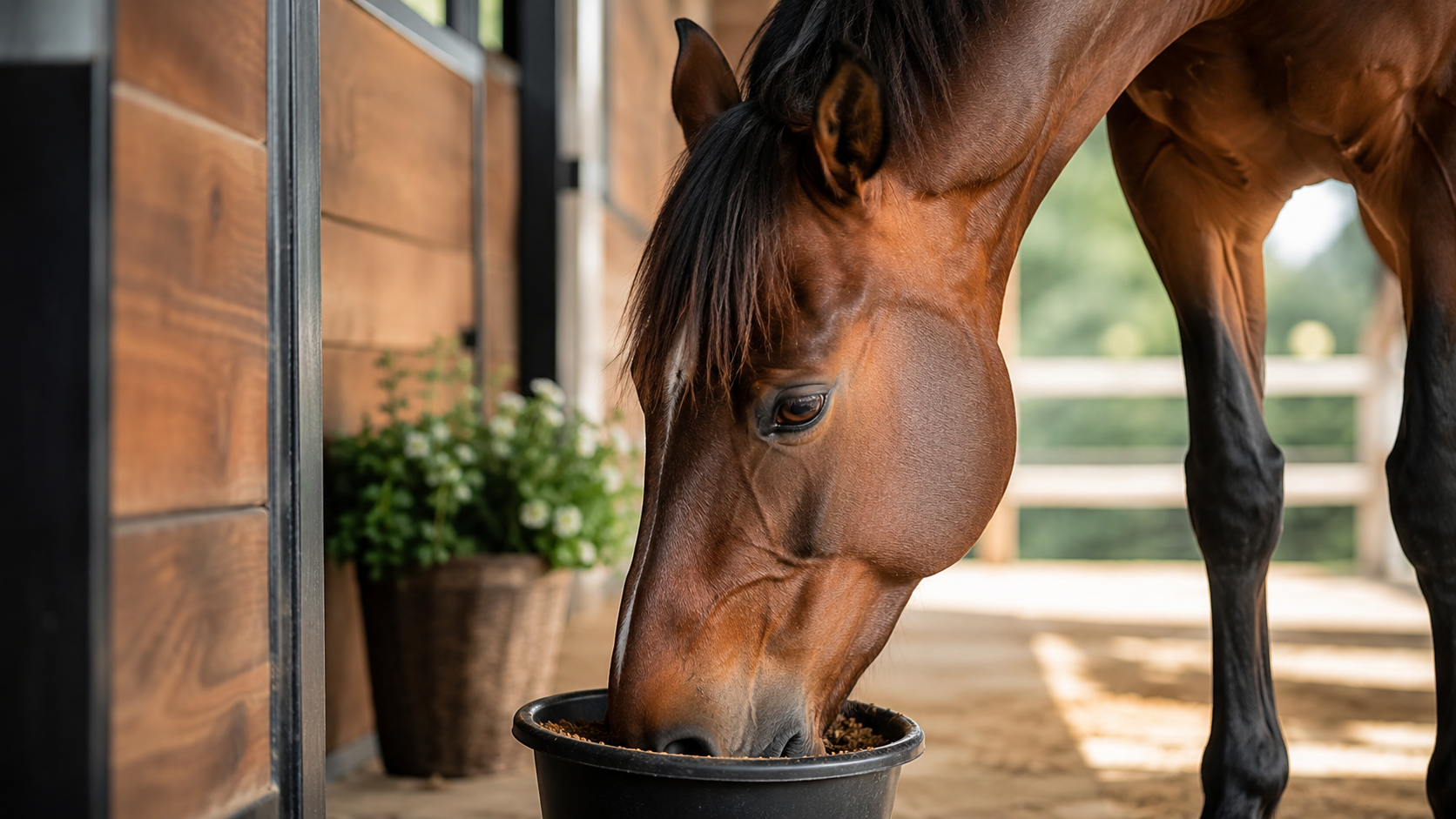
The Balikun is a horse with a very efficient metabolism, adapted to poor diets and harsh living conditions. It has a great capacity to utilize coarse forages and requires few concentrates. It tends to gain weight if its diet is not controlled, especially if it is not worked much. A diet based on good quality forage (hay, grass) is essential, along with mineral and vitamin supplements. Concentrates are only necessary in cases of intense work.
Due to its efficient metabolism, the Balikun can be predisposed to laminitis and Equine Metabolic Syndrome (EMS) if overfed or if it has unlimited access to rich pastures, especially during periods of rapid grass growth. It is therefore important to monitor its weight and manage its sugar and starch intake.
With Equio, every feed, supplement or treat is read against the horse's real profile (age, weight, Body Condition Score, conditions) — useful for a Balikun as soon as a metabolic or digestive sensitivity is known.
Health and points to watch
Particular attention must be paid to weight management to prevent laminitis and EMS. The robustness of its hooves does not negate the need for regular and appropriate trimming. Annual dental check-ups are recommended to ensure proper chewing and digestion.
- More frequent conditions: locomotor disorders related to wear and tear (osteoarthritis) in older or heavily worked horses, dental problems (as with all equids)
Care and grooming
Balikun care is relatively simple due to its hardiness. Regular brushing is sufficient for coat maintenance. The mane and tail are often thick and may require occasional detangling. The hooves, although resilient, must be trimmed regularly to maintain their integrity and balance. Clipping is generally not necessary, except for sport horses or those in intense work in warmer climates.
Did you know?
- The Balikun is capable of withstanding extreme temperatures, ranging from -40°C in winter to +40°C in summer, thanks to its thick coat and physiological adaptation.
- It is sometimes used in traditional horse races in China, where its endurance is tested over long distances.
- The Balikun is also valued for its meat and milk in certain regions of China, contributing to the subsistence of local populations.
The Balikun and how to track it
The Balikun is a very rare breed outside of China and is not bred in France. Its presence is anecdotal, limited to a few individuals imported for research or curiosity.
Equio lets you build a complete profile for a Balikun: identity, weight, Body Condition Score, feeding, conditions, care reminders (vaccines, worming, trimming) and an exportable health log. The breed sets the identity; everyday decisions still depend on the real horse and your vet's advice.
- Record the activity level: rest, leisure, sport or breeding
- Add known conditions or sensitivities
- Scan feeds, plants and care products
- Keep reminders (vaccines, worming, trimming)
- Prepare a PDF export before a vet appointment
Frequently asked questions
Is the Balikun suitable for beginner riders?
Yes, thanks to its calm and docile temperament, the Balikun can be an excellent choice for beginner riders or those seeking a reliable and safe horse. Its robustness and patience make it a good learning companion.
What is the main quality of the Balikun?
The main quality of the Balikun is its hardiness and endurance. It is capable of working long hours in difficult conditions, while being undemanding in terms of feed and care, making it a very resilient and versatile horse.
Can the Balikun live outdoors all year round?
Absolutely. The Balikun is perfectly adapted to living outdoors all year round, even in harsh climates. Its thick coat and robust constitution allow it to withstand the elements, provided it has natural or artificial shelter to protect itself from strong winds and extreme precipitation.
Is the Balikun a threatened breed?
Although its population is stable in its region of origin in China, the Balikun is not widely spread outside of it. It is not considered a globally threatened breed, but conservation efforts are sometimes implemented locally to maintain the purity of the breed.
What type of work does the Balikun prefer?
The Balikun excels in endurance work and activities requiring strength and perseverance, such as trail riding, working equitation, or light load transport. It appreciates varied activities that stimulate its intelligence and willingness to perform well.