
Horse breed
Baise
The Baise is a very ancient French equine breed, whose origins date back to Antiquity. It was traditionally bred in the Baise region, a tributary of the Garonne, from which it takes its name.

The breed at a glance
The Baise is renowned for its calm, docile, and willing temperament. It is a courageous, enduring, and people-oriented horse, making it an excellent companion for work and leisure. It is easy to train and suitable for riders of all levels.
- Category
- ancient/endangered breed
- Origin
- France · Antiquity / Middle Ages
- Height at withers
- 145–155 cm
- Weight
- 400–500 kg
- Lifespan
- 25-30 years
- Common coats
- bay, chestnut, black, grey
- Disciplines
- leisure driving, TREC, endurance (leisure)

Origin and history
The Baise is a very ancient French equine breed, whose origins date back to Antiquity. It was traditionally bred in the Baise region, a tributary of the Garonne, from which it takes its name. Historically used for agriculture and transport, it played an important role in local rural life. The breed experienced a significant decline in the 20th century and is now considered endangered, with ongoing conservation efforts.
Conformation and physique
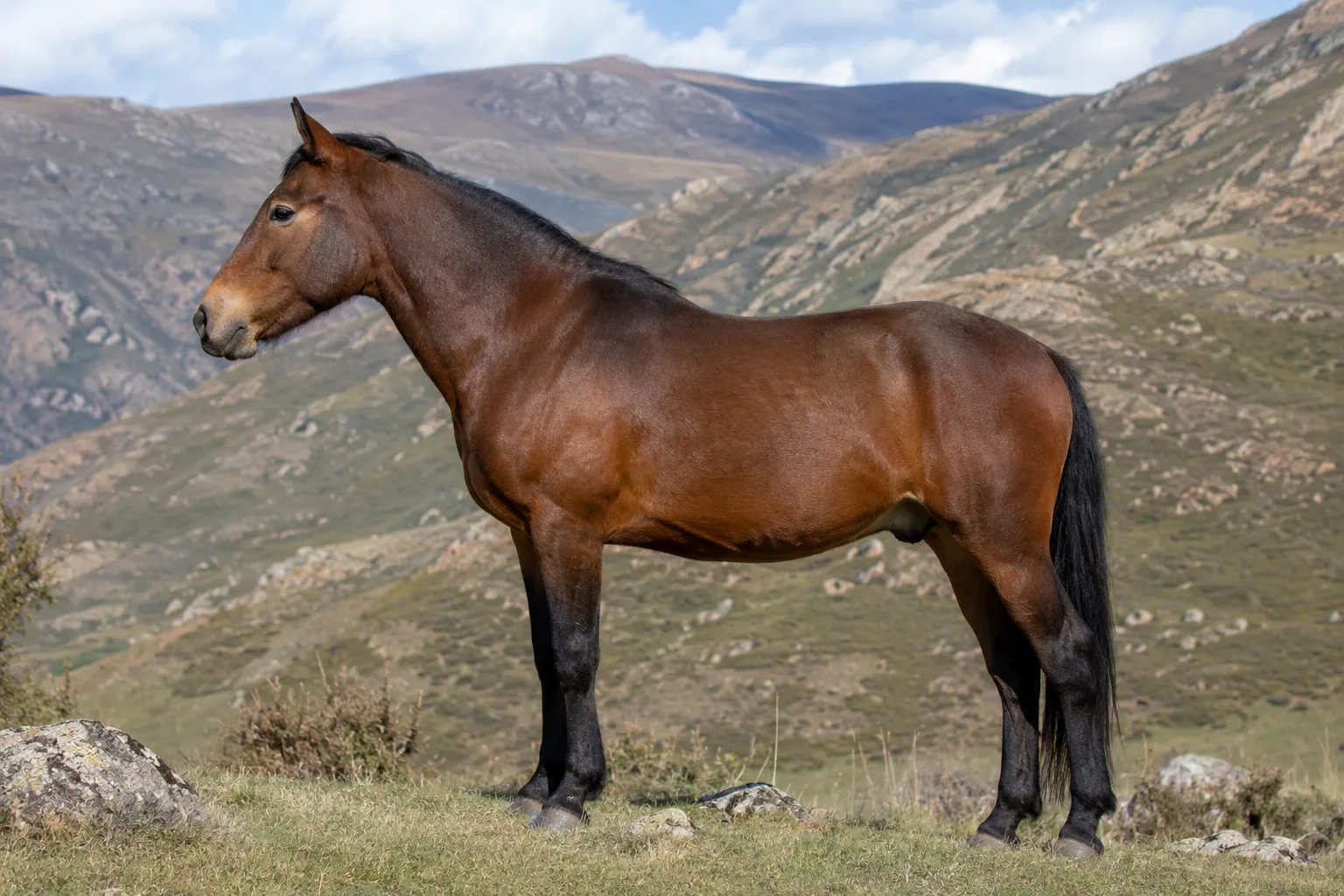
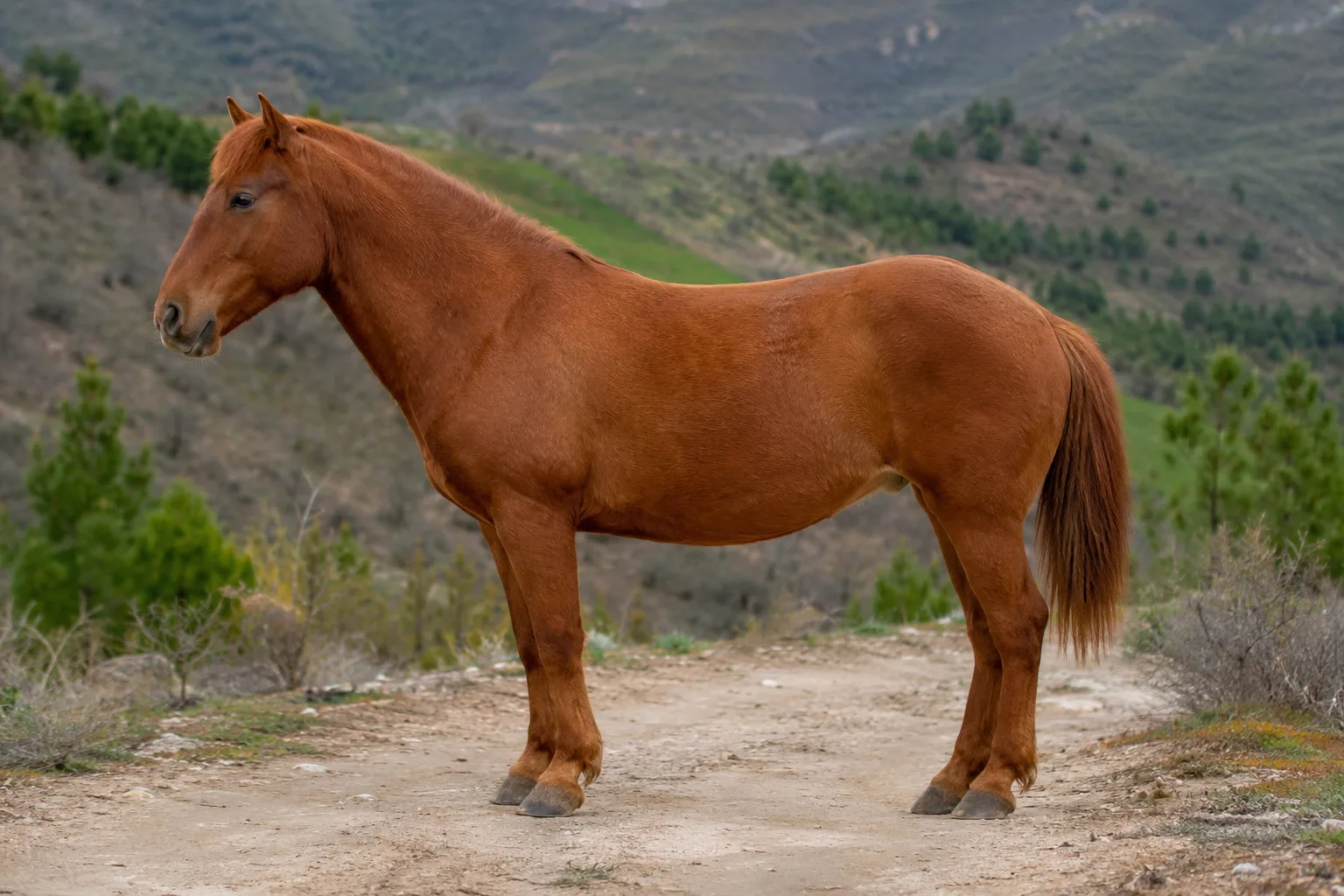
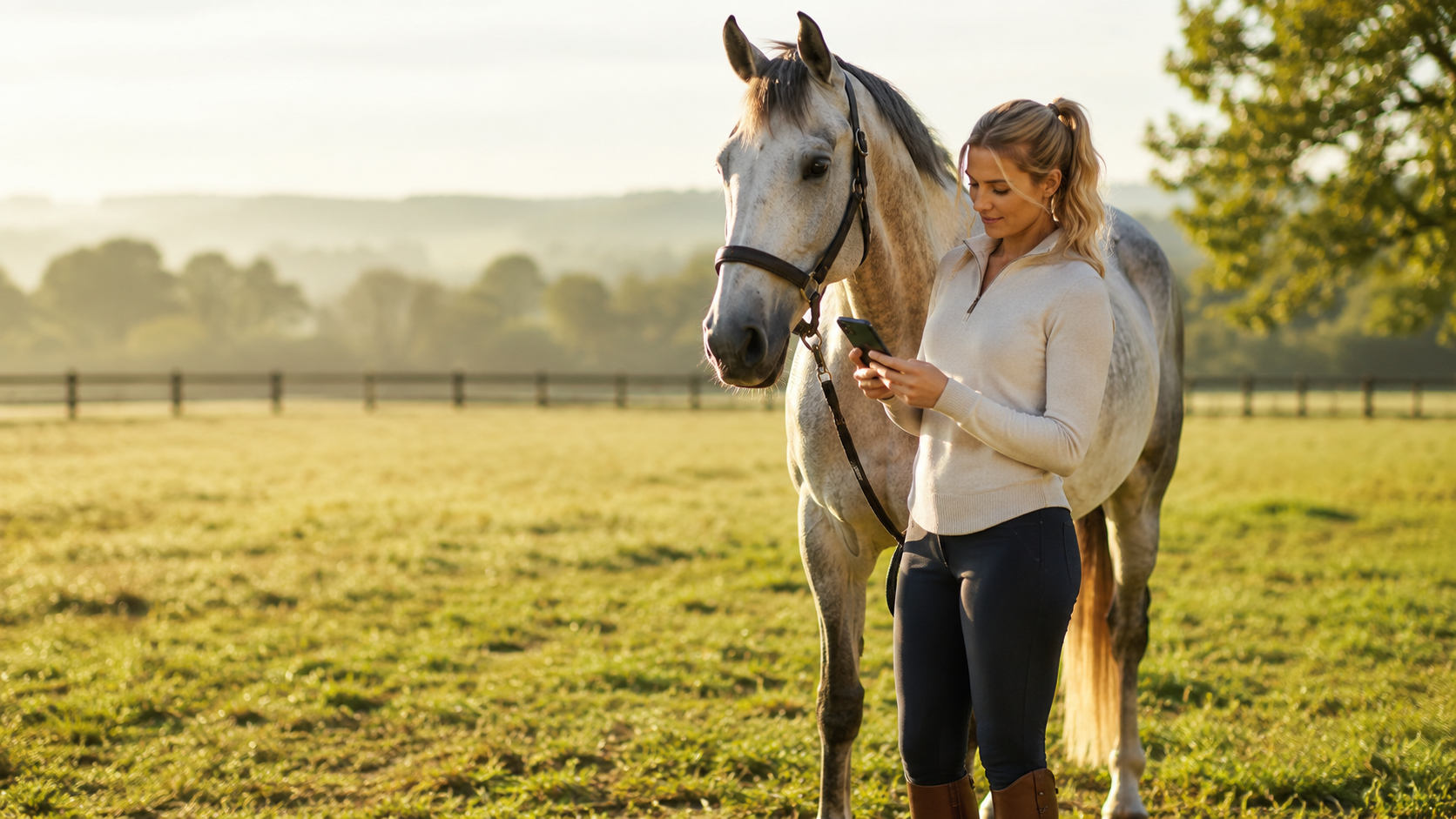
The Baise is a medium-sized horse with a compact and harmonious build. It has a solid but not heavy bone structure, with well-developed musculature, suited for effort and endurance.
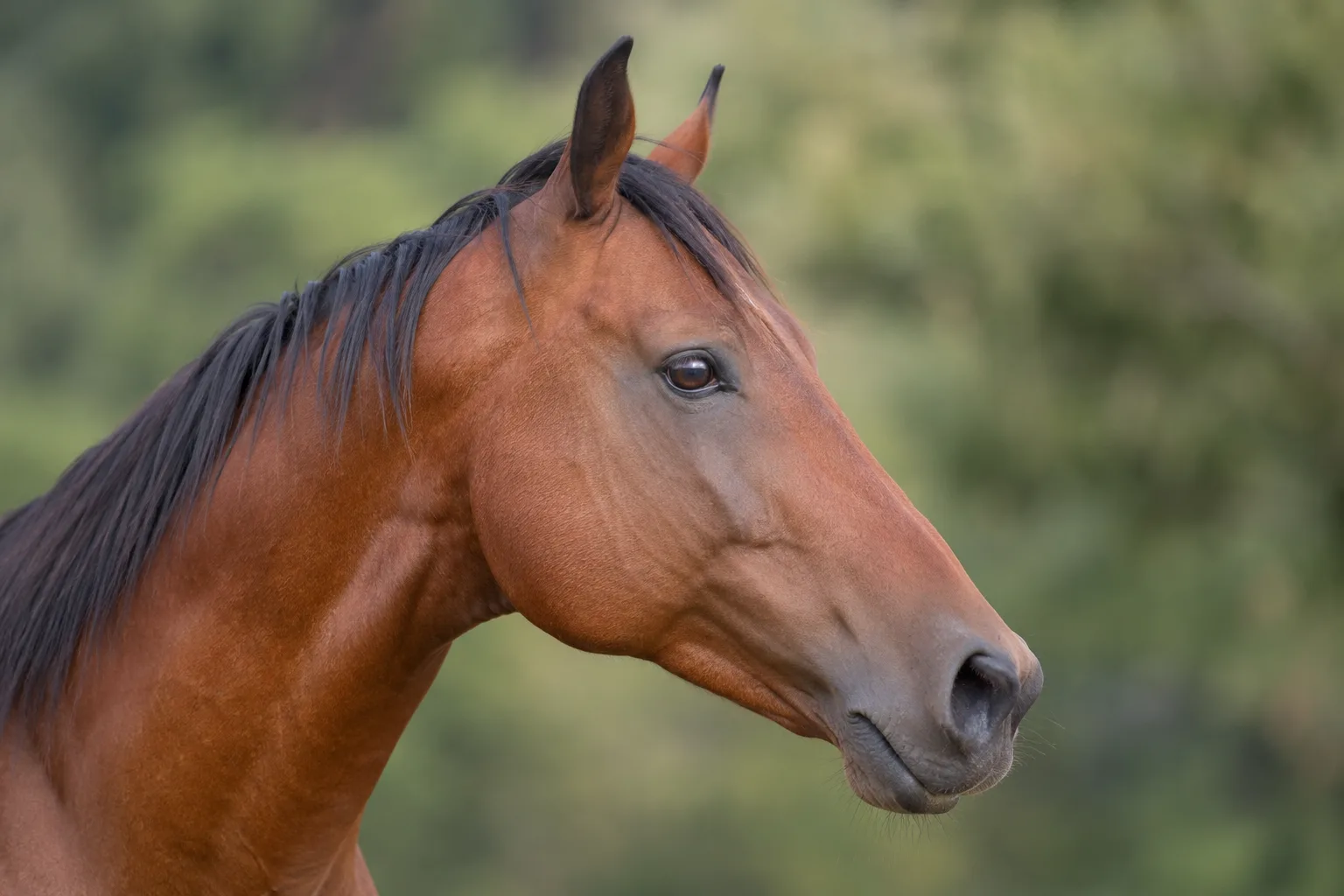
The head is expressive, medium-sized, with a straight or slightly concave profile. The eyes are lively and intelligent, and the ears are well-set and mobile.
The neck is well-proportioned, muscular, and well-set, blending harmoniously into a rather flat and long wither.
The back is short and strong, the topline is taut. The chest is broad and deep, ensuring good respiratory capacity. The croup is rounded and muscular, often double.
The limbs are solid and well-conformed, with clean joints and well-defined tendons. The cannons are short and strong. Feathers are generally sparse.
- Common coats: bay, chestnut, black, grey
Temperament and aptitudes
The Baise is renowned for its calm, docile, and willing temperament. It is a courageous, enduring, and people-oriented horse, making it an excellent companion for work and leisure. It is easy to train and suitable for riders of all levels.
The gaits are supple, ample, and regular, with good impulsion. The walk is energetic, the trot rhythmic, and the canter balanced, demonstrating good versatility.
- Uses: light agricultural work, driving, equestrian trail riding, recreational riding, packing
- Disciplines: leisure driving, TREC, endurance (leisure)
Feeding the Baise
The Baise is a horse with a rather economical metabolism, capable of thriving on medium-quality forage. It tends to gain weight if not worked sufficiently or if its diet is too rich. A base of good quality hay ad libitum is essential. Concentrates are only necessary in cases of intense work or specific needs (growth, lactation), and should be adjusted sparingly to avoid overweight.
Although robust, the Baise, like many hardy breeds, can be prone to laminitis in cases of excess sugars and starch, especially on overly rich pastures in spring. Careful dietary management is recommended to prevent Equine Metabolic Syndrome (EMS), although there is no documented genetic predisposition specific to this breed.
With Equio, every feed, supplement or treat is read against the horse's real profile (age, weight, Body Condition Score, conditions) — useful for a Baise as soon as a metabolic or digestive sensitivity is known.

Health and points to watch
Regular monitoring of body condition is paramount to prevent obesity. Foot care is essential, as hooves are robust but can be prone to ailments if poorly maintained. Particular attention should be paid to dental health, especially in older individuals.
- More frequent conditions: age-related osteoarthritis, dental problems (as with all equids)
Care and grooming
Care for the Baise is relatively simple. Regular hoof trimming is necessary to maintain their integrity. The mane and tail can be left natural or maintained according to preference. The coat does not require specific care; regular brushing is sufficient. Clipping is generally not necessary except for horses working intensely in winter.
Did you know?
- The Baise is one of France's oldest equine breeds, testifying to a rich agricultural and rural past.
- Despite its rarity, it is appreciated for its versatility and gentleness, making it an excellent family horse.
- Efforts are being made by local associations to safeguard this breed and raise public awareness.
The Baise and how to track it
The Baise breed is very rare in France and is subject to a conservation program. Breeding is limited and primarily aims to preserve the breed's genetic heritage. Its use is mainly oriented towards leisure and the promotion of local heritage.
Equio lets you build a complete profile for a Baise: identity, weight, Body Condition Score, feeding, conditions, care reminders (vaccines, worming, trimming) and an exportable health log. The breed sets the identity; everyday decisions still depend on the real horse and your vet's advice.
- Record the activity level: rest, leisure, sport or breeding
- Add known conditions or sensitivities
- Scan feeds, plants and care products
- Keep reminders (vaccines, worming, trimming)
- Prepare a PDF export before a vet appointment
Frequently asked questions
Where can one find Baise horses for sale?
Due to its rarity, finding a Baise horse for sale can be challenging. It is recommended to contact breed conservation associations or specialized breeders working towards its preservation. They will be able to guide you towards the rare availabilities.
Is the Baise suitable for beginners?
Yes, thanks to its calm, docile, and willing temperament, the Baise is perfectly suited for beginners and less experienced riders. It is a patient and reliable horse, ideal for learning and family rides.
What is the cost of maintaining a Baise horse?
The cost of maintaining a Baise is generally moderate. It is a hardy and economical horse that does not require large quantities of concentrates if its workload is light. The main expenses will be related to hay, routine veterinary care, and the farrier.
Can the Baise live outdoors all year round?
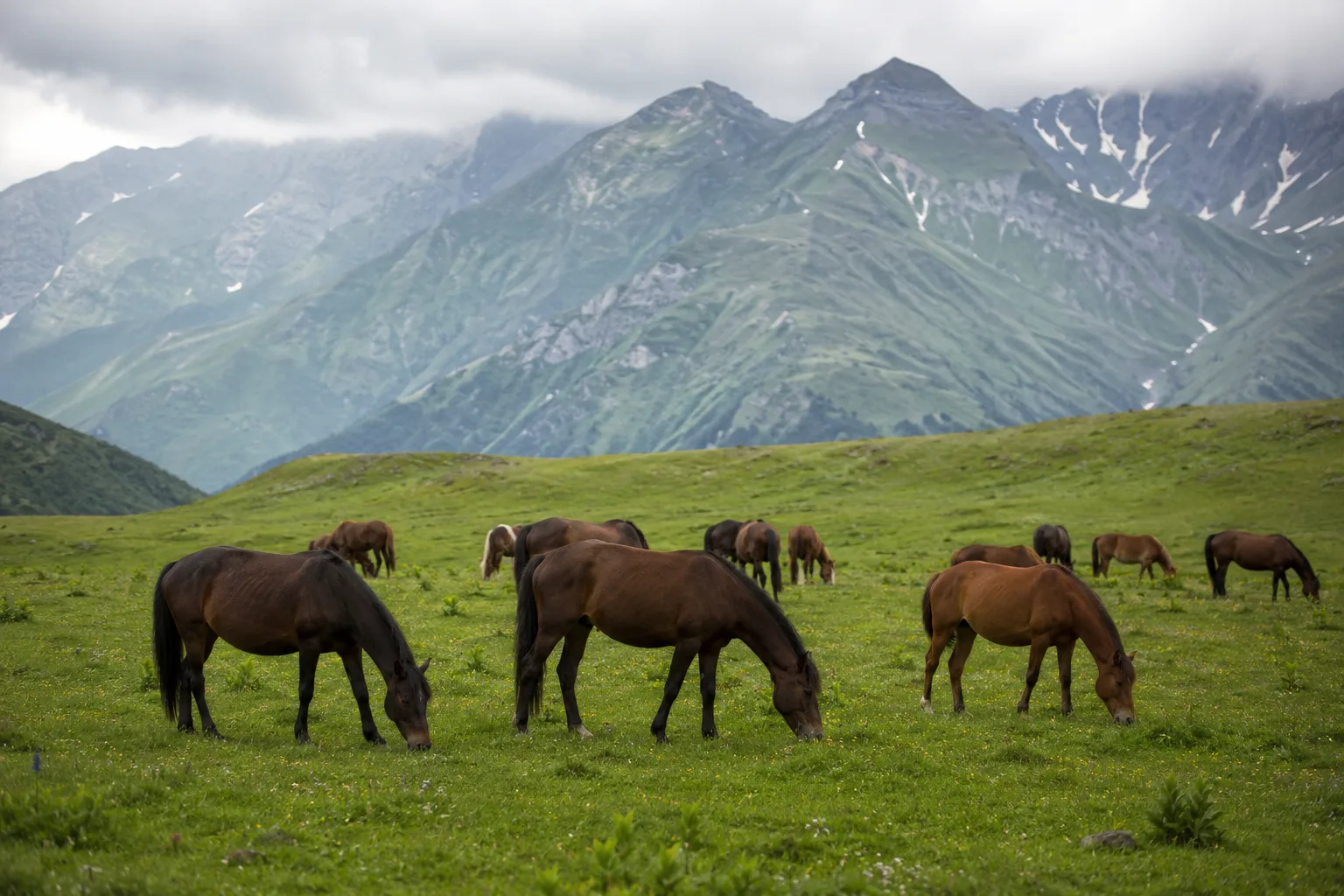
Yes, the Baise is a hardy breed perfectly adapted to living outdoors all year round, provided it has natural or artificial shelter to protect itself from the elements. Its dense coat offers good protection against cold and humidity.
What is the average size of an adult Baise?
The average size of an adult Baise is generally between 145 and 155 cm at the withers. It is a medium-sized horse, which makes it versatile for various activities.