
Horse breed
Shagya Arabian
The Shagya Arabian breed was developed at the Bábolna stud farm in Hungary, founded in 1789. It originated from crosses between local mares and imported pure Arabian stallions, including the famous stallion Shagya, born in Syria in 1830.

The breed at a glance
The Shagya is renowned for its balanced temperament: it is intelligent, courageous, willing, and possesses great endurance. It is also close to humans, making it a pleasant horse to work with and live alongside.
- Category
- hot-blooded horse
- Origin
- Hungary · Early 19th century
- Height at withers
- 150–162 cm
- Weight
- 450–550 kg
- Lifespan
- 25-30 years
- Common coats
- grey, bay, chestnut, black
- Disciplines
- Endurance, Dressage, Show Jumping, Eventing
- Other names
- Shagya-Araber
Origin and history
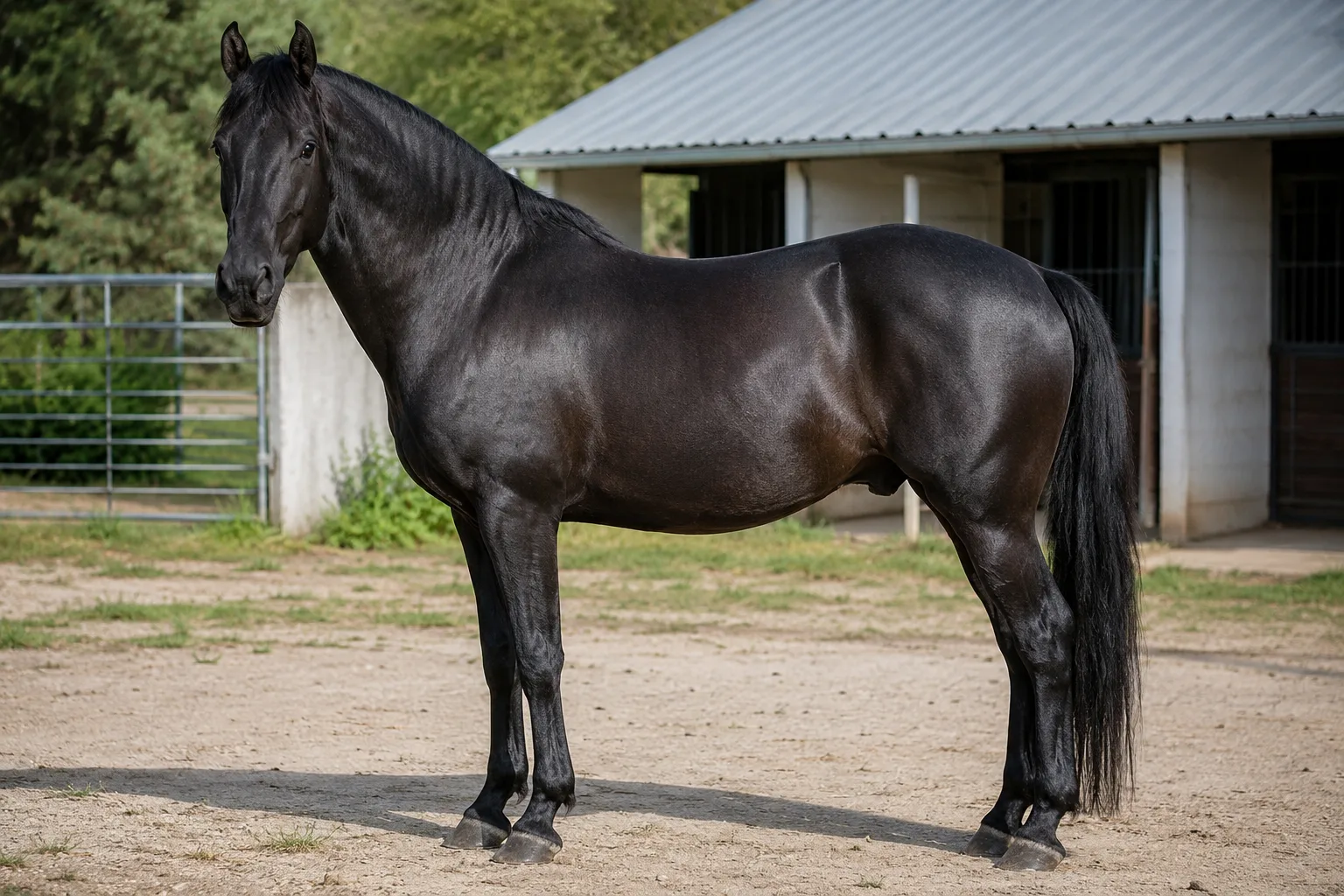
The Shagya Arabian breed was developed at the Bábolna stud farm in Hungary, founded in 1789. It originated from crosses between local mares and imported pure Arabian stallions, including the famous stallion Shagya, born in Syria in 1830. The objective was to create a larger and more robust Arabian horse, suited to the military needs of the time. The breed was officially recognized and its studbook established in the early 20th century.
Conformation and physique
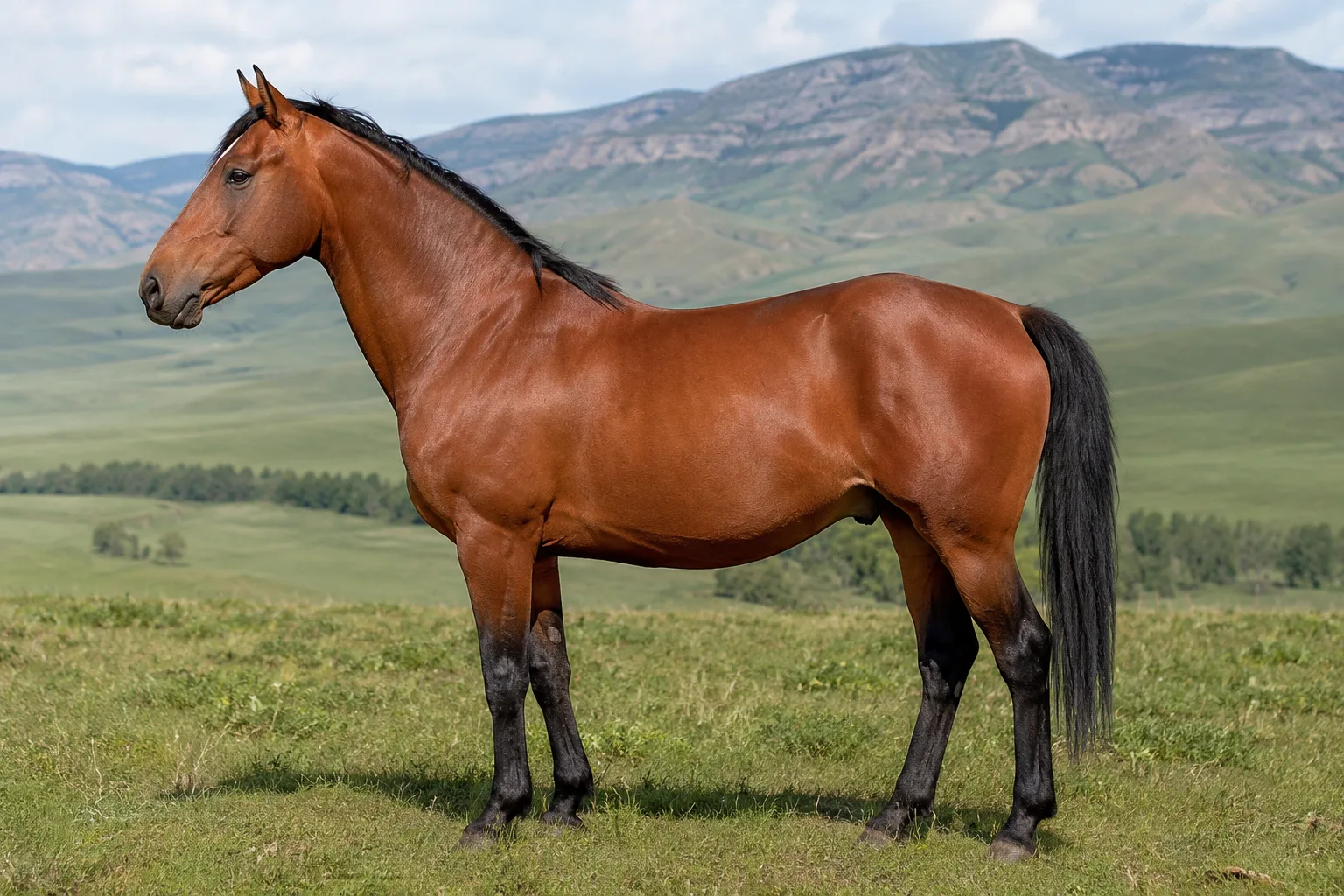
It is a medium to large-sized horse, elegant and harmonious, with solid bone structure and well-developed musculature. It presents a more imposing silhouette than the Purebred Arabian, while retaining its refinement.
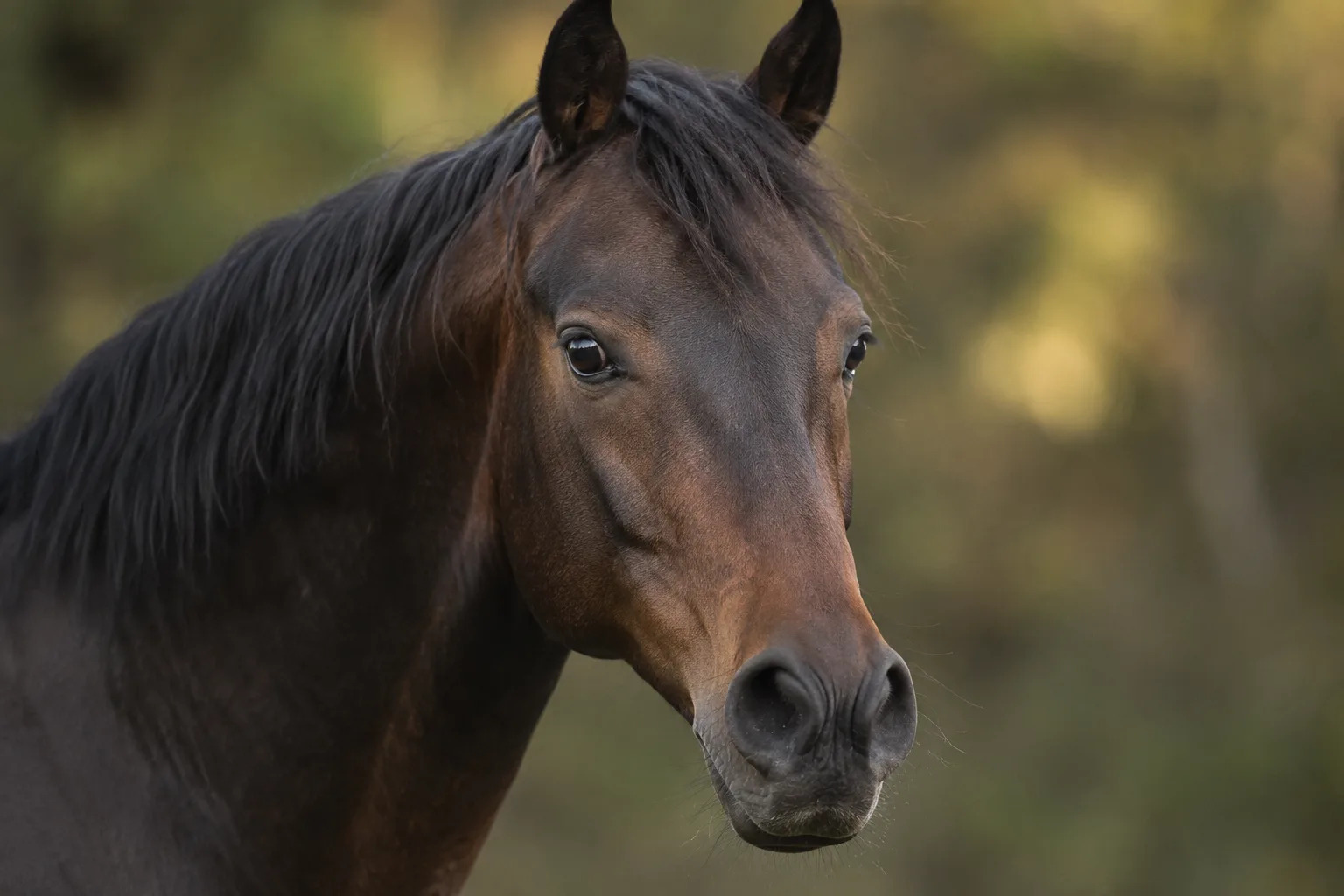
Refined head, often with a broad forehead and a slightly dished face (a profile known as 'pike head'), large expressive eyes, and wide nostrils. The ears are small and well-shaped.
Long, well-arched, and muscular neck, attaching harmoniously to a well-defined and extended wither.
Short, strong back, solid topline. Deep and wide chest, well-sprung ribs. Long, muscular, and slightly sloping croup, with a high-set tail.
Long, clean, and strong limbs, with well-defined joints and clean tendons. The cannons are short and the feet are hard and well-formed. No excessive feathering.
- Common coats: grey, bay, chestnut, black
Temperament and aptitudes
The Shagya is renowned for its balanced temperament: it is intelligent, courageous, willing, and possesses great endurance. It is also close to humans, making it a pleasant horse to work with and live alongside.
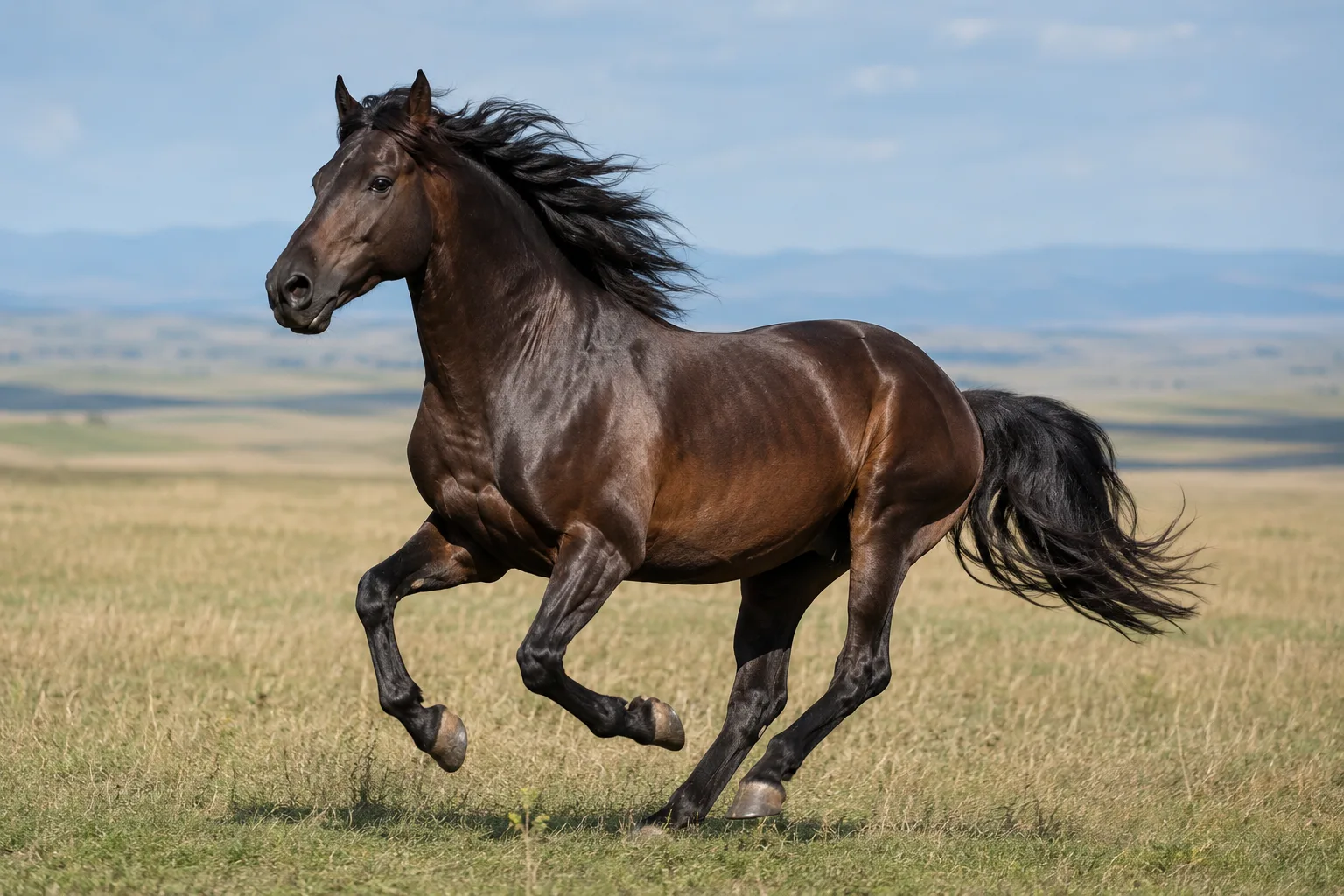
The gaits are ample, supple, and energetic, with good balance and great regularity. The walk is active, the trot extended, and the canter light and airy.
- Uses: saddle horse, driving, endurance riding, dressage, show jumping, leisure
- Disciplines: Endurance, Dressage, Show Jumping, Eventing, Driving
Feeding the Shagya Arabian
The Shagya Arabian is a horse with a rather thrifty metabolism, a legacy of its desert origins. It makes good use of quality forage (hay ad libitum or in sufficient quantity). Its concentrate requirements are moderate and must be adjusted according to its activity level to prevent obesity. A balanced diet of minerals and vitamins is essential.
Although generally robust, the Shagya Arabian, like other breeds with a thrifty metabolism, can be predisposed to Equine Metabolic Syndrome (EMS) and laminitis if overfed or sedentary. Vigilance is required regarding sugar and starch intake, especially for horses prone to obesity.
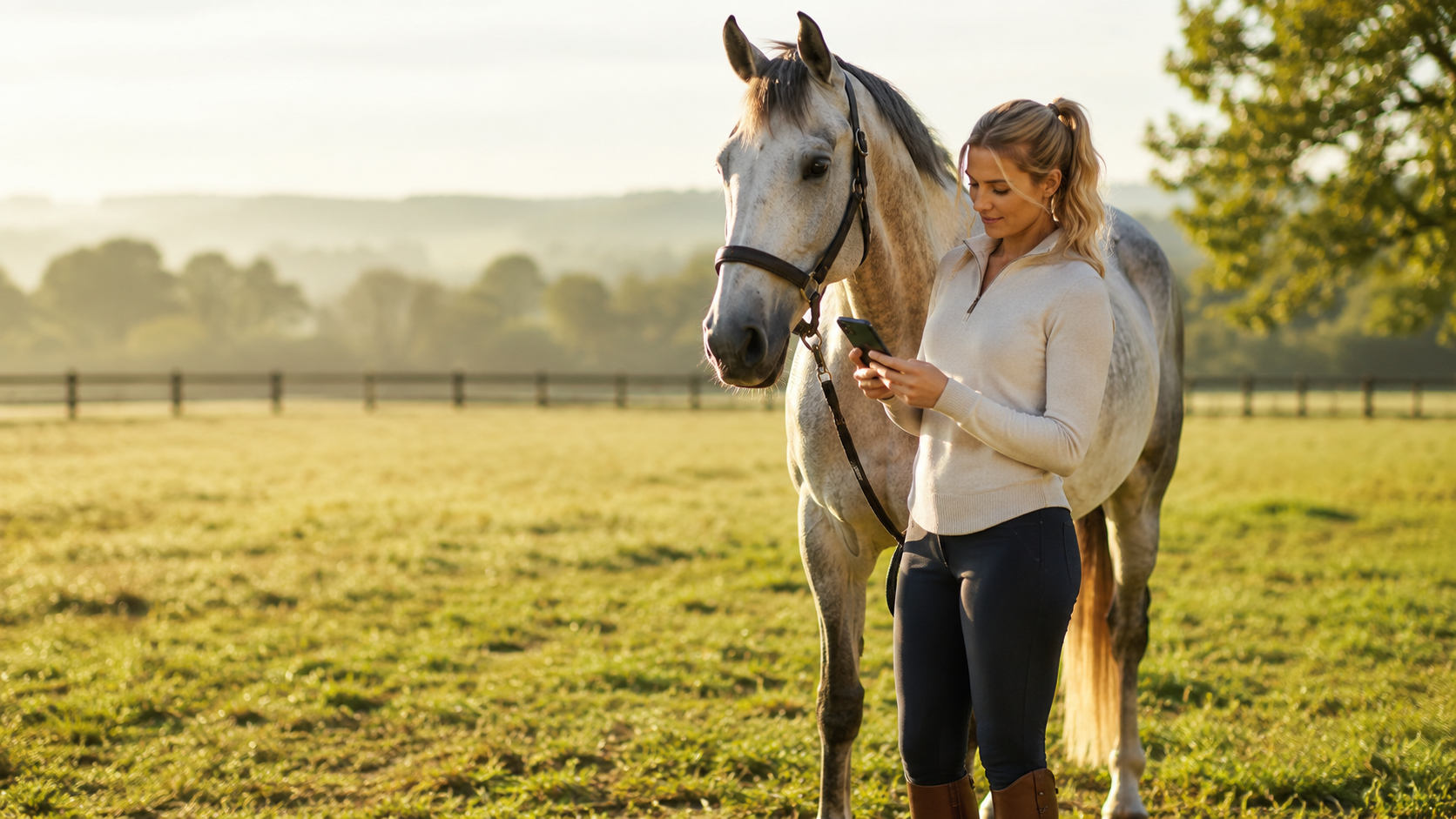
With Equio, every feed, supplement or treat is read against the horse's real profile (age, weight, Body Condition Score, conditions) — useful for a Shagya Arabian as soon as a metabolic or digestive sensitivity is known.
Health and points to watch
Particular attention must be paid to the quality of conformation and feet to prevent locomotor problems. Regular dental check-ups and appropriate deworming are also crucial for maintaining good general health.
- More frequent conditions: locomotor disorders related to intense athletic activity (tendinitis, osteoarthritis) if training is not adapted
Care and grooming
Care is standard for a riding horse. The hooves, often hard and resistant, require regular trimming. The mane and tail, usually full, need maintenance to prevent tangles. The fine coat is easy to care for. Clipping may be necessary in winter for horses in work.
Did you know?
- The foundation stallion Shagya Senior (Shagya-Ory.a.30) was purchased in Syria in 1836 and had a considerable influence on the breed, giving it its name.
- The Shagya Arabian is often used to improve other sport horse breeds, contributing its bloodlines, endurance, and elegance.
- The Bábolna stud farm in Hungary is still a major breeding center for the Shagya Arabian breed.
The Shagya Arabian and how to track it
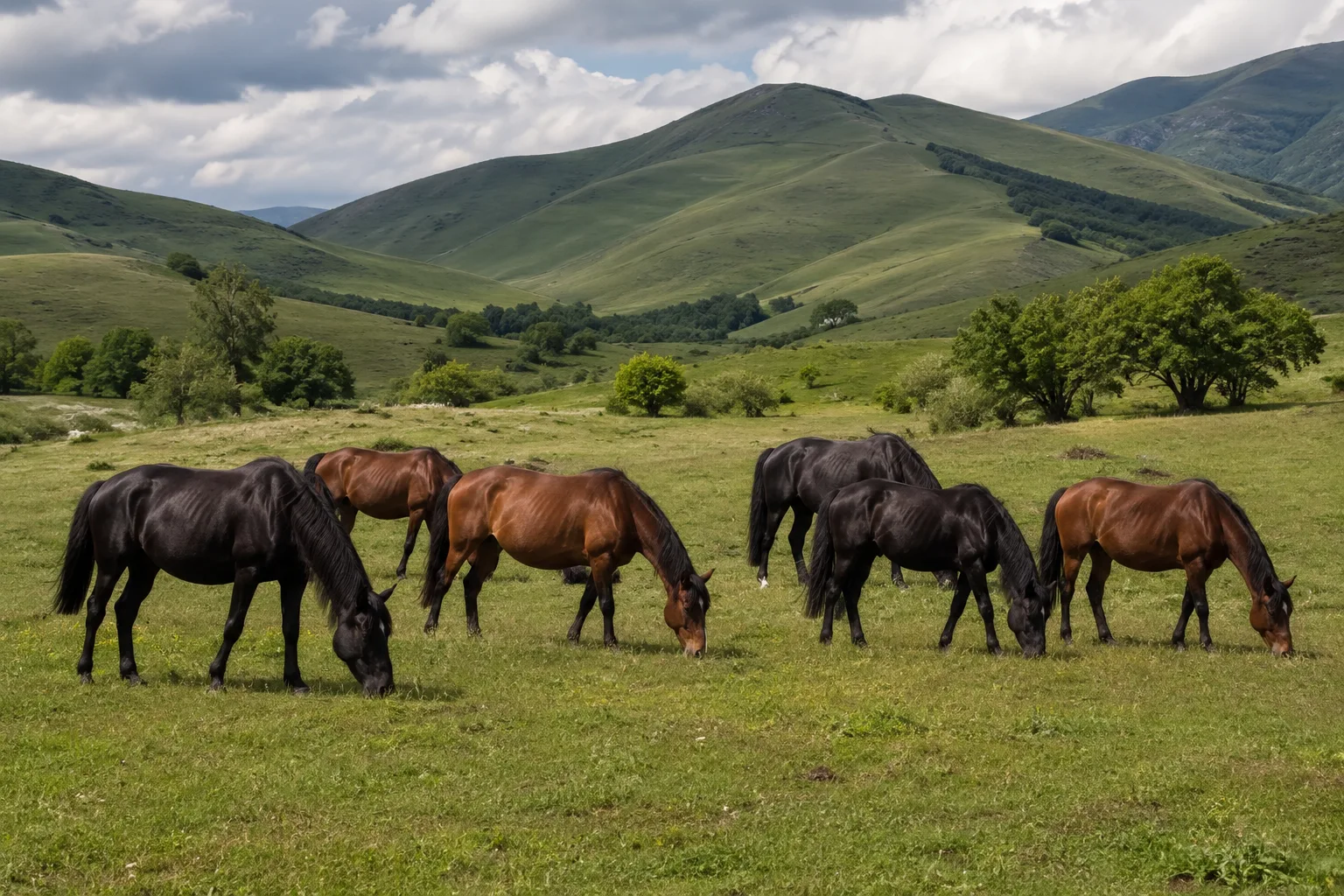
The Shagya Arabian breed is present in France, although its population is more niche than that of the purebred Arabian. It is valued by breeders and riders for its athletic qualities and temperament.
Equio lets you build a complete profile for a Shagya Arabian: identity, weight, Body Condition Score, feeding, conditions, care reminders (vaccines, worming, trimming) and an exportable health log. The breed sets the identity; everyday decisions still depend on the real horse and your vet's advice.
- Record the activity level: rest, leisure, sport or breeding
- Add known conditions or sensitivities
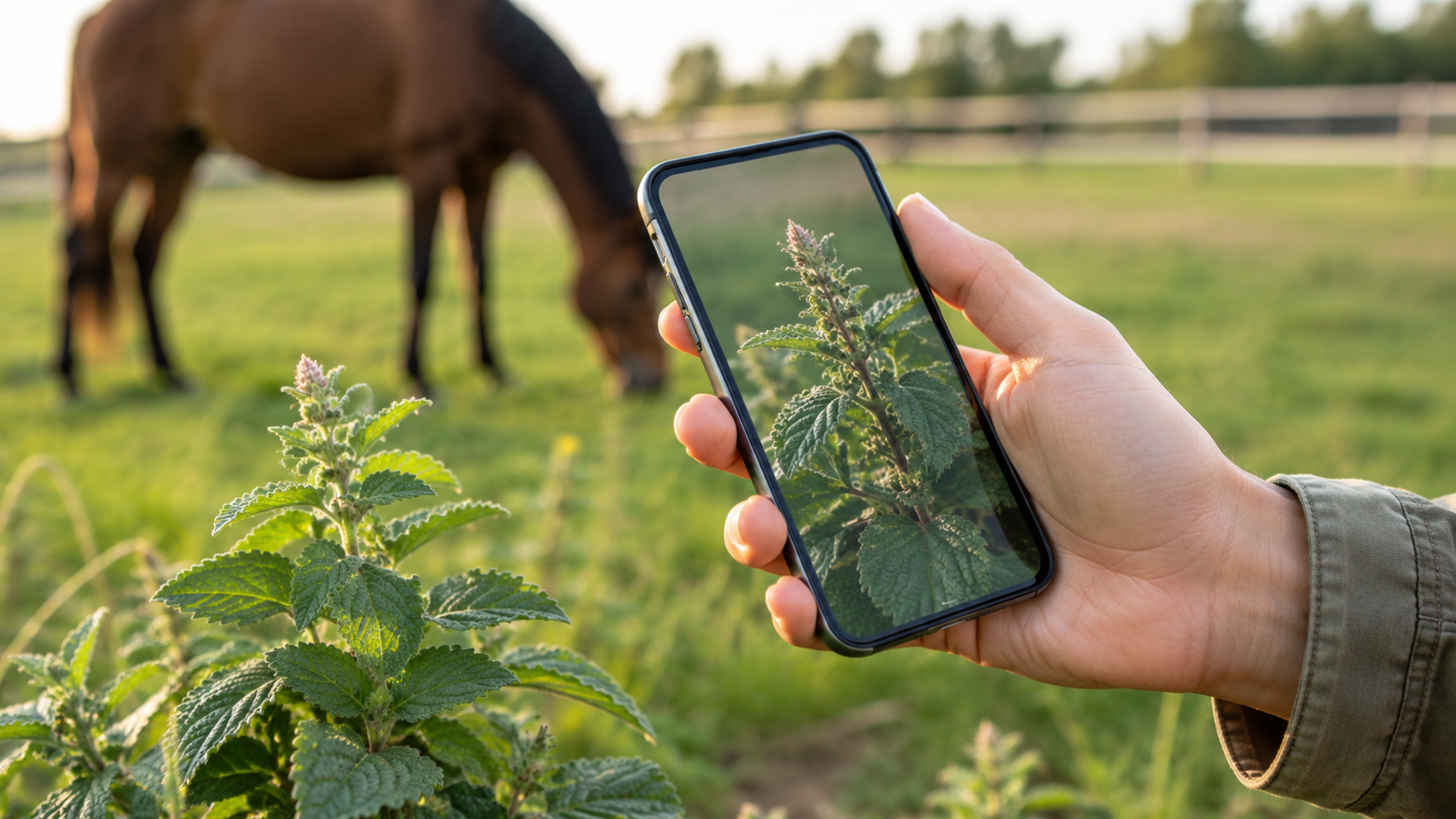
- Scan feeds, plants and care products
- Keep reminders (vaccines, worming, trimming)
- Prepare a PDF export before a vet appointment
Frequently asked questions
What is the difference between a Shagya Arabian and a purebred Arabian?
The Shagya Arabian is the result of crosses with the purebred Arabian but has been selected to be taller and more substantial, while retaining the qualities of the Arabian. It is therefore heavier and more powerful than the purebred Arabian, which is generally smaller and finer.
Is the Shagya Arabian a good horse for endurance?
Yes, the Shagya Arabian is an excellent endurance horse. It combines the robustness, endurance, and courage of the purebred Arabian with increased size and power, allowing it to cover long distances with ease.
What is the average price of a Shagya Arabian?
The price of a Shagya Arabian varies considerably depending on its age, lineage, level of training, and abilities. It can range from a few thousand euros for a young horse to several tens of thousands for a proven sport horse or a quality breeding animal.
Is the Shagya Arabian suitable for beginner riders?
Thanks to its balanced, intelligent, and willing temperament, the Shagya Arabian can be suitable for supervised beginner riders, provided they are gentle and consistent. However, its energy and sensitivity may require a rider with a minimum of experience to get the best out of it.
What are the most common coat colors in the Shagya Arabian?
The most common coat colors in the Shagya Arabian are grey, bay, and chestnut. Black is also present but rarer. Grey is particularly popular and frequent in the breed.