
Horse breed
Sardinian Anglo-Arab
The Sardinian Anglo-Arab originated from crosses between indigenous Sardinian mares, English Thoroughbred stallions, and Arabian stallions. The objective was to create a light, fast, and hardy saddle horse, adapted to the island's military and agricultural needs.
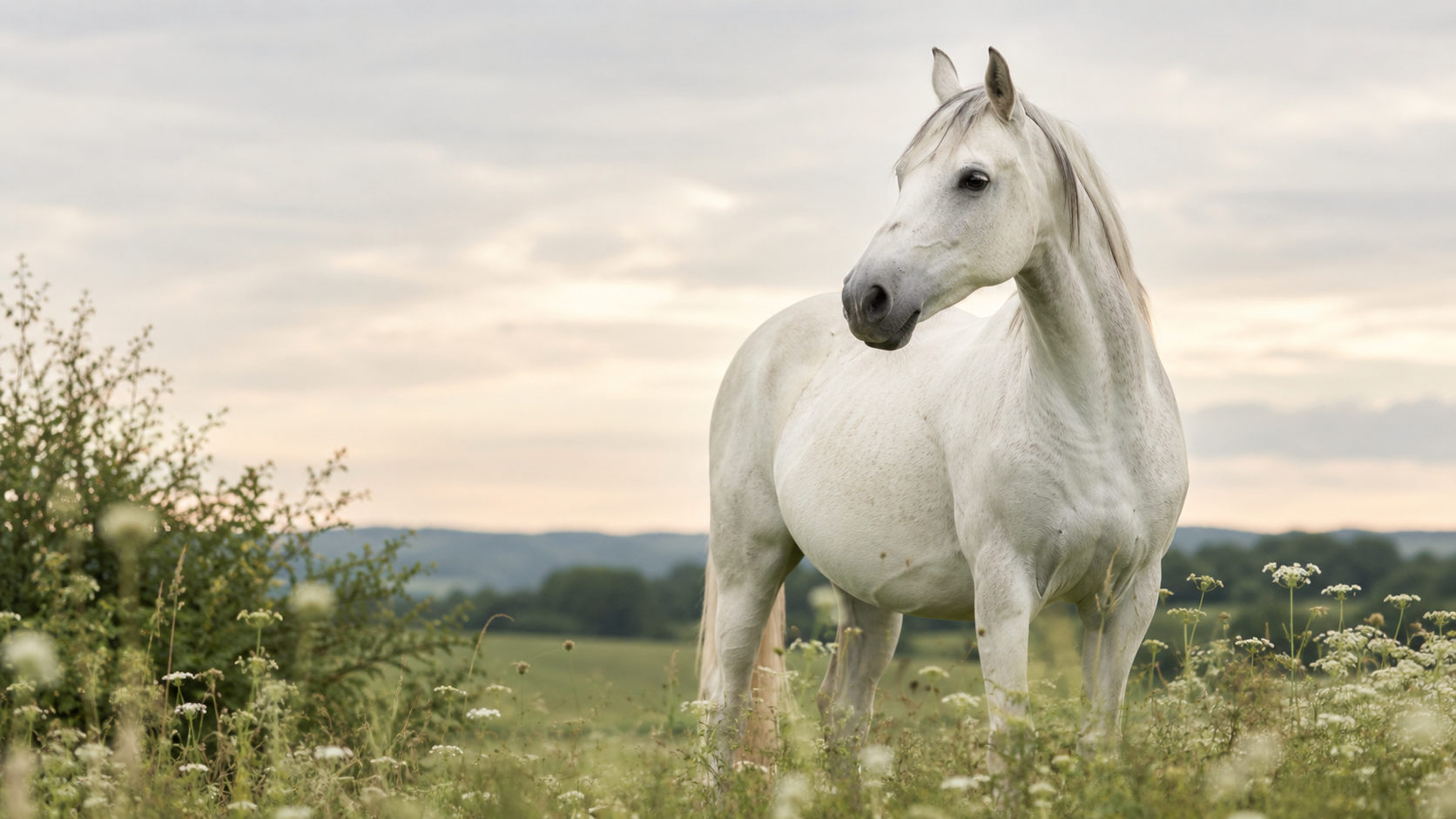
The breed at a glance
The Sardinian Anglo-Arab is renowned for its willing, courageous, and intelligent temperament. It is generally responsive and close to humans, but can sometimes be sensitive, requiring gentle and consistent training.
- Category
- sport horse
- Origin
- Italy (Sardinia) · Late 19th century - early 20th century
- Height at withers
- 158–165 cm
- Weight
- 450–550 kg
- Lifespan
- 25-30 years
- Common coats
- bay, chestnut, grey
- Disciplines
- show jumping, eventing, dressage, endurance riding
- Other names
- Anglo-Arabo Sardo, Sardinian Anglo-Arab


Origin and history
The Sardinian Anglo-Arab originated from crosses between indigenous Sardinian mares, English Thoroughbred stallions, and Arabian stallions. The objective was to create a light, fast, and hardy saddle horse, adapted to the island's military and agricultural needs. The breed was officially recognized and a studbook established in the early 20th century, consolidating its athletic characteristics and versatility.
Conformation and physique
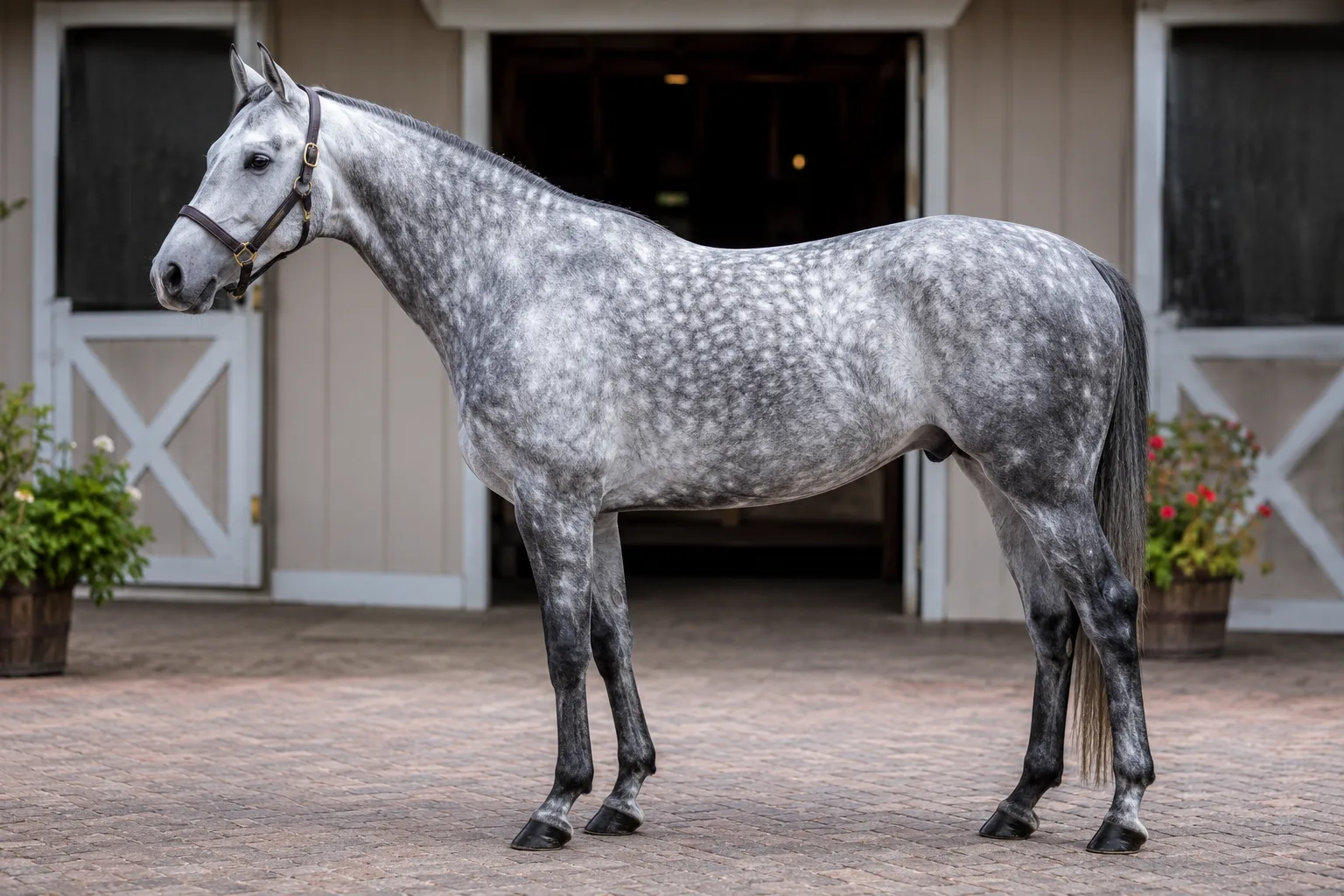
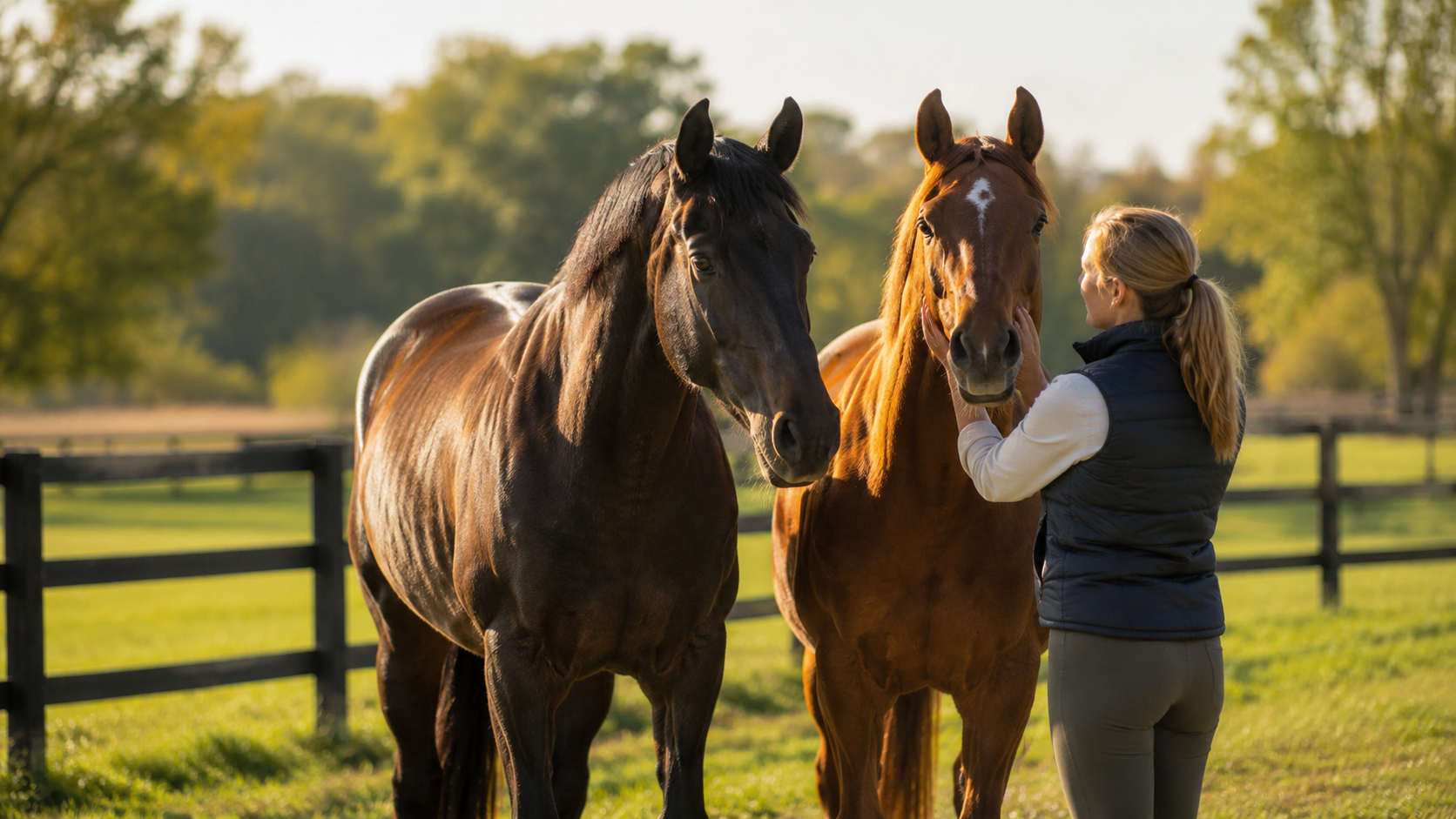
It is a medium to large-sized horse, elegant and athletic, with a strong yet refined bone structure. It presents a harmonious silhouette, combining the refinement of the Arabian and the power of the Thoroughbred.
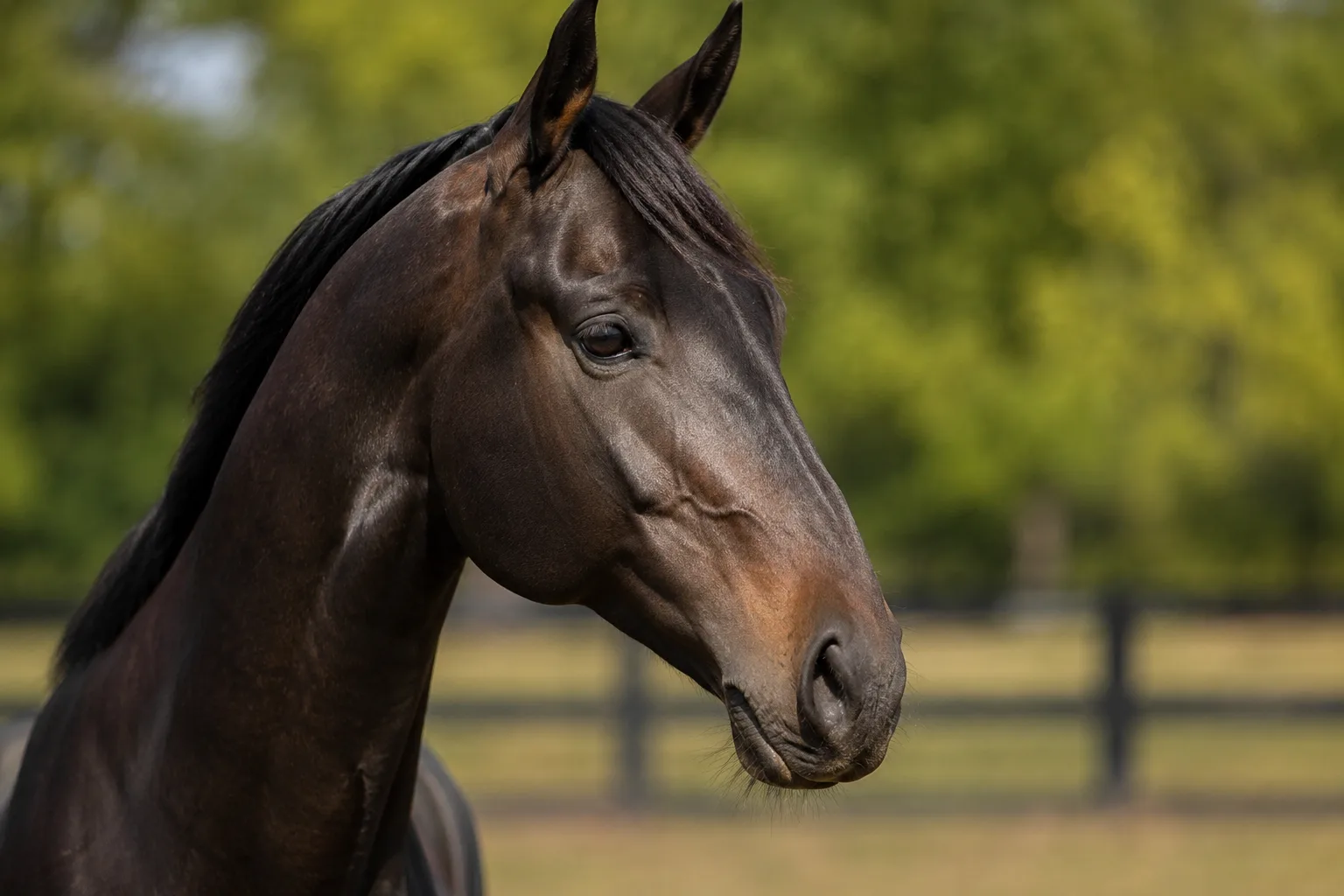
The head is expressive, often refined and dry, with a straight or slightly concave profile. The eyes are large and lively, the nostrils well-opened, and the ears medium-sized and well-set.
The neck is long, well-muscled, and well-set, blending harmoniously into a prominent and extended wither. It contributes to the horse's balance and suppleness.
The back is short and strong, the topline is taut and muscular. The chest is deep and wide, ensuring good respiratory capacity. The croup is long, muscular, and slightly sloped.
The limbs are long, clean, and well-muscled, with well-defined joints and clearly delineated tendons. The cannons are strong, and the feet are well-formed and resilient. Feathering is generally sparse.
- Common coats: bay, chestnut, grey
Temperament and aptitudes
The Sardinian Anglo-Arab is renowned for its willing, courageous, and intelligent temperament. It is generally responsive and close to humans, but can sometimes be sensitive, requiring gentle and consistent training.
The gaits are ample, supple, and energetic, with good balance and great regularity. The gallop is particularly valued for its lightness and speed.
- Uses: saddle horse, sport horse, breeding, leisure
- Disciplines: show jumping, eventing, dressage, endurance riding, racing
Feeding the Sardinian Anglo-Arab
As a sport horse, the Sardinian Anglo-Arab has a demanding athlete's metabolism. It requires a balanced and energy-rich diet, adapted to its activity level. Good quality forage in sufficient quantity is essential, supplemented by concentrates rich in protein and energy, especially during periods of intense work. It does not have a particular tendency to become overweight if exercised regularly.
There are no documented specific predispositions in the Sardinian Anglo-Arab regarding metabolic risks such as laminitis, Equine Metabolic Syndrome (EMS), or PSSM. However, like any sport horse, poorly managed nutrition (excess sugars/starch, deficiencies) can lead to general digestive or metabolic disorders.
With Equio, every feed, supplement or treat is read against the horse's real profile (age, weight, Body Condition Score, conditions) — useful for a Sardinian Anglo-Arab as soon as a metabolic or digestive sensitivity is known.

Health and points to watch
Particular attention must be paid to training management to prevent sports injuries. Regular monitoring of limb alignment and feet is crucial. Surveillance of general health and body condition is important for adapting diet and work.
- More frequent conditions: musculoskeletal conditions related to athletic effort (tendinitis, osteoarthritis)
Care and grooming
Routine care includes regular hoof trimming, essential for maintaining good limb alignment and preventing foot problems. The fine coat does not require special care, but daily grooming is recommended. The mane and tail are generally left natural, with no abundant feathering to maintain.
Did you know?
- The Sardinian Anglo-Arab is often used in traditional Sardinian races, such as the Ardia de Sedilo, where its speed and courage are put to the test.
- It is considered a symbol of Sardinia's equine heritage.
- The breed was historically used by the Italian cavalry for its robustness and endurance.
The Sardinian Anglo-Arab and how to track it
The Sardinian Anglo-Arab breed is not very common in France, where the French Anglo-Arab is more widespread. A few individuals may be imported for sport or breeding, but there is no studbook or significant breeding dedicated to this breed in France.
Equio lets you build a complete profile for a Sardinian Anglo-Arab: identity, weight, Body Condition Score, feeding, conditions, care reminders (vaccines, worming, trimming) and an exportable health log. The breed sets the identity; everyday decisions still depend on the real horse and your vet's advice.
- Record the activity level: rest, leisure, sport or breeding
- Add known conditions or sensitivities
- Scan feeds, plants and care products
- Keep reminders (vaccines, worming, trimming)
- Prepare a PDF export before a vet appointment
Frequently asked questions
What is the difference between the Sardinian Anglo-Arab and the French Anglo-Arab?
Although sharing similar origins (Thoroughbred and Arabian), the Sardinian Anglo-Arab was developed specifically in Sardinia with indigenous mares, which gives it slightly different characteristics, notably greater hardiness and adaptation to the Mediterranean climate. The French Anglo-Arab has a broader genetic base and selection objectives more geared towards high-level sport.
Is the Sardinian Anglo-Arab a good horse for endurance?
Yes, thanks to the influence of the Arabian Thoroughbred, the Sardinian Anglo-Arab possesses excellent endurance, great stamina, and a rapid recovery capacity. These qualities make it a very good candidate for endurance disciplines.
Is this breed suitable for beginner riders?
Due to its willing and sometimes sensitive temperament, the Sardinian Anglo-Arab is generally more suitable for experienced or supervised riders. Its responsiveness and energy require a soft hand and a good understanding of the horse.
Where can one buy a Sardinian Anglo-Arab?
The breed is primarily raised in Sardinia, Italy. Purchases are generally made directly from local breeders or through contacts specializing in the import of Italian horses. It is rare to find them in France.
What are the most common coat colors for the Sardinian Anglo-Arab?
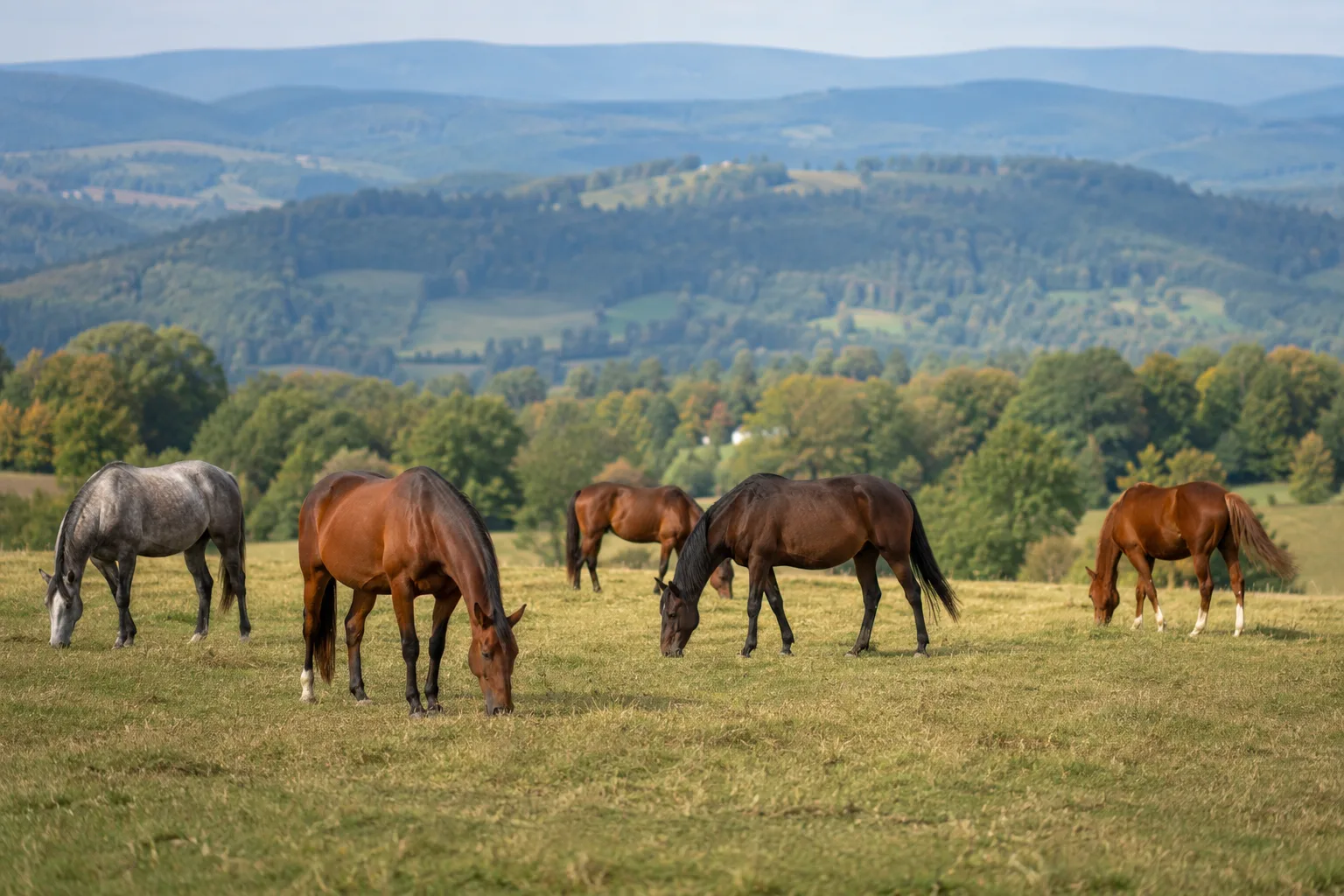
The most frequent coat colors are bay, chestnut, and grey. Black is rarer. White markings (socks/stockings, blazes/strips) are accepted but should not be excessive.