
Horse breed
Andravida
The Andravida horse is an ancient breed originating from the Elis region, in Western Peloponnese, Greece. Its origins date back to Antiquity, with influences from Thessalian horses and Oriental breeds.
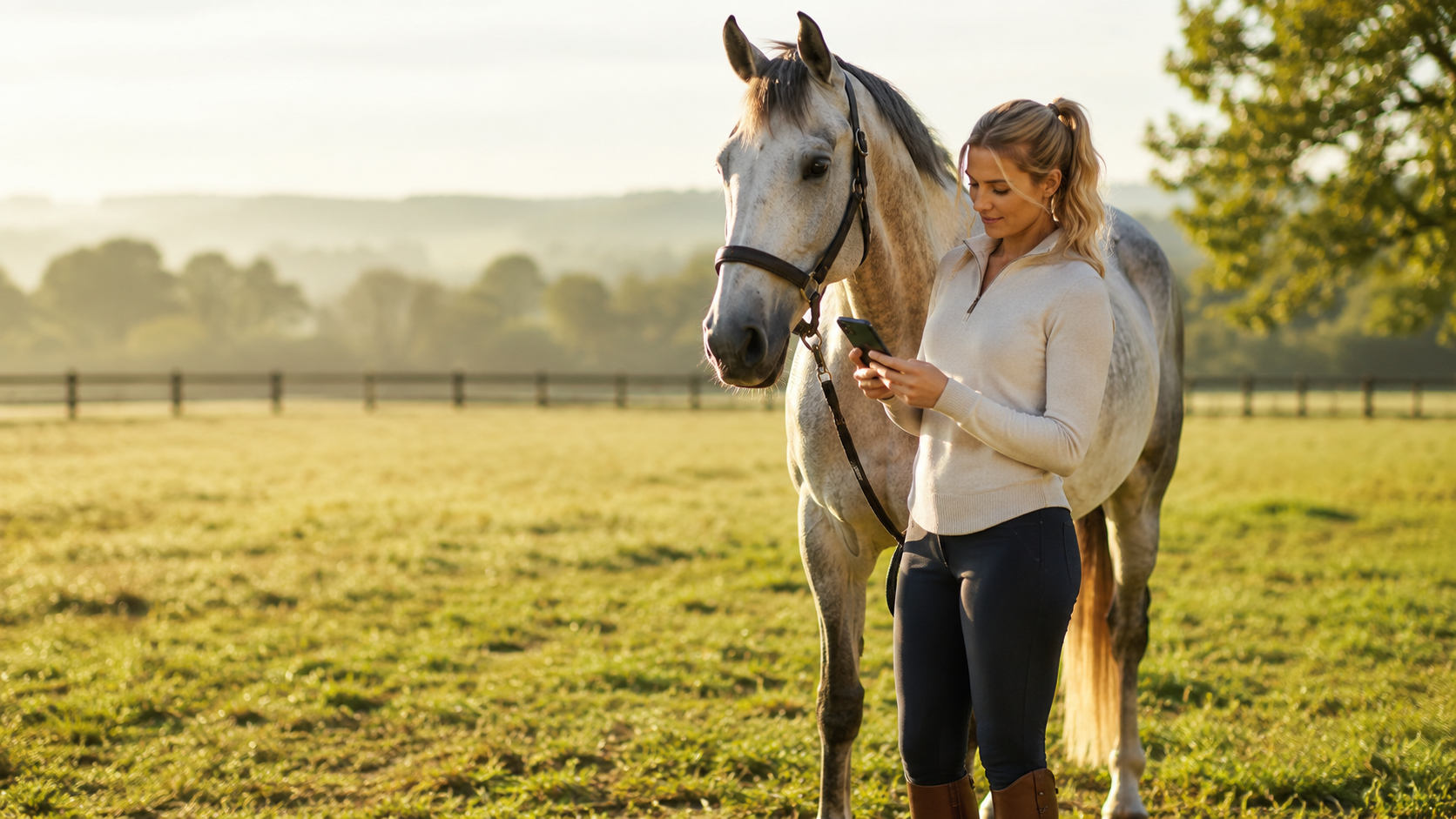
The breed at a glance
The Andravida is renowned for its calm, docile, and willing temperament. It is intelligent, easy to train, and demonstrates great endurance, making it versatile for various uses.
- Category
- saddle horse
- Origin
- Greece · Antiquity (founding breeds), 19th-20th centuries (modern establishment)
- Height at withers
- 140–160 cm
- Weight
- 400–550 kg
- Lifespan
- 25-30 years
- Common coats
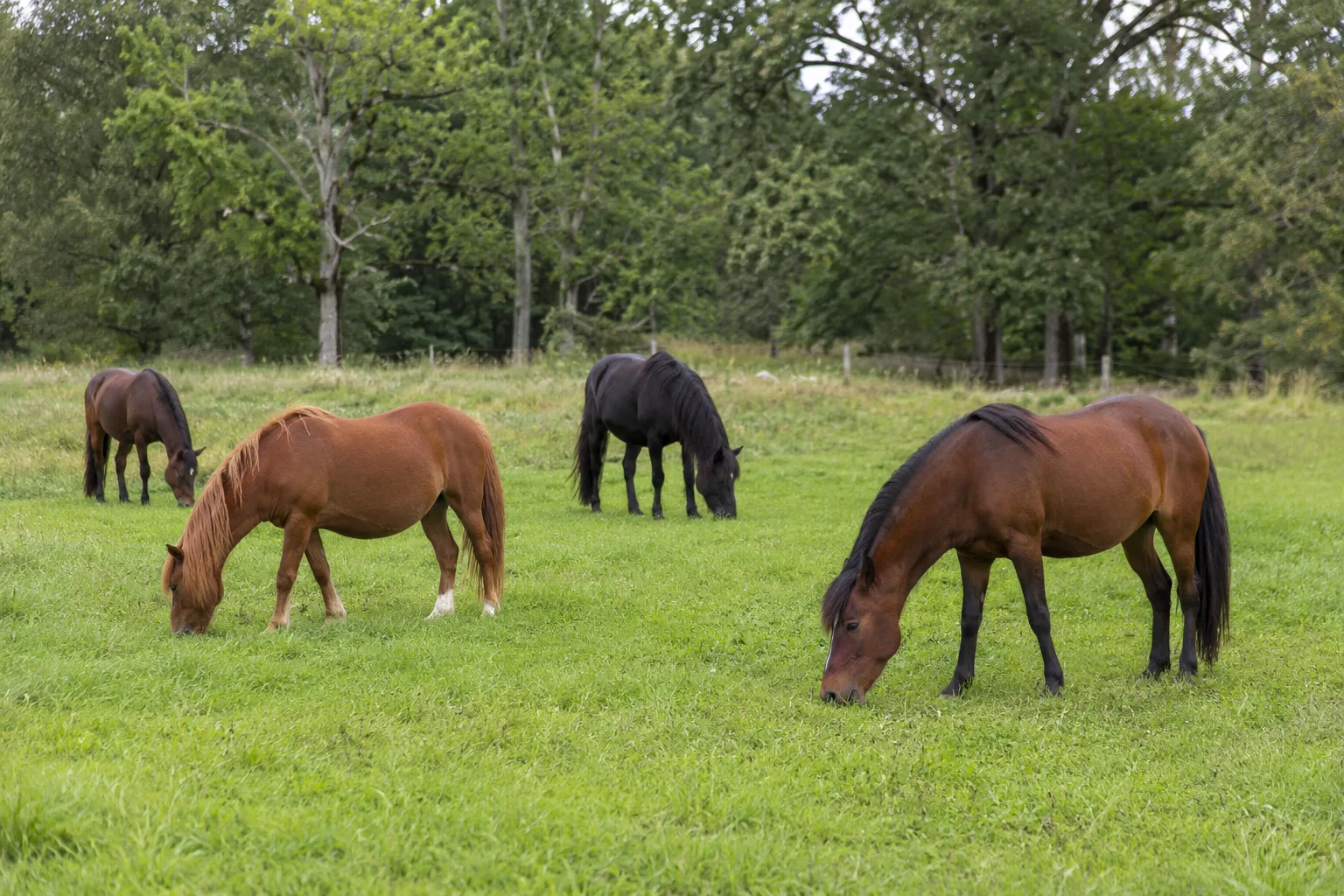
- bay, chestnut, black, grey
- Disciplines
- dressage, show jumping (amateur level), endurance riding, working equitation
- Other names
- Cheval d'Andravida, Eleia
Origin and history
The Andravida horse is an ancient breed originating from the Elis region, in Western Peloponnese, Greece. Its origins date back to Antiquity, with influences from Thessalian horses and Oriental breeds. The breed was revitalized in the early 20th century through crosses with Anglo-Normans and Nonius horses, aiming to improve its agricultural and saddle aptitudes. It was officially recognized by the Greek Ministry of Agriculture in 1995, following conservation efforts.
Conformation and physique
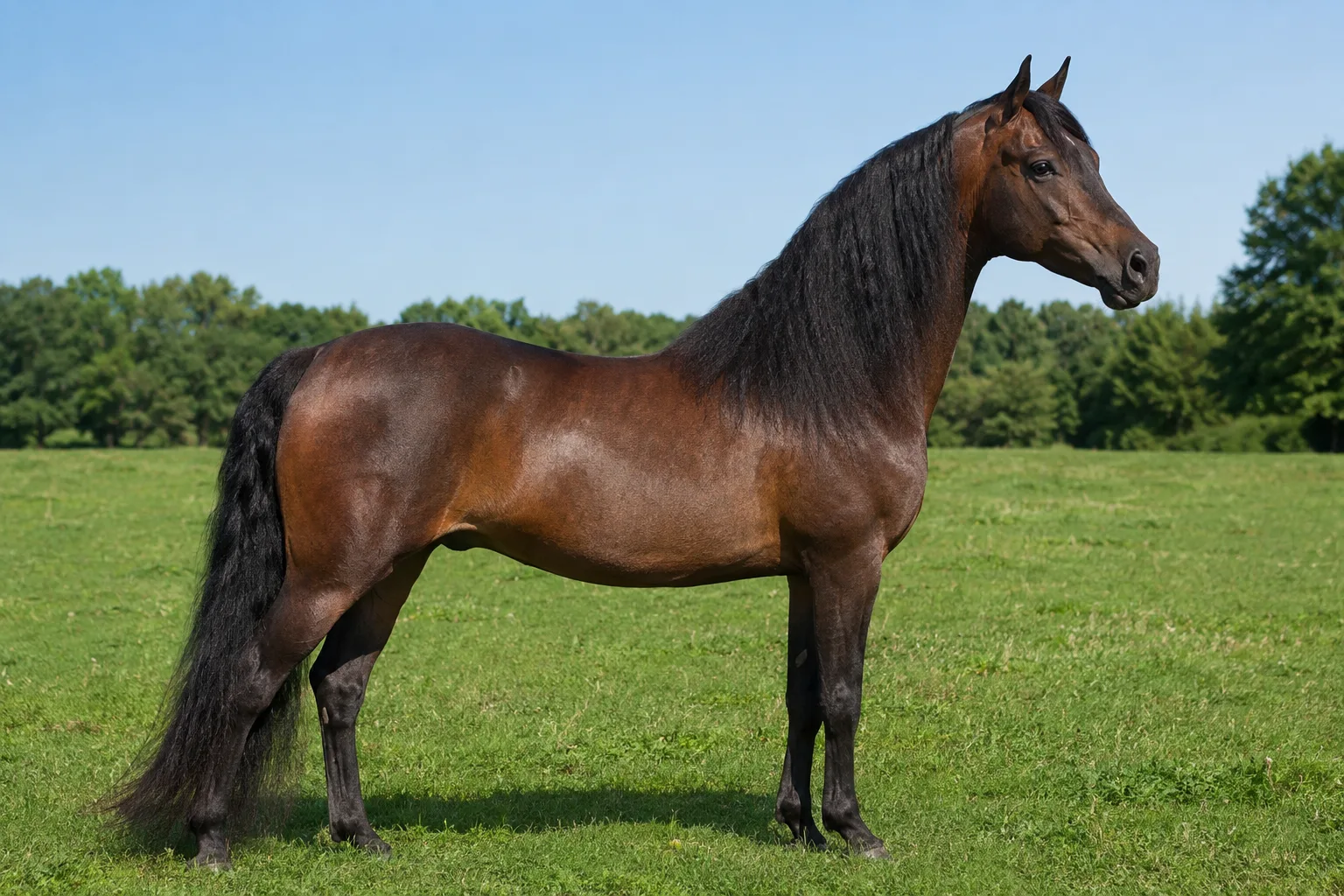
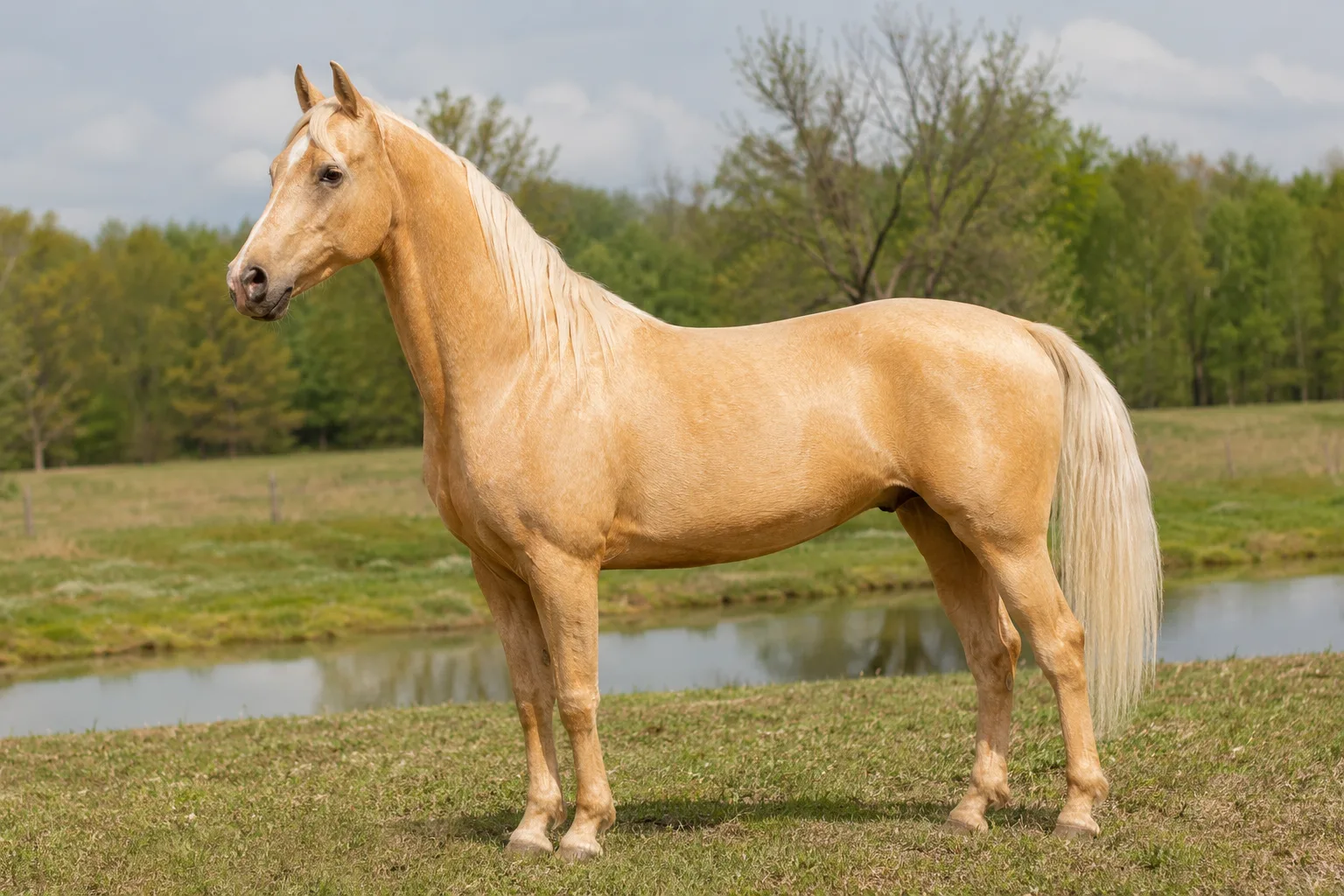
It is a medium-sized horse, with a harmonious and athletic build, and solid bone structure. It presents an elegant yet robust silhouette, suitable for both work and riding.
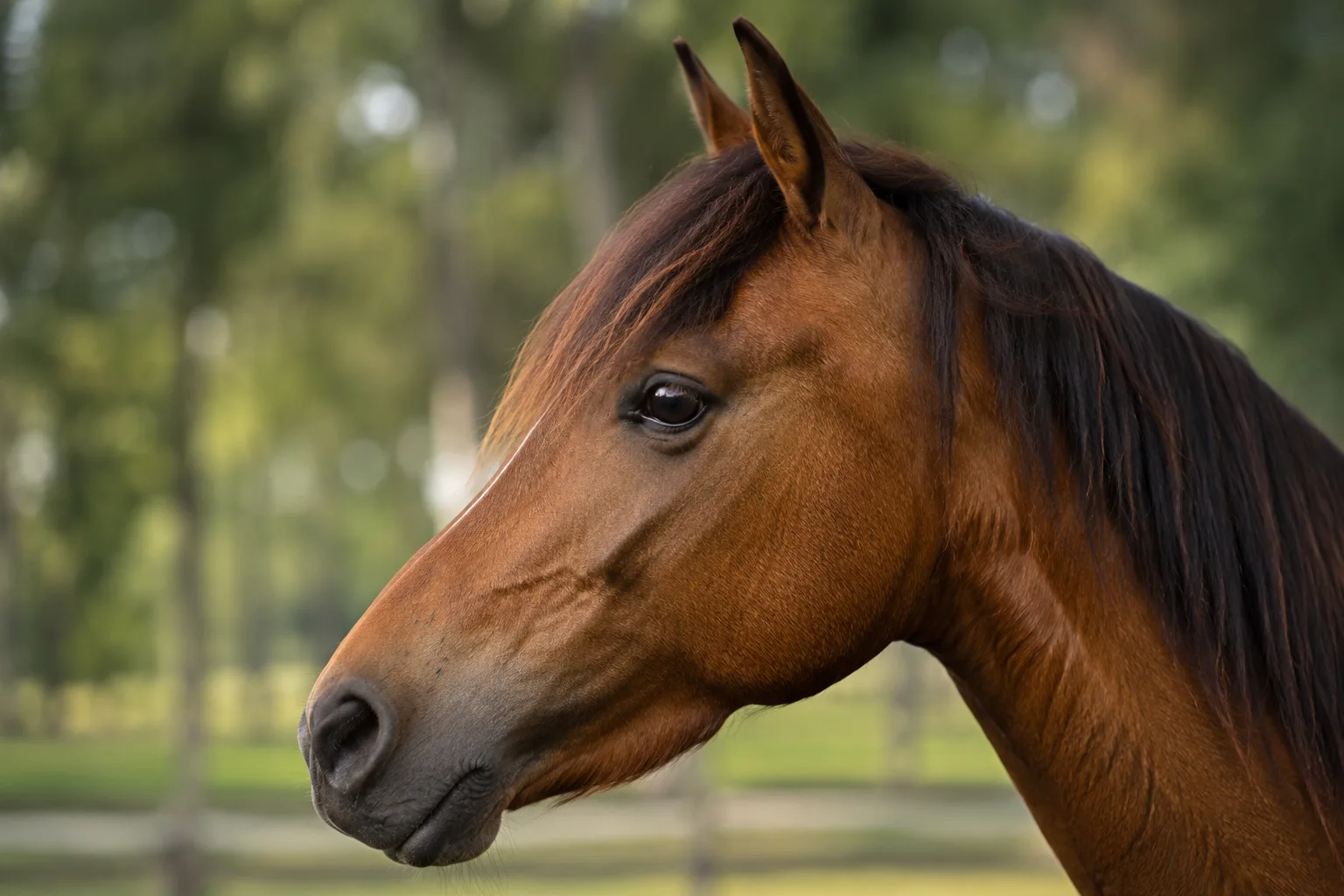
The head is medium-sized, with a straight or slightly convex (Roman) profile. The eyes are expressive and the ears are well-proportioned.
The neck is well-set, muscular, and arched, joining a well-defined and extended wither.
The back is short and strong, with a taut topline. The chest is broad and deep, and the croup is muscular and slightly sloped.
The limbs are strong, with well-defined joints and clean tendons. The hooves are hard and well-formed. Feathering is generally sparse.
- Common coats: bay, chestnut, black, grey
Temperament and aptitudes
The Andravida is renowned for its calm, docile, and willing temperament. It is intelligent, easy to train, and demonstrates great endurance, making it versatile for various uses.
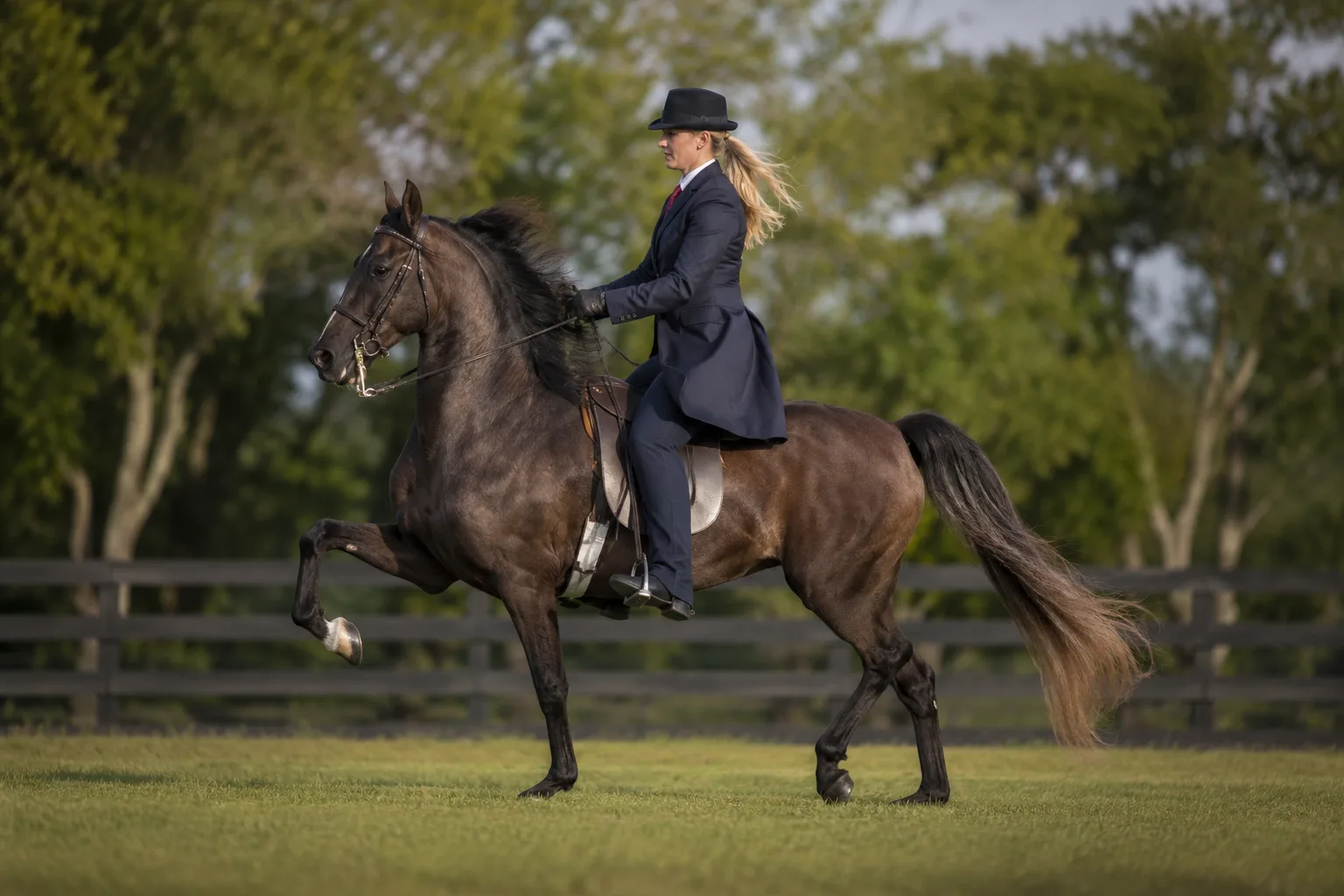
The gaits are ample, supple, and energetic, with good balance and a regular stride, making it a good saddle and working horse.
- Uses: saddle horse, light driving, agricultural work (historical), trail riding, leisure
- Disciplines: dressage, show jumping (amateur level), endurance riding, working equitation
Feeding the Andravida
The Andravida is a horse with a rather efficient metabolism, adapted to the conditions of its country of origin. It utilizes quality forages well (hay, grass) and does not tend towards excessive weight gain if worked regularly. Concentrate requirements are moderate and should be adjusted according to the intensity of work, with particular attention to mineral and vitamin intake.
The Andravida breed does not present documented predispositions to specific dietary sensitivities such as laminitis, Equine Metabolic Syndrome (EMS), or PSSM. A balanced diet adapted to its activity level remains paramount for its general health.
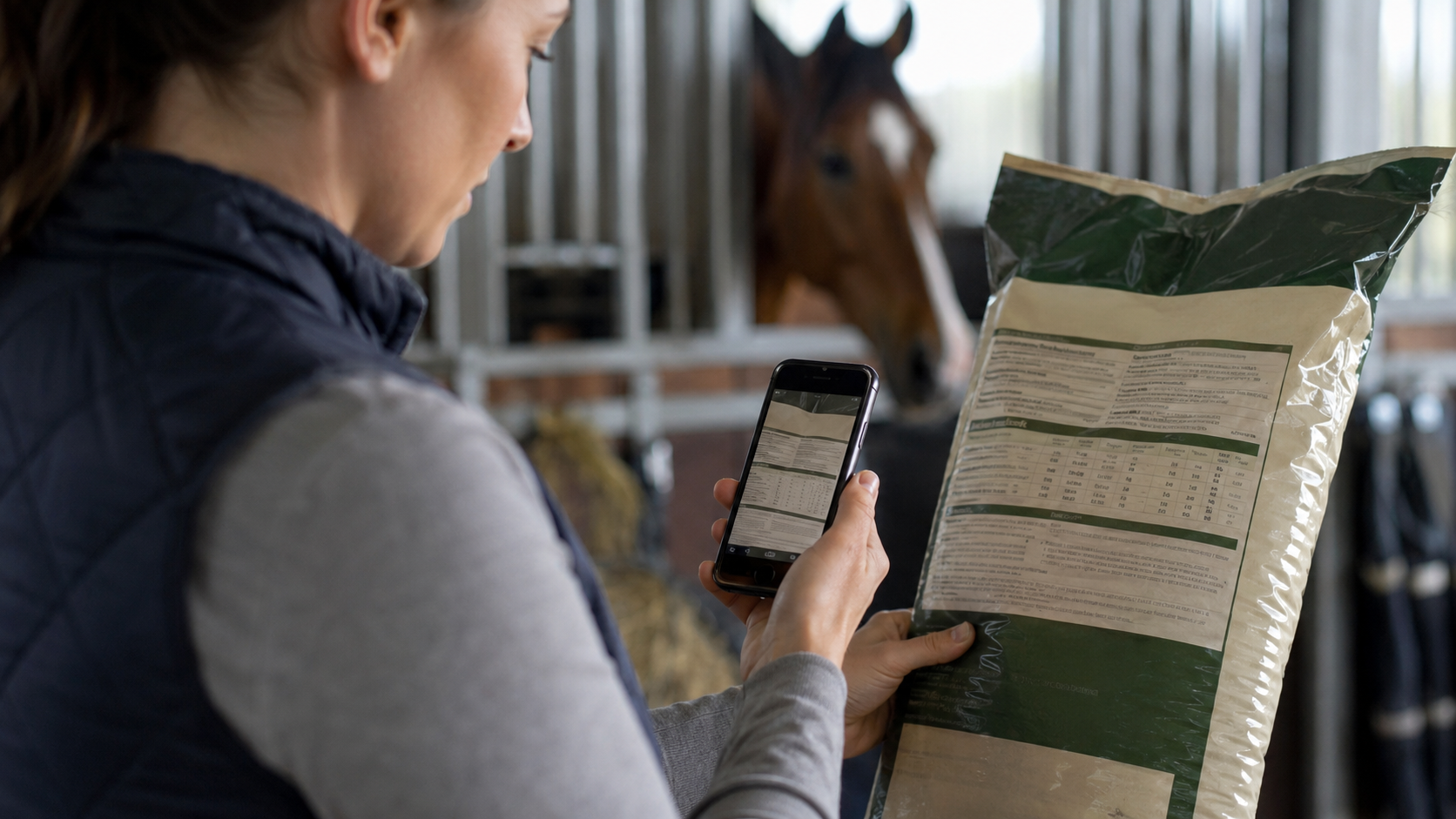
With Equio, every feed, supplement or treat is read against the horse's real profile (age, weight, Body Condition Score, conditions) — useful for a Andravida as soon as a metabolic or digestive sensitivity is known.
Health and points to watch
Regular monitoring of conformation and hooves is recommended. As with any saddle horse, particular attention should be paid to joint and muscle health, especially in cases of intense athletic activity. Regular dental and parasitic care is essential.
- More frequent conditions: locomotor affections related to age or poorly managed overwork
Care and grooming
Basic care is sufficient for the Andravida. The hooves, generally strong, require regular trimming. The mane and tail can be left natural or maintained according to preference. The coat is easy to care for and does not require specific attention, apart from usual brushing.
Did you know?
- The Andravida is the only officially recognized indigenous horse breed of mainland Greece.
- The breed's conservation program was initiated in the 1990s to prevent its extinction, as it was threatened by uncontrolled crossbreeding.
- Its name comes from the town of Andravida, located in the Elis region, the historical birthplace of the breed.
The Andravida and how to track it
The Andravida breed is very rare outside of Greece. Its presence in France is anecdotal, and there is no structured breeding or significant population within French territory.
Equio lets you build a complete profile for a Andravida: identity, weight, Body Condition Score, feeding, conditions, care reminders (vaccines, worming, trimming) and an exportable health log. The breed sets the identity; everyday decisions still depend on the real horse and your vet's advice.
- Record the activity level: rest, leisure, sport or breeding
- Add known conditions or sensitivities
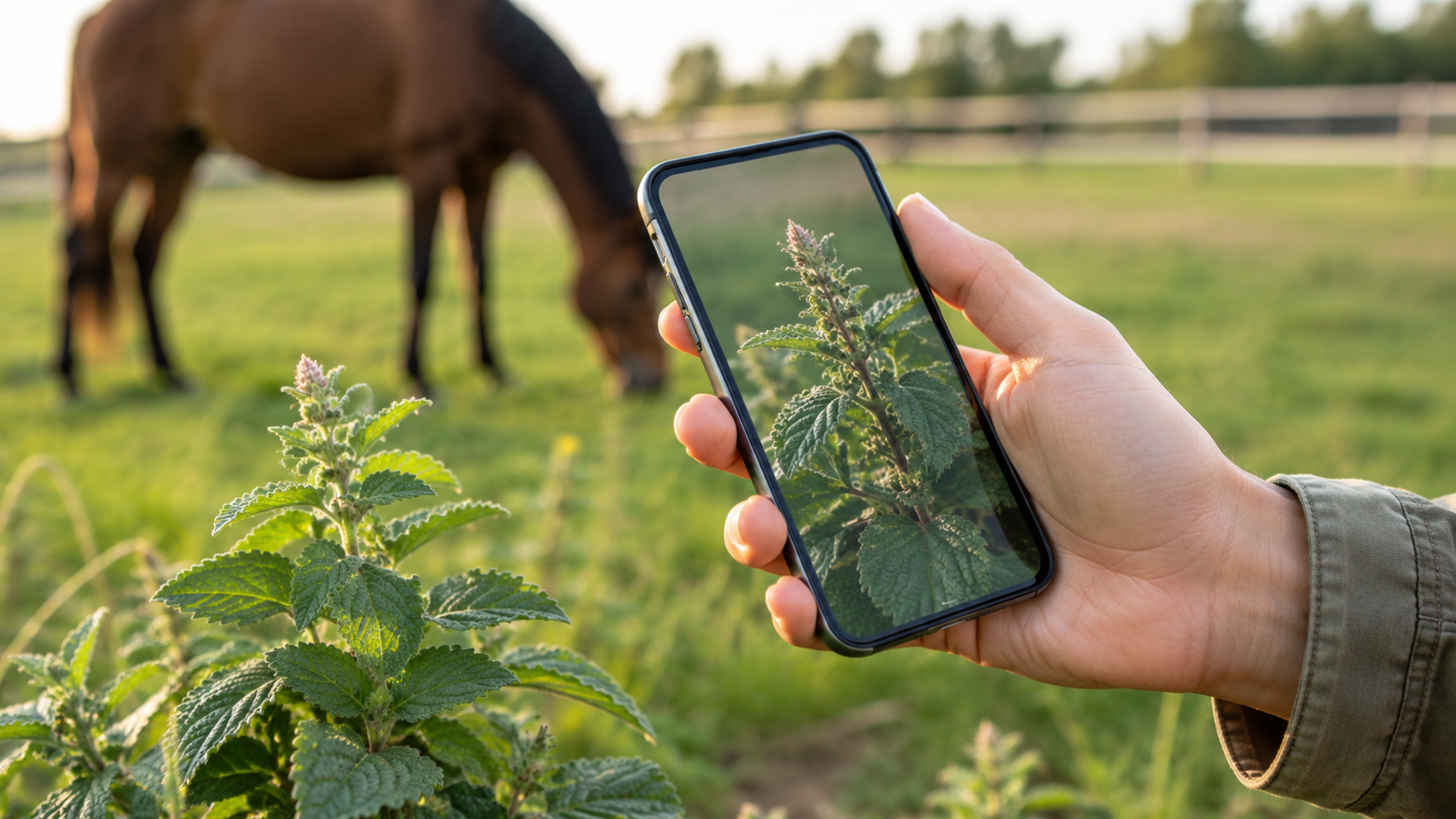
- Scan feeds, plants and care products
- Keep reminders (vaccines, worming, trimming)
- Prepare a PDF export before a vet appointment
Frequently asked questions
Where can one buy an Andravida horse in France?
It is extremely difficult to find an Andravida horse in France, as the breed is primarily raised in Greece and its population is limited. Importation would be the only option, but it is rare and complex.
Is the Andravida a good horse for beginners?
Yes, thanks to its calm, docile temperament and willingness to please, the Andravida can be an excellent horse for beginner riders or those seeking a reliable companion for leisure and trail riding.
What are the main uses of the Andravida?
Historically used for agricultural work and driving, the Andravida is now primarily a versatile riding horse, valued for trail riding, leisure, and can excel in disciplines such as dressage or endurance at an amateur level.
Is the Andravida a threatened breed?
Yes, the Andravida is considered a rare and threatened breed. Conservation efforts are underway in Greece to preserve and develop its population, which remains small.
What is the average height of an Andravida?
The average height of an Andravida horse is generally between 140 and 160 cm at the withers, making it a medium-sized horse suitable for a wide range of riders.