
Horse breed
American Paint Horse
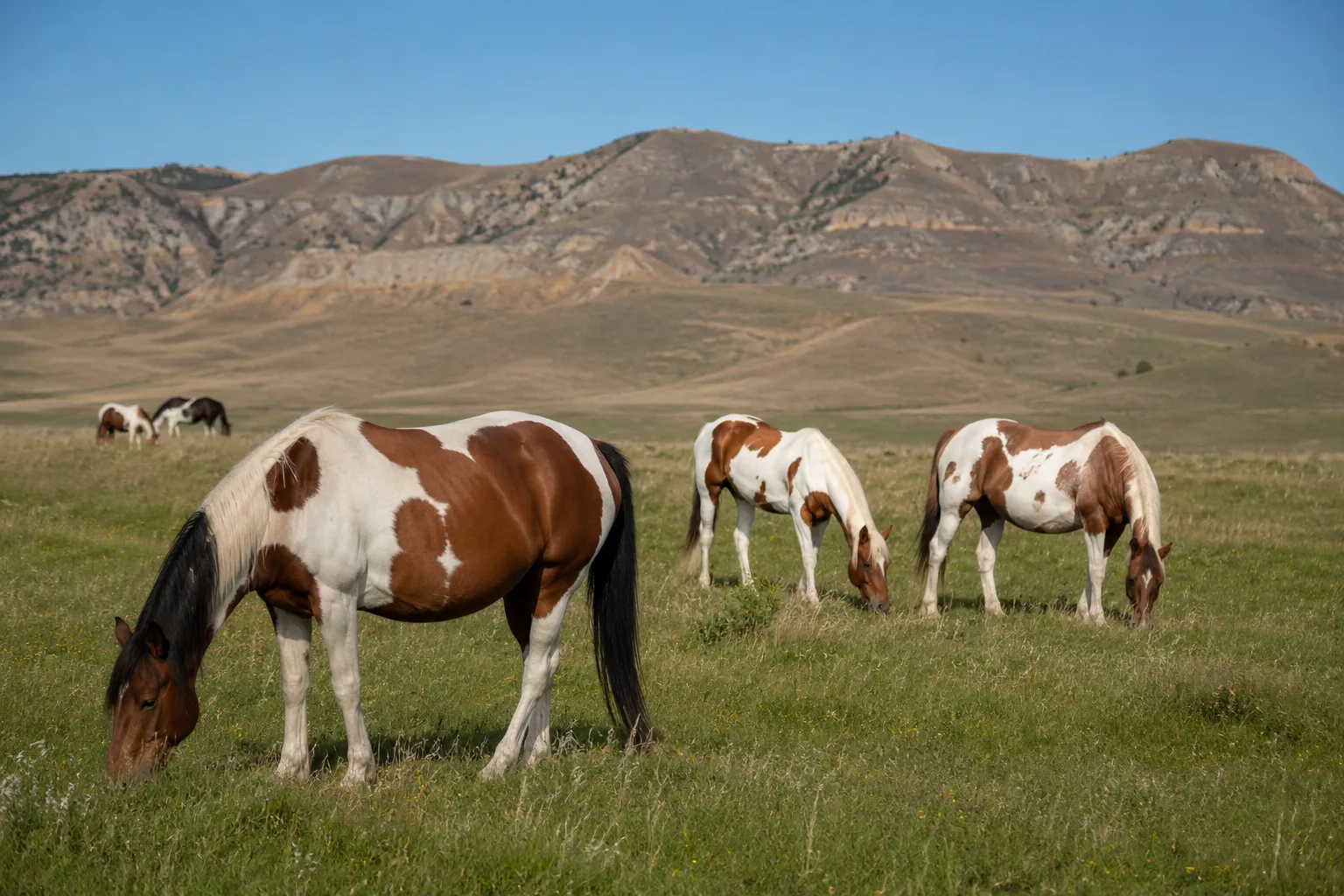
The American Paint Horse descends from horses introduced to America by Spanish conquistadors, particularly spotted horses. These horses were later valued by Native Americans and cowboys for their abilities and distinctive coats.
The breed at a glance
The Paint Horse is known for its calm, intelligent, and willing temperament. It is highly receptive to learning, courageous, and possesses excellent "cow sense," making it a reliable and versatile partner for work and leisure.
- Category
- saddle horse
- Origin
- United States · 17th century (development), mid-20th century (recognition)
- Height at withers
- 142–163 cm
- Weight
- 450–600 kg
- Lifespan
- 25-30 years
- Common coats
- Tobiano, Overo, Tovero, Solid (registered only if parents are Paint)
- Disciplines
- Reining, Cutting, Western Pleasure, Trail
- Other names
- Paint Horse
Origin and history
The American Paint Horse descends from horses introduced to America by Spanish conquistadors, particularly spotted horses. These horses were later valued by Native Americans and cowboys for their abilities and distinctive coats. In the 20th century, with the popularity of the Quarter Horse, spotted horses of Quarter type were excluded from registries. In 1962, the American Paint Horse Association (APHA) was founded to preserve and promote these horses, officially recognizing the breed.

Conformation and physique
A compact and muscular horse, typical of a Western working horse. It has a solid bone structure and an athletic, balanced, and powerful build, with well-developed musculature.
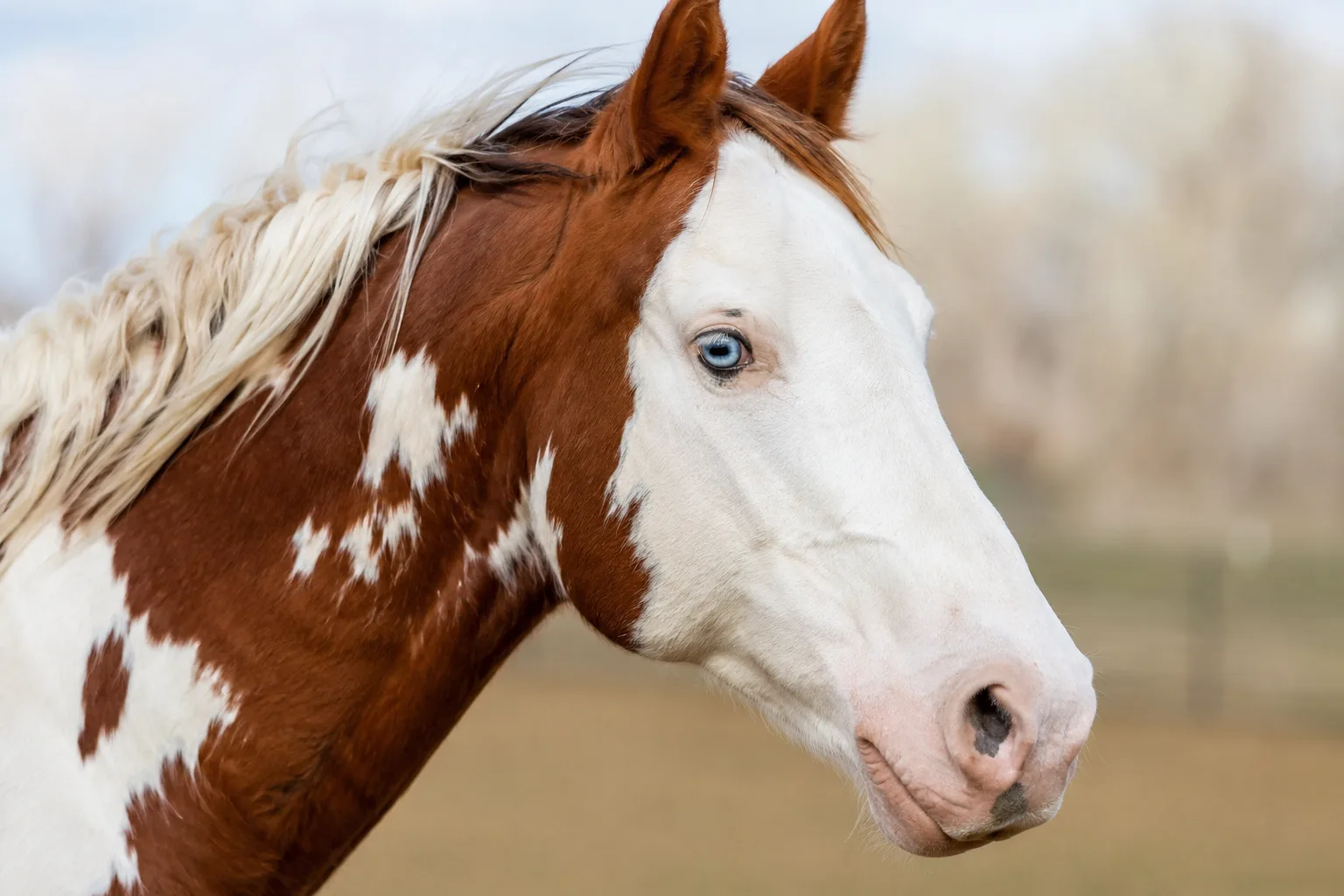
Expressive, medium-sized head, with a straight or slightly concave profile. The eyes are large and lively, sometimes blue (wall eyes). The nostrils are wide and the ears are well-shaped and mobile.
Muscular neck, well set and proportionate to the body, blending into a prominent and muscular, but not overly high, wither. It is powerful and flexible.
Short, strong back, muscular topline. Broad and deep chest, indicative of respiratory capacity. Powerful and rounded hindquarters, well-muscled, often double-muscled.
Solid, clean legs, with large and well-defined joints. The cannons are short and the pasterns are of medium length. The feet are round, well-proportioned, and strong. Feathering is generally sparse.
- Common coats: Tobiano, Overo, Tovero, Solid (registered only if parents are Paint)
Temperament and aptitudes
The Paint Horse is known for its calm, intelligent, and willing temperament. It is highly receptive to learning, courageous, and possesses excellent "cow sense," making it a reliable and versatile partner for work and leisure.
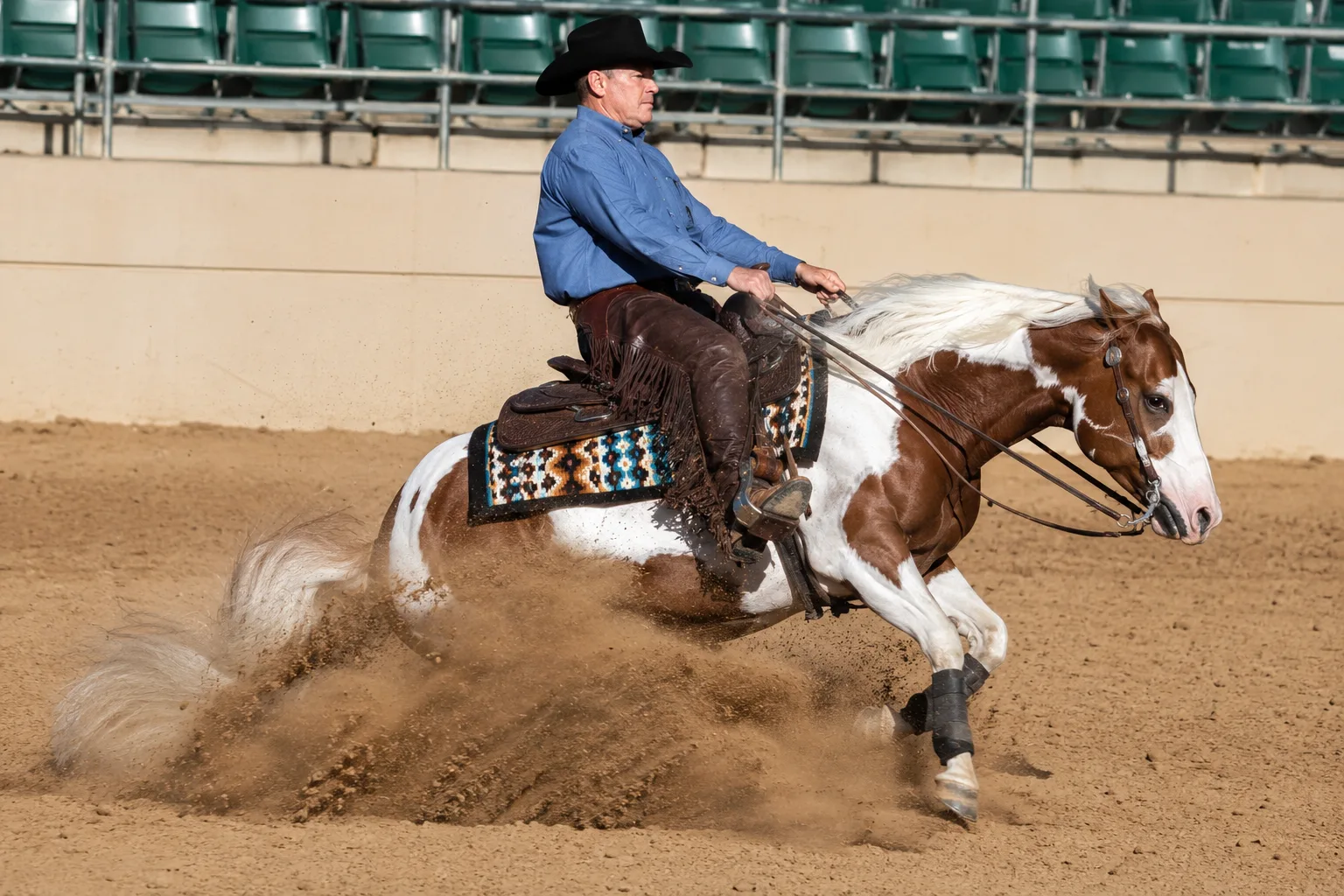
The gaits are supple, regular, and comfortable, with a long stride, an energetic trot, and a balanced canter. The Paint Horse is renowned for its speed and agility, especially in Western working gaits.
- Uses: Western riding (ranching, reining, cutting, barrel racing), Trail riding, Recreational riding, Show, Light harness driving
- Disciplines: Reining, Cutting, Western Pleasure, Trail, Barrel Racing, Gymkhana, Ranch Riding
Feeding the American Paint Horse
The Paint Horse, like the Quarter Horse to which it is closely related, has a rather efficient metabolism. It is important to monitor its weight as it can be prone to obesity if not exercised sufficiently. A diet based on good quality forage (hay or grass) in sufficient quantity is essential. Concentrates should be adjusted according to the intensity of work, favoring feeds low in starch and sugars for sensitive horses.
The Paint Horse can be predisposed to certain metabolic sensitivities, including Equine Metabolic Syndrome (EMS) and laminitis, especially if overweight or sedentary. Vigilance is also advised regarding PSSM (Polysaccharide Storage Myopathy), a muscle disease that can be managed with a specific diet low in non-structural carbohydrates.
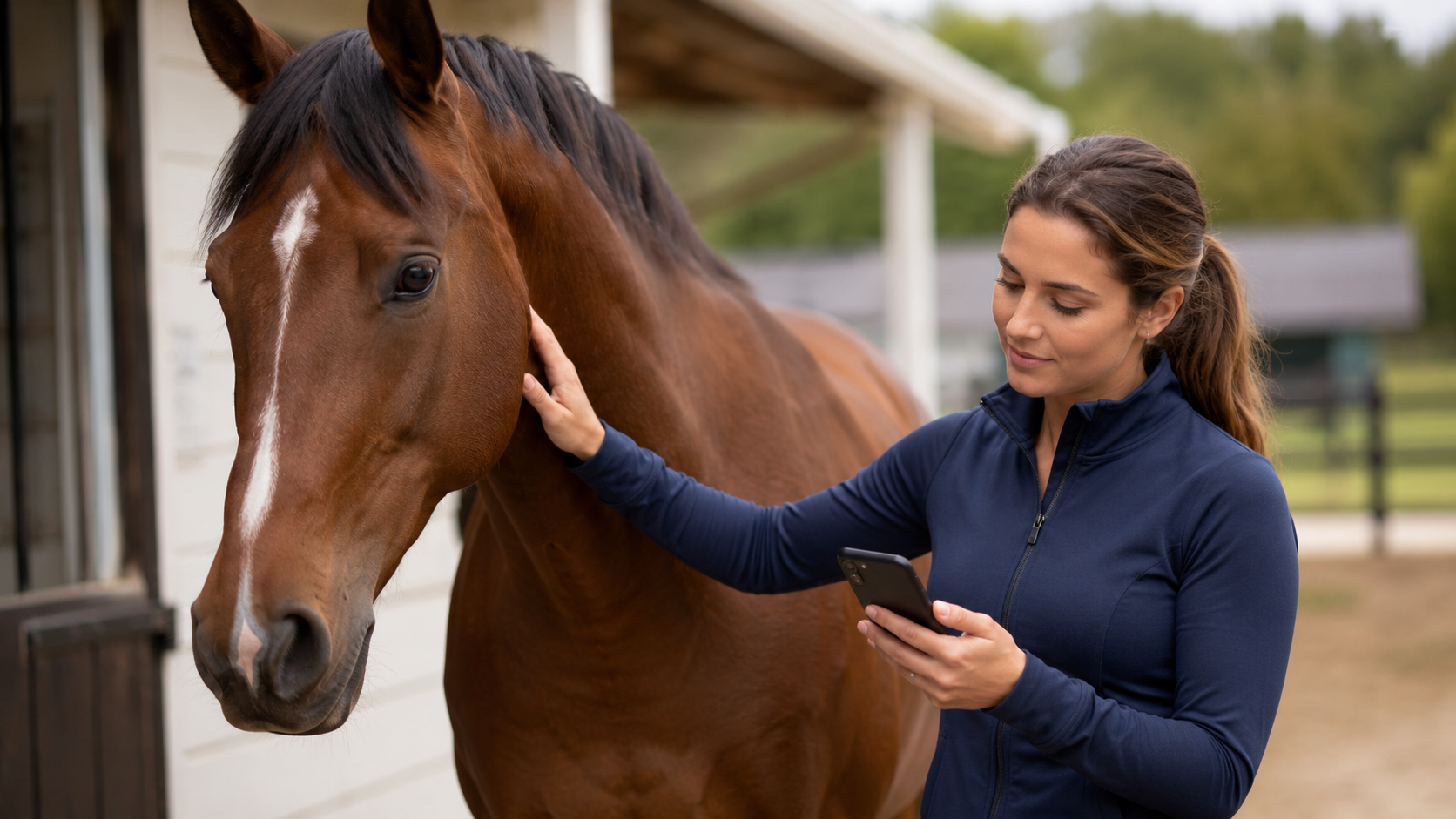
With Equio, every feed, supplement or treat is read against the horse's real profile (age, weight, Body Condition Score, conditions) — useful for a American Paint Horse as soon as a metabolic or digestive sensitivity is known.
Health and points to watch
It is crucial to test breeding stock for known genetic diseases to prevent their spread. Particular attention must be paid to weight management and diet to prevent metabolic disorders. Regular veterinary check-ups and an appropriate deworming and vaccination program are essential.
- Documented genetic disorders: HYPP (Hyperkalemic Periodic Paralysis) - linked to the Impressive bloodline, HERDA (Hereditary Equine Regional Dermal Asthenia), GBED (Glycogen Branching Enzyme Deficiency), PSSM1 (Polysaccharide Storage Myopathy type 1), OLWS (Overo Lethal White Syndrome) - lethal white foal syndrome
- More frequent conditions: Joint problems (in case of intense or unsuitable work), Laminitis, Equine Metabolic Syndrome (EMS)
Care and grooming
Paint Horse care is similar to that of other saddle horses. Regular hoof trimming is necessary to maintain their integrity. The mane and tail can be thick and require regular detangling. The spotted coat requires careful brushing to highlight its colors and cleanliness, and monitoring of pink skin areas, which are more sensitive to the sun.
Did you know?
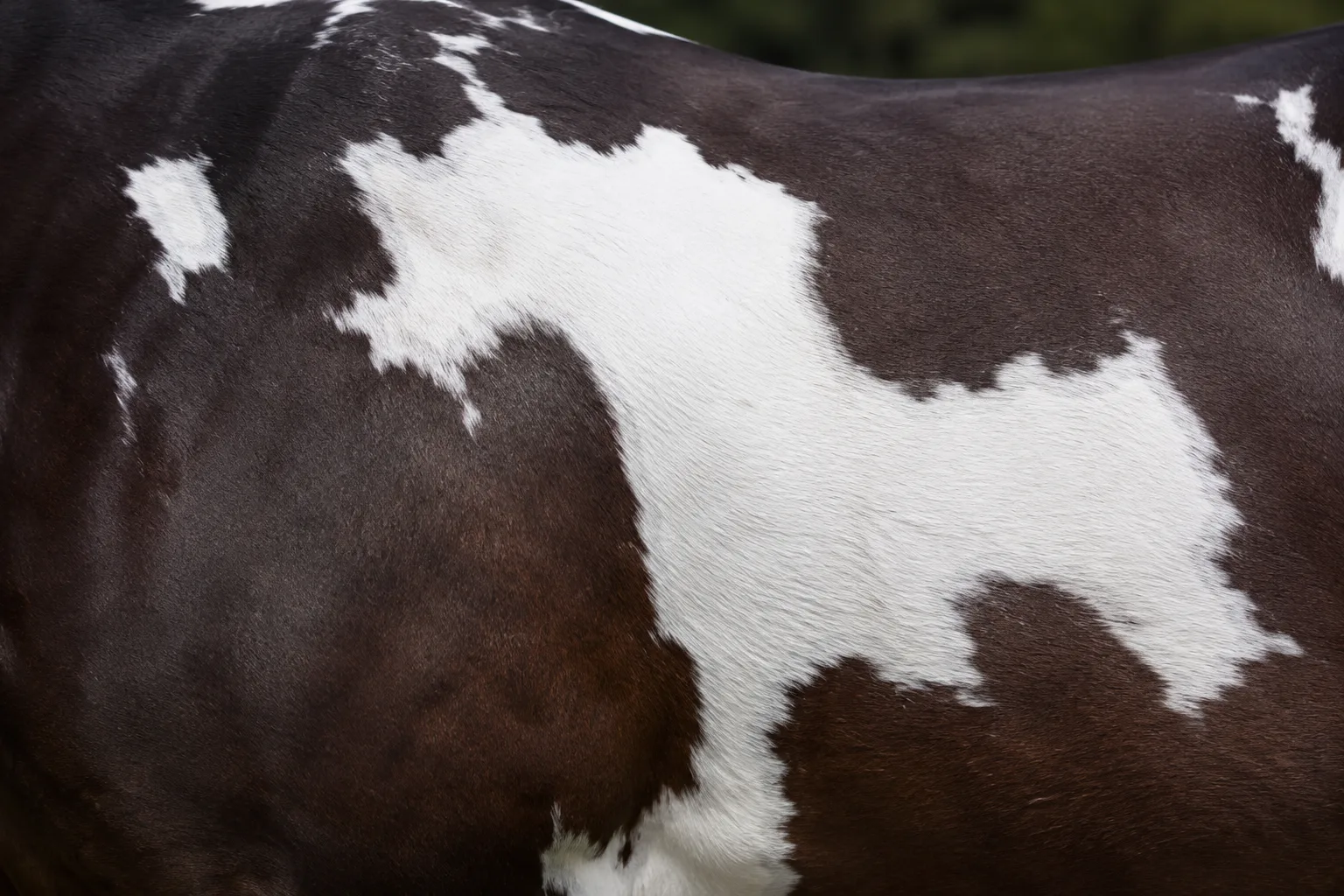
- Each Paint Horse has a unique coat pattern, like a fingerprint, making each individual easily identifiable.
- The APHA registry is the second largest breed registry in the United States, after the AQHA (American Quarter Horse Association).
- Solid Paint-Bred horses (without spots) can be registered with the APHA if they have registered Paint parents, and are important for the breed's genetics.
The American Paint Horse and how to track it
The American Paint Horse breed is well represented in France, with a growing number of breeders and enthusiasts. It is primarily used for recreational and competitive Western riding, as well as for trail riding.
Equio lets you build a complete profile for a American Paint Horse: identity, weight, Body Condition Score, feeding, conditions, care reminders (vaccines, worming, trimming) and an exportable health log. The breed sets the identity; everyday decisions still depend on the real horse and your vet's advice.
- Record the activity level: rest, leisure, sport or breeding
- Add known conditions or sensitivities
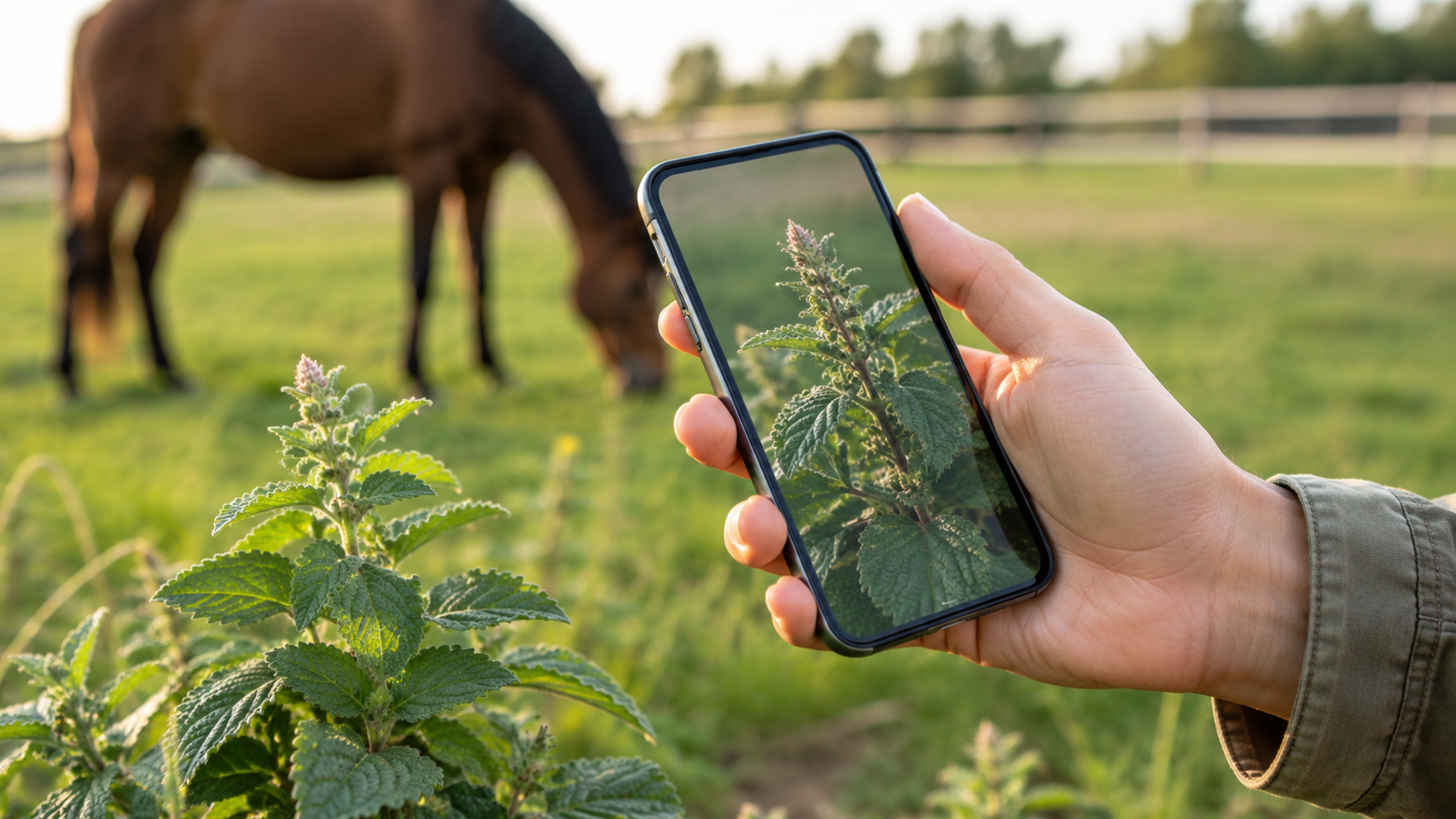
- Scan feeds, plants and care products
- Keep reminders (vaccines, worming, trimming)
- Prepare a PDF export before a vet appointment
Frequently asked questions
What is the difference between a Paint Horse and a Quarter Horse?
The main difference lies in the coat pattern: the Paint Horse must have color markings on a white background (or vice versa) according to specific patterns, while the Quarter Horse typically has a solid coat. Genetically and morphologically, they are very similar, often sharing the same bloodlines.
Can a Paint Horse have a solid coat?
Yes, a horse born from two registered Paint Horse parents, but without spots, can be registered as a "Solid Paint-Bred" by the APHA. These horses are valuable for breeding as they can produce spotted foals.
Is the Paint Horse suitable for beginners?
Yes, thanks to its calm, intelligent temperament and willingness to cooperate, the Paint Horse is often an excellent choice for beginner riders or those looking for a versatile and safe horse for leisure.
What are the recognized coat patterns for the Paint Horse?
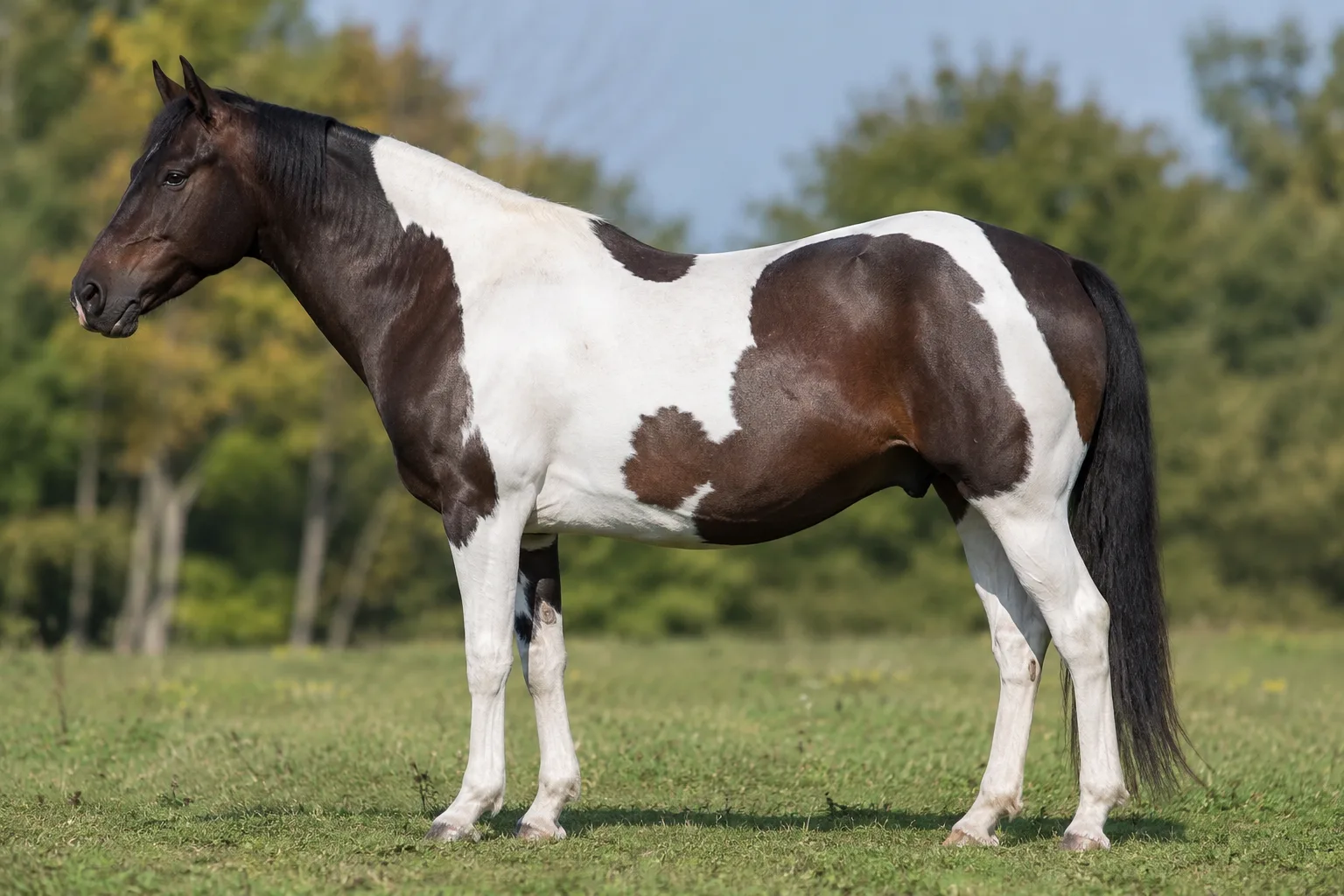
The three main coat patterns are Tobiano (white markings that cross the topline, dark head, white legs), Overo (white markings that do not cross the back, often a white head, dark legs), and Tovero (a combination of both, often with large white patches and blue eyes).
Is the Paint Horse a good sport horse?
Absolutely. The Paint Horse excels in many Western disciplines such as Reining, Cutting, Barrel Racing, and Western Pleasure, thanks to its agility, speed, intelligence, and innate "cow sense".