
Horse breed
American Miniature Horse
The American Miniature Horse originates from miniature horses imported from Europe in the 19th century, notably English and Dutch mine ponies. Selective breeding with Shetlands and other small breeds helped establish an elegant miniature type.
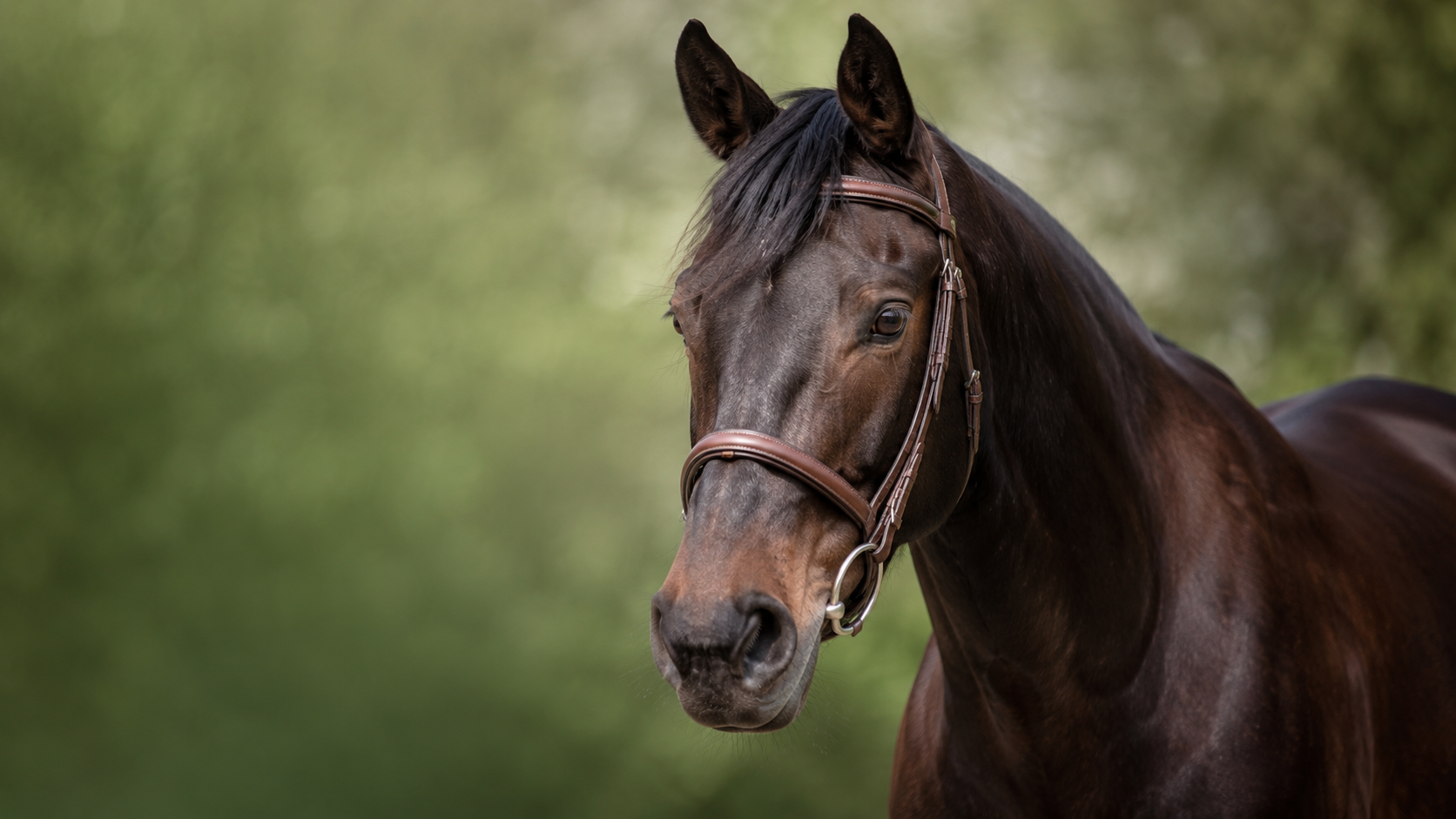
The breed at a glance
Gentle, intelligent, curious, and very sociable temperament. Easy to handle and train, they are renowned for their patience and affection, making them excellent companions for children and the elderly.
- Category
- pony
- Origin
- United States · 19th century
- Height at withers
- jusqu'à 86 cm
- Weight
- 68–113 kg
- Lifespan
- 25-35 years
- Common coats
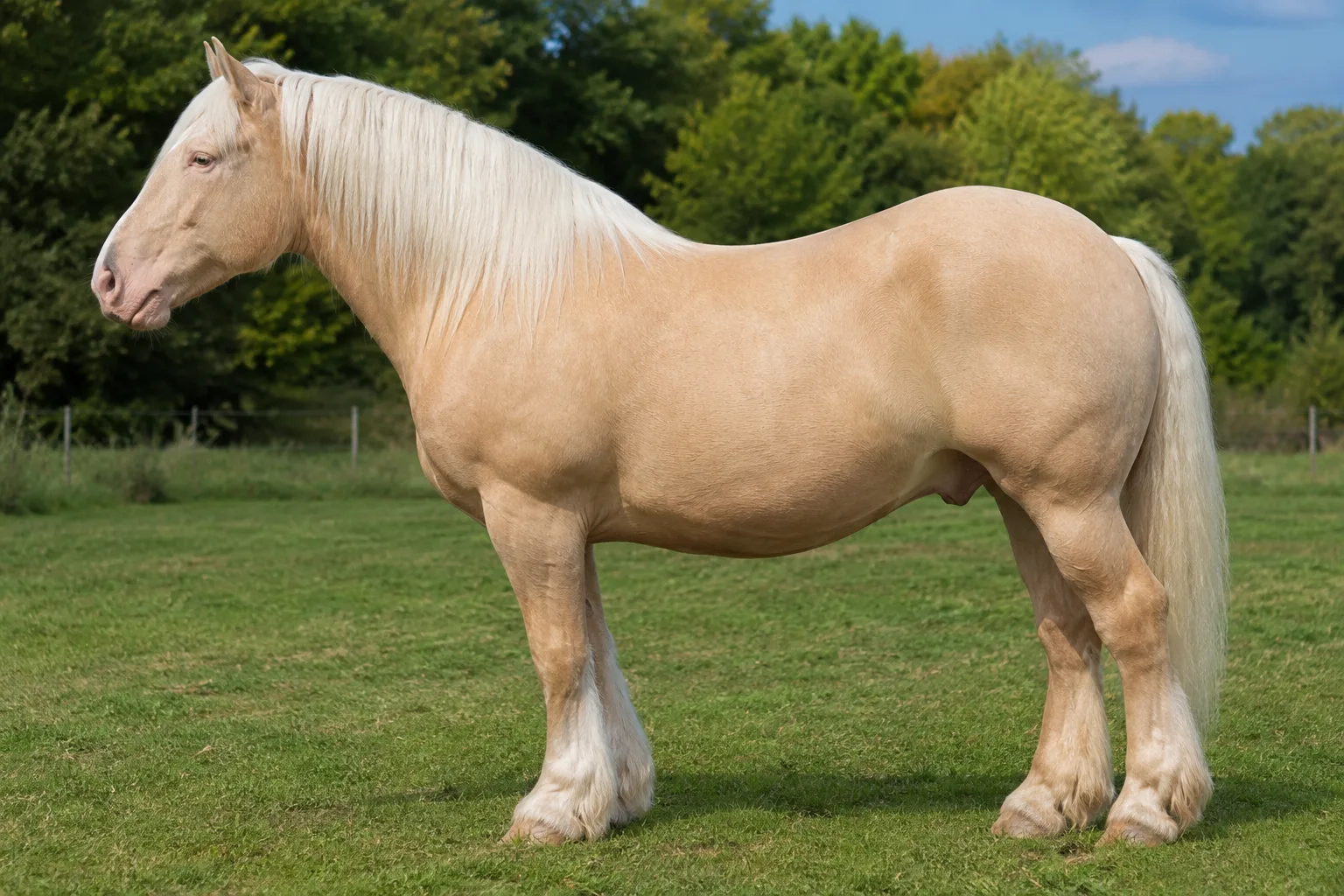
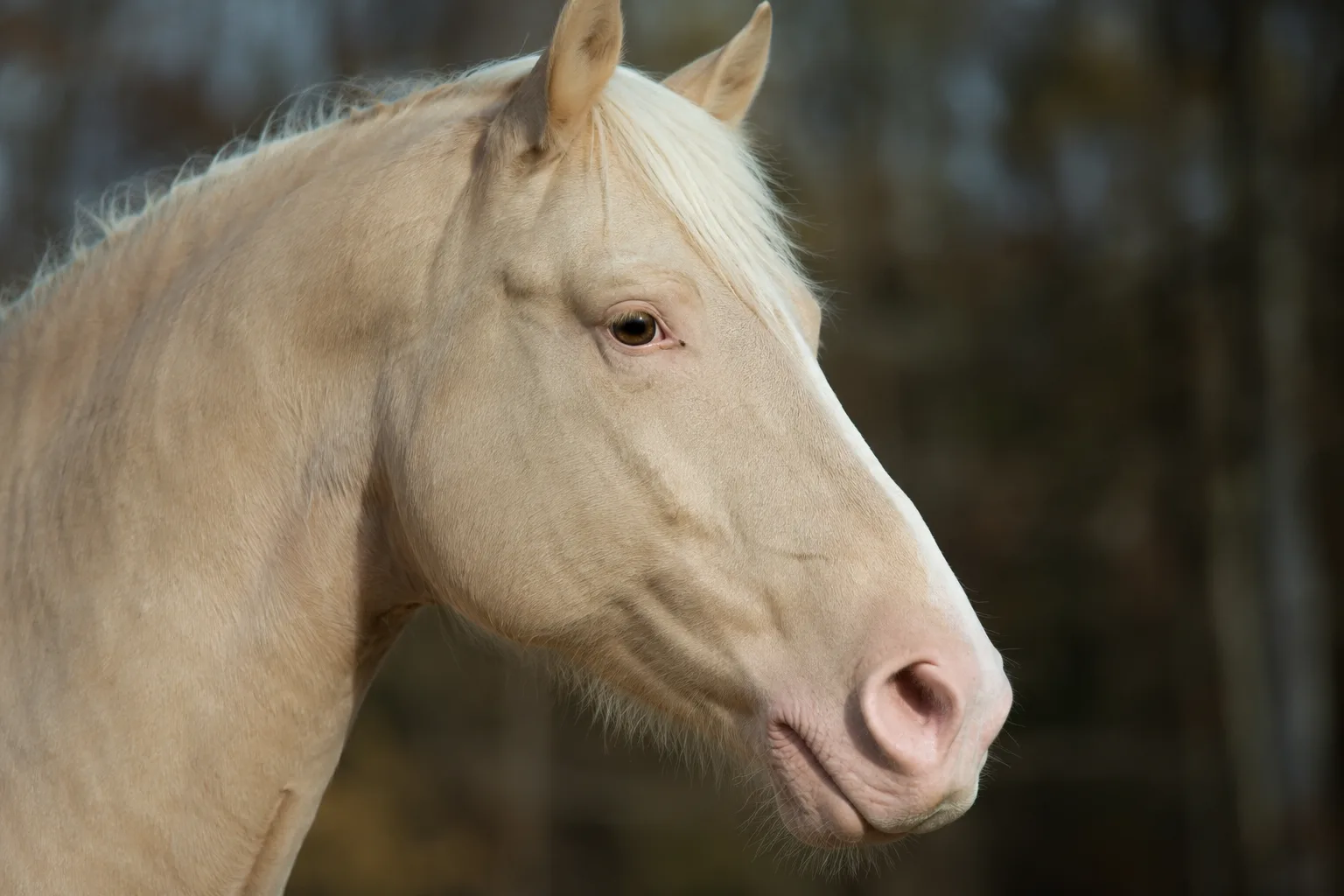
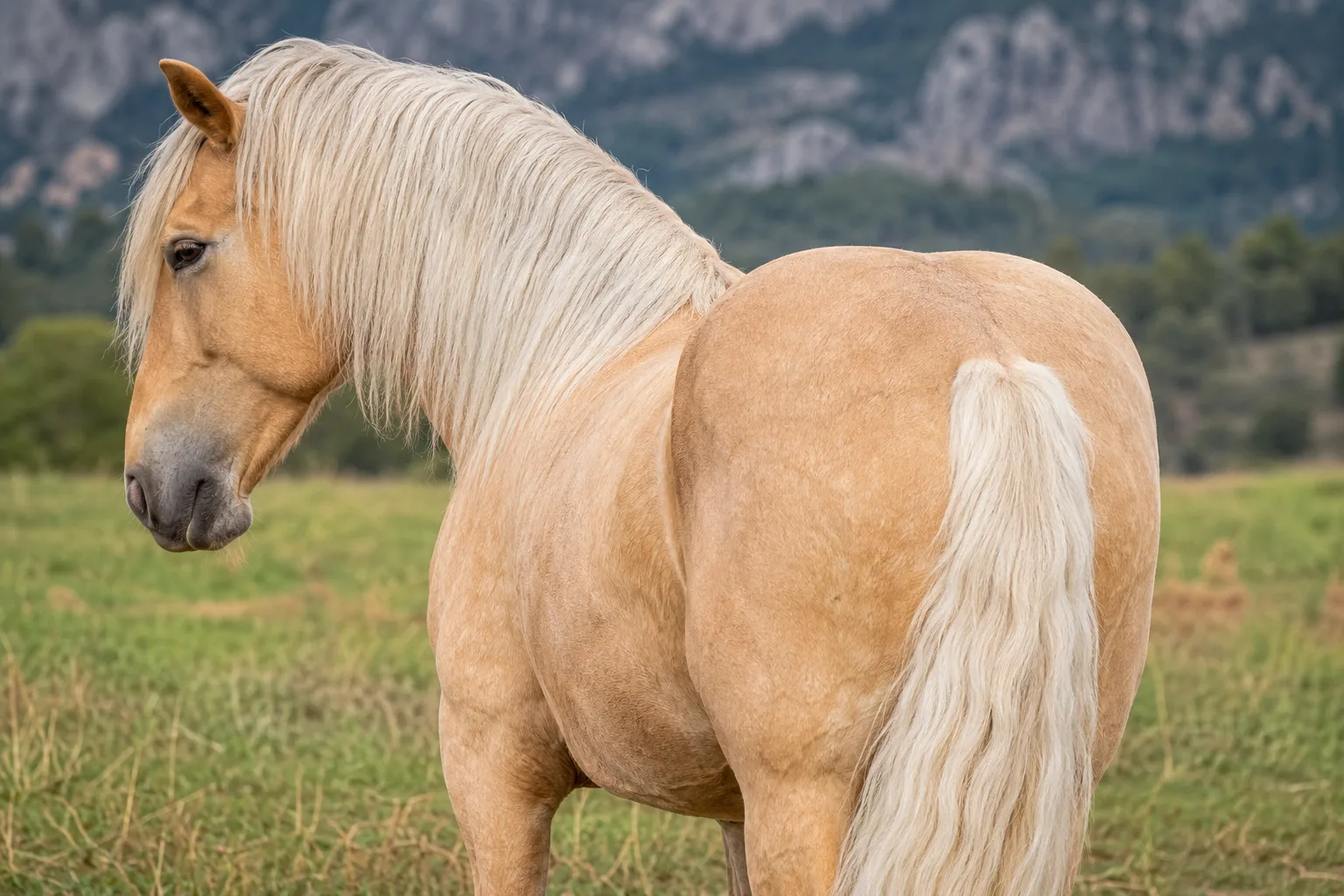
- bay, chestnut, black, grey, palomino, cremello, perlino, dun, grullo, roan, pinto, all coat colors are accepted
- Disciplines
- competitive driving (pleasure driving, obstacle driving), showmanship at halter, hunter, jumper
- Other names
- Miniature Horse, AMHA Miniature Horse
Origin and history
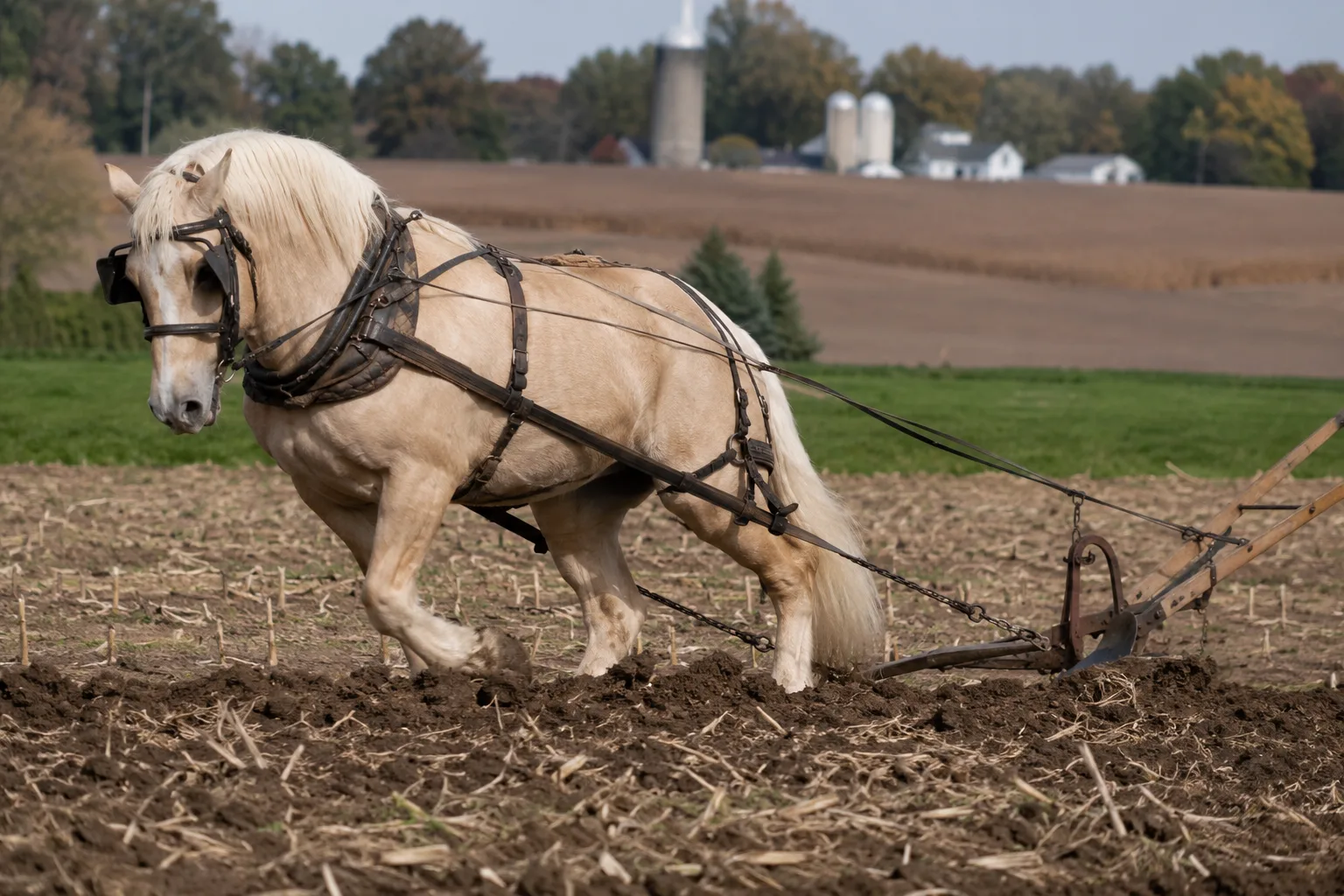
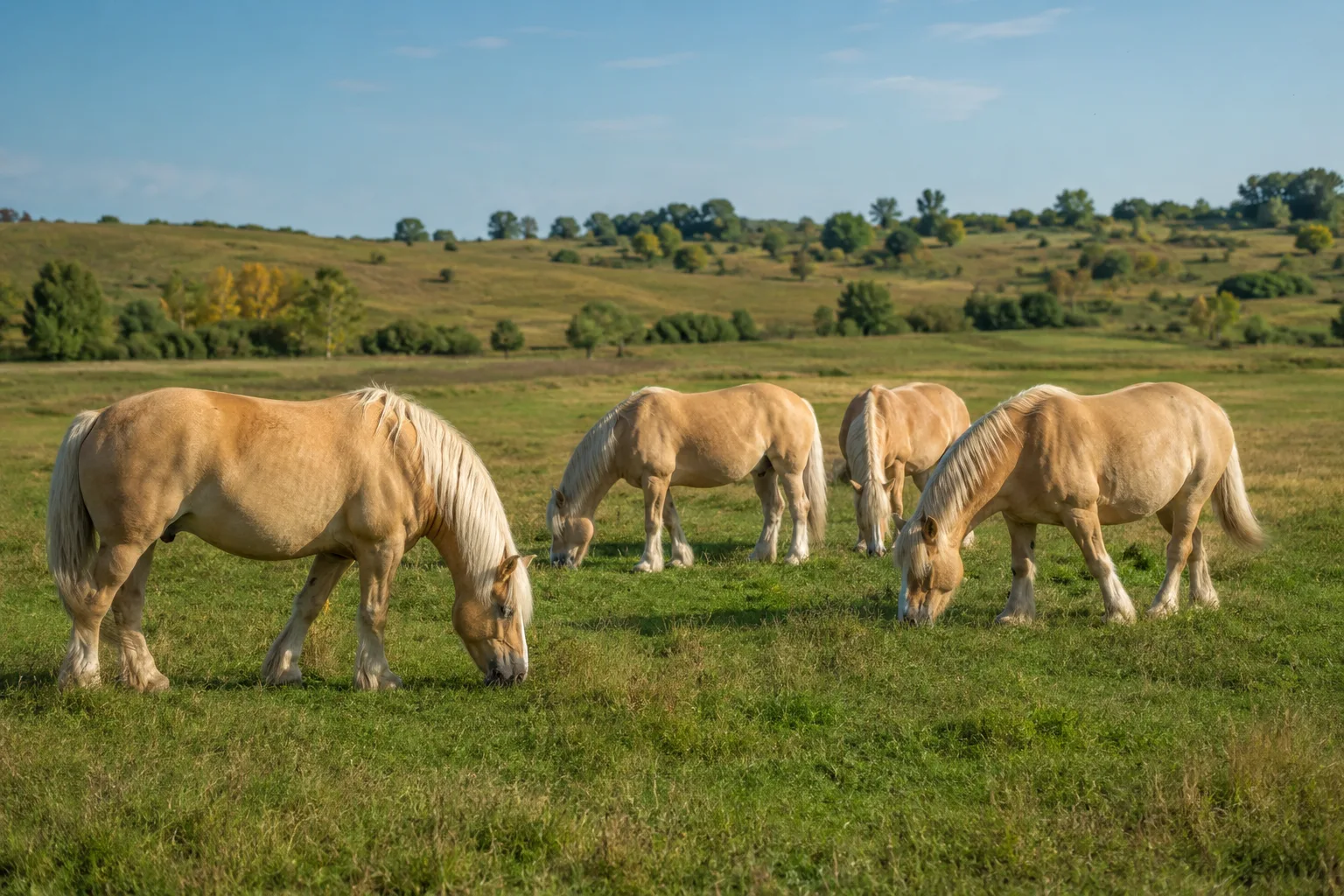
The American Miniature Horse originates from miniature horses imported from Europe in the 19th century, notably English and Dutch mine ponies. Selective breeding with Shetlands and other small breeds helped establish an elegant miniature type. The breed was developed for its small size and gentle temperament, initially serving as curiosities or pets. The American Miniature Horse Association (AMHA) was founded in 1978 to establish the standard and promote the breed.
Conformation and physique
A well-proportioned, elegant, and refined miniature horse, exhibiting the characteristics of a full-sized horse in miniature. The conformation is harmonious, with fine but solid bone structure.
Small, finely chiseled head, with a broad forehead, large expressive eyes, and a straight or slightly concave profile. The ears are small and well-placed.
Long, arched, and well-set neck, blending harmoniously into a well-defined and muscular wither.
Short, strong back, level topline. Deep and broad chest. Long, muscular, and slightly sloping croup, with a high-set tail.
Fine, straight, and correctly set legs, with clean joints and well-defined tendons. The hooves are proportionate and strong. No excessive feathering.
- Common coats: bay, chestnut, black, grey, palomino, cremello, perlino, dun, grullo, roan, pinto, all coat colors are accepted
Temperament and aptitudes
Gentle, intelligent, curious, and very sociable temperament. Easy to handle and train, they are renowned for their patience and affection, making them excellent companions for children and the elderly.
Regular, supple, and energetic gaits with good amplitude. The walk is clear, the trot is airy, and the canter is balanced, reflecting the breed's elegance.
- Uses: companion pony, leisure driving, show presentation, equine-assisted therapy, service horse for people with reduced mobility (guide)
- Disciplines: competitive driving (pleasure driving, obstacle driving), showmanship at halter, hunter, jumper, in-hand obstacle, liberty, costume class
Feeding the American Miniature Horse
The American Miniature Horse is a horse with an efficient metabolism, prone to gaining weight easily. Their diet should primarily consist of good quality forage, low in sugars and starch, fed in small, frequent amounts. Concentrates are generally only necessary for intense work or specific needs (growth, gestation/lactation) and must be carefully selected for their low non-structural carbohydrate (NSC) content.
This breed is predisposed to Equine Metabolic Syndrome (EMS) and laminitis due to its efficient metabolism and tendency to gain weight. Careful monitoring of sugar and starch intake is crucial to prevent these conditions. Weight management is paramount.
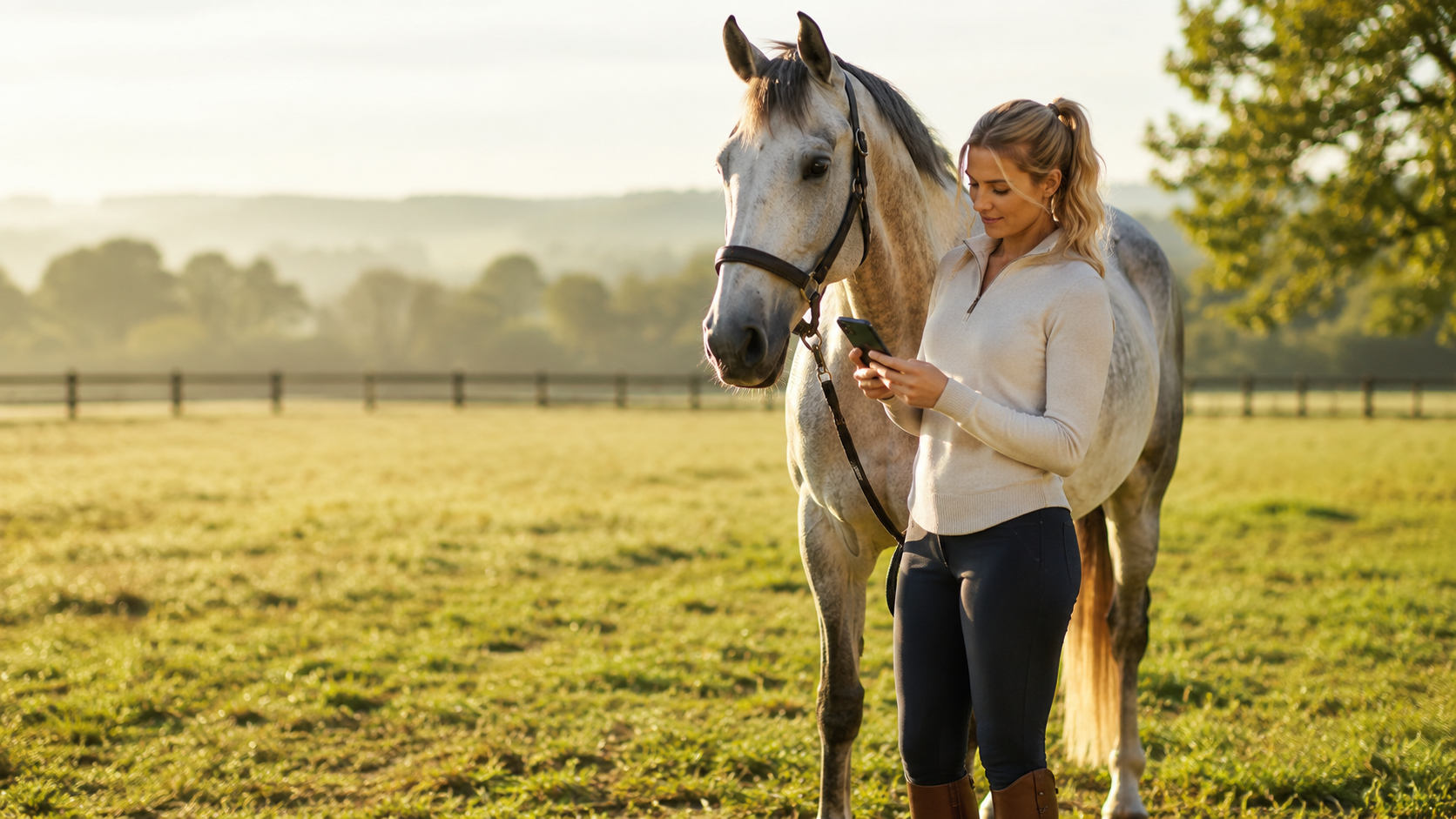
With Equio, every feed, supplement or treat is read against the horse's real profile (age, weight, Body Condition Score, conditions) — useful for a American Miniature Horse as soon as a metabolic or digestive sensitivity is known.
Health and points to watch
Particular attention must be paid to weight management and laminitis prevention through an appropriate diet and regular exercise. Dental monitoring is essential due to their small jaw size and potential dental overcrowding. Regular veterinary check-ups are recommended.
- More frequent conditions: laminitis, Equine Metabolic Syndrome (EMS), hyperlipemia, dental problems (malocclusions), patellar luxation (rare but documented)
Care and grooming
Care is similar to that of a full-sized horse, but adapted to their size. Hoof trimming must be regular and precise to maintain balance. The mane and tail, often long and thick, require frequent brushing to prevent tangles. The coat is easy to maintain, but clipping may be necessary for show horses or in hot weather.
Did you know?
- Despite their small size, American Miniature Horses are full-fledged horses, not ponies, possessing horse-like proportions and conformation.
- They are often used as therapy animals due to their gentle nature and ability to interact with people with reduced mobility or in wheelchairs.
- The record for the world's smallest horse has been held by several American Miniature Horses, including Thumbelina (43 cm) and Einstein (50 cm at birth).
The American Miniature Horse and how to track it
The American Miniature Horse breed is present in France, with passionate breeders and an active community. They are primarily used as companion horses, for recreational driving, and show presentation, gaining popularity for their temperament and versatility.
Equio lets you build a complete profile for a American Miniature Horse: identity, weight, Body Condition Score, feeding, conditions, care reminders (vaccines, worming, trimming) and an exportable health log. The breed sets the identity; everyday decisions still depend on the real horse and your vet's advice.
- Record the activity level: rest, leisure, sport or breeding
- Add known conditions or sensitivities
- Scan feeds, plants and care products
- Keep reminders (vaccines, worming, trimming)
- Prepare a PDF export before a vet appointment
Frequently asked questions
What is the difference between an American Miniature Horse and a Shetland pony?
Although similar in size, the American Miniature Horse is bred to have the proportions and elegance of a full-sized horse in miniature, whereas the Shetland has a stockier, more typical pony conformation. The AMH is considered a miniature horse, not a pony.
Can an American Miniature Horse be ridden?
No, due to their small size and fine bone structure, American Miniature Horses are not intended to be ridden by humans. They are primarily used for driving, in-hand shows, or as companion animals.
What is the price of an American Miniature Horse?
The price varies considerably depending on lineage, conformation, pedigree, age, and training level. An American Miniature Horse can cost from a few thousand to several tens of thousands of euros for high-quality show prospects.
Is the American Miniature Horse suitable for children?
Yes, thanks to their gentle, patient, and affectionate temperament, the American Miniature Horse makes an excellent companion for children. They can teach them the basics of horse care and safe handling, under supervision.
What is the maximum permissible height for an American Miniature Horse?
According to the AMHA (American Miniature Horse Association) standard, the maximum permissible height for an American Miniature Horse is 34 inches (approximately 86.4 cm) at the withers, measured at the last mane hair.