
Golden Rain Tree
Koelreuteria paniculata
Horse
Moderate
Get veterinary advice the same day and remove access. A large consumption of leaves or ingestion of numerous lanterns/seeds fallen on the ground in autumn.
Equio informs, it does not diagnose. When in doubt, call your vet.
What to do now
- Antidote
- No specific antidote. Symptomatic and supportive treatment by the veterinarian.
- Time to signs
- A few hours to 24 hours.
- Prognosis
- Good. Rarely fatal in adult horses, symptoms dissipate after ingestion stops.
- Put the animal on a diet.
- Carefully observe for clinical signs.
- Contact the veterinarian if symptoms appear.
Its ID card
- Height
- 5 m – 15 m
- Flowering
- July to September.
- Toxic parts
- Leaves and black seeds (inside the lanterns).
- Toxin
- Triterpene saponins
- Habitat
- Avenues, parks, landscaped farmyards, public gardens.
- Soil indicator
- Dry, calcareous soils; tolerates drought and urban pollution very well.
- Regions
- Europe (Parks and gardens, widely planted in urban areas)
- In hay
- Yes — stays toxic once dried
- Palatability
- Low (soapy and bitter taste). Horses generally ignore it, unless they have run out of hay or are playing with fallen lanterns.
When the risk rises
September to November (fruit fall).
Spotting it in the field
From a distance, it might be confused with the Ginkgo tree (Ginkgo biloba), but the leaves and fruits are entirely different. — smell : odorless.
- Small tree (5 to 10m).
- Highly dissected (pinnately compound) leaves.
- Summer flowering in large yellow panicles.
- Characteristic lantern-shaped membranous fruits containing hard black seeds.
Signs to watch for
Acute toxicity.
Dose : Difficult to quantify precisely, depends on the amount ingested and individual sensitivity. Significant ingestion of seeds is more concerning.
- Frothy drooling (effect of saponins)
- Moderate to severe colic
- Irritative diarrhea
- Depression and loss of appetite
- Sometimes mild muscle tremors
Who is affected
Other species : Irritant to dogs and other herbivores.
In pregnant mares : no known direct abortifacient risk.
Getting rid of it
Method : Pull up young plants. For mature trees, limit access and collect fallen fruits. Wear gloves when handling plant parts.
- Avoid planting near grazing or watering areas.
- Collect fallen fruits, especially in autumn.
- Ensure horses always have access to quality forage.
Frequently asked questions
Can Equio identify Golden Rain Tree from a photo?
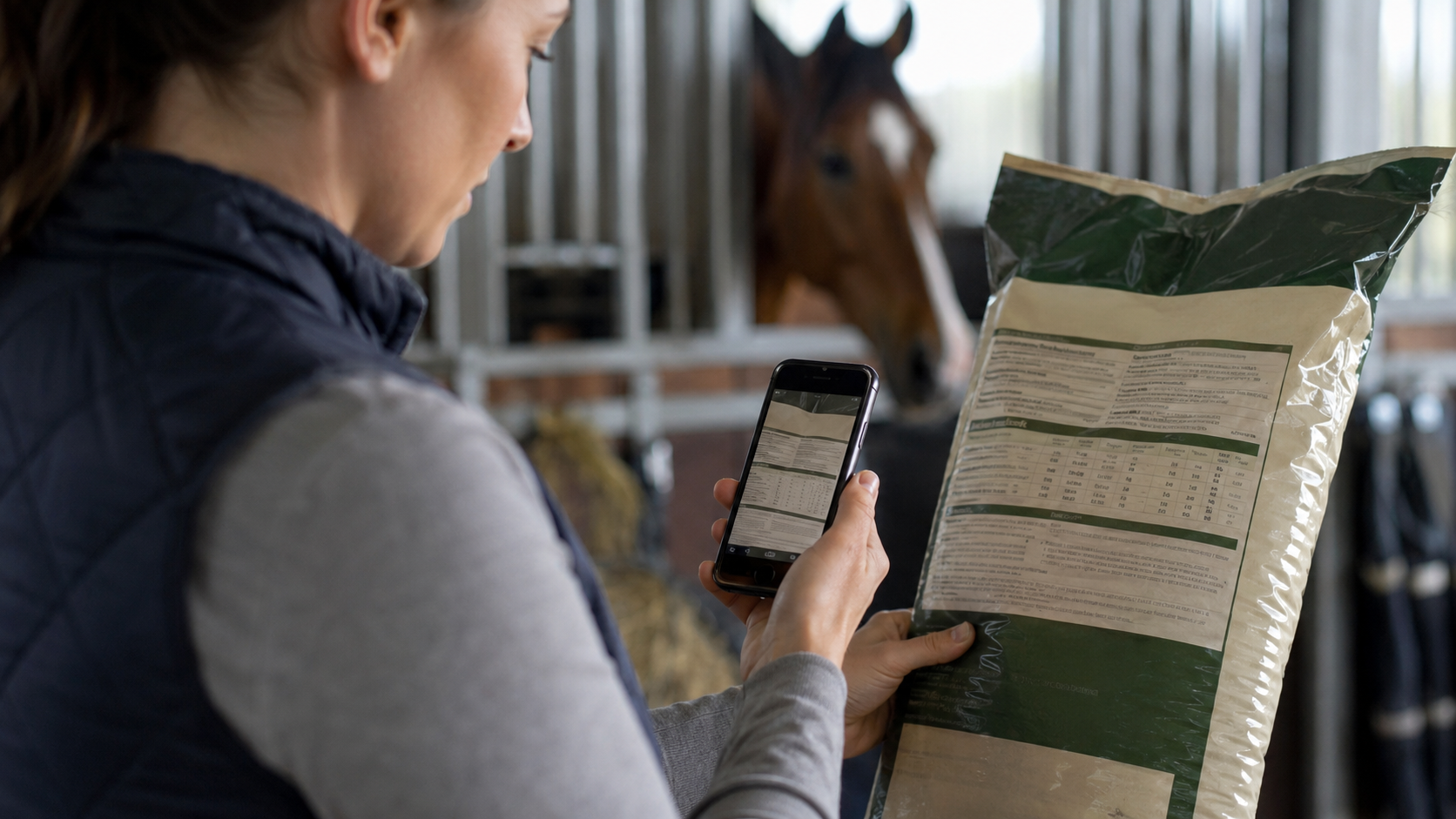
It can help organize visual clues, but plant identification must remain cautious when horse health is at stake.
Is Golden Rain Tree dangerous in hay?
This entry flags hay vigilance. Isolate suspicious forage and ask for professional advice if exposure is possible.
This page is informational. If ingestion is likely, if signs appear, or if the horse is fragile, contact a veterinarian immediately.