
Common Thornapple
Datura stramonium
Horse
Critical
Any suspected ingestion is an immediate veterinary emergency. Extremely low: a few tens of grams of seeds or dried leaves are sufficient.
Equio informs, it does not diagnose. When in doubt, call your vet.
What to do now
- Antidote
- Specific antidotes (neostigmine, physostigmine) under strict veterinary supervision.
- Time to signs
- 15 minutes to a few hours
- Prognosis
- Grave, especially if the dose ingested in forage is significant and not detected in time.
- Absolute veterinary emergency.
- Keep the horse in complete darkness.
- Maintain absolute calm (stimuli worsen nervous crises).
- Contact a veterinarian immediately.
Its ID card
- Height
- 30 cm – 1,5 m
- Flowering
- July to October
- Toxic parts
- Entire plant. The seeds (within the spiny capsule) are veritable toxic bombs.
- Toxin
- Tropane alkaloids (Scopolamine, Hyoscyamine, Atropine)
- Habitat
- Cultivated fields (corn, sunflower), wastelands, debris, vegetable gardens, recently tilled land.
- Soil indicator
- Soils very rich in nitrates, tilled and bare land in summer.
- Regions
- Entire Europe, Cosmopolitan
- In hay
- Yes — stays toxic once dried
- Palatability
- Foul odor (repulsive when growing). Poisoning occurs almost exclusively through hay, silage, or cereals contaminated with seeds.
When the risk rises
August to October (seeds), and year-round via conserved feed.
Spotting it in the field
No common plant (its appearance is very characteristic). — smell : acrid and unpleasant smell when leaves are crushed.
- Thick, smooth stem.
- Large, irregularly toothed leaves (acrid smell when crushed).
- Large, white or purplish, funnel-shaped flowers pointing skyward.
- Fruit resembling a small chestnut burr (spiny capsule) containing hundreds of black seeds.
Signs to watch for
Acute toxicity.
Dose : A few tens of grams of seeds or dried leaves. Less than 100g of seeds can be lethal for a horse.
- Extreme dry mouth and intense thirst
- Vision disorders (extremely dilated pupils)
- Uncoordinated movements, horse seems to 'see things' (hallucinations)
- Impaction colic (halted transit) and bloating
- Convulsions, coma, and death by asphyxiation
Who is affected
Other species : Lethal to all animals and humans. A single seed can severely poison a child.
In pregnant mares : abortion / Maternal death.
Getting rid of it
Method : Uproot plants by hand (wearing gloves) before seed formation. Burn or bury waste deeply to prevent dissemination.
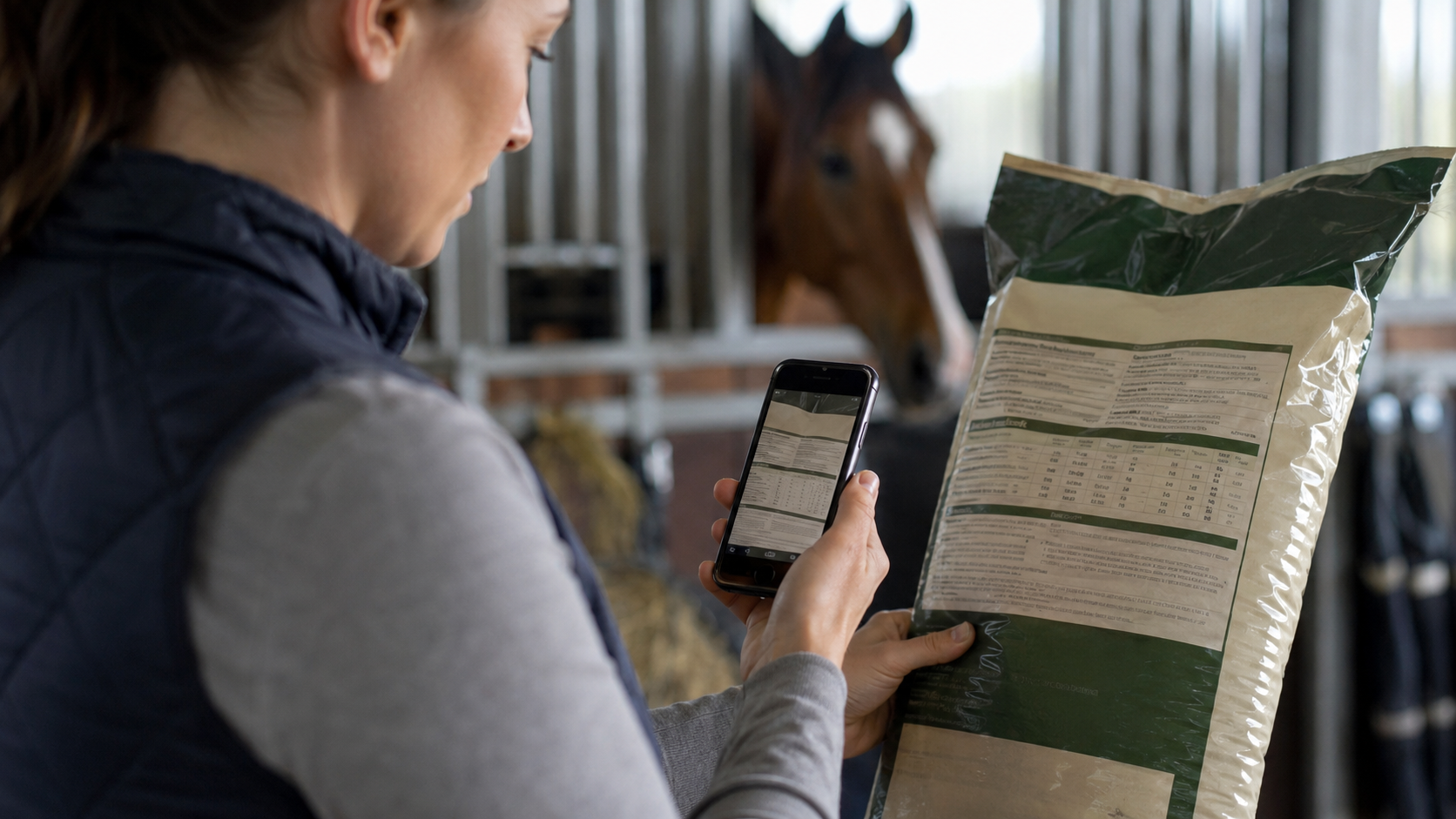
- Meticulously inspect hay and straw before feeding.
- Avoid grazing horses in potentially infested areas.
- Identify and eradicate Datura stramonium plants in pastures and surrounding areas.
Frequently asked questions
Can Equio identify Common Thornapple from a photo?
It can help organize visual clues, but plant identification must remain cautious when horse health is at stake.
Is Common Thornapple dangerous in hay?
This entry flags hay vigilance. Isolate suspicious forage and ask for professional advice if exposure is possible.
This page is informational. If ingestion is likely, if signs appear, or if the horse is fragile, contact a veterinarian immediately.