
Neurological disorders — horse health article
Neurological EHV: signs to watch
This article extends the Neurological EHV page with one clear angle: observing without jumping to conclusions, noting how things change and preparing a useful conversation with the vet. It helps organise the information without making a diagnosis.
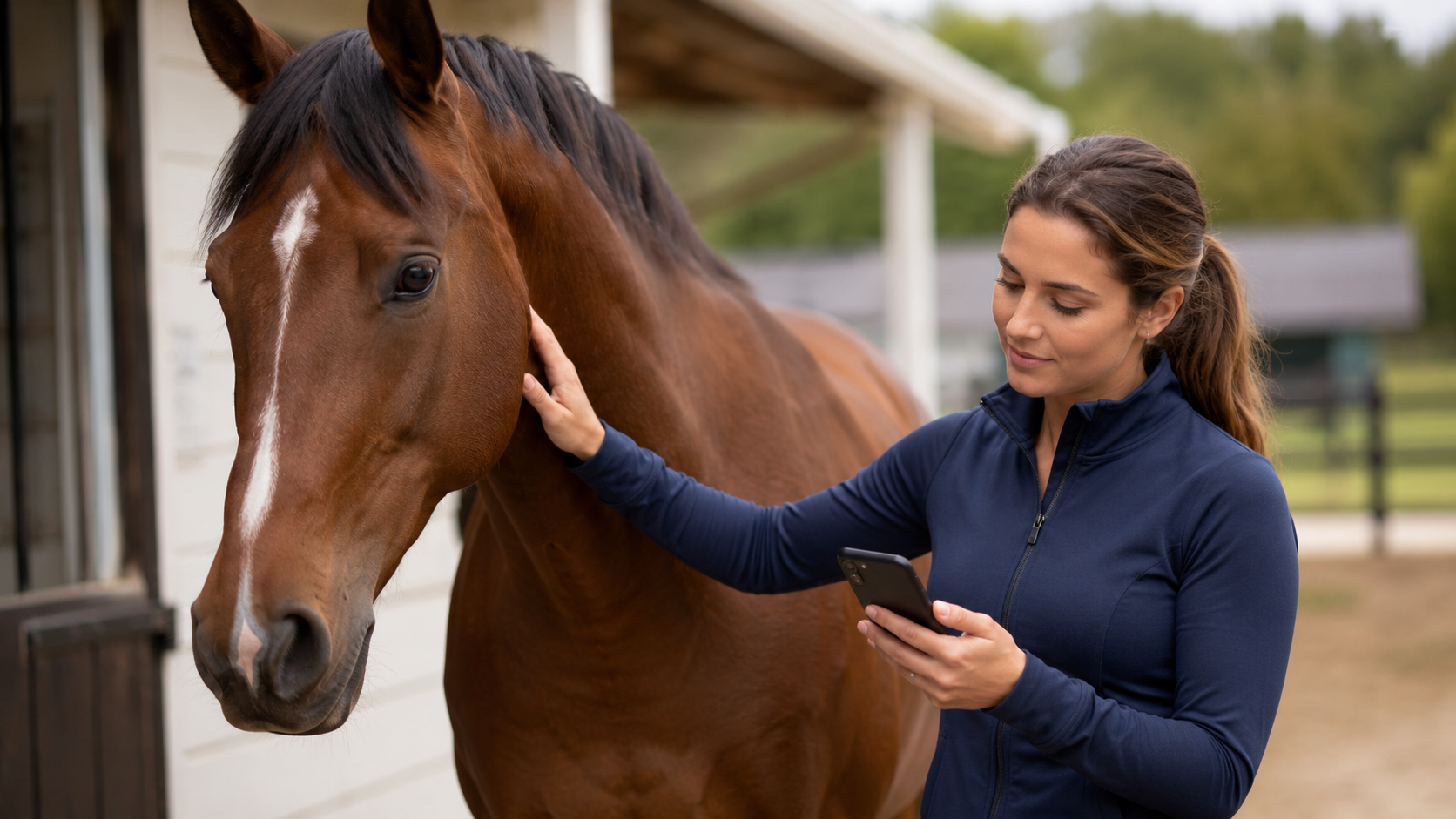
This health content is informational. With pain, an important symptom, worsening or any doubt, the vet remains the priority.
Why this angle matters
For Neurological EHV, the main point to watch is: an emergency, contagion and isolation. The "Signs to watch" angle links that point to the horse's daily life.
Even when a condition is not allergic, irritants, dust, stress, cold, heat or a ration change can blur the picture, so it helps to keep these factors in mind.
Information to gather
The most useful approach is to note verifiable facts, in the order they appear, with recent changes and photos when they add something.
- Time of onset
- Behaviour
- Appetite
- Temperature if known
- Dated photos or videos

What to write in the history
A useful note stays factual: date, time, context, intensity, duration, photos, products used, feed given, a suspicious plant or a change of environment.
The more precise the history, the easier it is to spot a recurring pattern and to pass clear information to the vet.
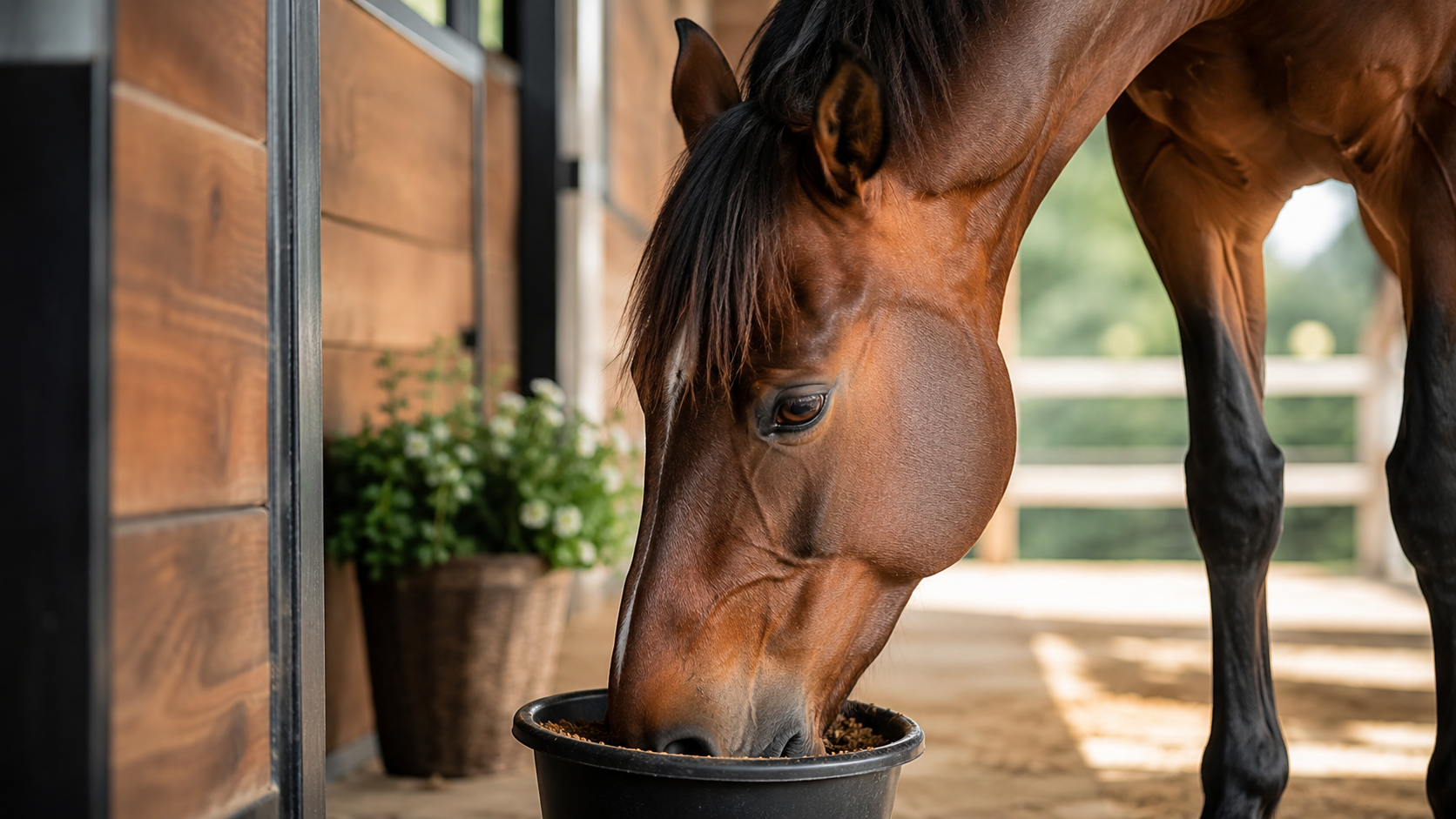
Link with Equio
In Equio, the "Neurological EHV" tag should mainly give context to scans, notes and reminders. The app does not validate a treatment: it keeps the information clean and shareable.
This memory is useful when several people care for the horse or when episodes come back over time.
A richer history also avoids hidden repetitions: the same product given before a sign, the same grazing period, the same hay batch, the same weather or the same lack of movement. These details often help prepare the best questions for the vet.
- Up-to-date horse profile
- Scan history
- Comparable photos
- Care notes
- PDF export if needed
Frequently asked questions
Can Equio diagnose Neurological EHV?
No. The app helps organise information and highlight points to watch, but the diagnosis belongs to the vet.
Why so many health articles?
Because owners' searches are very specific: feeding, symptoms, allergies, plants, emergencies and tracking do not answer the same need.