
Nutrition profile article
Beet pulp for horses prone to laminitis or EMS
This page looks at Beet pulp in the context of horses prone to laminitis or EMS. The central point is sugar, starch, body weight and insulin sensitivity. It is here to connect a specific ingredient to the real horse, without turning a label read into an automatic decision.
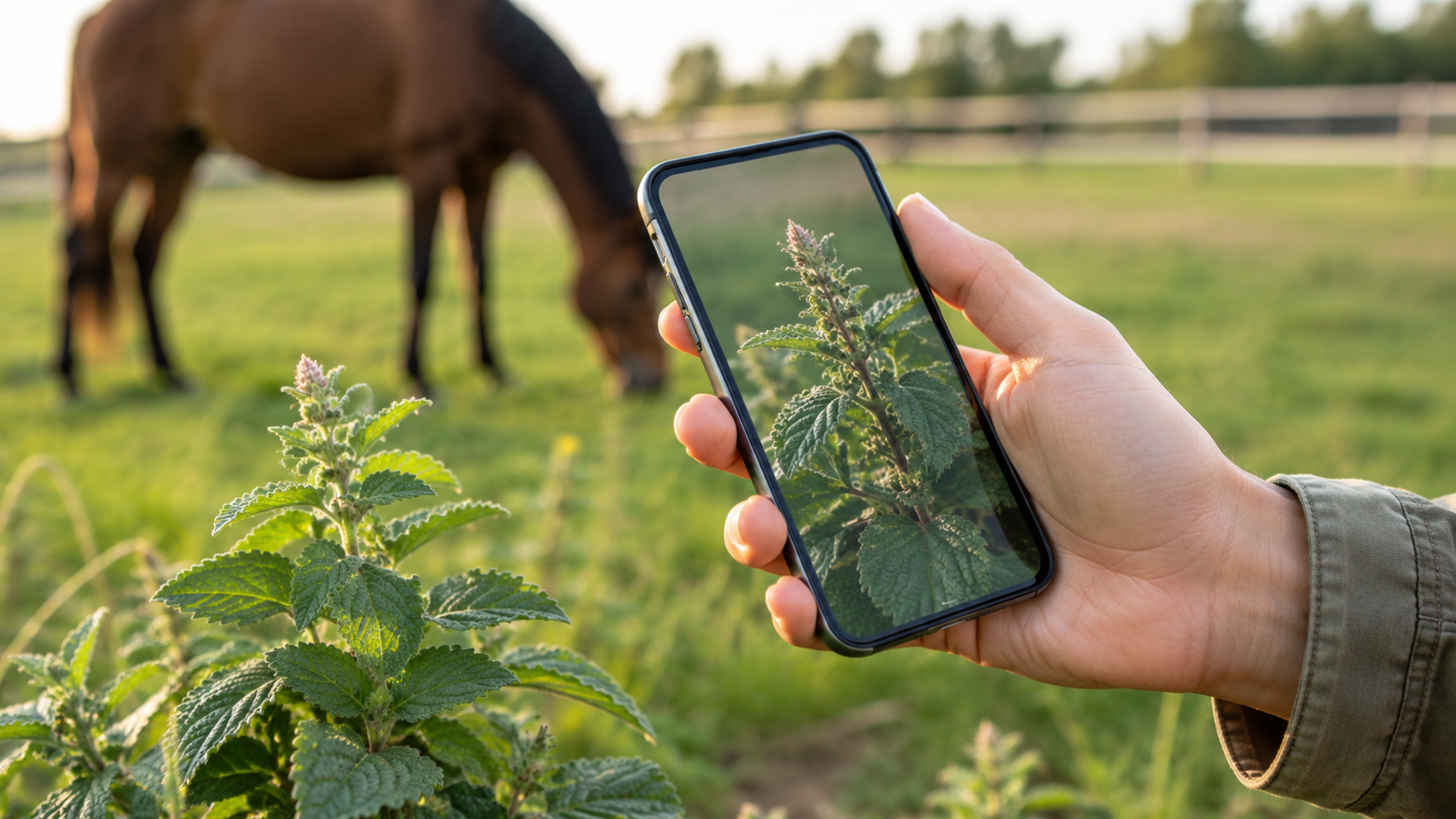
Reading it for this profile
An excellent source of fermentable fibre. It supports gut health and hydration, is low in sugar and is ideal for horses that need a fibre supply without added starch. Beet pulp should be interpreted within the complete ration.
For horses prone to laminitis or EMS, the read has to take in sugar, starch, body weight and insulin sensitivity. The ingredient name is never enough on its own: you need to look at where it sits in the composition, the analytical values and the amount fed.
For this profile, Beet pulp should be compared with the forage, the concentrates already fed, treats, supplements and any veterinary instructions. A coherent ration is not built by stacking products together; it is checked as a whole, with particular attention to overlaps, unnecessary supply and changes made too quickly.
What to check in Equio
The app is useful when the information is entered cleanly. Selecting the right horse before scanning avoids reading a label as if every profile had the same needs.
For horses prone to laminitis or EMS, the history should record when Beet pulp was introduced, the dose fed, the other feeds present and the reactions observed. This does not replace professional advice, but it makes the conversation more precise.
- The horse profile selected before scanning
- Conditions, allergies and restrictions recorded
- The presence of other similar feeds or supplements
- A history of reactions after introduction
- A PDF export if the analysis needs to be shared
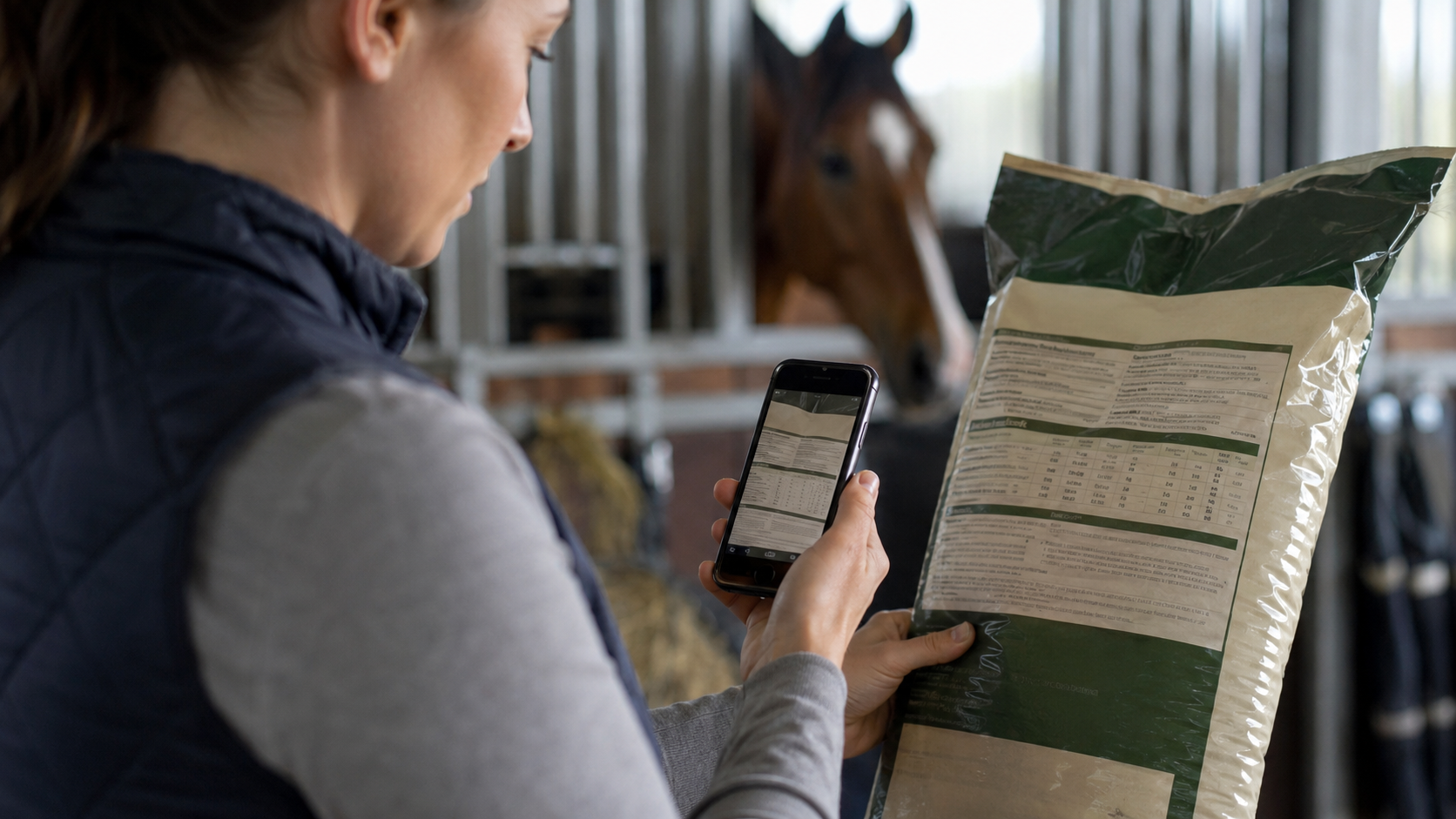
When to seek advice
Veterinary or nutritional advice is recommended if the horse has a health condition, is pregnant, is growing fast, is losing condition or already has a complex ration.
The app helps you prepare the question: it structures the information and stops you forgetting the label, the dose, the profile and the context.
Caution matters even more when one change could have several explanations: new hay, a change of pasture, a drop in activity, a new supplement, ongoing treatment or a change in the environment. To judge Beet pulp, it is therefore better to keep the full timeline rather than an isolated impression.
Frequently asked questions
Can Beet pulp be fed to horses prone to laminitis or EMS?
The answer depends on the dose, the complete ration, the horse's condition and on professional advice if there is any risk.
Is a scan enough to change a ration?
No. A scan helps you read and compare, but any significant ration change should be gradual and supervised if the horse is fragile.