
Horse feeding
Garlic: reading the label for a horse
Garlic comes up often when reading the composition of equine feeds and supplements. The right reflex is to look at the ingredient, the dose, the horse's profile, the forage, the whole ration and the purpose stated by the manufacturer, because the same term can be unremarkable in one formula and far less suitable for a sensitive horse.
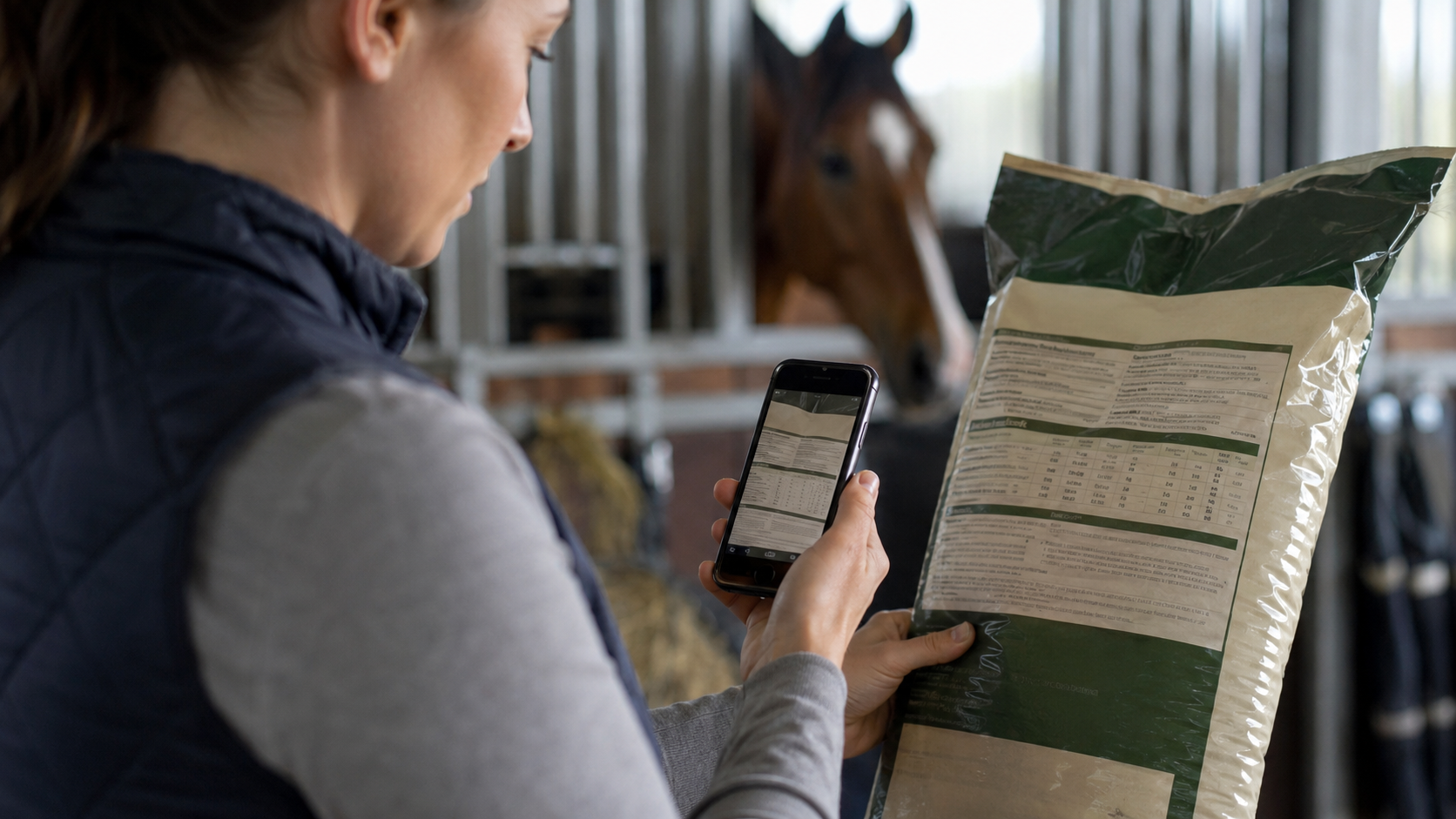
What this ingredient means
On a label, garlic mainly relates to the following aspect: traditional supplement. Its real meaning depends, however, on the overall formulation, the forage, the amount fed and the horse concerned.
Point to watch: to be used with caution, and with professional advice if in doubt.
To judge garlic, avoid reading it in isolation. An ingredient placed at the top of the composition, an additive present only in trace amounts, an energy source mixed with fibre or a supplement fed at a low dose do not create the same situation. The owner therefore needs to connect the label to the real horse: age, workload, body condition, history of laminitis, EMS, PPID, ulcers, hard work, pregnancy, lactation or convalescence.
Questions to ask before feeding
These questions are not meant to replace a ration calculated by a professional, but to spot the grey areas before a purchase or a change. They are especially useful when several people give the meals, when the horse already receives supplements, or when the ration shifts with the seasons.
With garlic, the real amount matters as much as its presence in the list. A small one-off dose, a daily feed, a repeated treat or a complete feed given in large quantities can all change how useful it is and how cautious you should be.
- How much will actually be eaten each day?
- Does the horse have a known sensitivity, a health condition or veterinary follow-up?
- Are there any overlaps with another supplement or feed?
- Is the composition clear, complete and consistent with the stated purpose?
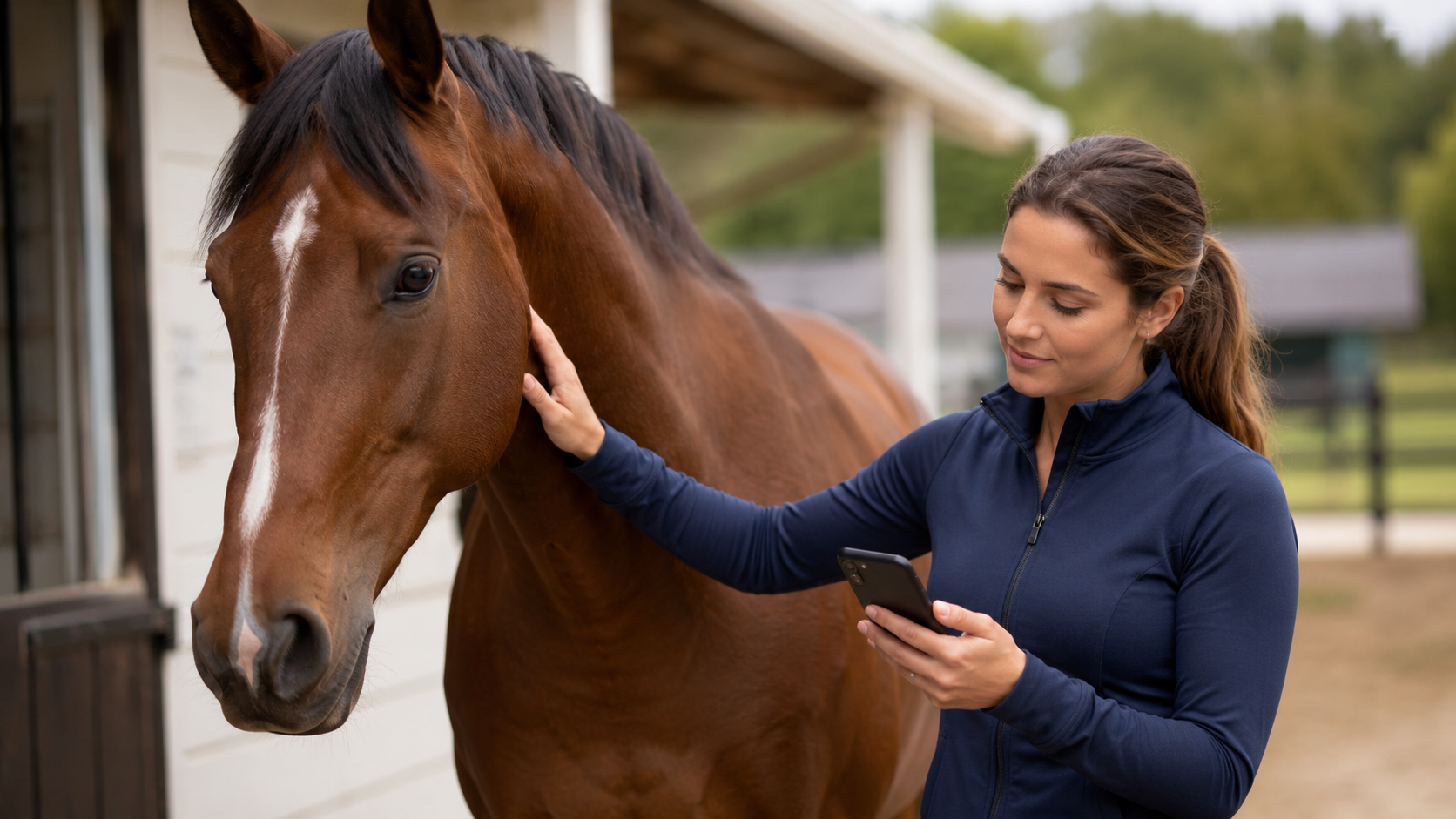
Using Equio on a label
Photograph the composition or copy the ingredient list. For garlic, the app can organise the points to watch, the possible overlaps and the questions to put to a professional.
The analysis is informational: it does not replace a ration calculated by an equine nutritionist or a veterinarian.
The value of the history is that it stops you judging a product on its own. By keeping the scans, the dates of introduction, the amounts and the reactions you observe, you can trace what changed before a loss of condition, stiffness, a digestive reaction, itching or a bout of laminitis. That memory makes the conversation with a professional far more concrete.
Frequently asked questions
Is garlic dangerous for every horse?
No. It all depends on the amount, the context, the horse and the ration. Some profiles call for more caution than others, which is why the whole label and the horse's situation matter.
Why scan the whole label?
A single ingredient is not enough. The order of the ingredients, the additives, the minerals and the analytical values all change how the feed should be read.