
Horse breed
Žemaitukas
The Žemaitukas is a very ancient breed, descending from the wild horses of Eastern Europe. Its development is closely linked to the history of Lithuania, where it served as a war mount for Samogitian knights.
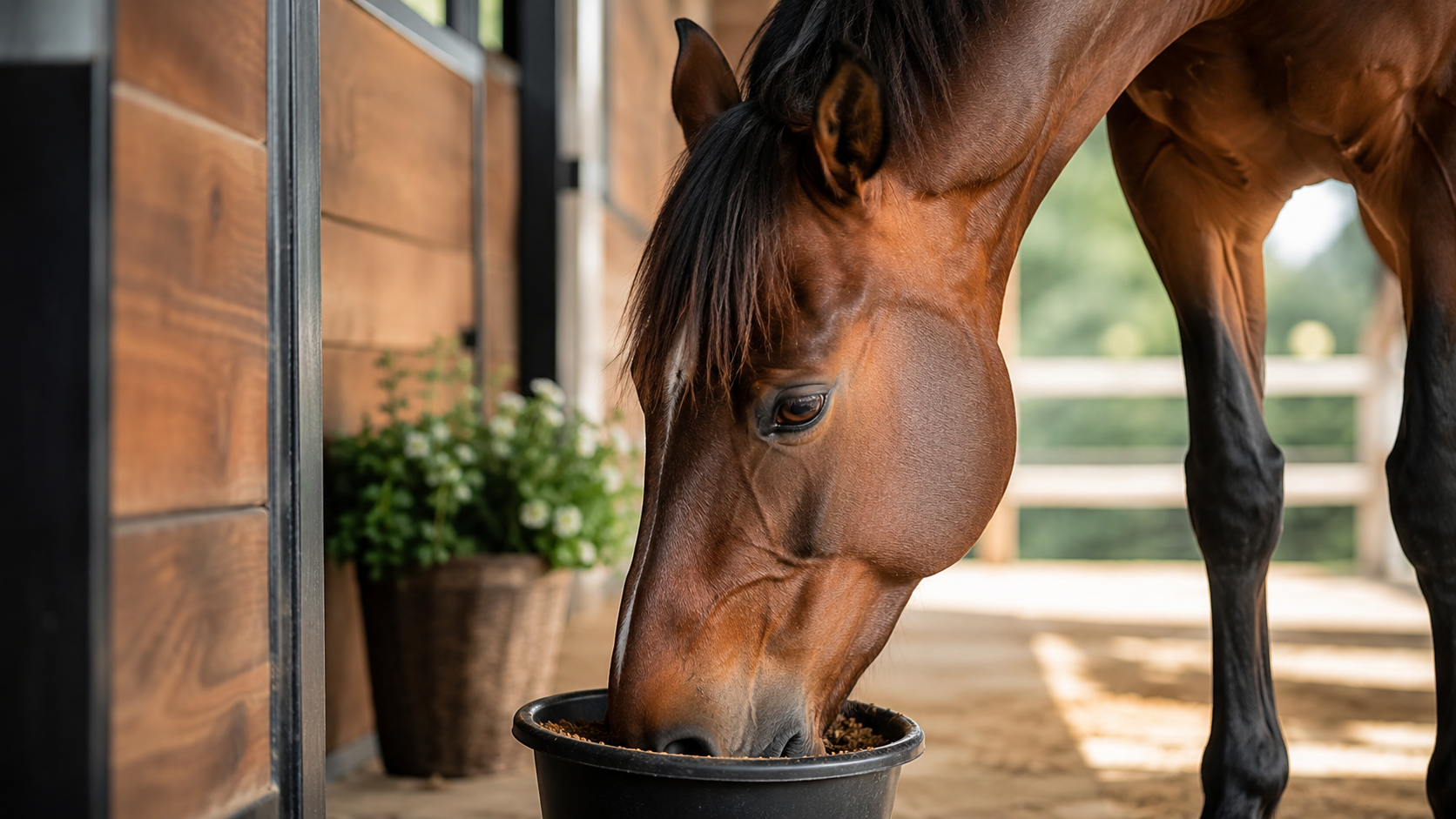
The breed at a glance
The Žemaitukas is renowned for its calm, docile, and courageous temperament. It is intelligent, willing, and very hardy, making it an excellent work and leisure companion, easy to train and reliable.
- Category
- hardy breed
- Origin
- Lithuania · Antiquity / Middle Ages (established in the 13th century)
- Height at withers
- 130–142 cm
- Weight
- 380–420 kg
- Lifespan
- 25-30 years
- Common coats
- bay, black, chestnut, joint mouse, dun
- Disciplines
- equestrian trail riding, leisure driving, working equitation, pony games
- Other names
- Zemaituka, Žemaitukai, Samogitian
Origin and history
The Žemaitukas is a very ancient breed, descending from the wild horses of Eastern Europe. Its development is closely linked to the history of Lithuania, where it served as a war mount for Samogitian knights. The breed was officially recognized, and preservation efforts began in the 19th century, notably by the Ogiński family. After nearing extinction in the 20th century, conservation programs have helped stabilize its population.
Conformation and physique
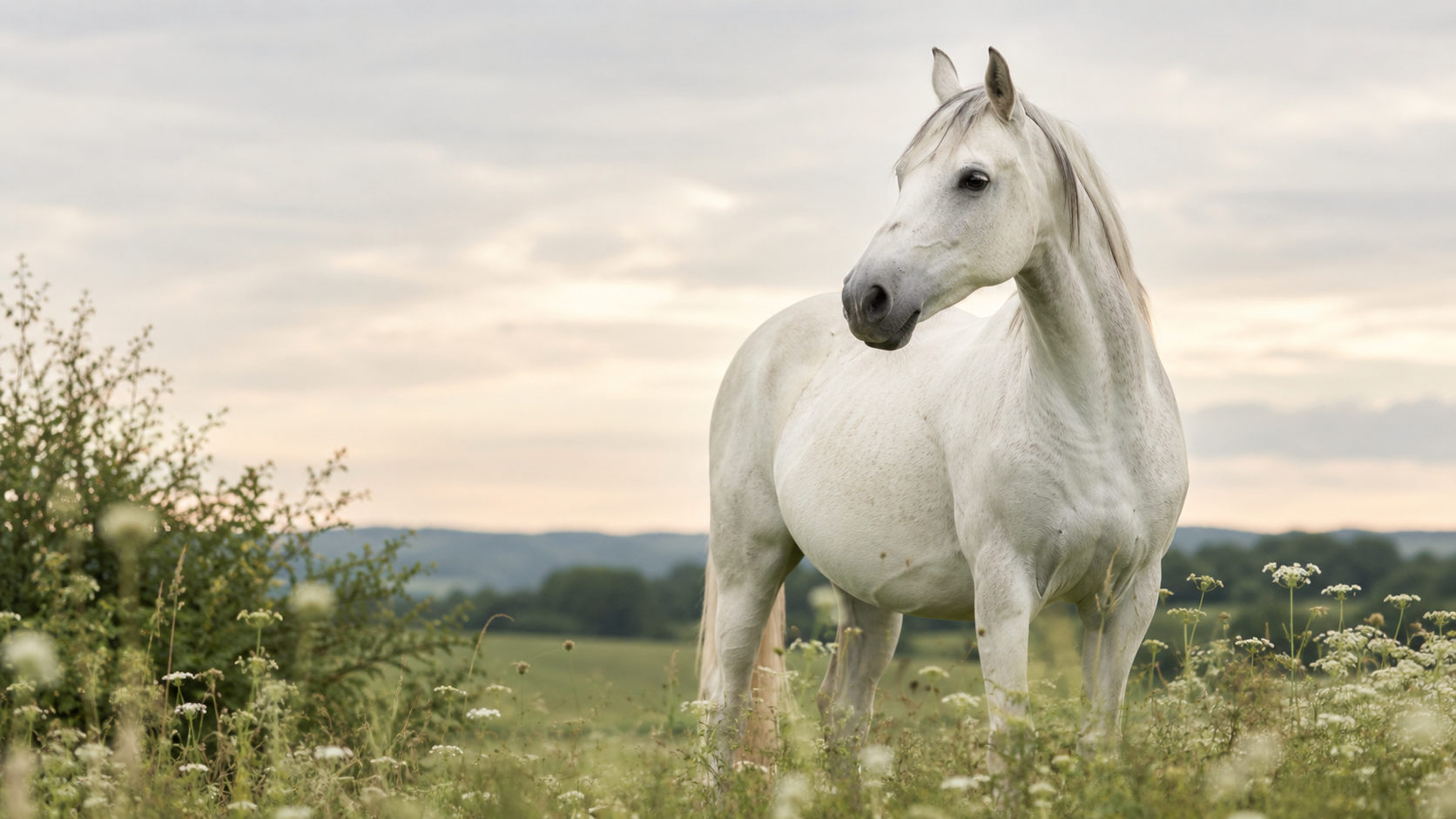
It is a small, compact, and robust horse, with a solid bone structure and well-developed musculature. It presents a typical silhouette of rustic breeds, adapted for survival in difficult conditions.
Medium-sized head, often with a straight or slightly concave profile. The eyes are lively and expressive, the ears small and well-placed. The bridge of the nose is broad.
Short, thick, and muscular neck, well-set. The withers are not very pronounced, blending harmoniously into the back.
Short and strong back, straight topline. The chest is broad and deep, indicative of good respiratory capacity. The croup is muscular, often slightly sloping.
Short, clean, and very strong limbs, with well-defined joints and robust tendons. The hooves are hard and resistant, often with no feathering or very little.
- Common coats: bay, black, chestnut, joint mouse, dun
Temperament and aptitudes
The Žemaitukas is renowned for its calm, docile, and courageous temperament. It is intelligent, willing, and very hardy, making it an excellent work and leisure companion, easy to train and reliable.
Its gaits are energetic, straightforward, and regular, with good impulsion. The walk is active, the trot supple, and the canter balanced, reflecting its agility and robustness.
- Uses: war horse (historical), light draft horse, saddle horse, driving horse, leisure and trail horse, riding for children and beginners, equestrian tourism
- Disciplines: equestrian trail riding, leisure driving, working equitation, pony games, TREC
Feeding the Žemaitukas
The Žemaitukas is a very thrifty breed, accustomed to sparse diets. It has an efficient metabolism and can thrive on medium-quality forage. It tends to gain weight easily if its diet is not controlled. A diet primarily consisting of roughage (hay, grass) is sufficient for most individuals, with concentrates only for horses in intense work or during breeding periods, and always in moderation.
Due to its thrifty metabolism, the Žemaitukas can be predisposed to Equine Metabolic Syndrome (EMS) and laminitis if overfed or given unlimited access to rich pastures. Careful dietary management is crucial to prevent these conditions.
With Equio, every feed, supplement or treat is read against the horse's real profile (age, weight, Body Condition Score, conditions) — useful for a Žemaitukas as soon as a metabolic or digestive sensitivity is known.
Health and points to watch
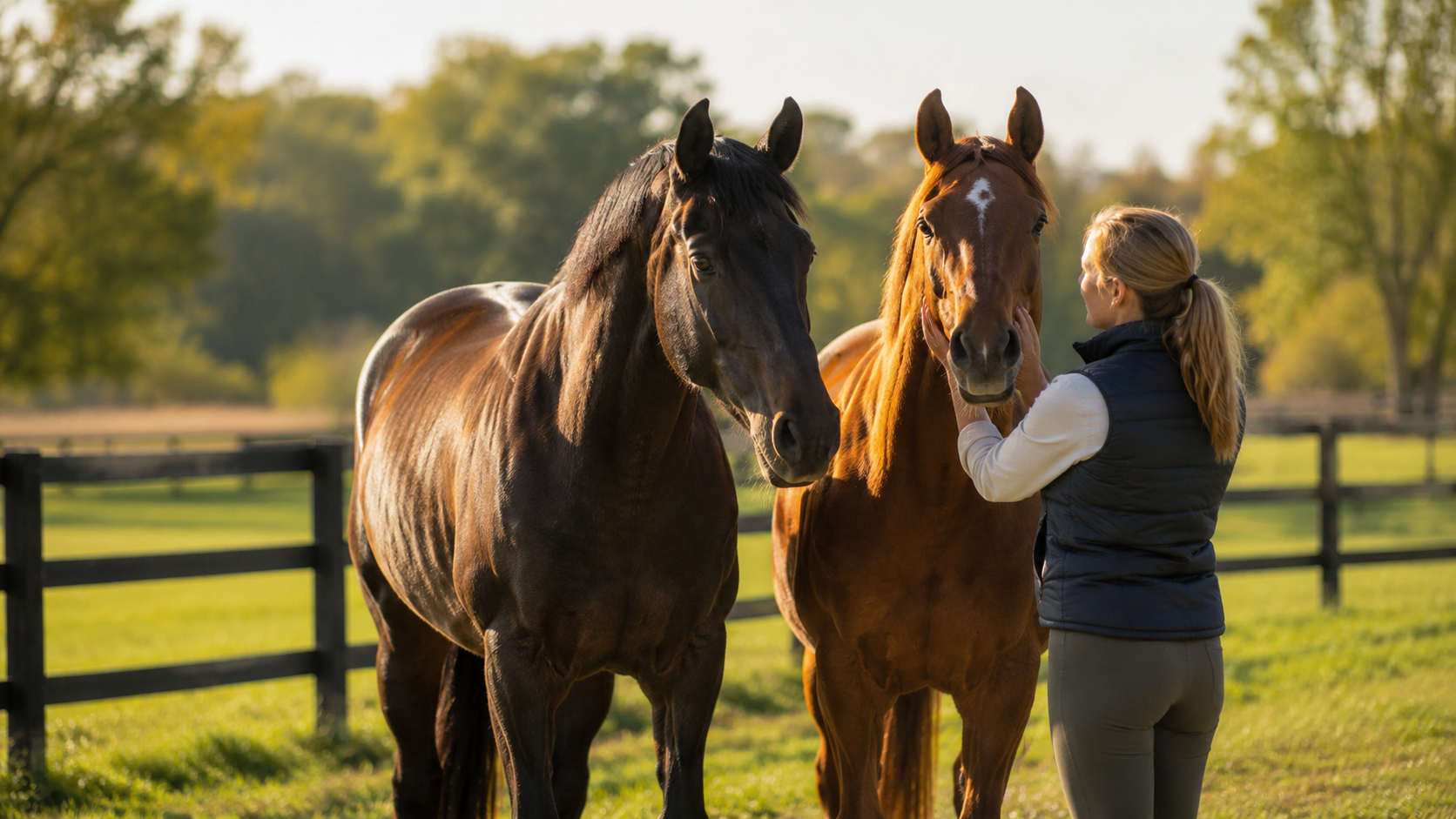
Carefully monitor weight and body condition to prevent obesity. Particular attention should be paid to hoof quality; although generally robust, they require regular maintenance. Annual dental checks are recommended.
- More frequent conditions: laminitis (if overfed), Equine Metabolic Syndrome (EMS)
Care and grooming
Žemaitukas horses are hardy and require little specific maintenance. Their hard hooves need regular trimming but are rarely shod, except for intense work on abrasive terrain. Their manes and tails are often thick and can be left natural. Their dense coat provides good protection from the cold and does not require clipping, except for aesthetic reasons or intense work.
Did you know?
- The Žemaitukas is one of Europe's oldest horse breeds, having survived through the centuries thanks to its hardiness and adaptability.
- It was used as a mount by Lithuanian knights in historical battles, particularly against the Teutonic Knights.
- The breed was saved from extinction in the 20th century by intensive conservation efforts, particularly after World War II.
The Žemaitukas and how to track it
The Žemaitukas breed is very rare in France, with a very limited, if not non-existent, breeding population. The few individuals present are generally imported and used for leisure or as curiosities.
Equio lets you build a complete profile for a Žemaitukas: identity, weight, Body Condition Score, feeding, conditions, care reminders (vaccines, worming, trimming) and an exportable health log. The breed sets the identity; everyday decisions still depend on the real horse and your vet's advice.
- Record the activity level: rest, leisure, sport or breeding
- Add known conditions or sensitivities
- Scan feeds, plants and care products
- Keep reminders (vaccines, worming, trimming)
- Prepare a PDF export before a vet appointment
Frequently asked questions
Is the Žemaitukas suitable for beginners?
Yes, thanks to its calm, docile temperament and small size, the Žemaitukas is an excellent horse for beginners and children. It is patient and learns quickly, which makes it easy to train.
What is the purchase cost of a Žemaitukas?
The purchase cost can vary considerably. In Lithuania, it is generally affordable. Outside its country of origin, its rarity can increase its price, especially when including import fees. It is difficult to give a precise price without knowing the local market.
Can the Žemaitukas live outdoors all year round?
Absolutely. Its hardiness, dense coat, and adaptation to harsh climates make it perfectly suited to live outdoors all year round, provided it has natural or artificial shelter from the elements.
Is this breed suitable for driving?
Yes, the Žemaitukas is traditionally used for light driving. Its strength, hardiness, and willing temperament make it an excellent driving horse for leisure or light agricultural work.
What are the main qualities of the Žemaitukas?
Its main qualities are its hardiness, longevity, calm and courageous temperament, endurance, and frugality. It is a versatile, resilient, and easy-to-manage horse.