
Horse breed
Swedish Coldblood Trotter
The Swedish Coldblood Trotter originated from crosses between local Swedish working horses and Norwegian trotters (Dølehest). The objective was to create a robust and fast horse for trotting races on ice and snow.
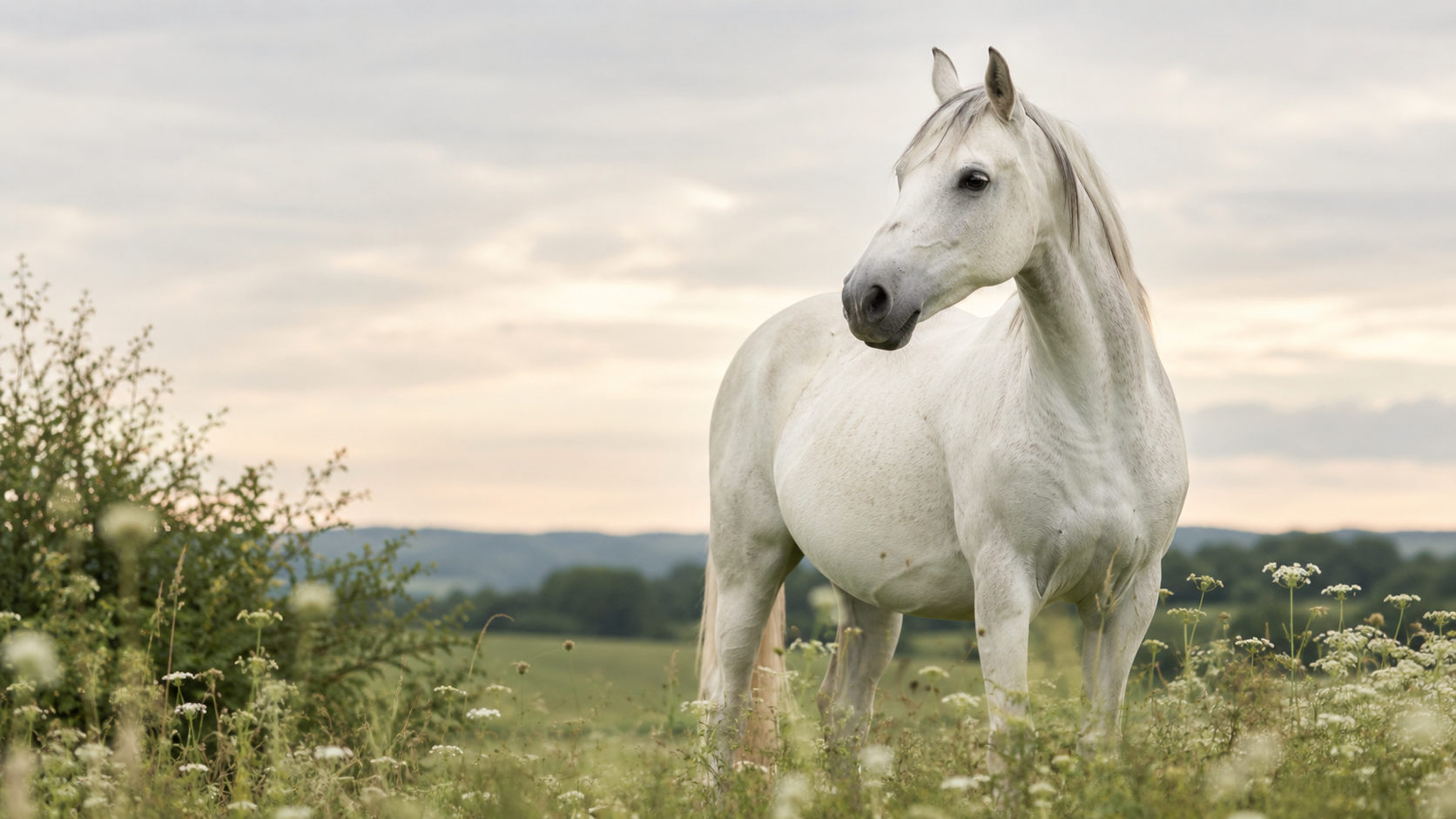
The breed at a glance
It is a generally calm, willing, and cooperative horse, with a good working temperament. It is renowned for its robustness and its ability to withstand harsh climatic conditions.
- Category
- sport horse
- Origin
- Sweden · Late 19th century - Early 20th century
- Height at withers
- 150–160 cm
- Weight
- 450–550 kg
- Lifespan
- 20-25 years
- Common coats
- bay, chestnut, black
- Disciplines
- Harness racing
- Other names
- Kallblodstravare, Coldblood Trotter
Origin and history
The Swedish Coldblood Trotter originated from crosses between local Swedish working horses and Norwegian trotters (Dølehest). The objective was to create a robust and fast horse for trotting races on ice and snow. The breed was officially recognized in Sweden in the early 20th century, sharing a studbook with the Norwegian Coldblood Trotter until 1964. Today, it is primarily used for harness racing.
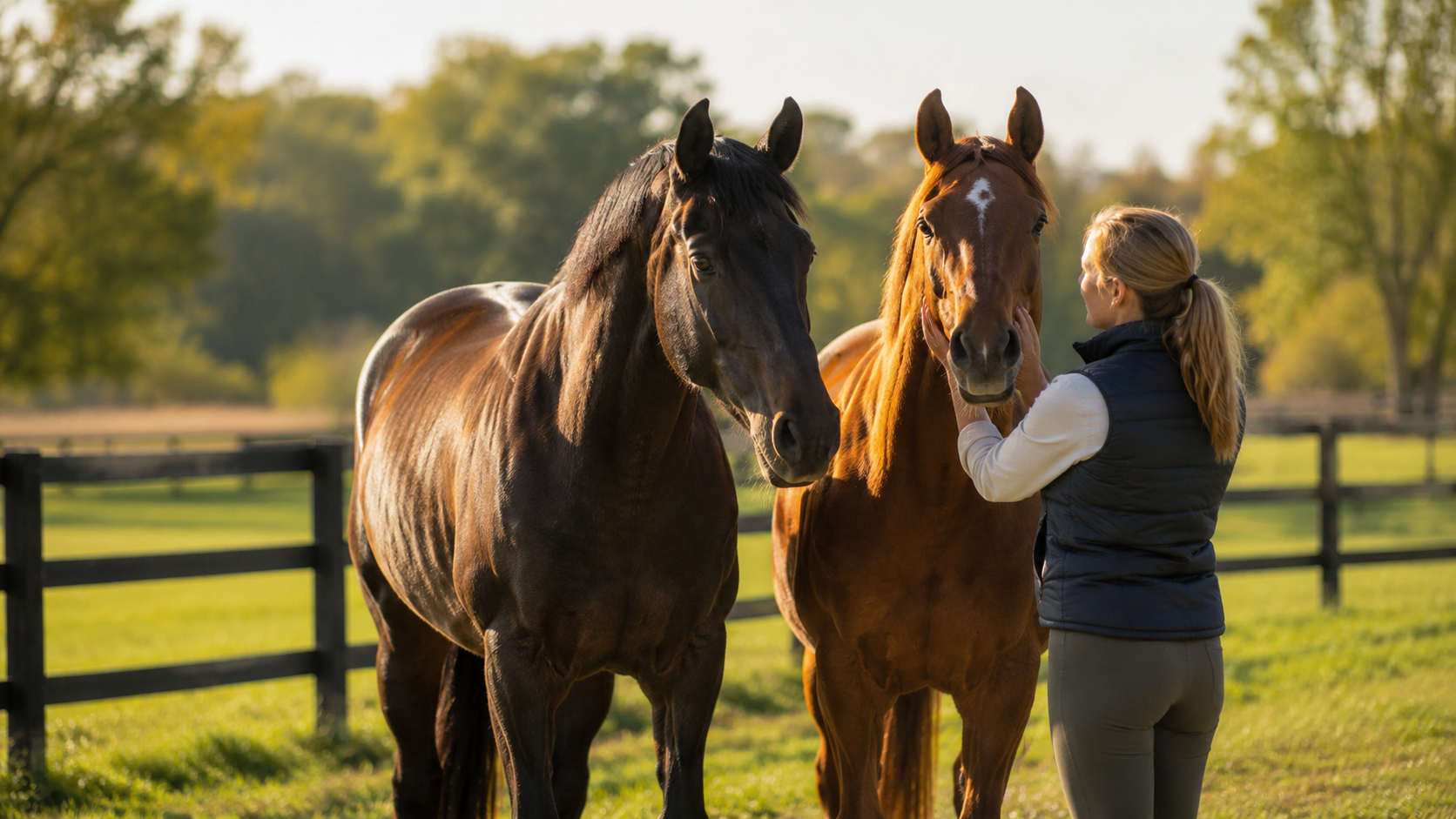
Conformation and physique
It is a medium-sized horse with an athletic and muscular build, while retaining the bone structure and constitution of a working horse. It is heavier and more compact than warmblood trotters.
Medium-sized, well-proportioned head, with a straight or slightly convex profile. The eyes are expressive and the ears are medium-sized.
Muscular and well-set neck, of medium length, blending harmoniously into a well-defined and muscular wither.
Relatively short and strong back, solid topline. Broad and deep chest. Muscular and slightly sloping croup.
Strong and well-muscled limbs, with broad joints and well-defined tendons. Feathers are present but not excessive.
- Common coats: bay, chestnut, black
Temperament and aptitudes
It is a generally calm, willing, and cooperative horse, with a good working temperament. It is renowned for its robustness and its ability to withstand harsh climatic conditions.
The Swedish Coldblood Trotter is selected for its fast, regular, and powerful trot. It has good stride length and great stamina at this gait.
- Uses: Harness racing, Leisure horse, Driving
- Disciplines: Harness racing
Feeding the Swedish Coldblood Trotter
The Swedish Coldblood Trotter has a rather efficient metabolism, inherited from its hardy ancestors. It tends to utilize forage well. A diet rich in good quality fiber (hay ad libitum) is essential. Concentrate requirements should be adjusted according to the intensity of work, but it is less demanding than warmblood trotters.
Although generally robust, like any working horse, it can be prone to obesity if its diet is not adjusted to its activity level. It has no documented predisposition to specific metabolic syndromes like EMS or PSSM, but a diet too rich in sugars and starch should be avoided to prevent the risk of laminitis.
With Equio, every feed, supplement or treat is read against the horse's real profile (age, weight, Body Condition Score, conditions) — useful for a Swedish Coldblood Trotter as soon as a metabolic or digestive sensitivity is known.

Health and points to watch
Regular monitoring of conformation and feet is essential due to the intensity of trot training. Particular attention should be paid to joint and tendon management to prevent performance-related injuries.
- More frequent conditions: Joint problems related to intensive training, Respiratory conditions (as with all racehorses)
Care and grooming
Care is typical for a sport horse: regular hoof trimming, daily grooming. Mane, tail, and feathers are generally left natural. Clipping may be necessary during periods of intense work to facilitate thermoregulation.
Did you know?
- The Swedish Coldblood Trotter shared a common studbook with the Norwegian Coldblood Trotter (Dølehest) until 1964, at which point the two breeds were separated.
- These horses are renowned for their endurance and ability to race on snowy or icy tracks, a strong tradition in Nordic countries.
- Despite their 'coldblood' designation, they are high-level athletes in their discipline, harness racing.
The Swedish Coldblood Trotter and how to track it
The breed is very rarely found in France, with breeding primarily concentrated in Sweden and Norway. A few individuals may be imported for specific trotting bloodlines.
Equio lets you build a complete profile for a Swedish Coldblood Trotter: identity, weight, Body Condition Score, feeding, conditions, care reminders (vaccines, worming, trimming) and an exportable health log. The breed sets the identity; everyday decisions still depend on the real horse and your vet's advice.
- Record the activity level: rest, leisure, sport or breeding
- Add known conditions or sensitivities
- Scan feeds, plants and care products
- Keep reminders (vaccines, worming, trimming)
- Prepare a PDF export before a vet appointment
Frequently asked questions
What is the difference between a cold-blooded trotter and a warm-blooded trotter?
Cold-blooded trotters are generally heavier, more robust, and have a calmer temperament than warmblood trotters. They originate from local working horses and are adapted to harsh climates, whereas warmblood trotters (such as the French Trotter or the Standardbred) are lighter and faster, resulting from crosses with Thoroughbreds.
Is the Swedish Coldblood Trotter suitable for beginners?
Thanks to its calm and cooperative temperament, it can be suitable for beginner or intermediate riders for pleasure riding, provided they have a good understanding of basic horsemanship and equine care. For trotting competitions, experience is required.
Where can one buy a Swedish Coldblood Trotter in France?
It is very difficult to find a Swedish Coldblood Trotter in France, as the breed is primarily raised in Sweden and Norway. Purchasing one would likely require direct importation from these countries.
What is the cost of keeping a Swedish Coldblood Trotter?
The cost of keeping is comparable to that of a similarly sized horse, but potentially a bit more economical in terms of feeding due to its metabolism. Veterinary and farriery costs are standard, with increased vigilance on the limbs for racehorses.
Can a Swedish Coldblood Trotter be ridden?
Yes, although it is primarily used for harness racing, its calm temperament and robustness make it a good riding horse for pleasure, trail riding, or even disciplines like light dressage, provided it receives appropriate training.