
Horse breed
Coldblood Trotter
The Coldblood Trotter is a breed developed in Scandinavia, primarily in Norway and Sweden, from local light draft horse breeds such as the Norwegian Dølehest and the Swedish North Swedish Horse. The goal was to create a fast yet robust harness racing horse, capable of working in harsh climatic conditions.
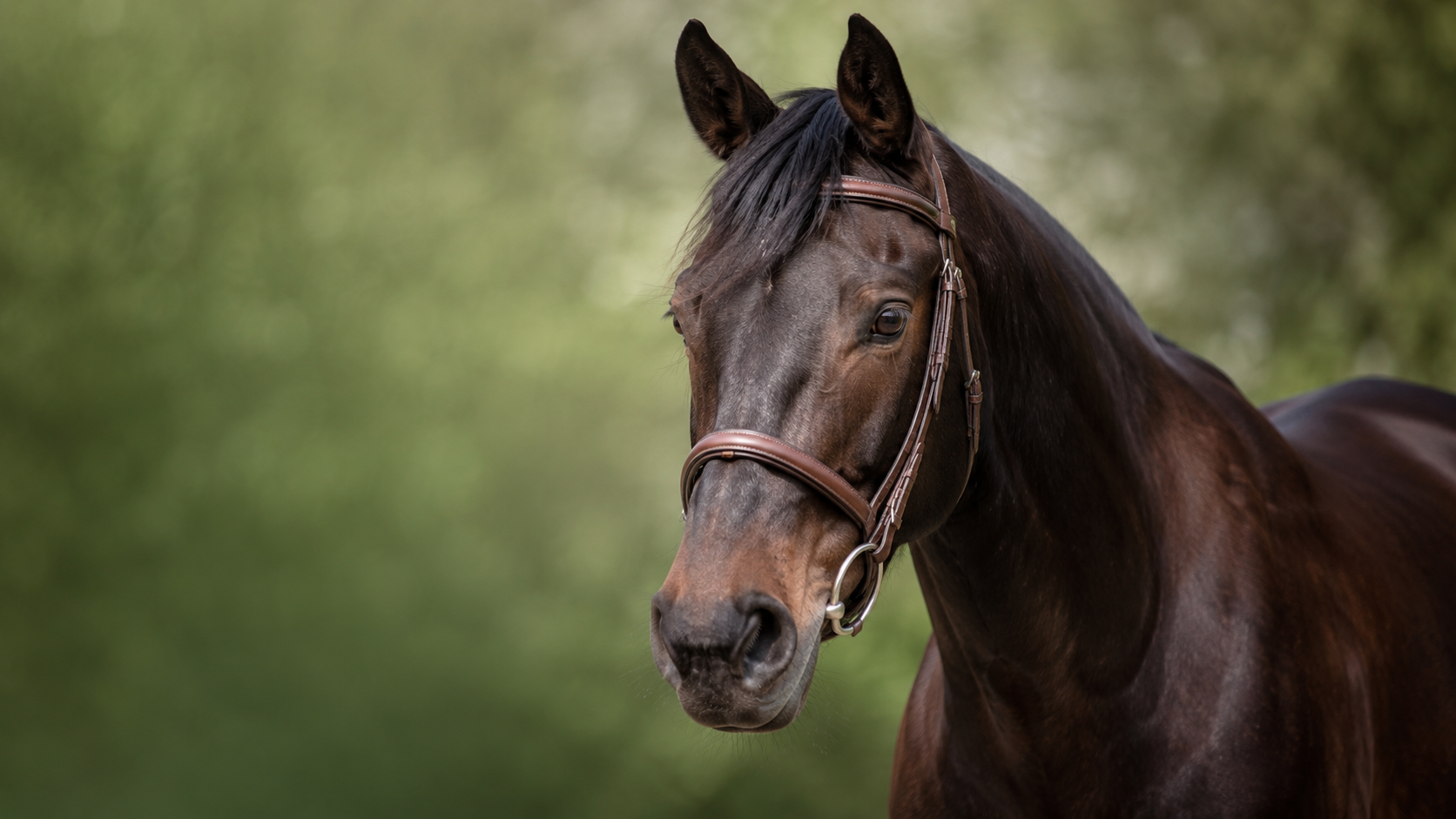
The breed at a glance
It is generally a calm, willing, and courageous horse with a good temperament. It is known for its mental toughness and ability to withstand intensive training, while remaining easy to handle.
- Category
- sport horse
- Origin
- Norway and Sweden · Late 19th century - early 20th century
- Height at withers
- 148–156 cm
- Weight
- 400–550 kg
- Lifespan
- 25-30 years
- Common coats
- bay, chestnut, black, grey
- Disciplines
- Harness trotting, Ridden trotting
- Other names
- Coldblood Trotter, Norsk Kaldblodstraver, Svensk Kallblodstravare
Origin and history
The Coldblood Trotter is a breed developed in Scandinavia, primarily in Norway and Sweden, from local light draft horse breeds such as the Norwegian Dølehest and the Swedish North Swedish Horse. The goal was to create a fast yet robust harness racing horse, capable of working in harsh climatic conditions. Rigorous selection for trotting speed and endurance established the breed, officially recognized in the Scandinavian countries.

Conformation and physique
It is a medium-sized, compact, and muscular horse with solid bone structure. It has a harmonious silhouette, combining the power of light draft horses with the elegance and athleticism required for racing.
The head is medium-sized, well-proportioned to the body, with a straight or slightly convex profile. The eyes are expressive, and the ears are medium-sized and well-set.
The neck is strong, well-muscled, and well-set, blending harmoniously into a rather broad and well-defined wither.
The back is short and strong, with a taut topline. The chest is deep and wide, providing good lung capacity. The croup is muscular, often slightly sloped, with a well-set tail.
The limbs are solid, with large and well-defined joints. The cannons are short, and the tendons are clean. Moderate feathering is often present, a legacy from its draft ancestors. The hooves are robust and well-formed.
- Common coats: bay, chestnut, black, grey
Temperament and aptitudes
It is generally a calm, willing, and courageous horse with a good temperament. It is known for its mental toughness and ability to withstand intensive training, while remaining easy to handle.
The Coldblood Trotter is selected for its fast, powerful, and regular trot. It has a long stride and good impulsion, essential for harness racing.
- Uses: Harness racing, Ridden trotting races, Pleasure horse, Driving
- Disciplines: Harness trotting, Ridden trotting
Feeding the Coldblood Trotter
The Coldblood Trotter, though athletic, has inherited a rather efficient metabolism from its hardy ancestors. It utilizes good quality forage efficiently. Its concentrate requirements vary significantly depending on the intensity of work: a racehorse in training will have high energy and protein needs, whereas a pleasure horse can be maintained on a more moderate ration, primarily forage-based.
Although not specifically predisposed to major metabolic disorders like EMS or laminitis more frequently than other breeds, its efficient metabolism necessitates careful monitoring of sugar and starch intake, especially during periods of low activity, to prevent obesity.
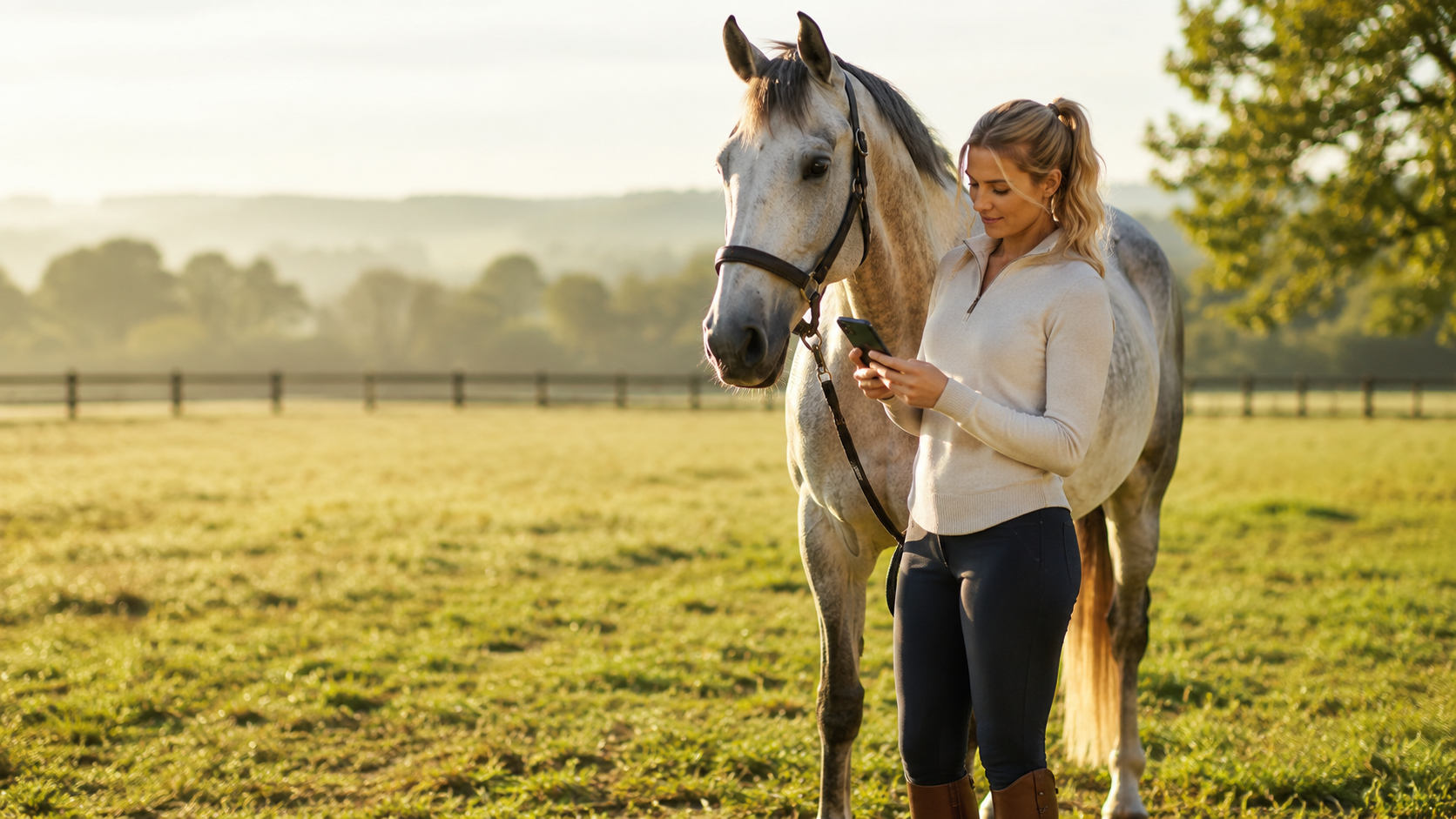
With Equio, every feed, supplement or treat is read against the horse's real profile (age, weight, Body Condition Score, conditions) — useful for a Coldblood Trotter as soon as a metabolic or digestive sensitivity is known.
Health and points to watch
Particular attention must be paid to the musculoskeletal system due to the demands of racing. Regular veterinary follow-up, including orthopedic examinations, is crucial. Training and recovery management are paramount to prevent injuries.
- More frequent conditions: Musculoskeletal issues related to intensive training (tendinitis, osteoarthritis), Respiratory conditions (as seen in many racehorses)
Care and grooming
Routine care includes regular hoof trimming, as their hooves are generally robust. The mane, tail, and feathering, often thicker than in warmblood trotters, require brushing to prevent tangles and maintain cleanliness. The coat is dense and does not require special clipping, except for racehorses in winter to facilitate sweat management.
Did you know?
- The Coldblood Trotter is the only trotter breed not considered a 'blood horse' (Thoroughbred or part-bred), hence its name.
- Despite its name, it is capable of achieving impressive trotting speeds, competing with warmblood trotters over certain distances.
- It is also used for ice racing in Scandinavia, demonstrating its robustness and adaptation to cold climates.
The Coldblood Trotter and how to track it
The breed is not very common in France, where the French Trotter dominates racing. A few individuals may be imported for breeding or pleasure, but there is no significant breeding program in France.
Equio lets you build a complete profile for a Coldblood Trotter: identity, weight, Body Condition Score, feeding, conditions, care reminders (vaccines, worming, trimming) and an exportable health log. The breed sets the identity; everyday decisions still depend on the real horse and your vet's advice.
- Record the activity level: rest, leisure, sport or breeding
- Add known conditions or sensitivities
- Scan feeds, plants and care products
- Keep reminders (vaccines, worming, trimming)
- Prepare a PDF export before a vet appointment
Frequently asked questions
What is the difference between a Coldblood Trotter and a French Trotter?
The Coldblood Trotter originates from Scandinavian light draft breeds and has a hardier metabolism, a more compact build, and feathering. The French Trotter is a 'blood horse', more refined, resulting from crosses with Thoroughbreds and Norfolk Trotters, and is specifically selected for pure speed on the track.
Is the Coldblood Trotter suitable for beginners?
Thanks to its calm and willing temperament, it can be a good horse for beginner or intermediate pleasure riders, provided it has a good basic education. For racing, it requires an experienced rider or driver.
Can a Coldblood Trotter be ridden?
Yes, although it is primarily known for harness trotting, it is entirely possible to ride it. It is used for ridden trotting in Scandinavian countries and can make an excellent pleasure horse under saddle, valued for its robustness and good character.
What is the price of a Coldblood Trotter?
The price varies considerably depending on the horse's age, experience, lineage, and potential. A young pleasure horse can be affordable, while a high-performing racehorse or a foal from prestigious bloodlines can fetch high prices, especially in Scandinavia.
Is the Coldblood Trotter a rare breed?
Outside of Norway and Sweden, where it is well-established and popular in racing, the Coldblood Trotter is relatively rare. Its presence is limited in other countries, including France.